
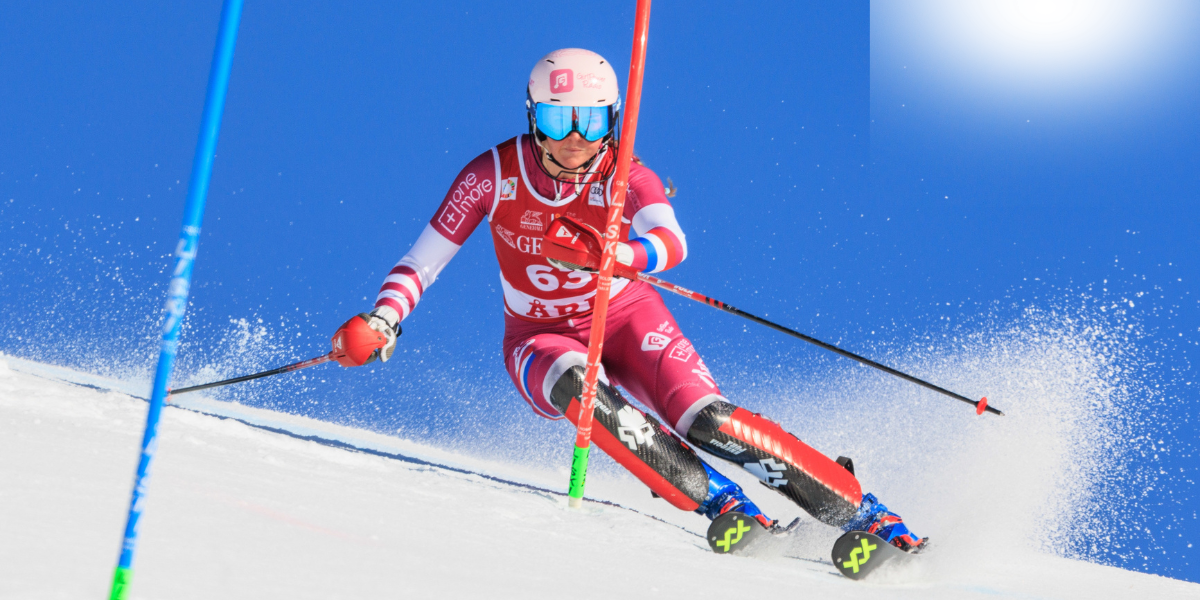
The trajectory of an elite alpine skier is typically defined by proximity to the Alps, a childhood spent on frozen glaciers, and the support of a national federation with deep coffers. Kiara Derks, however, represents a stark departure from this traditional archetype. Growing up in the Netherlands—a country where the highest natural elevation barely breaks 320 meters—Derks has defied geographical and institutional barriers to secure a place among the world’s most elite racers. Her journey from the artificial, climate-controlled environments of Dutch indoor ski halls to the high-stakes, icy technical courses of the FIS World Cup is a testament to perseverance, a total re-evaluation of athletic pressure, and a calculated, independent approach to professional sport.
The foundational years of Derks’ athletic development began long before she entered the international racing circuit. At three years old, faced with a choice between recreational sledding and formal ski school during a family holiday, she opted for the latter, driven by an immediate, visceral attraction to the mechanics of the sport. By the age of six, her aptitude was recognized during a talent identification session in the Netherlands, leading to a rigorous training regimen at indoor facilities. Throughout her youth, she balanced skiing with competitive gymnastics, eventually prioritizing the former at age ten. This decision underscored a singular focus: the pursuit of the adrenaline and freedom inherent in high-speed slalom.
A Chronology of Challenges and Competitive Milestones
Derks’ path to the professional level has been punctuated by significant physiological and systemic hurdles. Beyond the inherent disadvantage of training on synthetic surfaces, she has navigated chronic health challenges, including scoliosis and torticollis. These conditions necessitated surgical intervention as recently as the summer of 2025, forcing her to integrate complex recovery protocols into her training schedule. Despite the persistent physical strain, Derks has developed an adaptive mindset, noting that the intensity of competition and the necessary mental focus required on course often serve as a reprieve from physical discomfort.
Her transition to professional racing was marked by a steady progression through FIS-sanctioned events, culminating in her 2023 World Cup debut in Flachau, Austria. This milestone served as a critical psychological turning point. Prior to this, the World Cup was a distant objective viewed through a screen; standing in the starting gate transformed the event from an abstract aspiration into a tangible reality. Her subsequent appearances in international championships confirmed her status as a legitimate competitor, proving that her unique training background did not preclude her from matching the pace of athletes raised in traditional mountain nations.
The Structural and Financial Realities of Independent Racing
For an alpine skier, the "independent" label carries significant weight. Unlike athletes backed by state-funded federations—such as those from Austria, Switzerland, or France—Derks does not benefit from structural financial support or a comprehensive national team infrastructure. This reality creates a dual-career dynamic: she is not only an athlete but also a project manager, fundraiser, and media strategist.
The logistical burden of securing sponsorship, managing travel logistics, and organizing private coaching staff represents a significant percentage of her operational workload. This financial independence, while burdensome, has granted her the autonomy to curate her own training environment. After five years of working with a private coach—an experience she describes as occasionally isolating—Derks joined the Apex training group. This transition to a peer-led, female-focused training environment was instrumental in restoring her performance levels, as it provided the camaraderie and collaborative atmosphere she had previously lacked.
Psychological Pressures and the Pursuit of Performance
The 2026 Olympic qualification cycle served as a definitive case study in the impact of psychological pressure on elite performance. The criteria for Dutch Olympic qualification required a top-30 World Cup result, a target that Derks acknowledged became a source of significant internal strain.
Data from the 2025-2026 season suggests that as the Olympic deadline approached, the fear of failure began to manifest as a degradation in technical fluidity. By focusing on the outcome rather than the process, Derks found her performance slipping. This period of stagnation provided a critical lesson in the importance of mental fortitude. Following her exclusion from the 2026 Olympic squad, she initiated a two-week period of reflection, shifting her focus back to the core motivations of her childhood: the love of the sport and the pursuit of technical mastery.
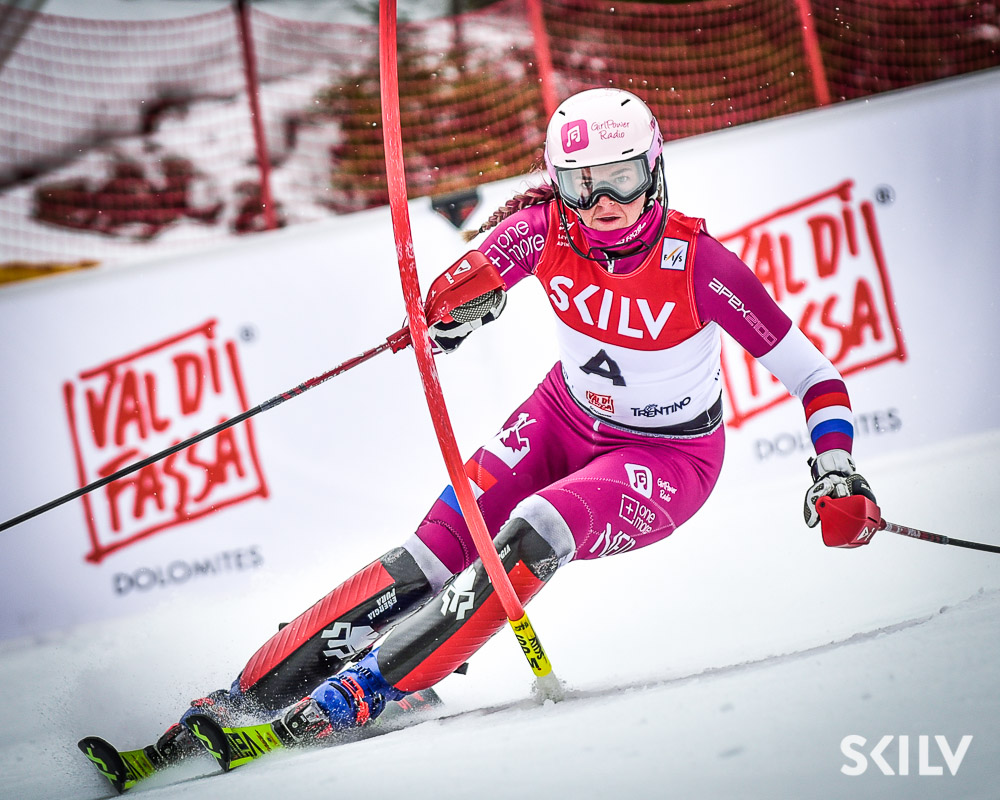
The results of this mental pivot were almost immediate. Upon returning to the European Cup circuit, she adopted a strategy focused on "skiing the way she knows how," rather than skiing for a specific result. By de-emphasizing the weight of the result, she successfully broke into the top 30 and secured her first top-10 finish in the European Cup. This turnaround suggests that for elite athletes, the difference between a top-tier result and a DNF (Did Not Finish) is often found in the ability to manage expectation-based anxiety.
Implications for the Sport and the Road to 2030
Derks’ career has broader implications for alpine skiing, particularly regarding the accessibility of the sport. Her success challenges the traditional geography of winter sports and highlights how advancements in indoor training technology can act as a bridge for athletes in non-Alpine regions.
As she now pivots toward the 2030 Olympic Winter Games in the French Alps, the challenges remain substantial. Her "Road to 2030" is not merely a training schedule; it is an entrepreneurial endeavor. She must continue to secure private funding and sponsorships while maintaining a level of consistency that will allow her to improve her start numbers—a critical metric in alpine racing where lower bib numbers often translate to better track conditions and higher potential for success.

Industry analysts observe that athletes like Derks, who operate outside of traditional federation structures, are becoming increasingly common as the costs of elite sport rise. This "independent model" requires a high degree of organizational skill, often forcing the athlete to mature faster than their counterparts in structured teams.
Expert Perspectives and Future Outlook
While there has been no official comment from the Dutch Olympic Committee regarding the specific funding structures for individual alpine athletes, observers within the international skiing community have noted that Derks’ progress is being monitored as a blueprint for athletes from non-traditional winter sport nations.
Her technical evolution, particularly her ability to overcome the disadvantages of starting with bib numbers in the 70s and 80s, has earned her respect among her peers. A top-10 European Cup finish for a skier with her background is statistically significant, signaling that she has reached a level of consistency that warrants serious consideration for future major championships.
For the upcoming season, the focus remains on the FIS World Cup circuit. The goal of a top-30 finish—the same goal that caused such friction during the previous cycle—remains, but the approach has evolved. The emphasis is now on tactical execution and the refinement of technical skills, with the understanding that the results are a lagging indicator of performance, not the primary driver.
In reflecting on her journey, Derks maintains that the most significant growth she has experienced is not found in a results spreadsheet, but in the transition from a mindset of "fear of failure" to one of competitive confidence. As she prepares for the next four-year cycle, her story remains a compelling case for the role of autonomy and mental health in the pursuit of high-performance athletics. Whether or not she reaches the podium in the French Alps in 2030, her career has already successfully demonstrated that the barriers to elite alpine skiing are increasingly permeable for those with the discipline to navigate the unconventional road.

