
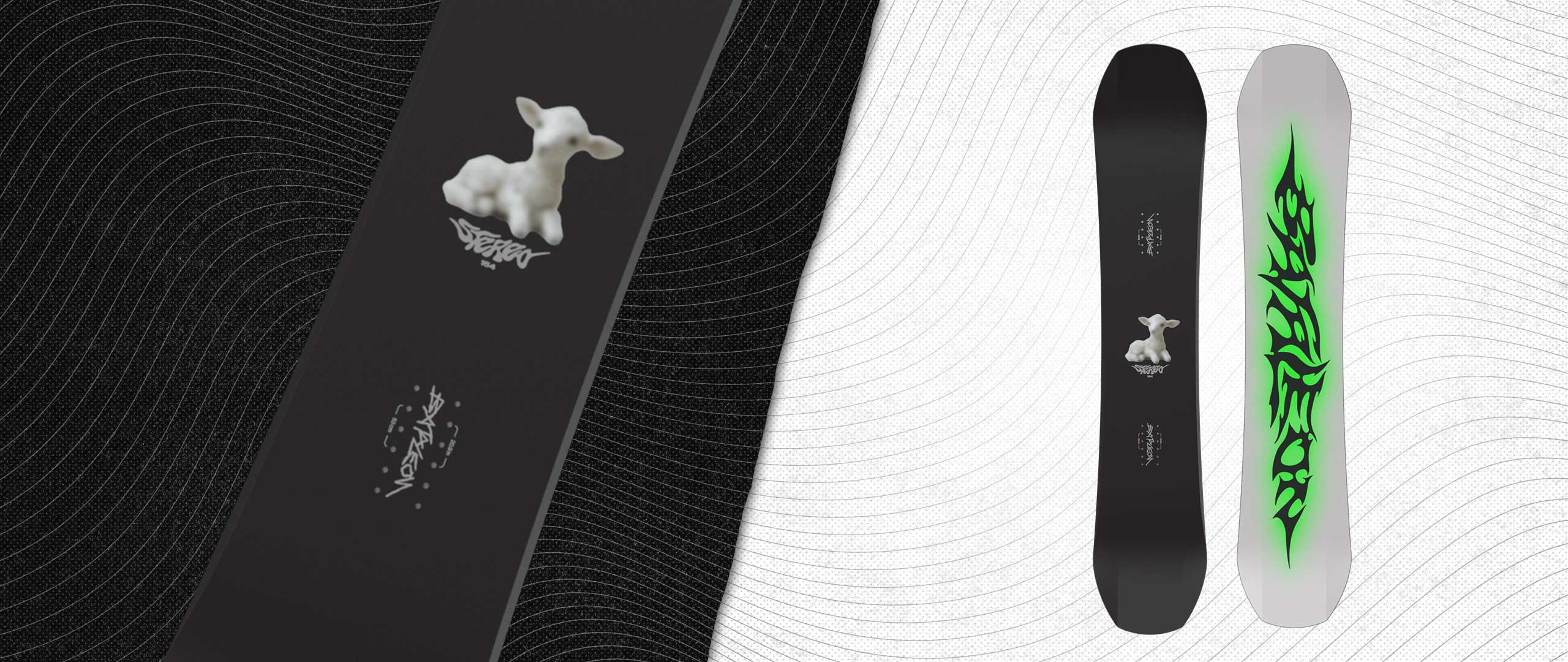
Snowboarding culture and equipment design have continually evolved over the past three decades, driven heavily by professional riders who demand gear capable of handling the increasingly technical and creative demands of modern freestyle riding. Bataleon, a brand long recognized for its proprietary 3D base shaping technology, has shaken up its freestyle lineup for the upcoming season with the introduction of the Stereo family. Developed in collaboration with two of the sport’s most influential and unconventional creative figures—longtime team rider Ethan Morgan and newly inducted design team member Halldórr Helgason—the Stereo represents a significant shift in how park-focused snowboards interact with varied mountain terrain.
The launch of the Stereo series addresses a longstanding compromise in snowboard design: the choice between the forgiving, loose feel of traditional 3D/triple-base tech and the locked-in, aggressive edge hold of conventional camber boards on hardpack and resort runs. By fusing innovative construction techniques with a distinct profile adjustment, Bataleon has engineered a true twin snowboard tailored for riders who split their time evenly between rail lines, large jumps, sidehits, and everyday resort cruising.
Evolution of Design: The Helgason and Morgan Collaboration
The involvement of Halldórr Helgason in Bataleon’s core design process marks a pivotal moment for the brand. Helgason, known globally for his progressive street riding, creative eye, and willingness to tackle unorthodox features, brings a distinct philosophy to the drawing board. Combined with Ethan Morgan, who has spent over a decade anchoring Bataleon’s global team with his boundary-pushing freestyle video parts and contest entries, the duo infused the Stereo with a playful, all-terrain ethos.
Unlike standard park boards built strictly for predictable transitions and structured pipe runs, the Stereo was conceptualized to thrive in chaos. Whether a rider is pressing through a slushy knuckle, hunting for natural sidehits on the fringes of a groomer, or lining up a proper jump line, the board is designed to respond immediately. The collaboration bridges the gap between raw street creativity and refined resort performance, a balance that requires meticulous attention to core materials, sidecut geometry, and tip-and-tail engineering.
Chronology and Product Integration
The development of the Stereo lineup began several seasons prior to its official commercial rollout, driven by feedback from elite team riders seeking a more versatile freestyle option. As prototyping progressed through iterations tested in both indoor facilities and diverse mountain ranges across Europe and North America, the design team focused on refining the brand’s signature Triple Base Technology (3BT) to suit harder snow conditions without sacrificing the loose, catch-free feel that defines Bataleon snowboards.
By the preceding winter season, early prototypes were spotted under the feet of Helgason and Morgan during major film shoots and commercial testing camps. The positive reception from internal testers cemented the need for a tiered product rollout. Alongside the standard men’s and women’s models, Bataleon introduced a stiffer iteration designated as the Stereo Team. This multi-tiered approach allows riders of varying weight classes, aggressive riding styles, and technical skill levels to access the new HyCap construction philosophy without compromising their preferred flex profile.
Shape, Profile, and Technological Innovations
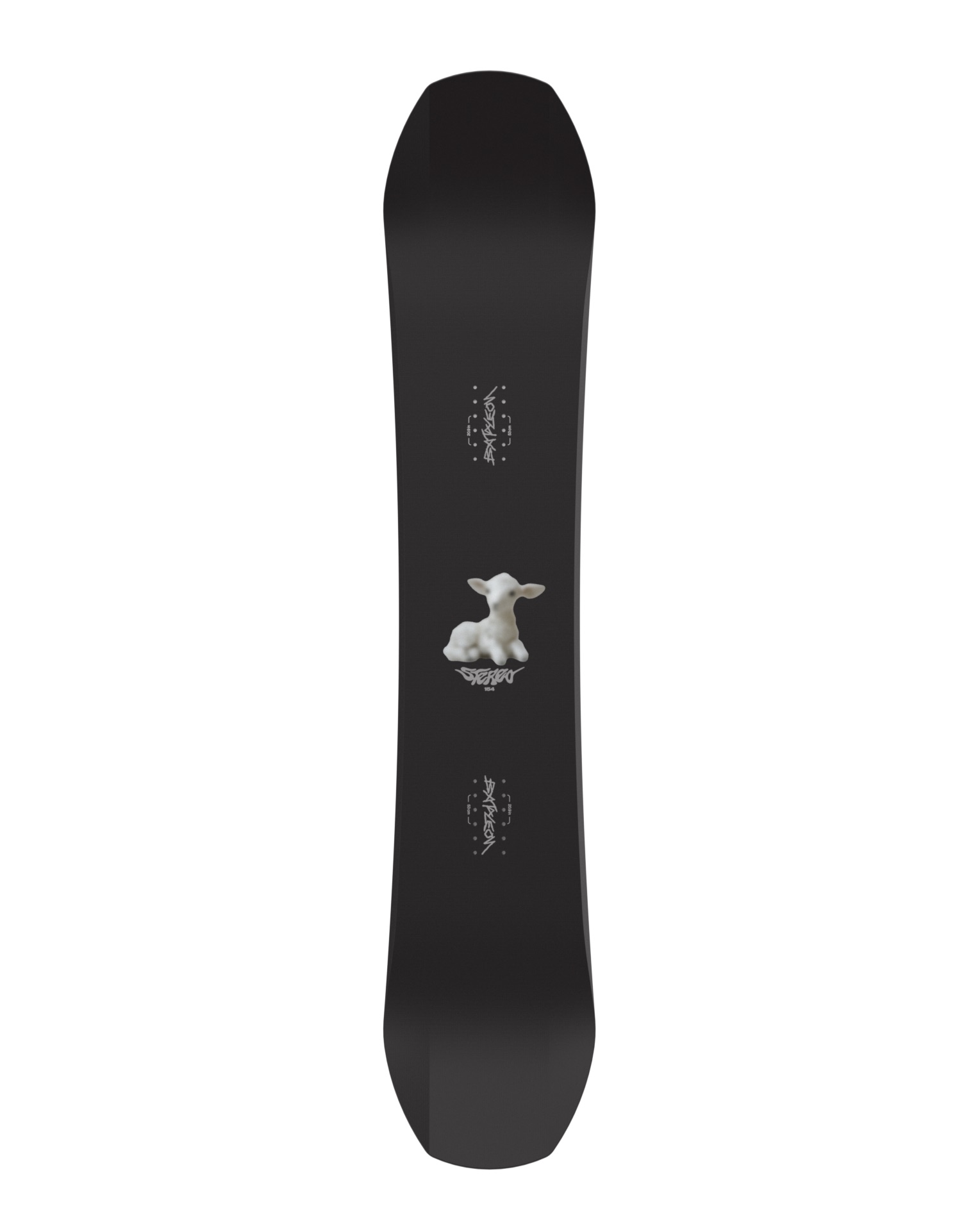
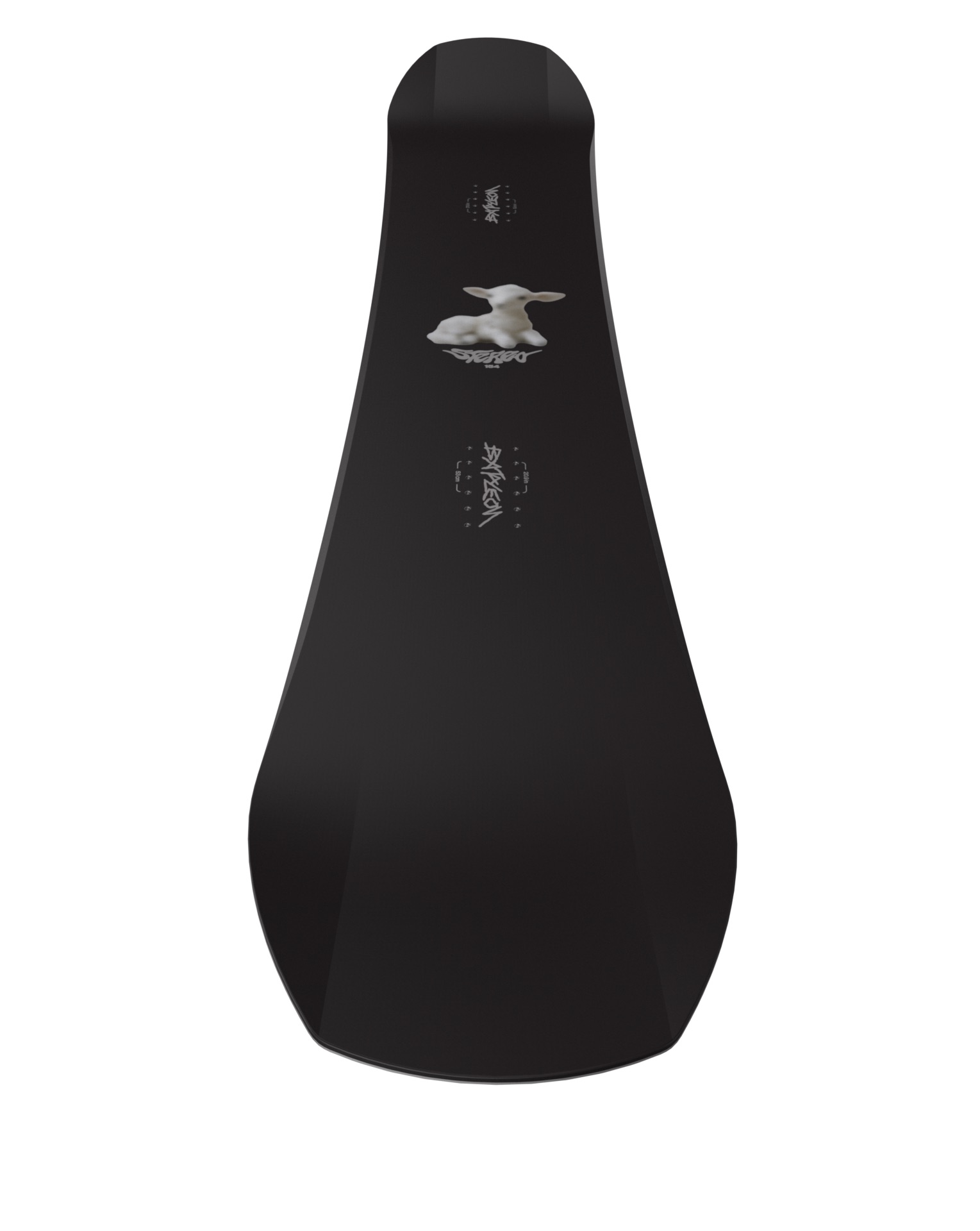
At the technical core of the Bataleon Stereo is a radical reinterpretation of the brand’s traditional 3D shaping. While classic Bataleon boards feature pronounced side-base uplift starting relatively far back from the contact points, the Stereo’s nose incorporates the flattest section of 3BT found anywhere in the current catalog. This design choice trades a degree of extreme edge-roll forgiveness for a more traditional, aggressive bite on hardpack and icy in-runs, mirroring the dependable feel of a standard camber profile.
To maintain the benefits of 3D shaping without sacrificing this traditional edge response, the Stereo integrates SideKick 2.0 tip uplift and a tri-radial sidecut. SideKick 2.0 dramatically increases the side-base uplift just outside the effective edge, smoothing out turn initiation and virtually eliminating edge catch during flat-base landings or butter transitions. The tri-radial sidecut blends multiple distinct turn radii into a single harmonious edge, granting riders predictable, smooth exits from carving turns regardless of speed.
Underfoot, a medium camber height provides the necessary energy storage for high-pop ollies and a locked-in feel when tracking toward massive features. This balanced profile ensures the True Twin shape remains genuinely versatile, preventing the board from feeling washed out when pushed through high-speed carved turns on steep groomers.
Construction, Materials, and Durability
Durability and weight management formed the cornerstone of the Stereo’s structural engineering. Bataleon utilized its proven "Core Core" profile, consisting of a full-length poplar wood core reinforced with high-density hardwood beech stringers. These stringers run parallel along the spine of the board, reinforcing the binding insert areas to withstand heavy impacts from flat landings while simultaneously increasing longitudinal pop and snap.
Complementing the wood core is a strategic network of carbon stringers positioned to fine-tune torsional flex and edge-to-edge response without adding dead weight to the chassis. However, the most significant manufacturing advancement in the Stereo family is the integration of HyCap construction. HyCap introduces a full cap layup running the length of the board’s contact zones, delivering a cleaner aesthetic finish and sharper, more direct power transmission to the edges.
To combat the wear and tear typical of urban rail sessions and rocky resort riding, Bataleon incorporated poured urethane FlexWalls at the tip and tail. These urethane inserts act as internal shock absorbers, soaking up high-frequency vibrations and heavy impact forces where snowboards traditionally sustain the most structural damage.
The board’s internal framework is wrapped in a traditional biaxial fiberglass weave (Biax glassing). This two-way glass orientation maintains a playful, forgiving torsional flex that accommodates creative presses and butters, avoiding the overly rigid, plank-like feel associated with high-end freeride decks. Finally, the entire assembly rides on a Hyper Glide S base—Bataleon’s standard everyday sintered running surface. Known for its high wax absorption rate, impact resistance, and dependable baseline speed, the base ensures the Stereo maintains velocity through flat cattracks and approach runs when properly maintained.
Market Reception and Industry Implications
Initial industry response to the Bataleon Stereo has highlighted its distinct positioning within the saturated all-mountain freestyle category. Independent reviewers and professional testers have praised the board for successfully bridging the divide between a dedicated park toy and a functional resort cruiser.
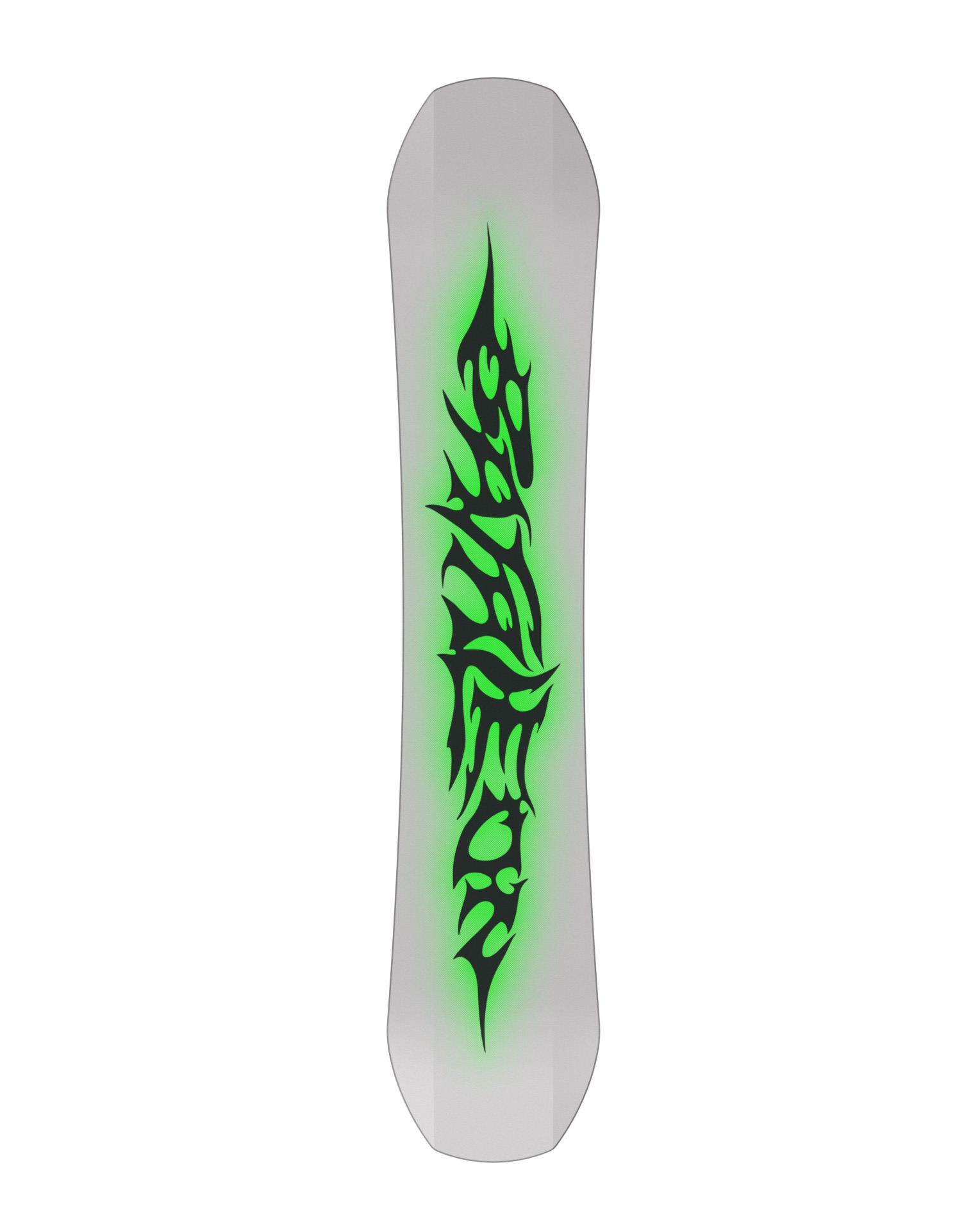
Industry analysts note that as snowboard consumers increasingly demand versatile equipment capable of performing across multiple disciplines without requiring a multi-board quiver, brands must innovate beyond traditional camber profiles. The Stereo addresses this consumer demand by offering the stability required for aggressive resort riding alongside the playful geometry necessary for modern freestyle expression. Furthermore, the playful graphic language utilized across the Stereo and Stereo Team editions—featuring humorous, interconnected artwork—reinforces Bataleon’s distinct brand identity within the youth-market snowboard demographic.
Tester Verdicts and Expert Evaluations
Field testing conducted across varied snow conditions—ranging from spring slush to mid-winter hardpack—has yielded overwhelmingly positive assessments from professional product evaluators.
Pat Nichols, an established snowboard tester and industry commentator, highlighted the board’s balanced performance characteristics during pre-season evaluations: “A seriously fun all-mountain freestyle snowboard. You can absolutely grip a turn, but it still likes to butter. The nose has the flattest section of 3BT of any Bataleon board, so it has a more traditional feel. It’s a board that has your back—I’d buy it and be stoked, so that’s always a good sign.”
These evaluations underline the achievement of the design team: creating a true twin that refuses to penalize the rider for venturing outside of structured park environments. While the Stereo will not outperform a specialized, directional freeride board in deep powder or extreme big-mountain terrain, its targeted versatility makes it an attractive option for intermediate to advanced riders seeking a playful, reliable daily driver.
Broader Economic and Environmental Context
The introduction of advanced manufacturing processes such as HyCap and poured urethane FlexWalls also reflects broader manufacturing trends within the winter sports hardgoods sector. Brands are facing mounting pressure to increase product durability, thereby extending the lifecycle of snowboards and reducing the environmental footprint associated with frequent replacement cycles. By reinforcing high-impact zones with resilient urethane and strengthening core insert areas with beech stringers, manufacturers aim to deliver boards that endure multiple seasons of aggressive use.
As the winter season approaches and retail inventories receive the new Stereo lineup, the board is poised to become a staple offering in Bataleon’s global catalog. By combining the creative vision of Halldórr Helgason and Ethan Morgan with practical structural engineering, Bataleon has established a new benchmark for what a freestyle-oriented all-mountain snowboard can achieve.

