
For two decades, Spark R&D has occupied a dominant position in the design and manufacture of backcountry snowboarding hardware, establishing itself as an industry benchmark for reliability and innovation. Within the brand’s expansive catalog, the Arc ST splitboard binding has emerged as the flagship model, capturing the attention of both seasoned mountaineers and individuals embarking on their inaugural backcountry tours. Despite occupying a competitive entry-to-mid-range price point within the specialized splitboarding market, the Arc ST delivers a high-performance feature set that has earned it widespread praise from gear testers and industry professionals alike. Major snowboarding brands, including Burton and Nitro, have historically licensed Spark’s foundational technology for their own proprietary splitboard product lines, underscoring the engineering pedigree behind the Arc ST.
An Examination of Baseplate Engineering and Weight-Saving Innovations
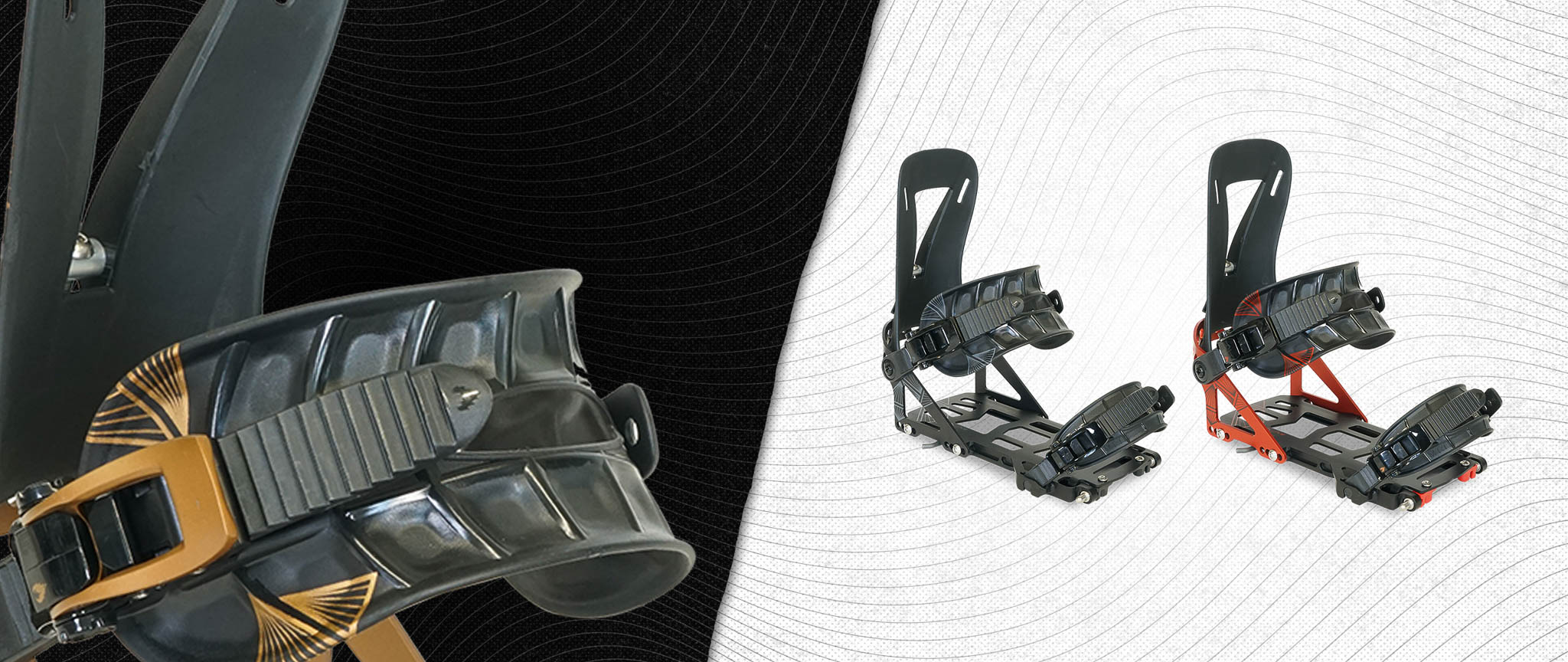
The architectural philosophy of the Spark R&D Arc ST centers heavily on weight reduction without structural compromise. Unlike traditional resort snowboarding bindings, which frequently incorporate thick layers of foam cushioning and dampening materials beneath the footbed, the Arc ST utilizes an all-metal chassis. This design choice optimizes energy transfer and direct board response, ensuring that every movement initiated by the rider is translated immediately to the snow surface.
Compared to its more robust stablemate, the Surge, the Arc ST is engineered with a distinctly minimalist approach. The footbed features extensive cutaways designed to eliminate unnecessary ounces, while the heelcup incorporates a lattice structure that significantly reduces overall mass without sacrificing structural integrity. This metallic construction, available in several anodized colorways including a prominent copper finish, delivers a combination of torsional rigidity and surprising underfoot comfort. The deliberate absence of thick EVA foam padding ensures that the rider maintains a low center of gravity and heightened tactile feedback from the terrain, a critical advantage when navigating complex or variable backcountry snow packs.
Straps, Highbacks, and Transition Efficiency
The componentry of the Arc ST reflects a philosophy of functional minimalism. The ankle and toe straps maintain a streamlined profile to reduce weight, yet they are engineered to distribute pressure evenly across a wide variety of snowboard boot models. Utilizing a durable single-component construction, these straps are designed to withstand the rigors of sub-zero temperatures and remote environments where gear failure is not an option.
Performance during the ascent is heavily influenced by the "Rip N Flip" highback design. By utilizing an integrated adjuster mounted on the rear of the binding, a rider can quickly release the forward lean to extend their stride length during skinning tracks. Once transition time arrives at the summit, resetting the highback into ride mode requires minimal physical effort. Furthermore, the highback features a generous central cutaway, offering increased lateral flex that allows riders to execute surfy, fluid turns in deep powder conditions without feeling restricted by an overly stiff interface.
Chronology and Industry Evolution of Spark R&D
The trajectory of Spark R&D mirrors the rapid evolution of splitboarding from a niche, DIY subculture into a major sector of the winter sports industry. Founded in 2006 by Will Ritter in Bozeman, Montana, the company initially focused on addressing the mechanical inefficiencies of early splitboard bindings, which were largely makeshift adaptations of standard resort bindings.
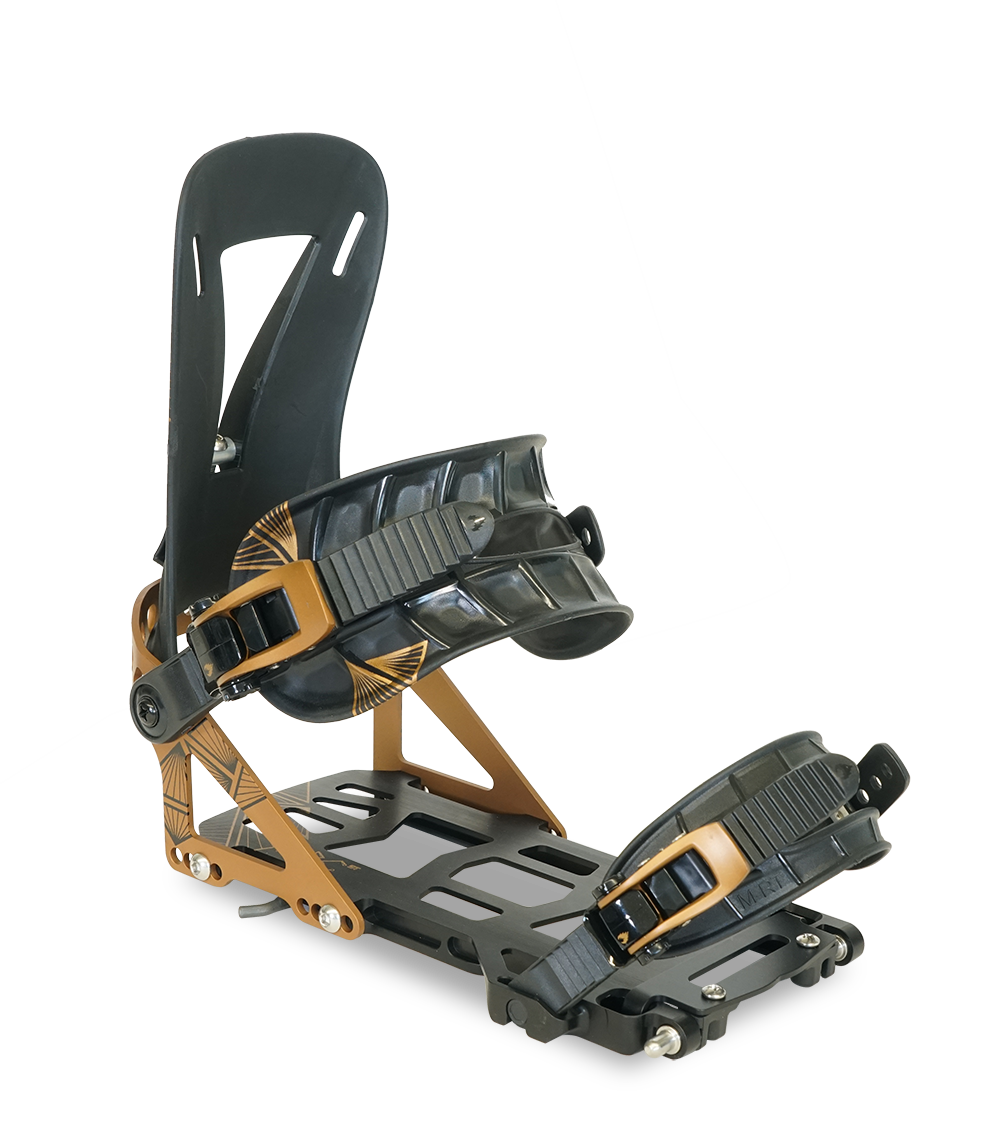
Throughout the late 2000s and 2010s, Spark R&D introduced proprietary interface systems, most notably the Tesla and Tesla T1 snap-ramp systems. These mechanical advancements revolutionized backcountry transitions by eliminating the need for traditional pins and slider tracks, allowing users to slide bindings effortlessly into touring brackets and secure them for the descent with a simple snap mechanism. The integration of these systems into the Arc ST represents the culmination of nearly twenty years of iterative design, addressing common backcountry pain points such as ice buildup, mechanical wear, and excessive transition times.
Tester Insights and Mechanical Reliability
Long-term testing of the Arc ST in demanding alpine environments reveals both the strengths and minor vulnerabilities of the system. According to veteran gear tester Tristan Kennedy, the binding system stands out as the gold standard for non-step-on, soft-boot splitboard configurations.
"I’ve tried a lot of splitboard bindings over the years, and unless you’re going to dip your toe into the pricey world of Step Ons or embrace hard boots, then Spark has the best system, hands down," Kennedy noted during evaluation trials. "Their Tesla snap ramp system saves hours of time, making it super easy to switch from climbing to descend mode, and vice versa. I’ve never had a problem with it icing up, getting too full of snow, or feeling insecure."
However, field tests have historically highlighted specific components subject to high wear. The skinny climbing wires—vital for maintaining an efficient gradient on steep ascents—have occasionally been identified as a component prone to bending under heavy loads or extreme cold. Despite this, industry observers note that Spark R&D has continuously refined these elements in recent production cycles, adding ergonomic side levers to simplify the manipulation of climbing wires while offering accessible replacement parts through global dealer networks.

Broader Market Impact and Economic Implications
The sustained success of the Arc ST has profound implications for the broader snowboarding market. As backcountry recreation continues to experience steady growth in participation rates, manufacturers are under increasing pressure to lower the barrier to entry without sacrificing performance or safety. By positioning the Arc ST as an accessible yet high-performance option, Spark R&D captures a significant share of consumers transitioning from resort riding to human-powered backcountry exploration.
Furthermore, the licensing agreements established with legacy brands like Burton and Nitro validate the universal utility of Spark’s underlying technology. This collaborative manufacturing ecosystem reduces independent research and development costs for major snowboarding conglomerates while reinforcing Spark R&D as the primary authority on splitboard binding architecture.
Conclusion and Future Outlook
The Spark R&D Arc ST splitboard binding remains a foundational product within modern backcountry gear lineups. Through rigorous weight-saving methodologies, robust metallic construction, and intuitive transition mechanics, the model successfully addresses the dual demands of efficient climbing and responsive descending. As manufacturing technologies continue to advance and material science yields even lighter, more durable alloys, the Arc ST sets a high standard for what consumers should expect from introductory and flagship backcountry hardware alike.

