
The United States Ski and Snowboard Association officially announced its 49-athlete roster for the 2026-27 Stifel U.S. Alpine Ski Team on October 9, 2026, marking a significant, albeit tentative, inclusion of veteran icon Lindsey Vonn. The selection comes at a precarious juncture for the three-time Olympic medalist, who remains sidelined following a severe crash during the downhill event at the Milan-Cortina Winter Olympics in February 2026. While her inclusion in the national squad signifies continued support from the governing body, it occurs against a backdrop of uncertainty regarding her future in professional alpine racing.
The Milan-Cortina Incident and Medical Chronology
The trajectory of Vonn’s recent career was abruptly altered on February 8, 2026, during the Milan-Cortina Olympic downhill race. Known for her aggressive racing style and technical proficiency, Vonn lost control on a high-speed section of the course, resulting in a complex tibia fracture. The accident, which occurred on one of the sport’s most prestigious global stages, necessitated immediate medical intervention and a series of subsequent surgical procedures.
The medical challenges, however, extend beyond the initial fracture. The recovery process has been arduous, complicated by long-term structural concerns. Vonn is scheduled to undergo an anterior cruciate ligament (ACL) reconstruction surgery next month, a procedure that will require an extensive rehabilitation period. Given the nature of such an injury and the intensity required for competitive World Cup skiing, team officials and medical experts acknowledge that it is highly unlikely she will return to the starting gate during the upcoming 2026-27 season.
Performance Metrics: A Case for Inclusion
Despite the curtailed nature of her 2025-26 campaign, Vonn’s performance metrics leading up to the Milan-Cortina Games justified her inclusion on the roster. Before her injury, she maintained a high level of competitiveness that few peers in the sport have achieved over a career spanning two decades.
Data from the previous season underscores her enduring impact on the sport:
- Overall Standing: Vonn concluded the season ranked 12th in the world, a testament to her consistency despite missing the final months of the circuit.
- Downhill Specialization: She secured the fifth position in the final World Cup downhill standings, remaining a top-tier threat in her signature discipline.
- Super-G Dominance: Vonn finished as the highest-ranked U.S. female skier in the Super-G, highlighting her versatility across speed disciplines.
These statistics formed the basis of the US Ski and Snowboard’s decision to retain her. By naming her to the 49-athlete roster, the federation provides her with access to high-level medical support, training facilities, and the organizational framework necessary for a potential—though not guaranteed—return to form.
Official Stance from US Ski and Snowboard
The official statement released by US Ski and Snowboard on October 9 balanced recognition of her legacy with a pragmatic assessment of her physical recovery. "Three-time Olympic medalist and 84-time World Cup winner Lindsey Vonn, who continues to recover from injuries sustained at the Milan-Cortina Games, is also named to the team," the organization stated.
Behind the scenes, the move is viewed as a strategic decision. The organization is providing Vonn the time and resources to determine her future on her own terms. By including her in the official team structure, they avoid forcing a premature retirement decision while she is still in the active stages of medical rehabilitation. For a skier of her stature—holding an unprecedented 84 World Cup victories—the standard operating procedure for retirement transitions is often handled with extreme caution and deference to the athlete’s own timeline.
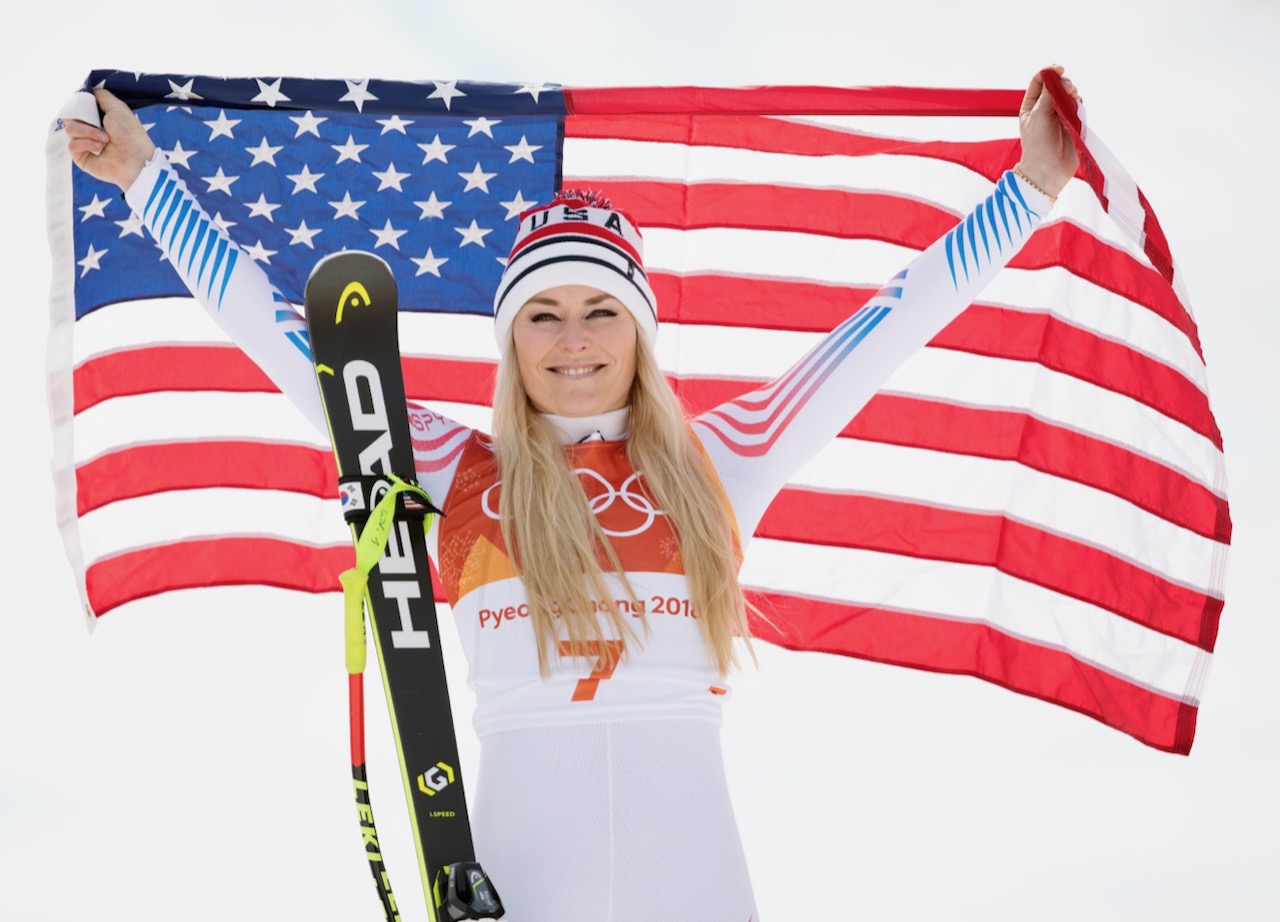
The Anatomy of the 2026-27 Roster
The 2026-27 Stifel U.S. Alpine Ski Team represents a mix of established veterans and emerging talent. The inclusion of Vonn is part of a larger strategy to maintain the competitiveness of the U.S. program as it pivots toward the next Olympic cycle.
The team’s composition is designed to optimize resources for athletes competing in the World Cup circuit, the European Cup, and the North American Cup. The selection criteria for this year’s squad emphasized not only past achievements but also future potential. For younger athletes on the roster, the presence of an athlete with Vonn’s pedigree—even in a non-competing capacity—serves as a vital mentorship bridge, providing the team with institutional knowledge that is otherwise difficult to cultivate.
Broader Implications for Alpine Skiing
The situation surrounding Vonn highlights the brutal physical demands of modern alpine skiing, where the margin for error at speeds exceeding 80 mph is razor-thin. The "complex tibia fracture" suffered by Vonn is a career-threatening injury that would have ended the careers of many professional athletes. The fact that she is still being considered for competition at this stage of her career is a testament to both her personal resolve and the advancement of orthopedic medicine.
From an industry perspective, Vonn remains one of the most recognizable figures in winter sports. Her absence from the World Cup circuit has a measurable impact on media coverage, broadcast viewership, and sponsorship engagement. However, the sport has also demonstrated a recent shift toward prioritizing athlete longevity, with many skiers now competing well into their mid-30s. Vonn’s recovery will be monitored closely not just by the U.S. team, but by the international skiing community as a case study in high-performance rehabilitation.
Analytical Outlook: The Path to Recovery
The road ahead for Vonn is clearly defined by medical benchmarks rather than racing calendars. The upcoming ACL procedure in November is the critical pivot point. Post-operative care for an athlete who has undergone multiple surgeries on the same limb requires a multi-phased approach:
- Phase One: Acute recovery and range-of-motion restoration.
- Phase Two: Strength re-acquisition, specifically targeting the quadriceps and hamstrings to support the knee joint.
- Phase Three: Proprioception and neuromuscular training, essential for returning to the high-vibration, high-impact environment of alpine racing.
- Phase Four: On-snow testing, which will determine if the mechanical stability of the joint is sufficient to handle the G-forces exerted during high-speed turns.
Most industry analysts suggest that while Vonn’s inclusion is an act of good faith, any talk of a return to racing is premature until the conclusion of the 2026-27 season. If she were to return, it would likely be for select events rather than a full World Cup campaign.
Conclusion
As of the last modification to the team announcement on October 12, 2026, the status of the U.S. roster remains fixed, with Vonn listed among the speed specialists. While the sport waits to see if one of its most decorated champions can defy the physical toll of her latest injury, the team management has signaled that her place in the program is secure.
For the U.S. Alpine Ski Team, the goal remains clear: to build upon the successes of the Milan-Cortina cycle while navigating the physical realities of their most high-profile athletes. Whether or not Lindsey Vonn returns to the start house, her inclusion on the 2026-27 team acknowledges that her contributions to the sport are far from over, whether as a competitor, a mentor, or an enduring figurehead of the American program. The coming months will be defined by the quiet work of rehabilitation, far from the cameras and the slopes, as Vonn begins the next chapter of her recovery process.

