
The evolution of snowboard equipment manufacturing has consistently prioritized the delicate balance between structural rigidity and natural board flex. In the competitive landscape of winter sports gear, hardware failures have historically frustrated aggressive riders, prompting manufacturers to continuously refine component longevity. Within this context, Union Binding Company has emerged as a dominant force in the global snowsports market, renowned for producing high-performance bindings that withstand rigorous daily use. The introduction of the Union Neo represents a significant milestone in the brand’s engineering history, blending proven architectural concepts with innovative structural modifications designed to appeal to modern all-mountain and freestyle snowboarders.
Background Context and Historical Development of Union Binding Company
Founded with a singular focus on creating superior snowboard bindings, Union has spent over a decade establishing industry benchmarks for durability and performance. Historically, the brand’s product lineup has catered to specific user profiles, ranging from ultra-stiff, highly responsive freeride models designed for charging steep lines to softer, more forgiving options tailored for freestyle progression and jibbing. Over the years, engineers at Union identified a distinct gap in the market for a mid-flexing, high-durability option that could absorb the impacts of urban and backcountry freestyle riding while maintaining the structural integrity required by aggressive all-mountain enthusiasts.
The development of the Neo binding spans several years of prototyping, heavily influenced by the success of earlier models such as the Union Ultra. While the Ultra popularized lightweight construction and underfoot dampening, consumer feedback indicated a strong demand for a slightly more forgiving lateral flex coupled with advanced baseplate technology. This insight guided the multi-year research and development timeline that ultimately culminated in the release of the Neo, positioning it as a sophisticated hybrid between freestyle playfulness and freeride reliability.
Anatomical Breakdown of the Union Neo: Baseplate Engineering
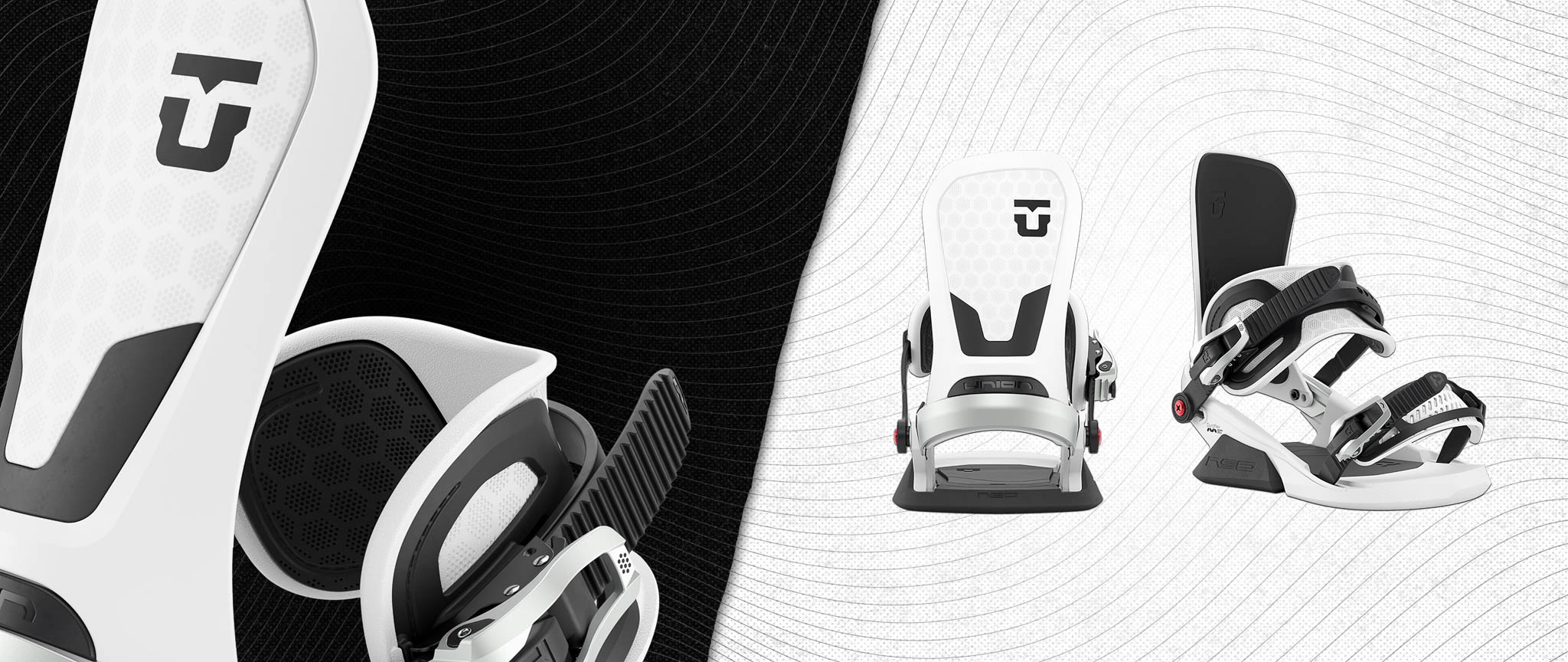
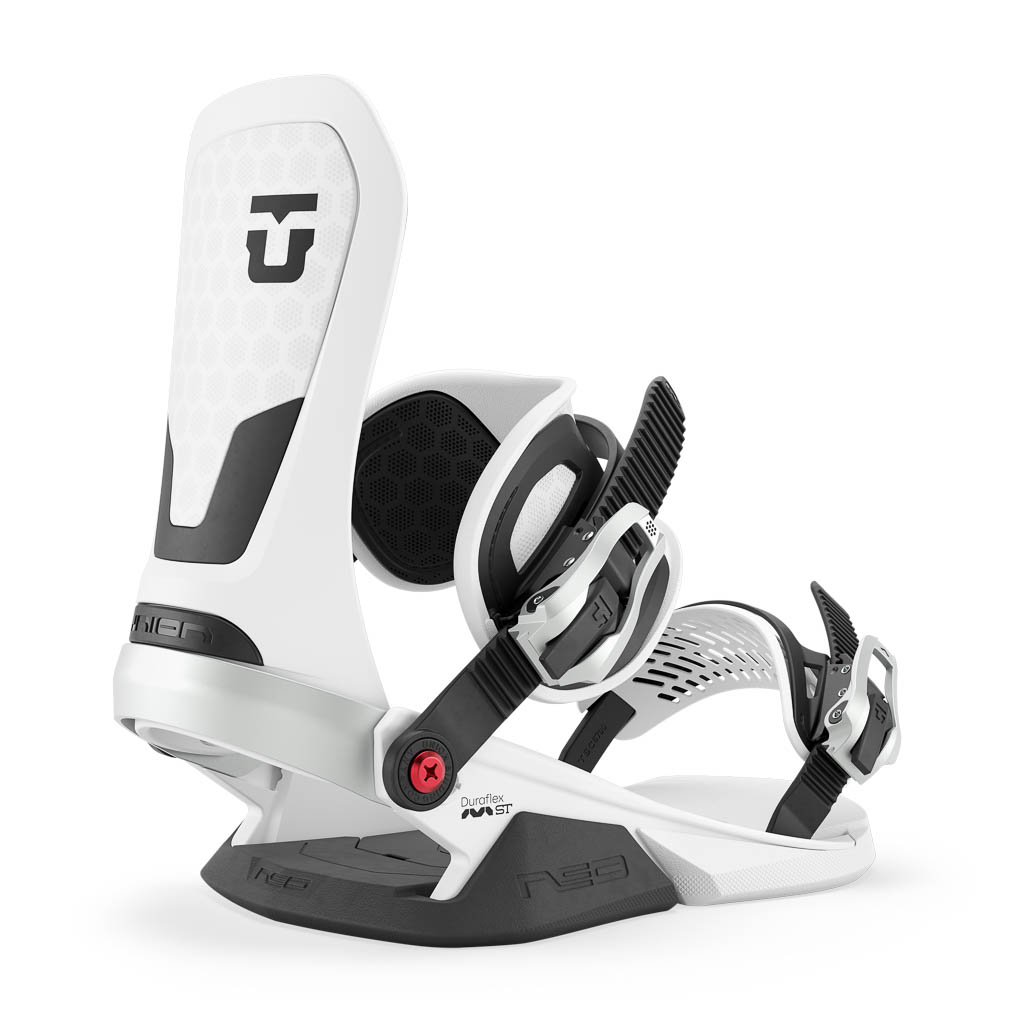
At the core of the Union Neo is a revolutionary three-part baseplate design that diverges significantly from traditional continuous-plate architecture. Unlike conventional bindings that rigidly span the width of the snowboard, the Neo features a minimized underfoot footprint anchored by a rigid mini mounting disc. The surrounding baseplate material is intentionally malleable, flanked by more rigid side-sections.
As a rider shifts their weight and initiates turns or presses, these rigid side-sections interact with the malleable underfoot material, causing the baseplate to flex synchronously with the snowboard. This dynamic movement allows the snowboard to achieve a more natural flex pattern, eliminating the dead spots often associated with stiff, traditional mounting systems. Industry experts note that this technological leap enhances board feel, providing a seamless energy transfer that preserves the original camber profile of the deck beneath it.
Complementing the dynamic baseplate is a sophisticated dampening system engineered to mitigate high-frequency chatter and heavy impact forces. The heel side utilizes thermoplastic rubber to absorb vibrations from uneven terrain, whereas the toe side incorporates compression-molded EVA foam. This dual-material approach ensures that riders retain confidence when executing high-consequence drops or navigating variable snow conditions, without sacrificing tactile feedback from the snow surface.
Highback Architecture and Durability Mechanics
Upward from the baseplate, the Union Neo integrates the brand’s signature Duraflex highback architecture. Constructed via an intricate four-part manufacturing process, the highback delivers a balanced combination of impact resistance and a consistent, forgiving flex profile. Furthermore, the highbacks are engineered with an asymmetrical geometry tailored to match the natural ergonomic angles of the lower leg. This design optimizes lateral response during heelside turns while mitigating pressure points and muscle fatigue during extended days on the mountain.
The durability of Union’s highback components has long been a cornerstone of the brand’s market reputation. By utilizing proprietary nylon blends that resist extreme cold-weather degradation, the Neo addresses the primary consumer concern of component failure. Field testing and stress-analysis data from early prototypes indicate a marked reduction in structural fatigue over multiple seasons of heavy usage, aligning with the expectations of consumers who prioritize long-term equipment investment.
Strap Technology and Ergonomic Enhancements
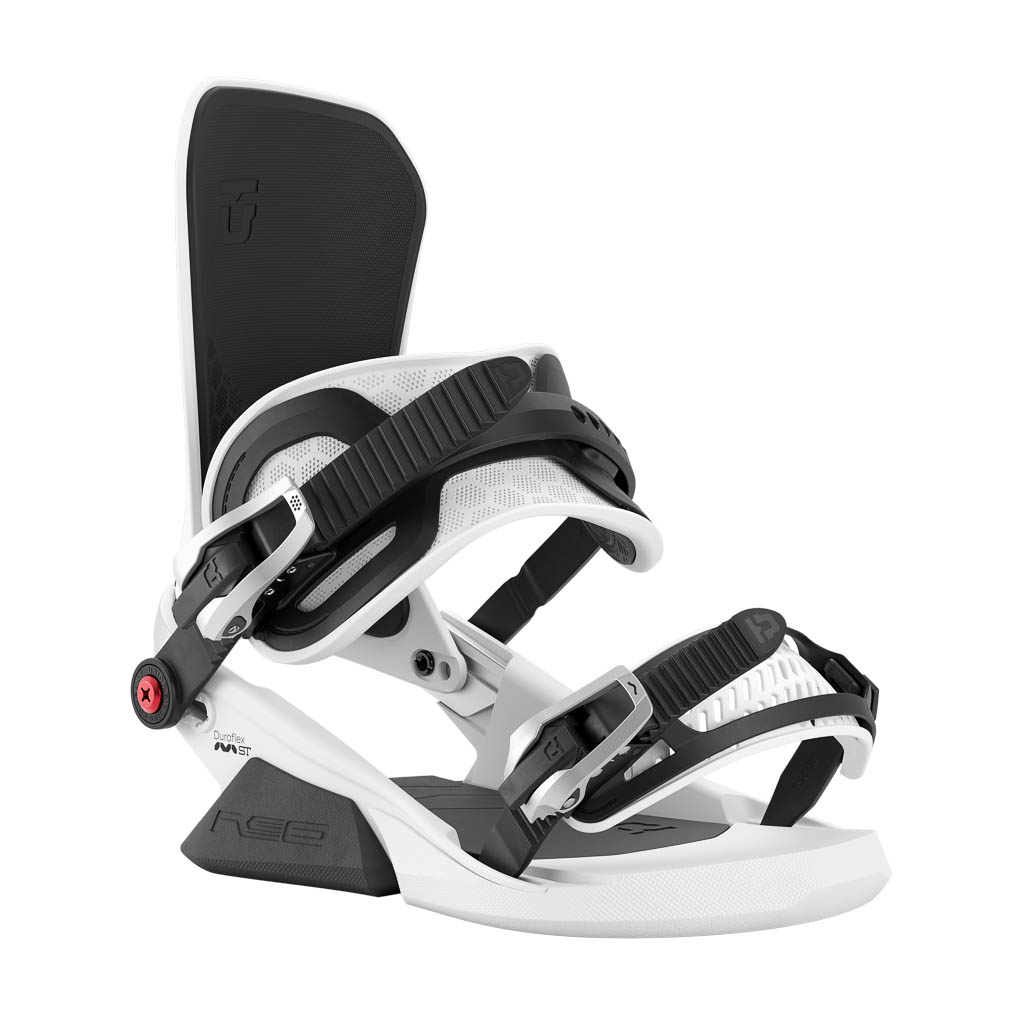
Equipment interface technology plays a critical role in overall riding performance and rider comfort. The Union Neo incorporates advanced strap designs that separate the structural tightening mechanism from the boot-hugging padding layer. This mechanical separation ensures an even distribution of pressure across the instep and toe box, effectively eliminating localized pinching and reducing the likelihood of circulation restriction during cold-weather sessions.
Furthermore, the straps feature a specialized geometry designed to flop open automatically, facilitating effortless entry and exit—a practical enhancement for chairlift efficiency. Securing the system are low-profile magnesium ratchets, selected for their high strength-to-weight ratio and buttery-smooth engagement. These ratchets prevent slip during aggressive carving maneuvers, maintaining micro-adjusted tension from the first run of the day to the last.
Market Positioning, Pricing Strategy, and Consumer Reception
Upon its official commercial rollout, the Union Neo entered the market at a premium price point, positioning itself above several of Union’s entry-level and mid-tier offerings. This pricing strategy reflects the advanced engineering costs associated with the proprietary three-part baseplate and the specialized multi-density dampening materials. Industry analysts observe that while the initial cost may deter budget-conscious consumers, the target demographic—experienced riders seeking longevity and uncompromised performance—views the investment as cost-effective over the product’s lifespan.
Initial reactions from professional gear testers and early-adopter consumers have highlighted the Neo’s unique blend of freestyle comfort and freeride capability. Tester Kevin Frank remarked on the binding’s versatile character, noting that it successfully translates the freestyle pedigree of the Ultra into a more robust, all-mountain framework. This sentiment is echoed across multiple review platforms, where the binding has been praised for bridging the gap between surfy, creative board control and stable, high-speed edge retention.
Broader Industry Implications and Future Outlook
The introduction of the Union Neo signals a broader industry trend toward hardware customization and biomechanical integration. As snowboard designs continue to evolve with complex 3D core profiles and advanced carbon laminates, binding manufacturers are compelled to adapt their foundational architectures to prevent interference with natural board dynamics.
By pioneering a baseplate that flexes in harmony with the snowboard rather than restricting it, Union has established a new benchmark for all-mountain hardware design. The commercial success of the Neo will likely influence future iterations of competing product lines across the snowboard manufacturing sector, accelerating the adoption of decoupled baseplate systems and targeted vibration dampening.
In summary, the Union Neo represents a calculated synthesis of traditional durability and cutting-edge mechanical innovation. By addressing critical pain points related to hardware failure, natural board flex, and pressure-point discomfort, the Neo secures its position as a formidable option for advanced snowboarders. As the product transitions from initial market launch to a staple within the seasonal catalog, its influence on binding engineering is expected to resonate throughout the winter sports equipment industry for years to come.

