
In a landmark decision announced on October 6, the Norwegian Ski Federation (NSF) has fundamentally restructured its commercial framework, signaling an end to one of the most contentious chapters in the history of Norwegian winter sports. By securing a comprehensive sponsorship deal with Red Bull that covers the entire national team, while simultaneously granting elite athletes the right to leverage their own headgear for personal sponsors, the federation has moved to resolve years of friction between its administrative leadership and its world-class alpine talent.
For over a decade, the Norwegian Alpine Team has been the site of a high-stakes tug-of-war over "prime real estate"—the high-visibility space on the front of athletes’ helmets and headwear. Historically, the NSF maintained exclusive control over these assets, mandating that the space be reserved for the federation’s primary sponsors, such as Telenor. This centralized model, while effective for generating core operational revenue, alienated several top-tier skiers who argued that the restriction hindered their individual earning potential and created an inequitable environment compared to their international peers.
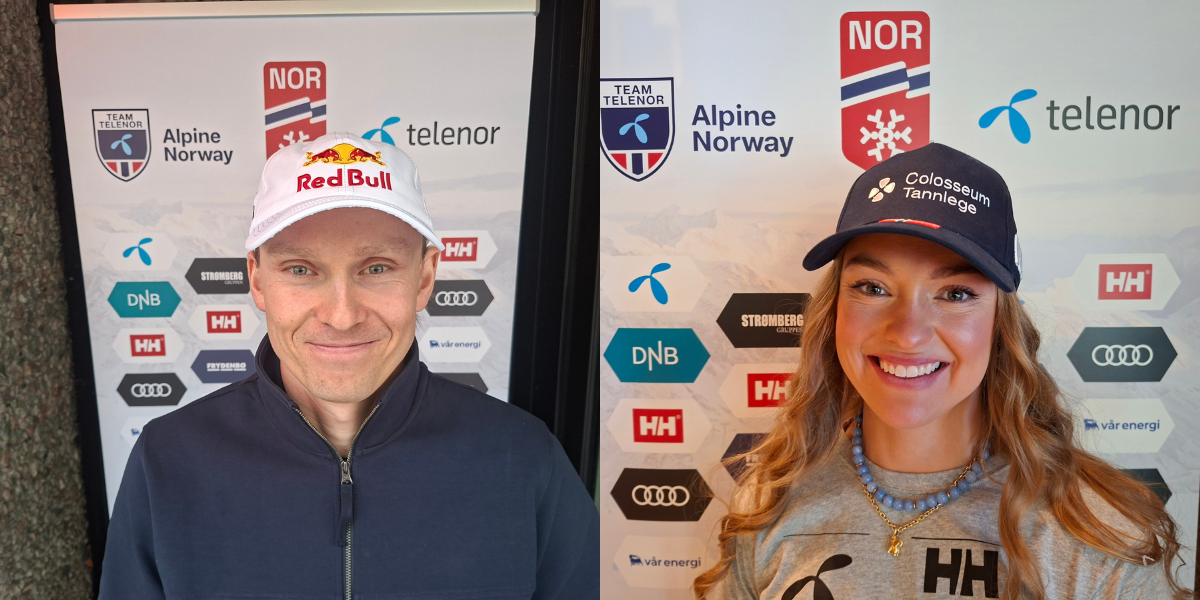
The new agreement introduces a hybrid commercial model. Under the terms, Red Bull has signed on as a team-wide partner, marking the first instance in which the beverage giant has sponsored an entire national alpine team rather than solely focusing on individual athlete endorsements. Crucially, the deal includes a provision that allows A-status athletes to sign individual marketing contracts with Red Bull—or other brands—to occupy the front of their helmets. To ensure the federation maintains its financial health, a revenue-sharing mechanism has been established: athletes who secure their own sponsors will retain 60% of the proceeds, while the remaining 40% will be funneled back into the NSF’s Alpine program.
A Chronology of Conflict and Compromise
The resolution of this dispute did not occur in a vacuum; it is the culmination of years of escalating tension that reached a boiling point in the mid-2010s. The most prominent flashpoint was the legal battle initiated by Henrik Kristoffersen in 2016. After years of failing to reach a private settlement with the NSF regarding his desire to display a personal sponsor on his helmet, Kristoffersen took the federation to the Oslo District Court. The legal proceedings highlighted a deep philosophical divide: the federation viewed the collective marketing rights as essential to the "team-first" funding model that supports grassroots development, while Kristoffersen and his supporters argued that individual marketability is an inherent right for professional athletes.
The court ruled in favor of the NSF in 2019, but the underlying resentment did not dissipate. The situation remained volatile, leading to high-profile departures and public criticism. In October 2023, the sudden resignation of superstar Lucas Braathen, who cited a lack of freedom and institutional friction as reasons for his departure, served as a catalyst for reform. Following Braathen’s exit and subsequent comments from veterans like Aleksander Aamodt Kilde regarding the need for modernizing the federation’s approach, the NSF found itself under mounting pressure to adapt to the realities of the modern sports economy.
Defining A-Status Criteria for the 2026-27 Season
The federation has coupled this new commercial freedom with more rigid performance criteria to define who qualifies for these elevated rights. For the 2026-27 season, an athlete must hold a top-15 ranking on the World Cup Start List (WCSL) in at least one discipline while also achieving an "Ironman" test score of 600, or alternatively, possess multiple championship medals. This season, 13 athletes have met these rigorous standards, placing them in the A-status bracket.
These criteria are designed to ensure that the individuals benefiting from the new commercial rights are the same individuals driving the team’s global media value. By formalizing this path, the NSF has created a meritocratic system that justifies the shift in rights while maintaining a standard of excellence that keeps the national team competitive at the highest levels of the sport.
Official Perspective: A Strategic Pivot
Alpine Director Claus Ryste, speaking to the media on October 7, emphasized that the new arrangement is not merely a concession to athlete pressure, but a strategic evolution of the federation’s business model. "The Red Bull deal is two parts: one, they sponsor everybody, and that’s a new thing. They haven’t done that with anybody else before," Ryste explained. "Secondly, they also go in and pick athletes, like they have done previously with other nations."
Ryste noted that the involvement of Telenor, the team’s longtime anchor sponsor, was instrumental in this transition. Telenor’s willingness to adopt a more flexible approach—allowing the front of the helmet to be ceded to an athlete’s personal sponsor while moving their own branding to the side of the headgear in accordance with FIS regulations—was key to the deal. "I see it as a win-win situation," Ryste added. "If the athletes are doing very well, then everybody will earn from this new type of sponsorship. The athletes get 60 percent of something they didn’t have before, and the federation gains a stronger budget to support the entire program."

The Athlete Experience: Shifting the Team Dynamic
For the athletes, the change is viewed as a long-overdue alignment with global standards. Atle Lie McGrath, a standout slalom specialist, expressed relief at the resolution. "It’s been a work in progress for many years, and finally we have the opportunity to settle it. Now, we’re on the same level as everyone else," he said during the team’s kickoff event in Oslo.
However, the culture within the Norwegian team remains deeply rooted in collective success. Thea Stjernesund, an Olympic silver medalist, provided insight into how the team perceives this newfound commercial autonomy. She stressed that the athletes are wary of any development that might erode the team’s spirit. "It’s not important for us to have that chance if it doesn’t benefit the team," Stjernesund stated. "It’s very important that even though you can have a personal benefit from it, it also goes to the federation. It gives a team feeling. The other girls on my team know that it benefits them too, if I get a good deal."
Broader Economic and Structural Implications
The 60-40 split serves as an economic bridge between the individual and the institution. By ensuring that a significant portion of personal sponsorship revenue supports the federation, the NSF is attempting to solve the "grassroots paradox." As former athlete Leif Kristian Nestvold-Haugen noted during the peak of the 2023 tensions, the survival of the national program depends on the success of its stars, but the stars themselves depend on the robust training and support infrastructure provided by the federation.
From a macroeconomic perspective, this move reflects a trend in professional skiing toward "athlete-as-brand" models. As the World Cup circuit becomes more commercialized, national federations that cling to restrictive, state-like control over athlete likenesses risk losing their best performers to private clubs or independent sponsorships. By decentralizing these rights, the Norwegian Ski Federation is essentially betting that a more autonomous, better-compensated athlete is a more productive and loyal asset.
The financial data suggests this is a prudent hedge. The combination of a top-tier global sponsor like Red Bull with the added incentive for personal marketing creates a total revenue pool that is significantly larger than what the federation could achieve on its own. While the administrative burden of managing these individual contracts will increase, the potential for growth in the total "sponsorship pot" is expected to offset these costs.
Looking Toward the Future
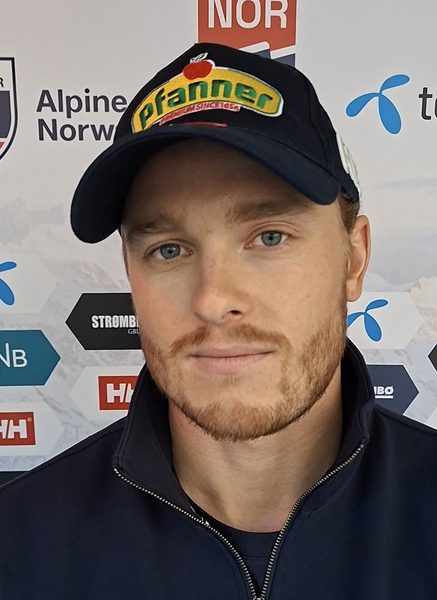
As the 2026-27 season approaches, the focus shifts to how these agreements will translate on the slopes. Henrik Kristoffersen, when asked if he felt he had finally "won" after his long campaign for these rights, remained characteristically measured. "Both yes and no," he remarked, noting that the true victory belongs to the younger generation of skiers who will not have to navigate the same adversarial path he once walked.
The resolution of this dispute marks a maturation of the Norwegian alpine program. It acknowledges that the era of strict, uniform control is coming to a close and that the future of national sports federations lies in their ability to act as platforms for talent rather than gatekeepers of opportunity. Whether this model can maintain the team’s historic solidarity while encouraging individual ambition remains to be seen, but for the Norwegian Ski Federation, the path forward appears both more profitable and significantly more harmonious.

