
For Dr. Grazielle “Grazi” Lorenzini Bertucci, the icy slopes of the Alps and the sweltering urban sprawl of São Paulo, Brazil, represent two disparate worlds—yet she has managed to forge an unlikely bridge between them. Growing up in a metropolis thousands of miles from the nearest snow-capped peak, Bertucci’s connection to winter sports was largely inherited, rooted in her Austrian father and northern Italian mother. However, as a physician specializing in sports medicine and rehabilitation, her interest in skiing has evolved beyond mere recreation. Today, she sits at the epicenter of a unique movement that is transforming how Brazilians interact with winter sports, utilizing high-tech indoor ski simulators to turn a geographically impossible hobby into a scientifically backed athletic discipline.
The integration of these simulators—specifically the advanced SkyTechSport systems—into the Brazilian fitness landscape marks a departure from conventional training. It is a development that has fundamentally shifted the narrative from "vacation-only" skiing to a year-round commitment to technical precision and physical longevity.
A Clinical Response to an Emerging Trend
The genesis of this shift was not found in the desire to launch a new athletic trend, but rather in a recurring clinical observation at Movitta, a physical therapy and rehabilitation clinic in São Paulo. For over a decade, staff at the clinic noticed a consistent pattern: a surge of patients presenting with preventable musculoskeletal injuries immediately following their return from international ski trips.
The data behind this phenomenon is stark. Brazilian skiers, who often live in tropical climates, typically spend only one or two weeks per year on snow. This "compressed" skiing window presents a unique physiological challenge. Without the ability to maintain the specific neuromuscular pathways required for skiing throughout the year, these athletes often arrive at resorts suffering from "vacation fatigue." After months of inactivity, the sudden physical demand of high-altitude sports, combined with a desire to maximize limited time on the slopes, creates a perfect storm for injuries—particularly those involving the knees, such as ACL tears and meniscus trauma.
Beginners faced a separate, equally pressing issue. Lacking any exposure to the biomechanics of edge control, weight distribution, or rotary movement, they were often forced to learn the basics in unpredictable, high-stakes mountain environments. The result was a high rate of early-trip injury that dampened the experience for thousands of Brazilian tourists annually.
Chronology of a Sporting Evolution
The turning point occurred in 2024, when Movitta made the strategic decision to integrate two SkyTechSport simulators into its clinical setting. This move was initially intended as a therapeutic tool to bridge the gap between traditional gym-based rehabilitation and the chaotic reality of mountain terrain.
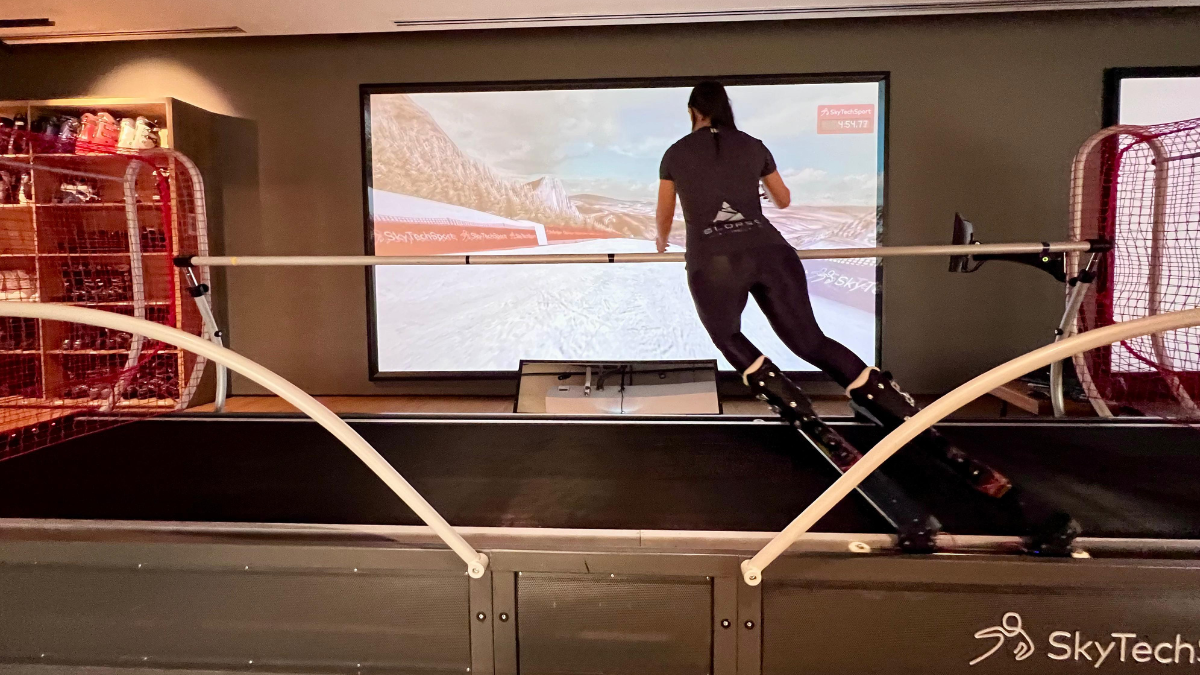
By 2025, the success of these machines in a medical context spurred a broader ambition. Jackson Rabello, founder of the Slopes Ski & Snowboard Club, observed that while the clinical results were promising, there was an untapped demand for a dedicated training facility that could cater to both recovering patients and healthy, performance-focused athletes. In July 2025, the Slopes Ski & Snowboard Club officially opened its doors, expanding the available infrastructure to four total simulators across the two locations. This development signaled a shift in the local sports culture: skiing was no longer a foreign event, but a trainable skill that could be honed within the heart of São Paulo.
The Biomechanics of Simulation
The efficacy of the SkyTechSport simulator lies in its ability to replicate the complex physics of skiing with high fidelity. Unlike standard fitness equipment, these simulators provide a platform for athletes to practice edging, fore-aft balance, and dynamic weight transfer in a controlled environment.
From a physiological standpoint, the benefits are quantifiable. Research conducted by U.S. Ski & Snowboard at their Center of Excellence has indicated that simulated slalom sessions can induce blood lactate profiles that closely mirror those of on-snow racing. This confirms that the simulator is not merely a balance trainer; it is a cardiovascular and metabolic tool that forces the body to engage the same muscle groups used in professional alpine competition.
Dr. Bertucci emphasizes that the simulator’s greatest value is its "bridge" function. "In a gym, you can build strength, but you cannot replicate the proprioception required for skiing," she explains. "The simulator allows for a controlled reintroduction to the sport after injury. We can adjust the speed, the rhythm, and the incline, allowing a patient to rebuild confidence without the variables of wind, poor visibility, or unpredictable terrain that one finds on a mountain."
Broadening the Horizon: Beyond Rehabilitation
While the initial impetus for the technology was medical, the implications for the wider Brazilian skiing community have been profound. At the Slopes Ski & Snowboard Club, the focus has expanded to include functional preparation—using trampolines and specialized balance equipment—to support the work done on the simulators.
For the recreational skier, the impact is significant. A client can now arrive at an alpine resort having already internalized the muscle memory required for carving and stopping. This reduces the "first-day lag" that plagues most vacationing skiers, allowing them to start their trips at a higher level of performance. Furthermore, for the "exercise-only" client, the simulator provides a high-intensity, low-impact workout that offers a refreshing alternative to traditional treadmill or cycle training.
Official Responses and Industry Perspectives
Representatives from SkyTechSport note that while rehabilitation was not their primary engineering focus, the industry’s adoption of their systems for recovery has been a testament to the versatility of the technology. The use of these simulators by elite athletes—such as U.S. Ski Team member Breezy Johnson—during her return to World Cup racing has served as a validation of the methodology.
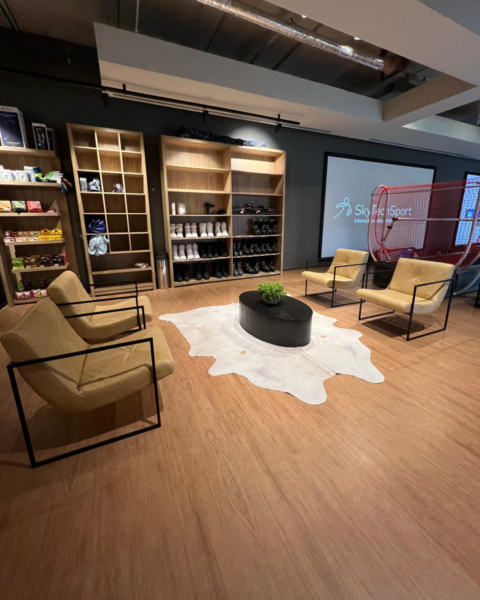
By providing a platform that can be configured for single-ski drills or even sit-skiing for adaptive athletes, the technology has transcended its original scope. It has become a standard-bearer for a more inclusive, data-driven approach to winter sports training. In the Brazilian context, the technology has effectively "democratized" the mountain, bringing the physical demands of the slope into a facility that can operate year-round, regardless of the climate outside.
Implications for Future Sports Development
The establishment of this specialized training ecosystem in São Paulo presents a compelling case study for other nations without access to alpine environments. It highlights the potential for "digital" or "simulated" sports to foster communities that were previously excluded by geography.
As the program continues to evolve, the focus is shifting toward data analysis. By tracking the progression of athletes and patients over several months, centers like Movitta and Slopes are building a database of biomechanical improvements. This information could eventually lead to standardized protocols for injury prevention that could be exported to other climates.
The paradox of a thriving ski culture in a tropical city is now being viewed less as a curiosity and more as a model for innovation. The mountain, while physically distant, has been rendered accessible through a blend of medical expertise and engineering. For those in São Paulo, the next ski trip is no longer a leap of faith into the unknown; it is the final step in a meticulously prepared athletic journey.
Conclusion: A Shift in Athletic Identity
The story of Dr. Bertucci and the rise of ski simulation in Brazil is representative of a broader shift in how modern sports are consumed and practiced. As technology continues to close the gap between reality and simulation, the limitations of geography are increasingly being challenged.
While no technology can fully replicate the sensory experience of carving through fresh powder at 10,000 feet, the ability to train the body for such an experience has fundamentally changed the landscape of the sport. For the patient recovering from an ACL tear, the simulator offers a path back to normalcy. For the beginner, it offers the gift of confidence. And for the city of São Paulo, it offers a new way to engage with a world that was once thought to be completely out of reach.
As this model gains traction, it is likely that other urban centers in non-alpine regions will look to the São Paulo experience as a roadmap. The integration of high-fidelity simulators into clinical and athletic settings is not merely a trend; it is a fundamental transformation of the athletic experience, ensuring that when the time comes to finally hit the slopes, the athlete is ready to perform, not just to survive. The mountain may remain thousands of miles away, but for the residents of this city, the movements of the sport are now as routine as any other daily activity.

