
The pursuit of untagged powder, remote alpine bowls, and spring corn descents has driven a massive evolution in human-powered winter mountaineering. As backcountry skiing continues its exponential growth in popularity, the gear engineered to tackle this unmitigated terrain has undergone a quiet revolution. Gone are the days when touring enthusiasts had to choose between agonizingly heavy alpine setups or fragile, paper-thin uphill gear that shuddered at the first sign of variable snow. For the 2027 season, equipment manufacturers have successfully bridged the gap between uphill efficiency and hard-charging downhill performance.
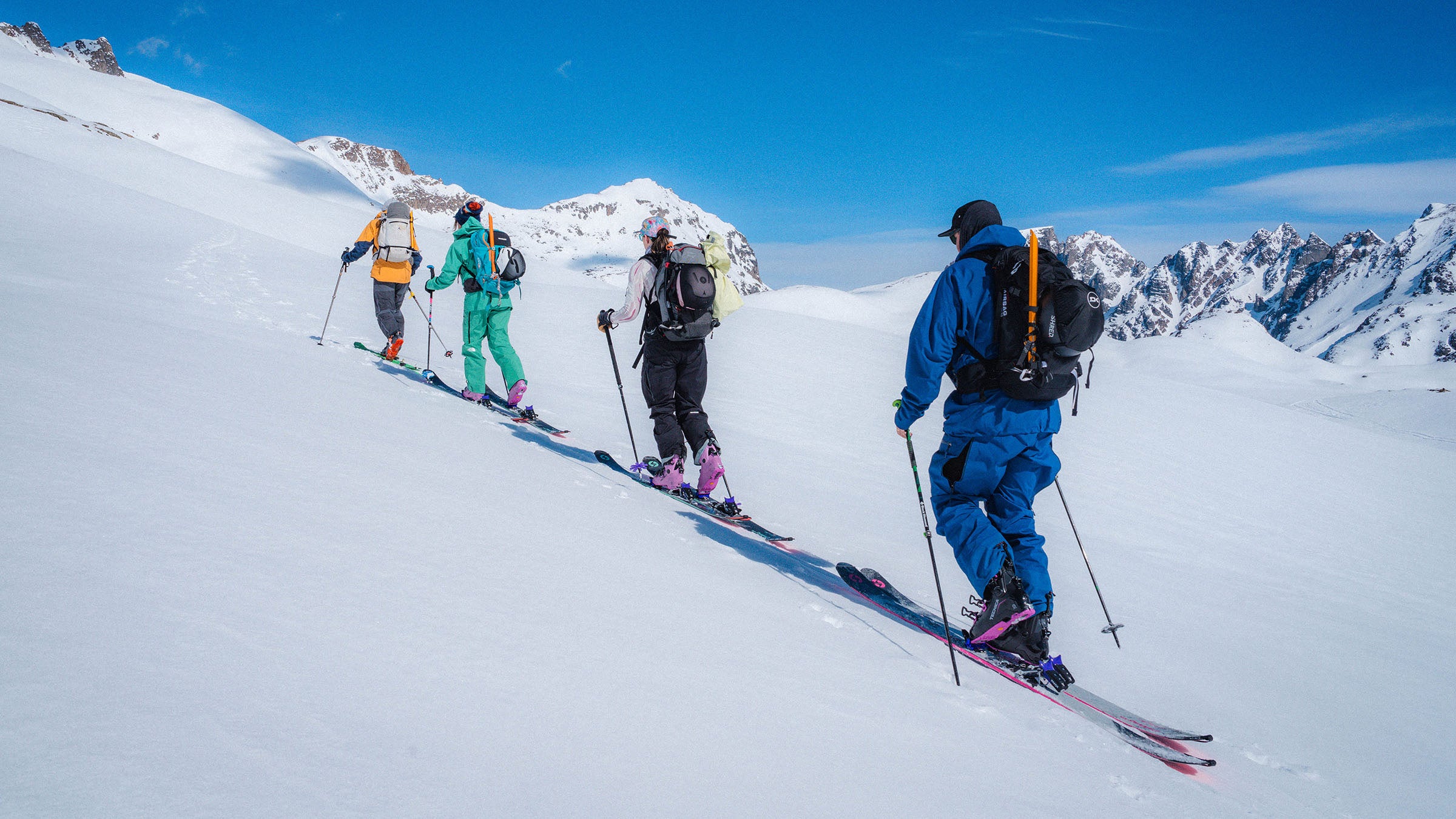
To determine which equipment truly stands out in the high alpine, a rigorous testing protocol was deployed over the course of the winter season. A dedicated team of professional testers evaluated 26 touring-specific models across diverse and demanding global mountain ranges, including California’s Sierra Nevada, the deep snowpacks of the Tetons and Utah, and steep technical lines in the European Alps and Norway. The findings culminate in the definitive 2027 guide to the best backcountry skis on the market, categorized by performance metrics, user profiles, and snow conditions.
The Evolution of Backcountry Skiing and Modern Gear Demands
Backcountry skiing—defined broadly as any travel outside resort boundaries where terrain is ungroomed and avalanche safety is self-managed—has transitioned from a niche mountaineering pursuit into a mainstream winter discipline. This shift has radically altered manufacturing priorities. Modern backcountry skiers demand equipment that minimizes fatigue on the grueling ascent while delivering absolute confidence on the descent, regardless of whether the snowpack consists of champagne powder, wind-scoured chalk, or heavy spring crud.
Industry analysts note that contemporary ski construction relies heavily on advanced composite materials. By integrating lightweight yet resilient wood cores—such as caruba, paulownia, and poplar—with carbon fiber layouts, basalt stringers, and localized Titanal reinforcements, brands are shaving grams without sacrificing torsional rigidity. The resulting skis generally feature waists ranging from 98 to 112 millimeters and average weights under 1,900 grams per ski, establishing the sweet spot for modern free-touring performance.
Top-Tier Rankings: The Best Backcountry Skis of 2027
Following months of exhaustive field testing and comprehensive scoring across eight distinct criteria—including flotation, crud performance, responsiveness, and forgiveness—six standout models emerged as the premier choices of the season, alongside four highly specialized alternatives.
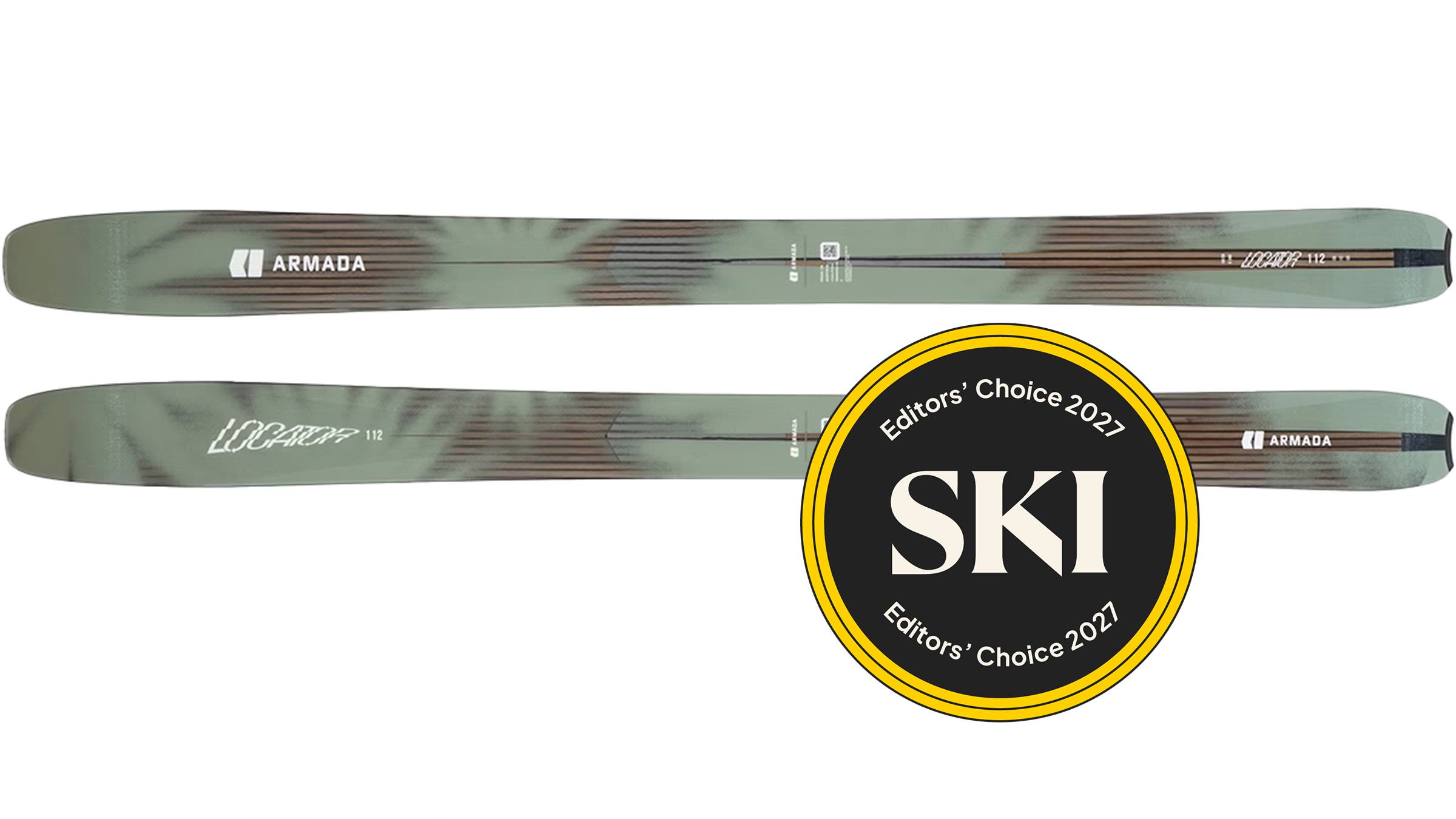
Editors Choice: Armada Locator 112
Establishing itself as the ultimate one-ski quiver for deep snow enthusiasts, the Armada Locator 112 captured the top honor for the 2027 season. Featuring a 112-millimeter waist and a featherlight weight of 1,575 grams per ski, it combines a responsive caruba core reinforced with carbon with a generous tip and tail rocker profile.
- Price: $950
- Dimensions: 136-112-128 mm
- Lengths: 166, 173, 180, 187 cm
- Pros: Exceptional float in deep powder; highly playful and responsive in variable snow.
- Cons: Less dependable on hard, firm snow; longer turning radius reduces agility in extremely tight tree runs.
Most Versatile: Salomon S/LAB QST Echo
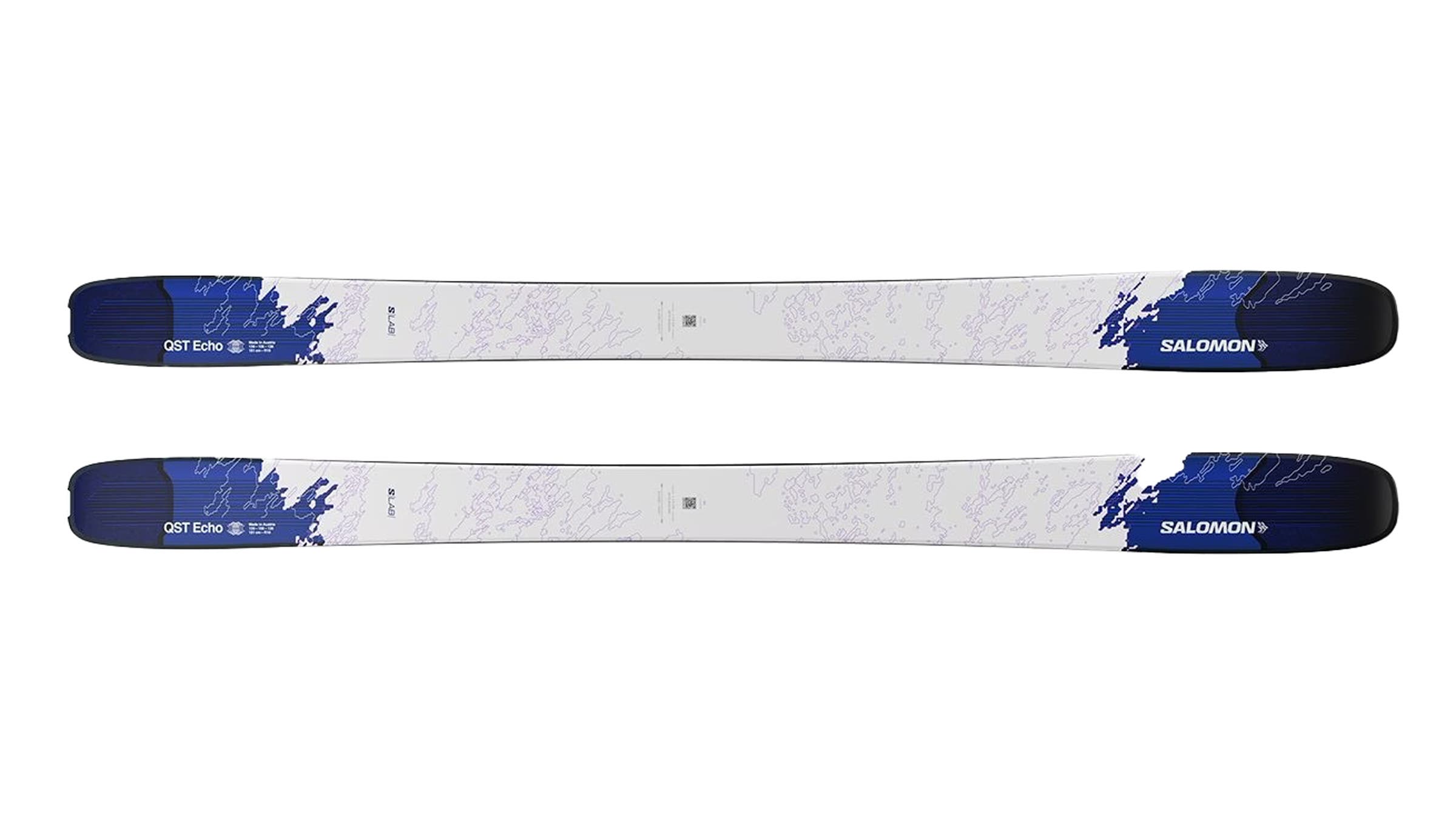
For skiers seeking a reliable daily driver that excels across diverse conditions ranging from wind-buff to spring corn, the Salomon S/LAB QST Echo remains a gold standard. Updated for 2027 with refined graphics and a dedicated skin-clip tail notch, the Echo borrows its shape from Salomon’s acclaimed all-mountain QST 106 line while shedding weight for the uphill.
- Price: $900
- Dimensions: 138-106-125 mm
- Lengths: 157, 165, 173, 181, 189 cm
- Pros: Outstanding maneuverability and surprising float for a 106mm waist.
- Cons: Slightly heavier at 1,700 grams per ski; can feel a bit twitchy at high speeds if mounted at the traditional factory line.
Best for Powder: Dynastar M-Tour 108
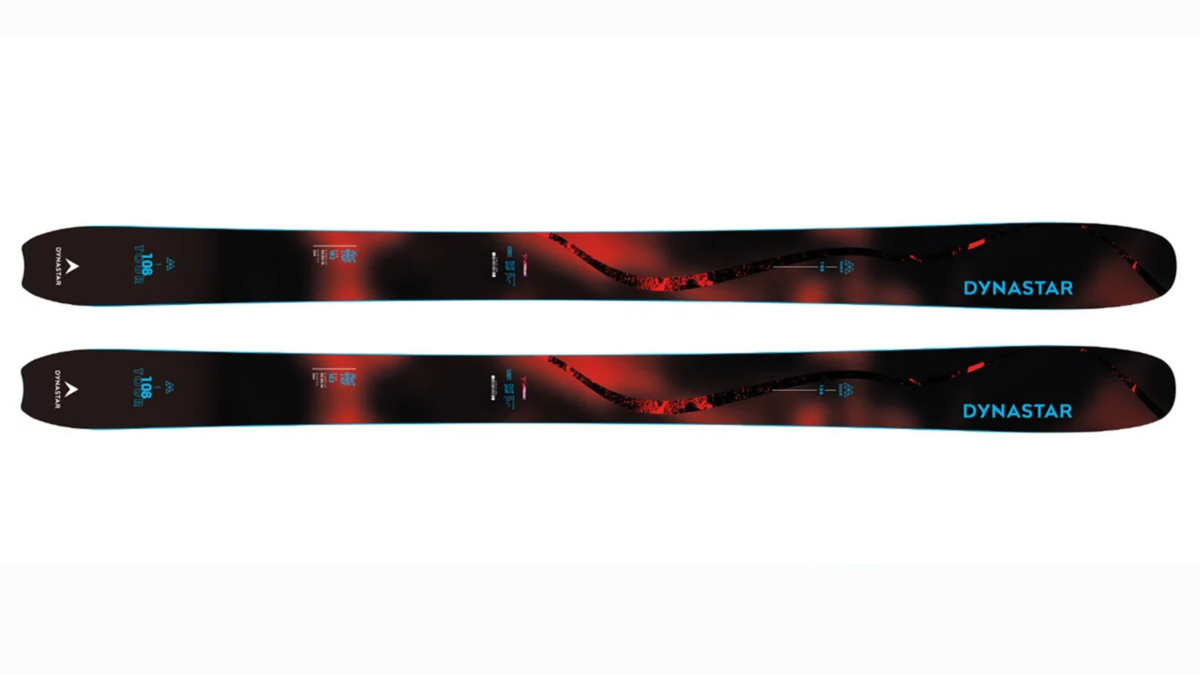
Engineered for human-powered freeride lines, the Dynastar M-Tour 108 represents the apex of the brand’s touring collection. Tested extensively in the Eastern Sierra, this lightweight freeride ski utilizes a poplar and polyurethane core paired with a flat tail design to maximize skinning efficiency and stability.
- Price: $850
- Dimensions: 135-107-125 mm
- Lengths: 171, 179, 187 cm
- Pros: Impressive flotation and energetic rebound in untouched powder.
- Cons: Requires an aggressive pilot in crud; prone to minor chatter at high speeds due to its lightweight build (1,480 g).
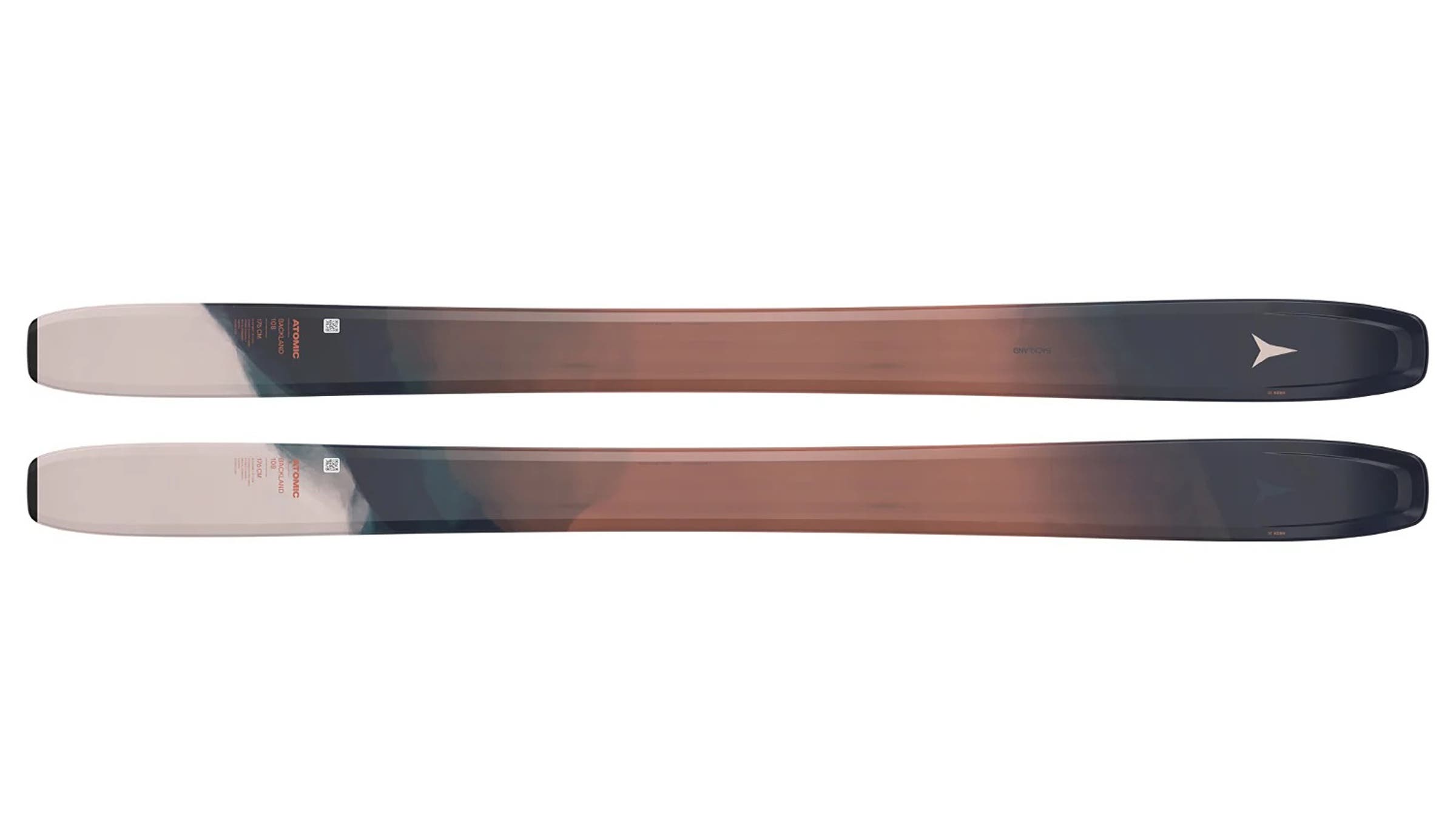
Best Women’s Backcountry Ski: Atomic Backland 108 W
The Atomic Backland 108 W continues its reign as the premier choice for female backcountry skiers navigating big mountain terrain from Utah to Japan. Utilizing Atomic’s HRZN 3D tip bevel to increase surface area without adding swing weight, it delivers uncompromising performance in deep snow.
- Price: $850
- Dimensions: 132-108.5-121 mm
- Lengths: 158, 167, 176 cm
- Pros: Exceptional float and predictable handling in challenging crud.
- Cons: Not recommended for novice skiers; demands a capable driver paired with a robust touring boot.
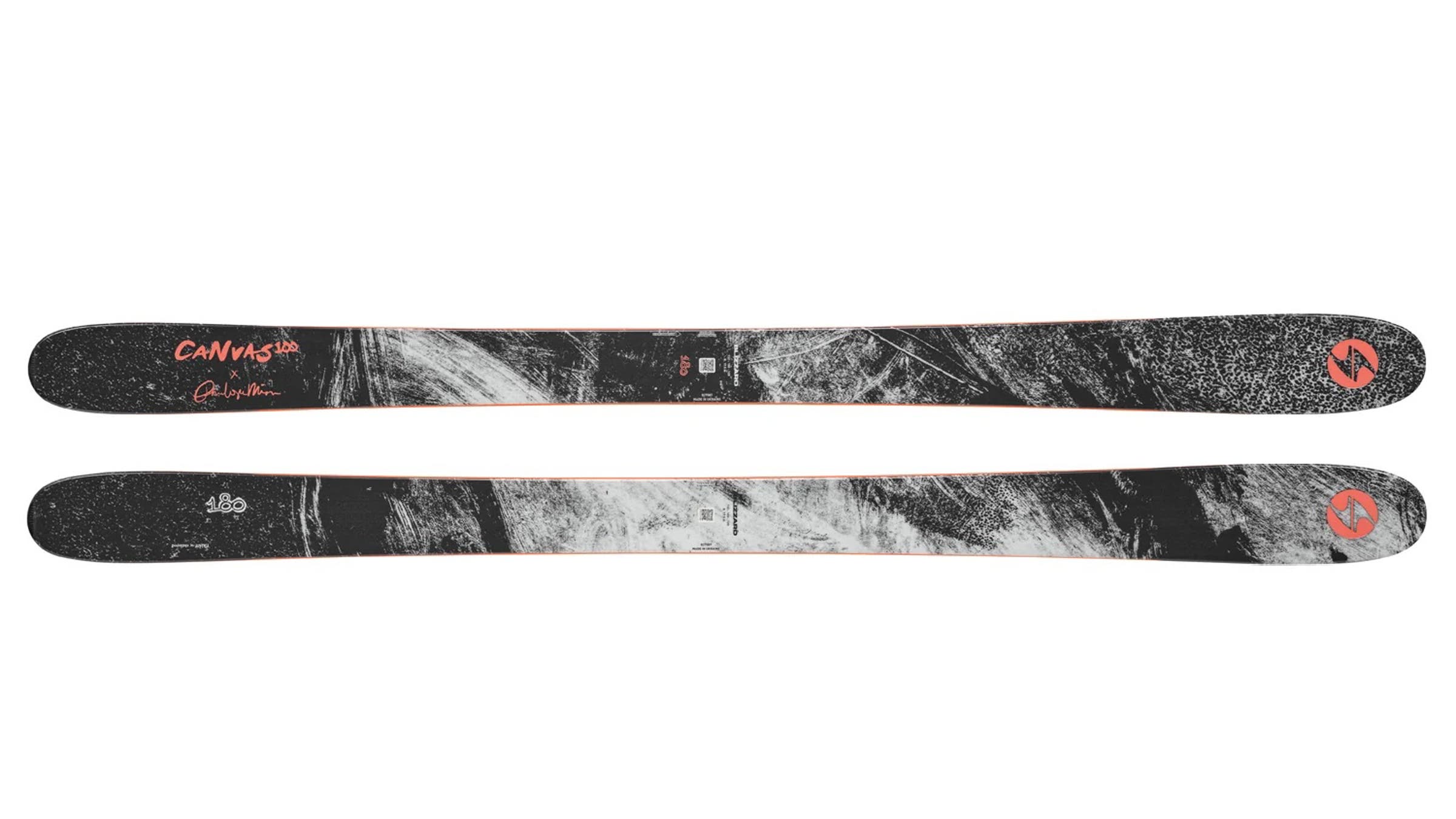
Most Playful: Blizzard Canvas 100
Breaking away from traditional directional construction, the Blizzard Canvas 100 introduces a freestyle-leaning, surfy ride to the backcountry. Its nimble nature and short turning radius make it an exceptional tool for tight chutes and natural features.
- Price: $700
- Dimensions: 132-100-120 mm
- Lengths: 162, 168, 174, 180, 186 cm
- Pros: Highly nimble in tight terrain and forgiving for intermediate skiers.
- Cons: Heavy rocker profile can make skinning on firm, icy traverses challenging; too narrow for bottomless storm days.
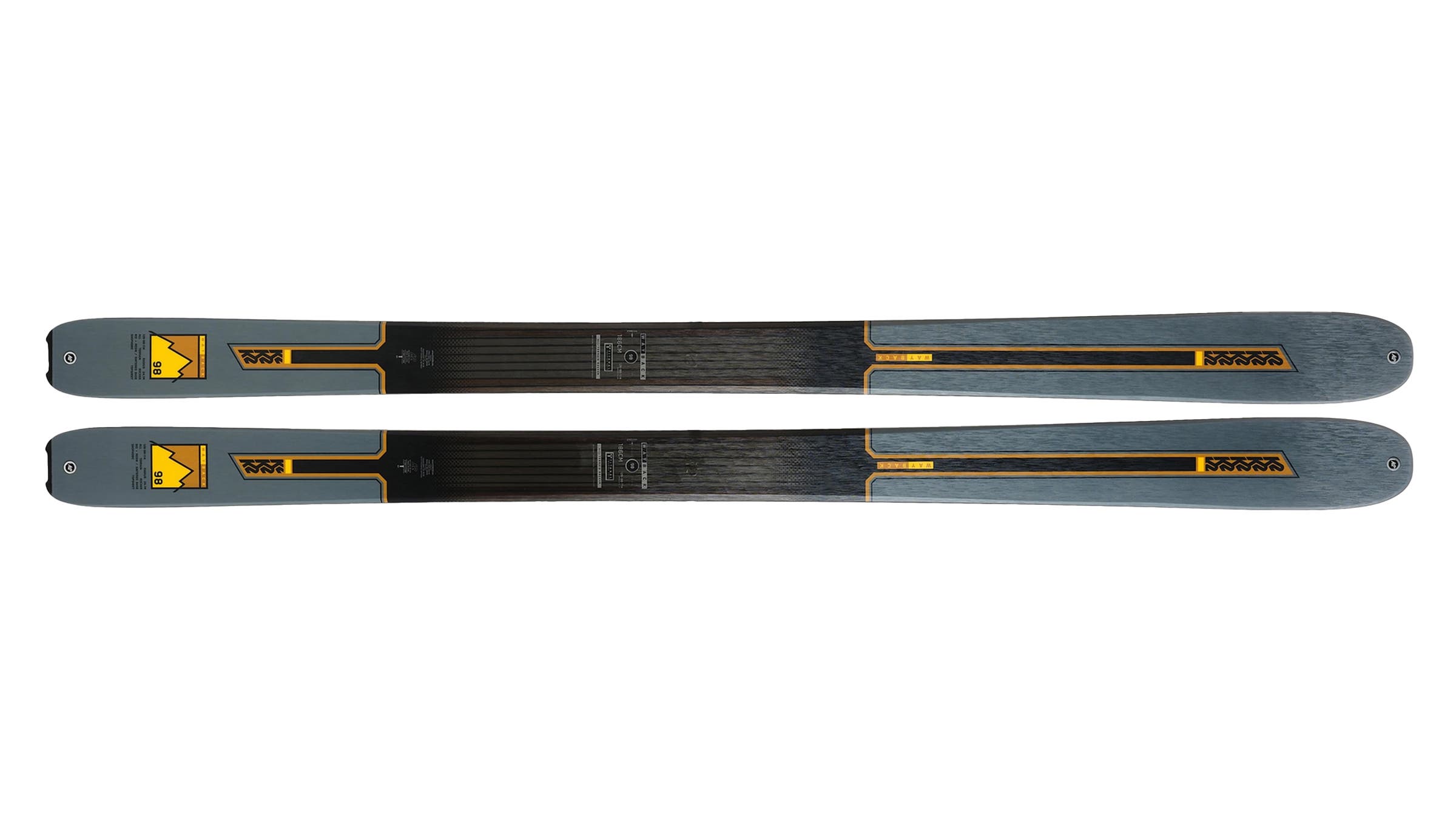
Best for Big Missions: K2 Wayback 98
For mountaineers prioritizing uphill efficiency and long traverses, the K2 Wayback 98 is the lightest model in the primary lineup, tipping the scales at just 1,390 grams per ski.
- Price: $800
- Dimensions: 126-98-114 mm
- Lengths: 165, 172, 179, 186 cm
- Pros: Exceptional edge grip on firm spring snow and unmatched uphill efficiency.
- Cons: Unforgiving and easily deflected in heavy, wet snow or deep crud.
Alternative Recommendations for Specialized Preferences
In addition to the primary category winners, test panels highlighted four alternative models that excel in specific performance niches:
- Black Diamond Helio Carbon 108 ($900 | 1,550 g): A midwinter daily driver praised for its energetic rebound and quick pivot in tree runs, though it lacks suspension in heavy or refrozen snow.
- 4FRNT Nevar ($850 | 1,740 g): Designed by pro skier Eric "Hoji" Hjorleifson, this is 4FRNT’s first touring ski featuring a cambered profile, offering superior hard-snow edge hold and stability at speed for aggressive skiers.
- Kästle TX107 ($900 | 1,520 g): Incorporating Kästle’s signature Hollowtech tip to reduce vibration, this ski offers intermediate to advanced tourers high maneuverability in soft snow, though it loses composure in refrozen crud.
- Völkl Rise V-Werks 99 ($1,250 | 1,640 g): A high-performance, expert-level tool featuring a multilayer wood core and full carbon jacket, built to excel on steep, technical lines where precision and high-speed stability are paramount.
Frequently Asked Questions
What differentiates a backcountry ski from an all-mountain resort ski?
Backcountry skis are specifically engineered to reduce weight for efficient uphill travel. They typically feature lighter wood cores, carbon reinforcements, and geometries optimized for variable backcountry snow conditions rather than groomed resort runs. While alpine skis can be mounted with touring bindings, their added weight significantly increases fatigue on extended ascents.
Can backcountry skis be used effectively at ski resorts?
While technically possible, using lightweight backcountry skis for aggressive resort skiing is generally discouraged. The lightweight construction, which often minimizes metal layers to save weight, makes touring skis more susceptible to chatter and deflection when subjected to high-speed turns on hard-packed, tracked-out resort snow.
How are backcountry skis tested?
Testing protocols involve distributing multiple pairs of skis to field testers in prominent mountain regions. Testers log at least a month of use per model, evaluating performance metrics across eight distinct criteria: flotation, crud performance, stability at speed, edge grip, responsiveness, maneuverability, forgiveness, and uphill efficiency.

