
The modern outdoor apparel market occupies a complex intersection of technical performance, cultural identity, and sustainable manufacturing. Within this competitive landscape, few brands have influenced winter sports style quite as definitively as Coal Headwear. Established over twenty years ago during a period when headwear was largely treated as an afterthought by major outdoor conglomerates, Coal emerged to bridge the gap between individual self-expression and functional alpine gear. Today, as the company maintains its position at the forefront of headwear design through advanced material science and deep community integration, an examination of its trajectory provides key insights into the broader evolution of snow sports apparel.
Market Context and Early Origins: 2002 to 2010
At the turn of the millennium, the snow sports industry experienced a stark division between high-performance technical outerwear and street-level fashion. Major manufacturers historically viewed beanies, caps, and balaclavas as minor accessories—low-margin add-ons intended to supplement core hardgoods like snowboards, bindings, and technical jackets.
In 2002, this industry stalemate prompted former professional snowboarder Brad Scheuffele to identify a significant commercial and cultural void. Observing that riders frequently relied on hand-knitted or custom-modified beanies to reflect their personal aesthetics rather than standard-issue helmet liners, Scheuffele launched Coal Headwear. The foundational premise was straightforward: headwear should serve as a primary extension of a rider’s identity while meeting the rigorous demands of harsh mountain environments.
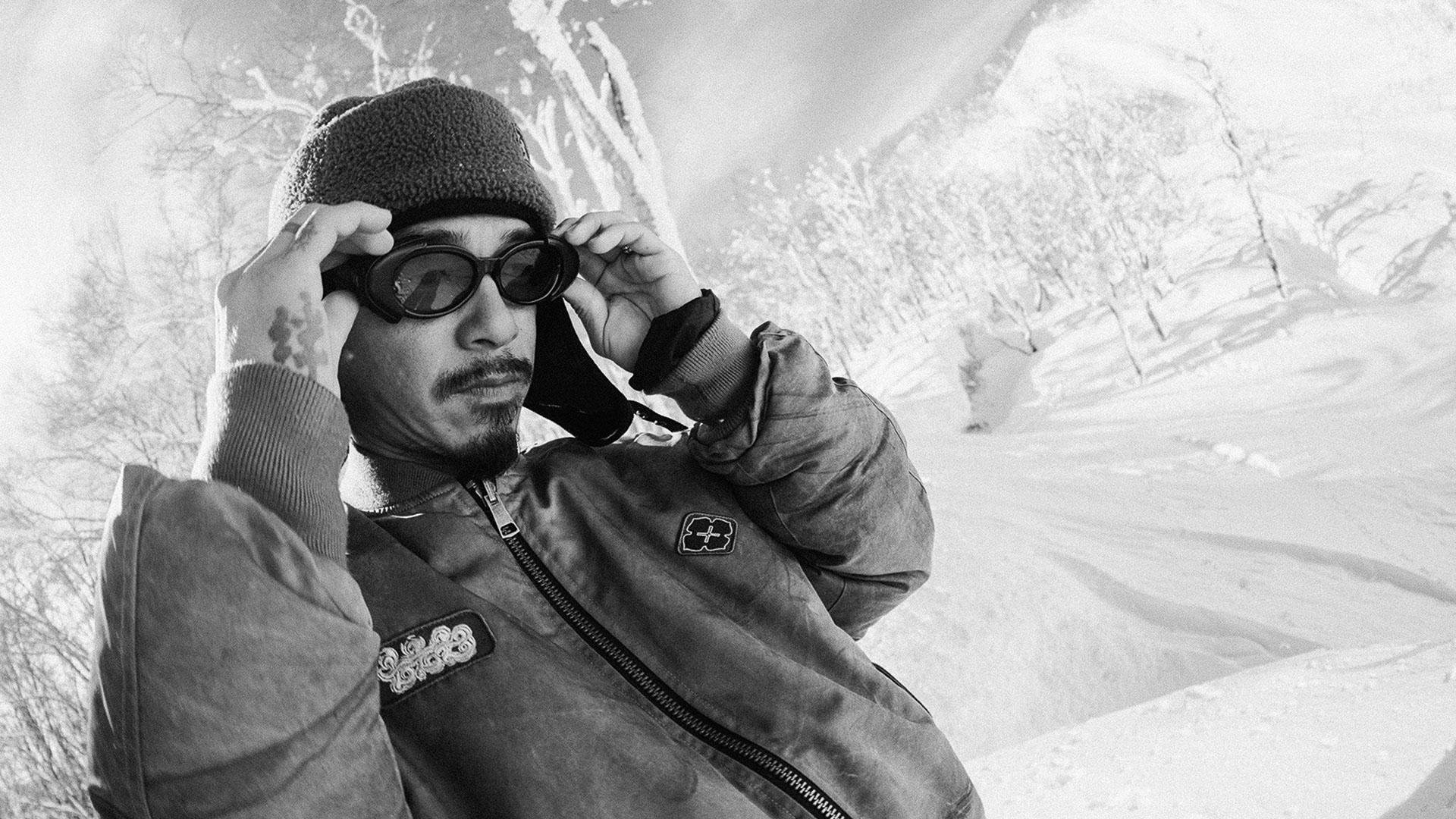
During its formative years, the brand navigated several distinct shifts in subcultural fashion. Throughout the mid-2000s, oversized silhouettes dominated winter apparel. As the decade progressed, a counter-movement popularized by the indie-hipster aesthetic ushered in a preference for tightly cropped, above-the-ears silhouettes. Rather than merely reacting to these trends, Coal actively contributed to their definition by refining knit densities, yarn weights, and panel constructions. This rigorous approach to research and development (R&D) established a standard of rider-driven design that distinguished independent soft-goods brands from large, multi-category corporations.
Chronological Growth and Product Evolution
As the brand matured past its initial decade, its product catalog expanded systematically from basic knit beanies into a comprehensive ecosystem of cold-weather accessories. This expansion was governed by an organic growth strategy that prioritized product utility over rapid commercial scaling.
By the 2010s, core staples such as The Uniform Beanie had achieved iconic status within the snowboarding community. Constructed with recycled fibers and featuring a distinct structural silhouette and patch logo, the product exemplified the minimalist design philosophy that a simple item, executed with meticulous attention to detail, maintains long-term market viability.
Simultaneously, the brand invested heavily in technical performance items for elite backcountry riders. A prominent example of this evolution is the TR Merino Balaclava, developed in collaboration with veteran professional snowboarder Travis Rice. Designed for extreme alpine conditions where equipment failure is not an option, the balaclava utilizes high-grade Merino wool. Industry analysts note that Merino wool has largely replaced synthetic alternatives in high-performance base layers due to its superior thermodynamic properties, natural odor resistance, and breathability under high exertion.

"Gear is only good if it disappears," Rice noted regarding the functional requirements of high-alpine equipment. "It’s got to work so well you forget it’s there."
Integrating advanced hinge constructions to accommodate varying weather conditions and high-output physical activity, products like the TR Merino Balaclava demonstrated Coal’s capacity to transition successfully from casual streetwear to elite technical mountaineering.
Demographics, Sizing, and Accessibility
A significant operational shift in the mid-2010s involved moving away from traditional gender-segregated sizing models in favor of a universal, silhouette-driven catalog. Recognizing that human cranial anatomy varies independently of marketing demographics, the brand restructured its offerings around specific fits, depths, and thermal weights rather than traditional men’s and women’s divisions.
This inclusive design framework extended into the youth market, where the development of specialized children’s gear yielded unexpected commercial success. Notably, youth iterations of items such as the Ridge Hood emerged as top-performing SKUs, indicating strong consumer demand for high-grade youth technical gear in a market segment historically underserved by premium outdoor brands.

Concurrently, the brand addressed gender disparities within action sports not merely through marketing campaigns, but through structural partnerships. Collaborations with professional rider Jess Kimura and support for initiatives like The Uninvited Project provided critical visibility and platforms for women in snowboarding, reflecting a broader industry push toward equitable representation.
Community Integration and Sustainable Manufacturing
Beyond product design, Coal’s market longevity is underpinned by an integrated approach to community stewardship and corporate responsibility. Rather than relying solely on traditional advertising, the company embedded itself within the cultural infrastructure of snowboarding through strategic partnerships with media platforms and non-profit organizations.
Key partnerships include serving as a title sponsor for industry-leading podcasts such as Chris Grenier’s Bomb Hole, as well as maintaining ongoing collaborations with advocacy groups including Boarding For Breast Cancer (B4BC) and Protect Our Winters (POW). These alliances align corporate operations with environmental advocacy and athlete-driven storytelling.
From a supply chain perspective, the brand has progressively phased in sustainable manufacturing practices. Modern product lines increasingly incorporate recycled polyester, certified organic cotton, and responsibly sourced wool. Furthermore, corporate manufacturing audits ensure that partner facilities comply with ethical labor standards and environmental regulations, responding to heightened consumer demand for supply chain transparency.

Analysis of Industry Implications
The trajectory of Coal Headwear offers several broader implications for the outdoor apparel sector. First, it demonstrates that specialized accessory brands can achieve market dominance by focusing intensely on niche product categories, provided they maintain authenticity within the core user base. Second, the shift toward sustainable materials—such as recycled synthetic blends and ethical wool—illustrates that environmental responsibility is no longer a peripheral marketing initiative but a baseline consumer expectation in winter sports.
As climate patterns continue to impact the winter tourism and snow sports industries, the demand for adaptable, durable, and ethically produced technical apparel remains robust. By balancing technical innovation with cultural relevance, Coal Headwear has transitioned from an independent cottage industry startup into a structural pillar of modern alpine apparel design.

