
The snowboarding industry has witnessed the rise and fall of countless designs over the past two decades, yet few models have maintained their relevance as steadfastly as the Burton Process. Even after more than ten years on the market, this freestyle-centric snowboard continues to feel remarkably fresh, serving as a staple in the brand’s expansive catalog. Designed to bridge the gap between park performance and all-mountain versatility, the Process has cultivated a loyal following among riders who prioritize a playful, dynamic approach to resort riding. Its enduring presence in snowboard shops worldwide underscores a rare achievement in product engineering: creating a high-end freestyle machine that remains accessible to intermediate riders while still satisfying the demands of seasoned professionals.
Market Positioning and Target Demographics
A comprehensive analysis of the Burton Process reveals that its widespread appeal is largely anchored by its extensive size range. In the manufacturing sector, offering a broad spectrum of sizing options is a definitive indicator of a crowd-pleasing product. While the snowboard is fundamentally classified as a freestyle board, its longevity is heavily attributed to how effectively its technical specifications translate to the entire mountain.
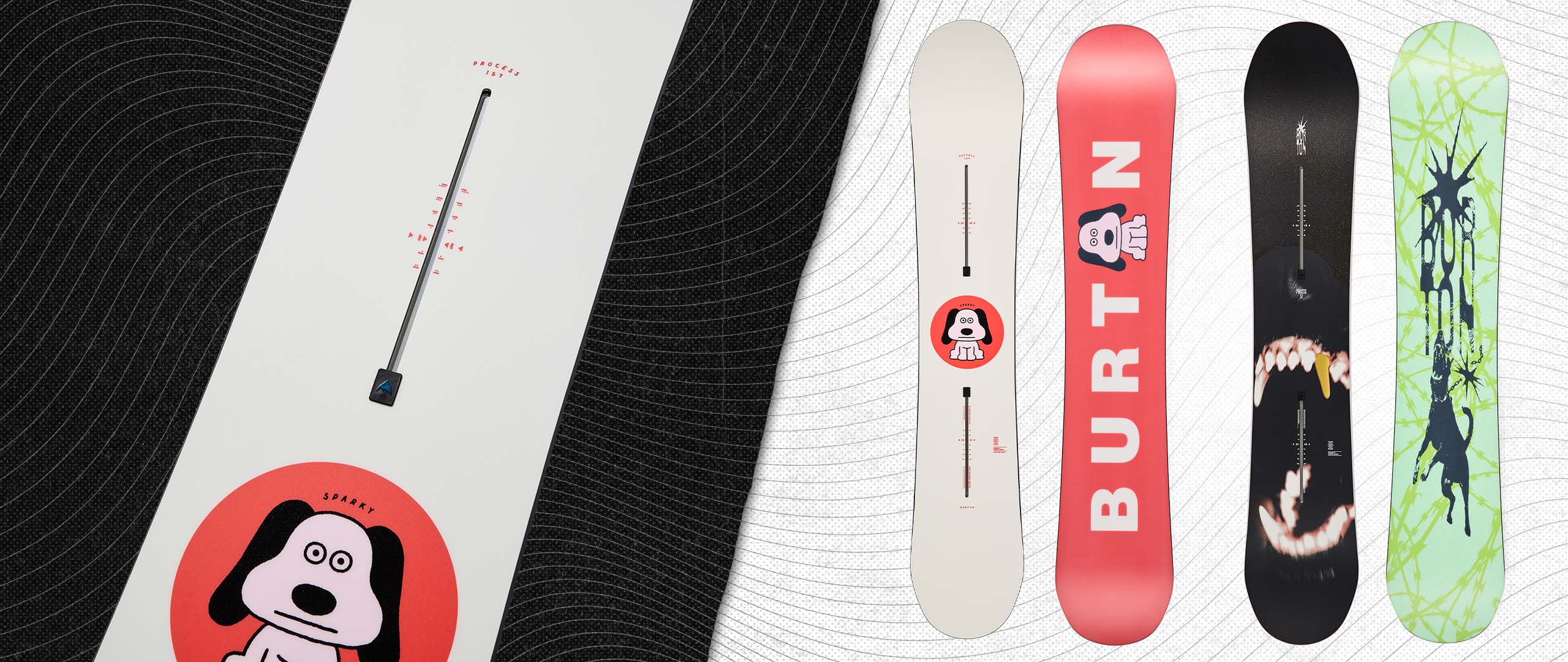
The target demographic for the Process includes riders who view the entire resort as an expansive playground. Whether executing side-hit maneuvers, buttering across groomers, or navigating natural terrain features, the board caters to a playful riding style. Market data from snow sports retailers consistently highlights that versatile twin-tip boards with accessible flex patterns consistently outperform specialized powder guns or ultra-rigid freeride boards in overall sales volume. By accommodating a wide audience—ranging from weekend enthusiasts to park rats—the Burton Process has secured a resilient market share that transcends fleeting industry trends.
Shape, Profile, and Biomechanical Performance
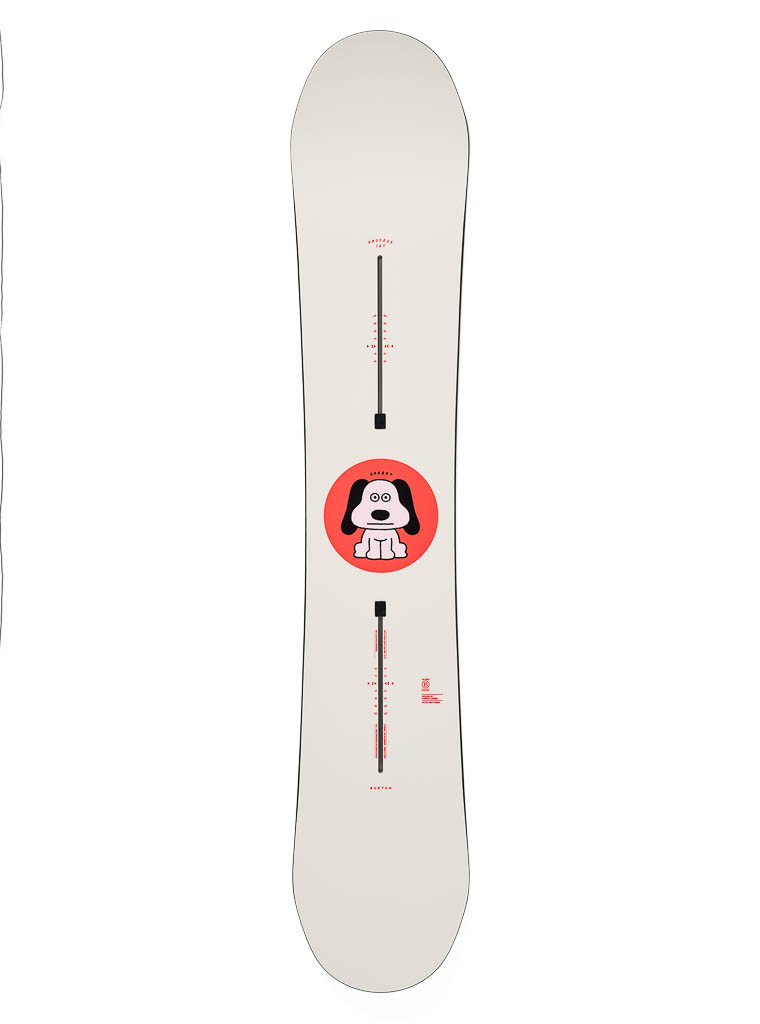
At the core of the Burton Process is a geometry meticulously engineered for freestyle progression. Both the shape and the flex profile are true 100 percent twin, allowing riders to switch stances effortlessly and expand their repertoire of tricks without mechanical hindrance. However, the engineering team at Burton implemented specific modifications to the traditional camber profile to enhance everyday ridability.
The camber bend is intentionally subdued, featuring flattened sections near the contact points at the tip and tail. Furthermore, the edges in these critical zones are slightly turned up, providing a forgiving buffer that mitigates the risk of catching an edge during box slides, rail entries, or flatland presses. This hybrid approach ensures that the board behaves as a precision instrument when the rider demands pop and carving power, yet remains forgiving and adaptable during low-speed maneuvers. The lively, lightweight core structure stores and releases energy efficiently, offering the snap expected from a cambered board without the punishing temperament often associated with aggressive park decks.
Advanced Construction and Materials Science
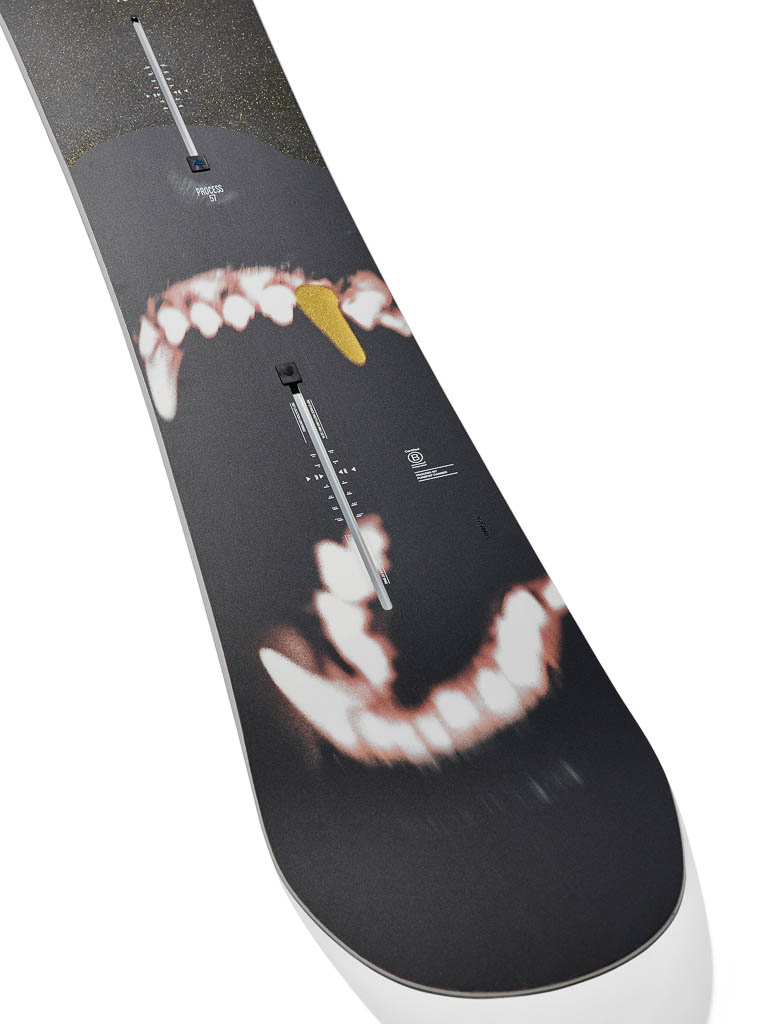
A closer examination of the materials science behind the Burton Process reveals a sophisticated approach to weight distribution and structural integrity. Following a design philosophy utilized across several elite Burton models, the wooden core features strategically varied thicknesses. The nose and tail regions are shaved down significantly to reduce swing weight, enabling quicker rotations and easier aerial adjustments.
Conversely, the core maintains a standard, robust thickness directly beneath the rider’s feet to absorb the high-impact landings typical of terrain park usage. Additional tapering along the profile establishes a longitudinal flex pattern that is forgiving without crossing into the territory of an overly soft "jib noodle."
Torsional rigidity is achieved through the integration of multiple layers of triax fiberglass, which increases the board’s stiffness from edge to edge. While this requires the rider to apply deliberate pressure to initiate turns, the payoff is substantially increased stability when approaching large park features, halfpipes, or steep lines. To assist with edge hold on hard-packed snow and icy surfaces, the board incorporates overbuilt edges that extend outward from beneath the bindings, biting securely into firm terrain.
In alignment with modern environmental standards, the Burton Process is manufactured using Super Sap, a bio-based resin that replaces traditional petroleum-based epoxies. This material shift reduces the carbon footprint associated with the manufacturing process without compromising the structural integrity, bonding strength, or longevity of the snowboard.
Chronology and Design Stability
The history of the Burton Process is characterized by remarkable design consistency. When tracing the technical specifications from its initial market release to the current lineup, industry observers often note how little the core recipe has changed. This stability is a testament to the initial engineering accuracy; once a high-end freestyle platform is perfected, substantial alterations risk alienating its core user base.
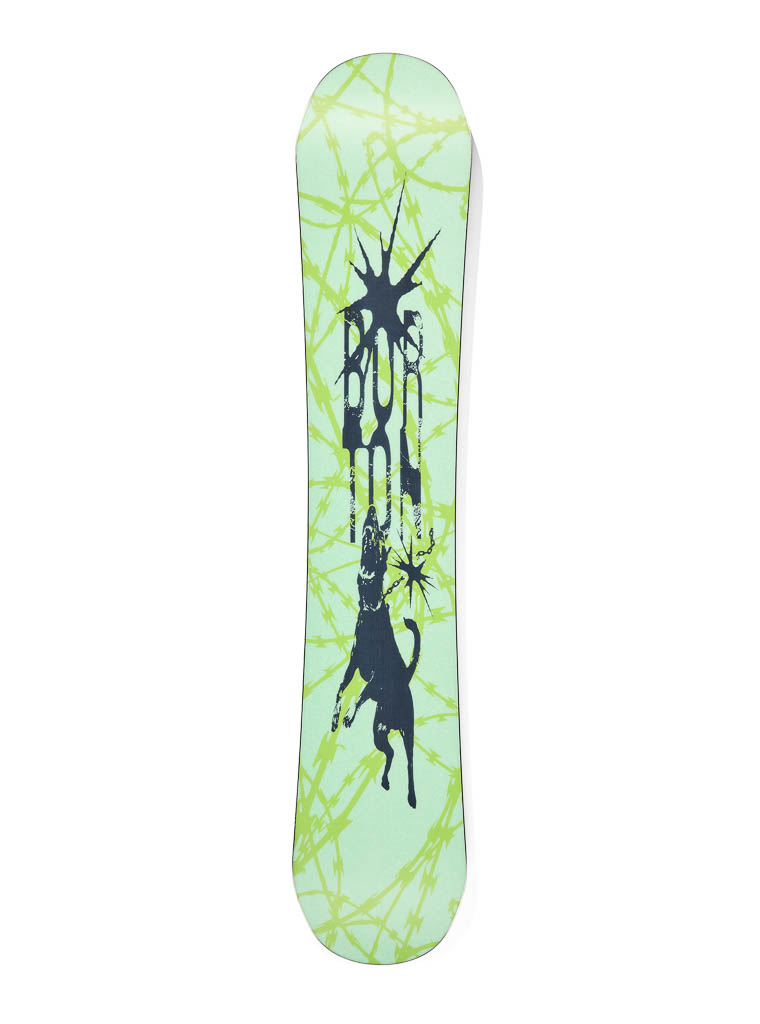
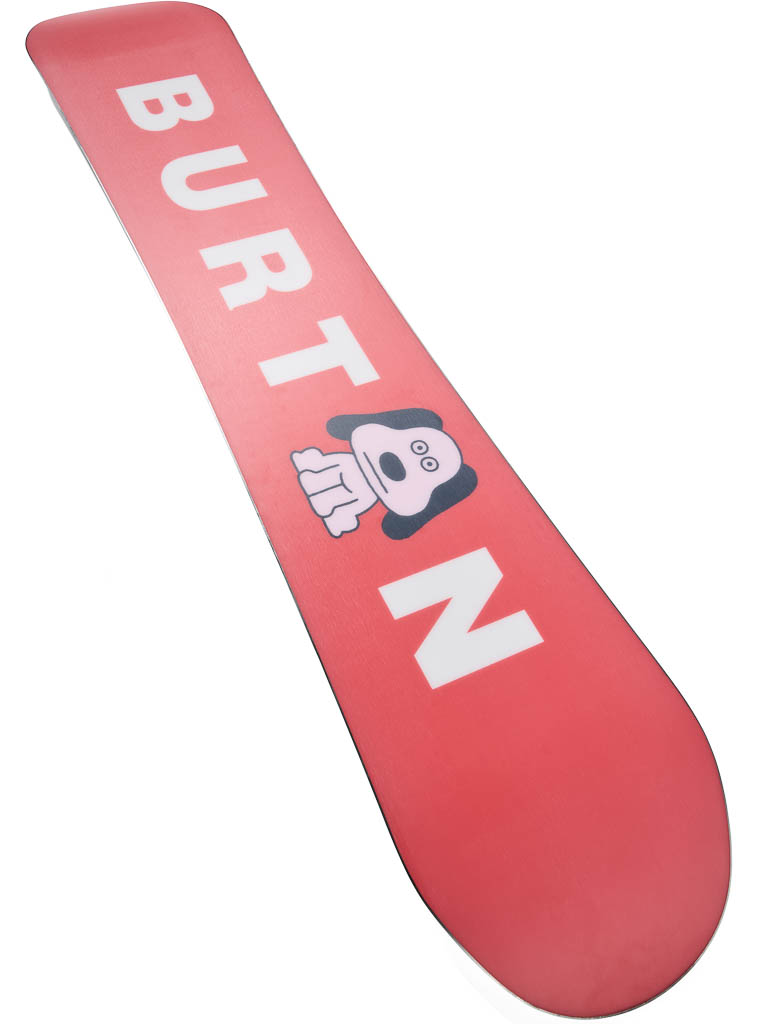
Throughout its decade-long production history, updates to the Process have been iterative rather than revolutionary. Minor refinements to core profiling, topsheet graphics, and resin chemistry represent the primary evolutionary steps. This steady approach has built substantial consumer trust, as buyers know that purchasing a modern Burton Process delivers the reliable performance characteristics that the model has established over generations.
Professional Evaluation and Field Testing
Field testing conducted across diverse snow conditions further illuminates the capabilities of the Burton Process. Professional riders and veteran gear testers have consistently praised its balance of snap, support, and edge grip.
Pat Nichols, a prominent snowboard tester, shared his evaluation of the board’s performance characteristics: "This is an absolutely perfect twin! It has a 12mm set back reference stance if you want it to be more directional on a powder day, but otherwise you can centre it to the side cut. It’s snappy, supporting, has great grip and is still pressable. It wants to go fast and have fun, and it encourages you to be playful at the same time."
Even when subjected to conditions outside its traditional design parameters—such as deep powder fields, which are rarely the natural habitat of a true twin freestyle board—the Process demonstrates surprising adaptability. Testers note that utilizing the setback stance option allows the board to plane effectively in fresh snow, broadening its utility for all-mountain exploration.
Broader Industry Implications and Future Outlook
The enduring success of the Burton Process offers valuable insights into consumer preferences within the snow sports manufacturing sector. As equipment becomes increasingly specialized, the market continues to reward products that refuse to be pigeonholed into a single category. By maintaining a design philosophy that prioritizes versatility, accessibility, and high-performance materials, Burton has established a benchmark for modern snowboard development.
As the industry moves forward, the demand for eco-conscious manufacturing practices combined with uncompromising performance will only intensify. The integration of bio-resins like Super Sap in the Process demonstrates that sustainability and elite functionality can coexist within mainstream product lines. For retailers, instructors, and consumers alike, the Burton Process remains a reliable standard against which other all-mountain freestyle snowboards are measured, ensuring its place on the mountain for seasons to come.

