
Wolf Rigs, a veteran-owned company based in Englewood, Colorado, is redefining the concept of mobile living with its flagship vehicle, "The Patton." This bespoke conversion transforms the formidable M998 High Mobility Multipurpose Wheeled Vehicle (HMMWV), commonly known as the Humvee, into a fully equipped, luxurious overland dwelling. The company’s ambitious project merges the rugged, go-anywhere capability of military hardware with the comforts and amenities expected of a high-end recreational vehicle, targeting a niche market of adventurers with discerning tastes and substantial financial means.
The genesis of Wolf Rigs and The Patton stems from a shared vision between two veterans who understood the inherent capabilities of the Humvee but also recognized its historical drawbacks. The company explicitly addresses the well-documented challenges associated with the HMMWV platform: its notoriously rough ride and a reputation for mechanical unreliability. According to Wolf Rigs, The Patton has been engineered to overcome these limitations, offering a significantly more refined and dependable experience than its military predecessor.
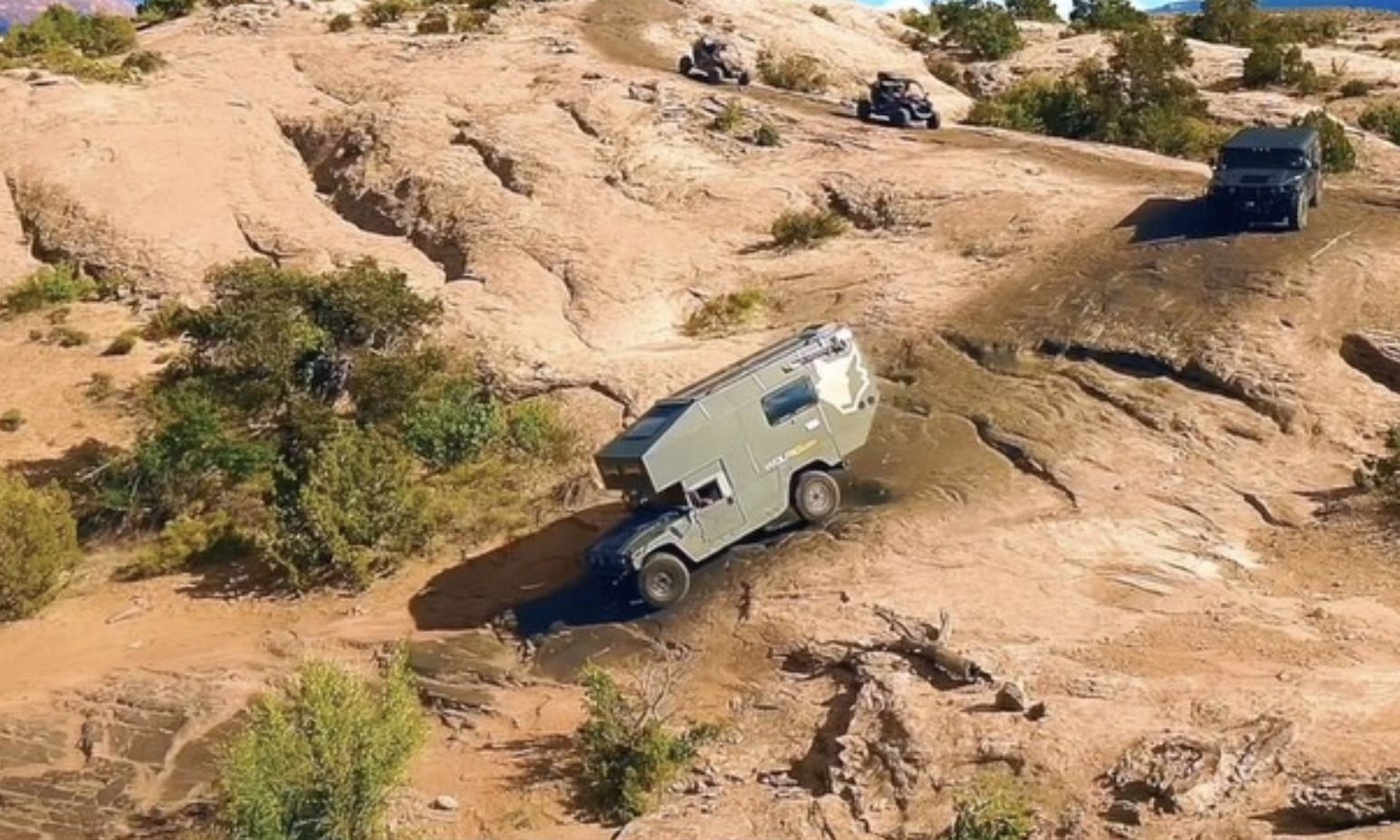
"The Patton was created to roam the earth," a company statement reads. "Two veterans from similar backgrounds came together to create the world’s first capable luxury off-road home on wheels. This is not your typical RV." This declaration underscores the company’s commitment to innovation and its departure from conventional RV design. The base model of The Patton commands a price of $350,000, positioning it as a premium product for a select clientele.
Addressing Reliability and Comfort
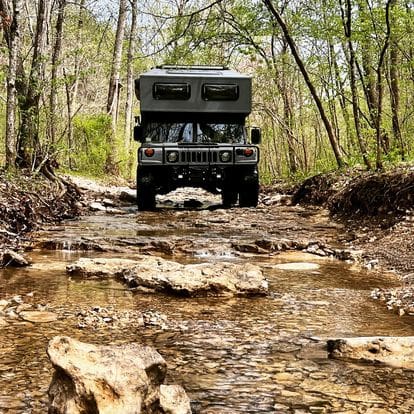
Wolf Rigs acknowledges the common perception of HMMWVs as unreliable and uncomfortable. They directly confront this in their company literature: "I can’t tell you how many times I see a veteran say, ‘I used to ride in those… always breaking and always a rough ride.’ As a Veteran myself, I know. The ride on your new Patton will not even resemble your memory of it. In fact, it is so comfortable I personally have taken it on many long road trips with a HUGE smile on my face and no problems. Even though we are only 8,700lbs dry, it is enough to mellow the springs out and give you a smooth ride. Now is this a ‘Cadillac’ smooth ride? No, if you’re looking for that, this is not your vehicle."
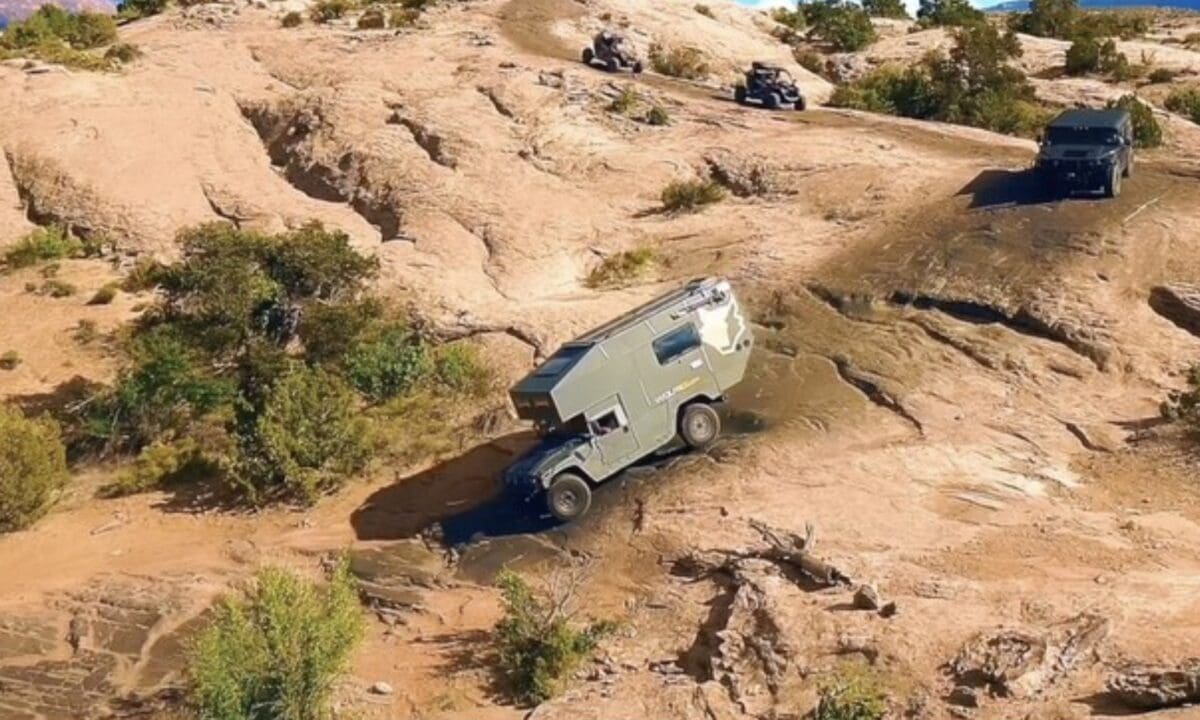
The company further elaborates on the reliability aspect: "To address the ‘always breaking’… remember, how you were at 18 years old? Remember how you drove? Yeah… These things were designed and built to take abuse. The problematic parts we swapped out for more reliable systems, i.e., the drivetrain." This suggests a strategic overhaul of critical components, focusing on enhancing durability and reducing the likelihood of breakdowns in remote or challenging environments.
The Patton’s extensive customization capabilities are a key selling point. The vehicle is equipped with what Wolf Rigs describes as "helicopter-rated sling hooks," a feature that allows for the potential air-dropping of the entire unit into extremely inaccessible locations. This capability, while perhaps niche, highlights the extreme off-road and expeditionary focus of the vehicle’s design. The interior is designed to provide all the essential comforts of home, including a functional kitchen and a complete bathroom, integrated seamlessly within the rugged chassis.
Timeline and Production
For prospective buyers, the current lead time for a Wolf Rigs conversion is between six to eight months. However, the company is actively working to optimize its production process with the goal of reducing this turnaround time to four months. This efficiency improvement is crucial for meeting demand and maintaining customer satisfaction in a market where expedition vehicles often involve significant waiting periods.
Technical Specifications and Features
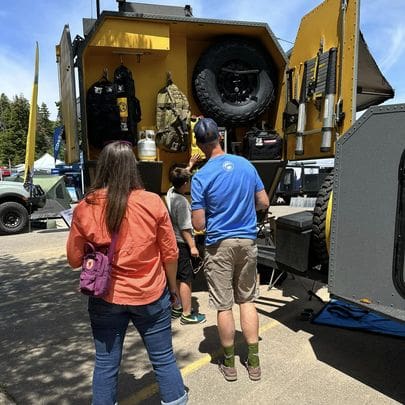
While specific details can vary based on customization, The Patton is built upon the robust HMMWV chassis, renowned for its exceptional off-road performance, including impressive approach and departure angles, ground clearance, and all-wheel-drive capabilities. The modifications made by Wolf Rigs aim to enhance both its operational efficiency and its suitability as a dwelling.
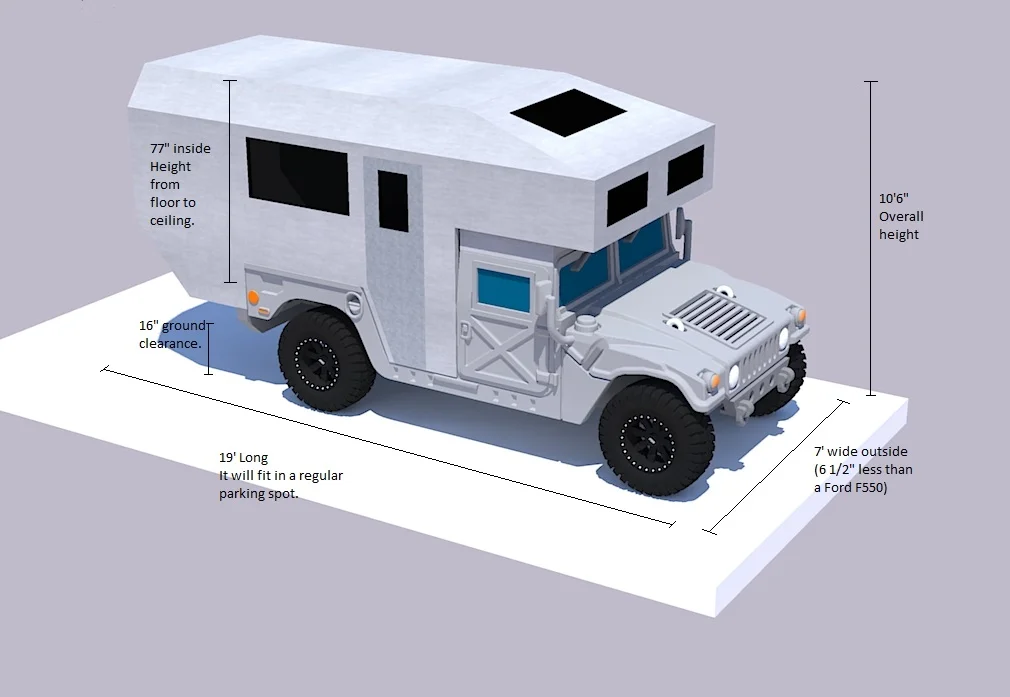
The "ambulance-style body" is a distinctive feature, suggesting a functional and spacious interior layout designed for living. The interior is appointed with amenities that transform the utilitarian military shell into a comfortable living space. This includes:
- Living Area: Designed for relaxation and socializing, likely featuring comfortable seating and storage solutions.
- Sleeping Quarters: Providing a private and comfortable space for rest, crucial for extended expeditions.
- Kitchen: Equipped with essential appliances such as a stove, refrigerator, and sink, enabling self-sufficient meal preparation.
- Bathroom: Featuring a toilet and shower, offering essential sanitation facilities in remote locations.
The systems integrated into The Patton are also critical to its functionality as an expedition vehicle. These typically include robust power systems (potentially solar and battery banks), water storage and purification systems, and climate control for operation in diverse environmental conditions.
The conversion process involves a meticulous reimagining of the HMMWV. Wolf Rigs targets common failure points in the original military design and substitutes them with more modern, reliable, and often more efficient components. This includes upgrades to the drivetrain, suspension, and electrical systems, ensuring that The Patton is not only capable of traversing difficult terrain but also of doing so reliably and comfortably.
Broader Implications for the Overland Industry
The emergence of companies like Wolf Rigs signifies a growing trend in the overland and expedition vehicle market. As adventurers increasingly seek to explore remote and challenging destinations, the demand for vehicles that blend extreme capability with home-like comfort is on the rise. The Patton represents a significant investment in this niche, pushing the boundaries of what is possible in custom vehicle conversions.
The success of The Patton could inspire further innovation in the industry, encouraging other manufacturers and custom builders to explore more sophisticated integrations of military surplus vehicles and luxury living amenities. It also highlights the entrepreneurial spirit of veteran-owned businesses, leveraging their unique experiences and technical knowledge to create distinctive products.

The high price point of The Patton reflects the extensive engineering, labor, and specialized components involved in its conversion. It caters to a market segment that values exclusivity, extreme capability, and bespoke design, setting a new benchmark for luxury expedition vehicles. As the overland community continues to expand, vehicles like The Patton are likely to play an increasingly important role in enabling ambitious adventures into the world’s most remote corners.

