
The Swiss Alpine tourism sector has reported a complex performance trajectory for the 2025-2026 winter season, characterized by significant volatility across different altitudes and regions. According to the latest seasonal monitoring data released by the Swiss Cable Car Association (SBS), visitor numbers recorded from the start of the winter through the end of the February school holidays were 3% lower than the exceptionally strong figures of the previous year. However, when measured against the broader historical context, the industry remains in a robust position, with first-time entries sitting 12% higher than the five-year average. This data, which synthesizes reports from over 120 member organizations across Switzerland, highlights a season of stark contrasts, where meteorological fluctuations and elevation have become the primary determinants of commercial success.
A Season of Meteorological Extremes
The 2025-2026 winter season began under challenging conditions, particularly for operators at lower elevations. The early months of the winter were marked by unseasonably mild temperatures, which hindered the base-layer snow production and limited the operational capacity of smaller resorts. This "mild start" put immediate pressure on the financial projections of mid-to-low-tier destinations that rely heavily on early-season momentum to secure holiday bookings.
The narrative of the season shifted dramatically in February 2026. A significant cold snap accompanied by heavy, widespread snowfall provided what industry analysts describe as "noticeable relief" for the sector. This period of intense winter weather was not uniform; it featured a prolonged window of heavy snowfall that reached even the lowest elevations of the Swiss plateau, followed immediately by a transition to spring-like conditions toward the end of the month. This specific weather pattern created a late-season surge in interest, particularly for day-trippers and domestic tourists who reacted to the improved conditions during the critical school holiday period.
Altitude as the Defining Factor in Resort Performance
The performance data for the period ending February 28, 2026, reveals a clear correlation between altitude and visitor retention. The "snow line" became a financial boundary for many operators.
Low-Altitude Resilience and February Recovery
Resorts located below 1,500 meters above sea level faced the most grueling start to the season. On average, these areas recorded an 8% decrease in visitor numbers compared to the same period in the 2024-2025 season. However, the February snowfall proved to be a transformative event for this specific segment. When isolated from the rest of the season, lower-altitude resorts actually recorded a 3% increase in February visitors compared to the previous February. This suggests that while these resorts are increasingly vulnerable to climate volatility, they remain highly popular with the public when conditions allow for local, accessible skiing.
Mid-Altitude Stagnation
Destinations situated at mid-elevations—between 1,500 and 2,000 meters—experienced a more consistent but slightly downward trend. These resorts registered a 3% to 4% decrease in visitors. While they were less affected by the early-season warmth than their lower-lying counterparts, they did not benefit as sharply from the "novelty" of the February snow, as their operations are generally more stable year-to-year.
High-Altitude Growth
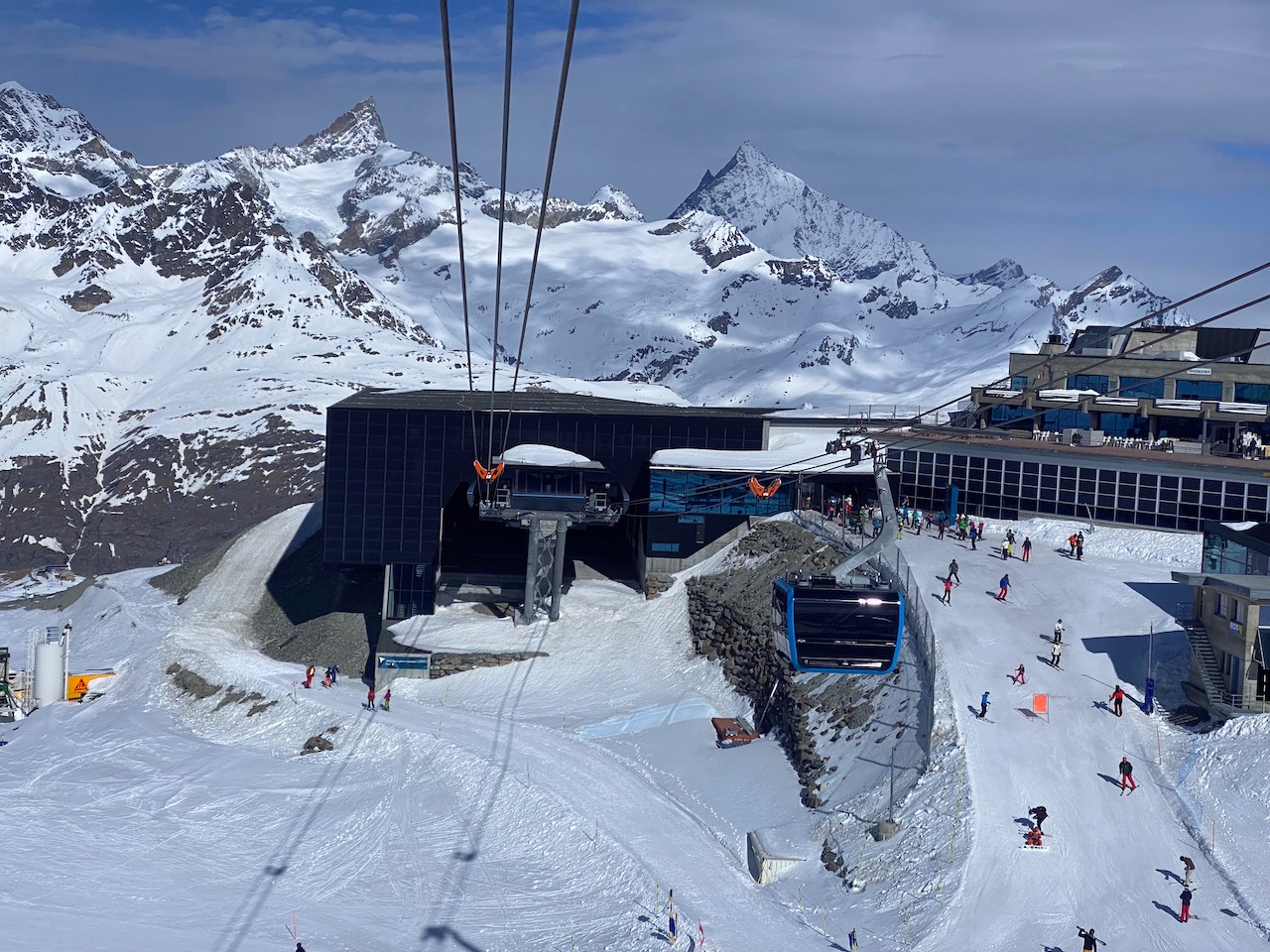
In contrast, high-altitude destinations (those with the majority of their infrastructure above 2,000 meters) demonstrated remarkable resilience and growth. These resorts were able to capitalize on their guaranteed snow cover throughout the mild start of the winter. While some high-altitude areas saw minor fluctuations due to the closure of certain facilities during peak summer weeks—an operational decision that impacted the year-on-year data—the overall trend for high-altitude skiing remains positive. These resorts have increasingly become the "safe bet" for international tourists and long-term bookings, shielding them from the immediate impacts of fluctuating temperatures.
Regional Disparities: From Valais to Ticino
The regional analysis provided by the SBS paints a "differentiated picture" of the Swiss landscape. The geographical distribution of snow and the varying infrastructure of Switzerland’s cantons have led to a wide range of economic outcomes.
- Valais: This region emerged as one of the season’s winners, showing a 2% increase in visitor numbers compared to the 2024-2025 season. Its concentration of high-altitude peaks and glacier skiing options allowed it to maintain a steady influx of tourists even when the lower valleys were green.
- Graubünden: The largest canton in Switzerland by area, Graubünden reported a "stagnation" at the high levels of the previous year. Given that 2024-2025 was a record-breaking year for the region, maintaining those figures is viewed by the SBS as a significant success.
- Eastern Switzerland: This region faced the most significant downturn, with a noticeable decrease of 11% in visitor numbers. The region’s reliance on lower-lying resorts made it particularly susceptible to the mild temperatures that characterized the first half of the season.
- Ticino: Perhaps the most surprising statistic in the report is the performance of Ticino. While its total volume is smaller than Valais or Graubünden, it recorded a staggering 23% increase compared to its five-year average. This suggests a revitalized interest in the southern Swiss Alps, potentially driven by improved transport links and targeted regional marketing.
Historical Context: The Five-Year Average
To accurately assess the health of the Swiss cable car industry, the SBS emphasizes the importance of the five-year average. This metric is crucial because it accounts for the anomalies caused by the COVID-19 pandemic and the subsequent "revenge travel" boom of 2023 and 2024.
The fact that the current season is 12% ahead of the five-year average suggests that the industry has successfully moved past the pandemic-era slump and has established a new, higher baseline for visitor volume. Even with a 3% year-on-year dip, the 2025-2026 season is objectively successful by historical standards. This growth is attributed to massive investments in snowmaking technology, more efficient lift systems, and the professionalization of "four-season" mountain tourism.
Official Industry Perspectives
Berno Stoffel, the Director of Swiss Cableways, remains optimistic about the remainder of the season. In a statement following the release of the February data, Stoffel highlighted the strategic shift toward event-based tourism to complement traditional snow sports.
"We hope that the warmer temperatures combined with the abundant snow will attract many more snow sports enthusiasts to the mountains," Stoffel remarked. "The companies are offering fantastic programs with numerous festivals and concerts in March and April. The goal is to transform the mountain experience from a purely athletic pursuit into a holistic leisure and cultural event."
Stoffel’s comments reflect a broader industry trend: the "festivalization" of the Alps. By scheduling high-profile music events and gastronomic festivals in the late season, resorts are attempting to extend the profitable window of operation into the spring, mitigating the risks posed by early-season snow shortages.
Analysis of Implications and Future Outlook
The data from the 2025-2026 season serves as a harbinger for the future of Alpine tourism. Several key implications can be drawn from the SBS report:
- The Consolidation of High-Altitude Dominance: As climate patterns become more erratic, the economic gap between high-altitude and low-altitude resorts is likely to widen. High-altitude resorts are increasingly seen as premium assets, while lower-altitude areas may need to pivot toward non-skiing activities, such as mountain biking and hiking, to remain viable.
- Investment in Artificial Snow: The "recovery" seen in February was aided significantly by the ability of resorts to hold onto fresh snow using a base of artificial snow. Continued investment in energy-efficient snowmaking will be a prerequisite for any resort below 2,000 meters.
- The Shift to Dynamic Pricing: Many Swiss resorts have adopted dynamic pricing models similar to airlines. The 3% dip in visitor numbers may not necessarily translate to a 3% dip in revenue, as many operators have successfully increased the "per-visitor yield" through premium services and flexible ticket pricing during peak demand periods like the February holidays.
- Operational Flexibility: The success of the February "relief" period underscores the need for resorts to be operationally agile. The ability to open more runs and staff up quickly when the weather turns favorable is becoming a critical competitive advantage.
As Switzerland moves into the final months of the 2025-2026 winter season, the focus shifts to the "Spring Skiing" window. With a solid base of snow currently sitting on the upper slopes and a calendar full of promotional events, the industry is positioned to close the 3% gap and potentially match the record-breaking performance of the previous year. The resilience of the Swiss cable car industry, despite a "challenging" start, demonstrates the enduring appeal of the Alps and the strategic depth of its tourism infrastructure.

