
Among the prominent resorts set to close their lift networks this Sunday are Val Thorens, Tignes, Val d’Isère, and Argentière (Chamonix) in France, alongside Ischgl in Austria, Cervinia in Italy, and the Pitztal Glacier in the Austrian Tyrol. The simultaneous closure of these high-capacity domains signals the definitive end of the mass-market winter season, shifting the focus of the mountain tourism industry toward summer mountaineering, cycling, and limited-access glacier skiing.
Current Conditions and Meteorological Patterns
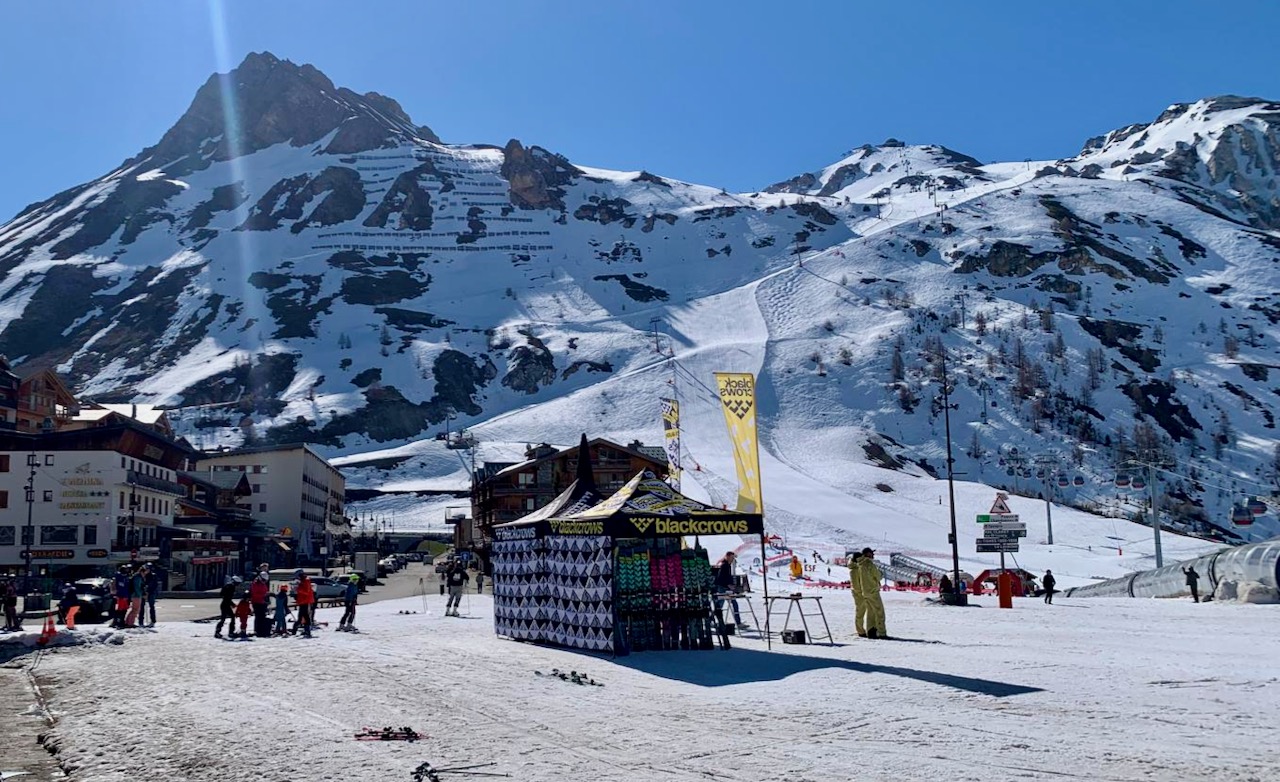
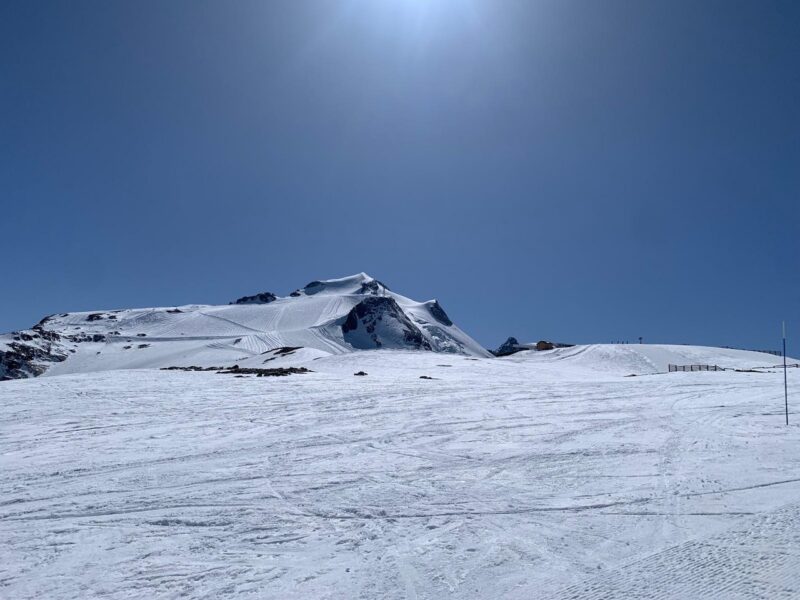
As of late April 2026, the meteorological narrative across the Alps has been dominated by a classic freeze-thaw cycle. Field reports from the Tarentaise Valley and the Espace Killy indicate that while snow depths remain substantial for the time of year, the texture of the snowpack is undergoing rapid transformation. During the overnight hours, clear skies and radiating heat allow the snow surface to refreeze, creating very firm, almost icy conditions during the early morning hours.
Industry observers and frequent skiers in the region, including long-term seasonal analysts, report that slopes are transitioning to "spring snow" by mid-morning. South-facing slopes are the first to soften under the intensifying spring sun, providing excellent carving conditions for a narrow window between 10:00 AM and 1:00 PM. However, by the afternoon, lower-altitude runs and those with direct solar exposure are becoming increasingly heavy and "slushy," a standard characteristic of the late-season alpine environment.
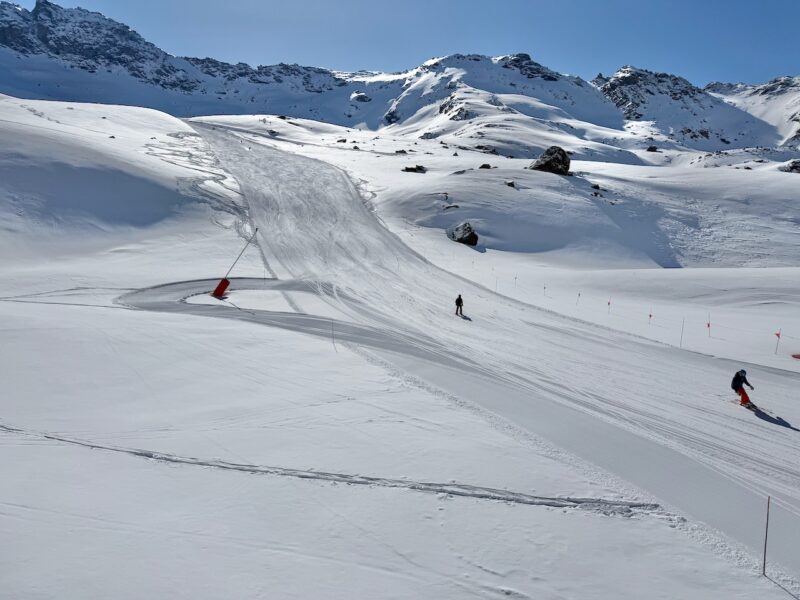
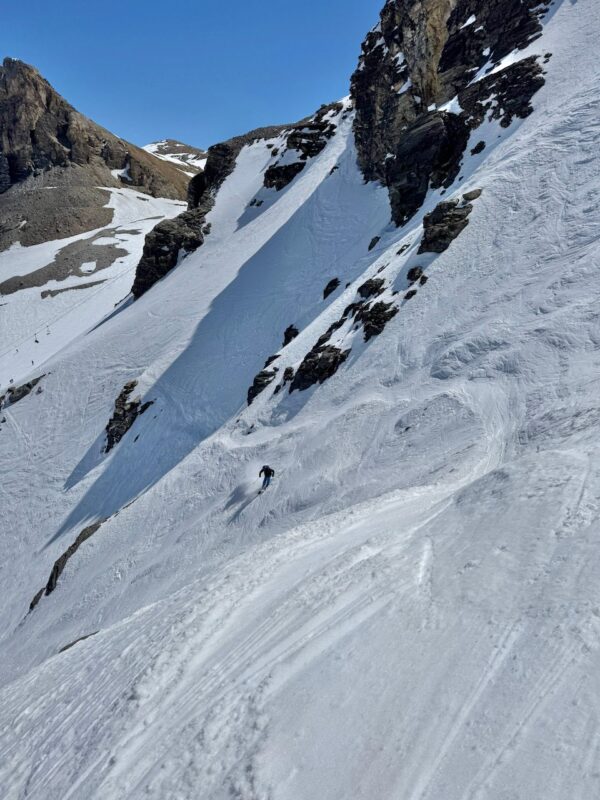
In Tignes and Val d’Isère, the snowpack remains deep enough to support full navigation of the upper mountains, though lower-lying sectors are beginning to show the effects of the spring thaw. David Morgan, a veteran skier currently stationed in Tignes, noted that while the pistes are hard-packed at the start of the day, the off-piste sectors still hold "good spring snow pitches" for those with the technical skill to time their descents with the softening of the crust.
Economic Data and Resort Occupancy Trends
The closing week of the season is traditionally a period of low commercial density, and the 2026 data reflects this trend. Current figures indicate a significant drop in resort occupancy as the primary European school holiday periods have concluded. In Tignes, occupancy is currently recorded at 34.5%, while neighboring Val d’Isère reports a lower figure of 29%.

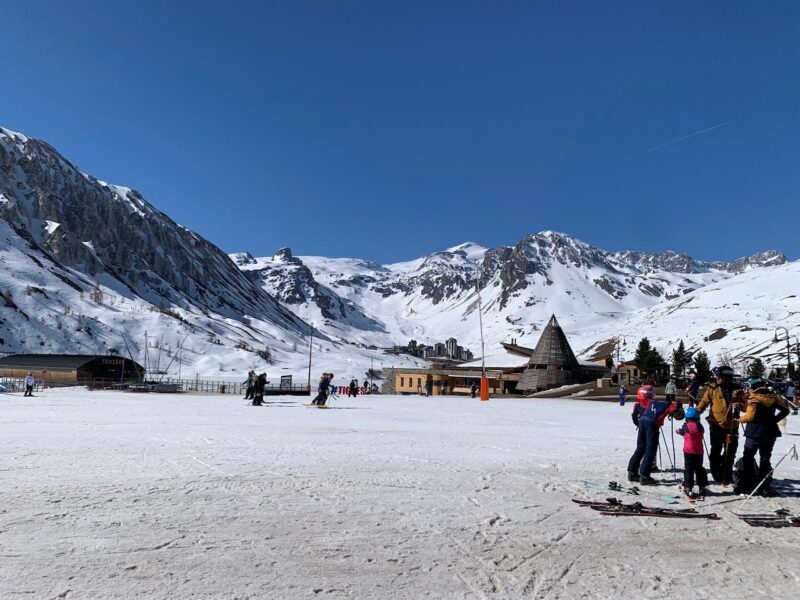
These statistics have immediate operational implications for the resorts. In Tignes, the Les Brévières sector—the lowest point of the resort at 1,550 meters—has already seen a wind-down of services, with many satellite bars, restaurants, and local businesses closing their doors ahead of the official May 3 lift shutdown. This phased withdrawal of services is a strategic move by resort operators to manage overhead costs during a period where the volume of skiers no longer justifies the full operation of the lift network and hospitality infrastructure.
The lower occupancy rates offer a different experience for the "end-of-season" demographic, which typically consists of locals, seasoned enthusiasts, and touring skiers. The absence of lift lines and the relative solitude on the upper glaciers provide a stark contrast to the peak weeks of February and March. However, the economic reality for these mountain communes is a pivot toward maintenance and the preparation for the summer season, which is becoming increasingly vital to the year-round viability of alpine economies.
Chronology of Closures and Transitions
The transition from winter to summer operations follows a strict chronological path, dictated by both snow conditions and traditional seasonal contracts for lift staff.
- May 3, 2026: Official closing day for Val Thorens, Tignes, Val d’Isère, Argentière, Ischgl, Cervinia, and Pitztal. This date represents the final opportunity for skiers to utilize the interconnected lift systems of the major domains.
- May 4, 2026: Les2Alpes in the Isère department of France will perform a unique "rapid transition." After closing its general winter operations on Sunday, it will immediately reopen on Monday morning for its spring and summer glacier season.
- May to June 2026: Several Austrian glacier resorts, including Stubai, Sölden, and Kaprun, typically maintain limited operations, depending on the integrity of the snowpack and the prevailing temperatures.
- July 5, 2026: The scheduled conclusion of the early summer ski season at Les2Alpes, after which the resort will focus entirely on mountain biking and hiking until the autumn glacier reopening.
The Resilience of Glacier Skiing
Despite the general trend of closures, glacier skiing remains a pillar of the late-spring alpine experience. Les2Alpes is notable for its commitment to a continuous transition, leveraging its high-altitude glacier (reaching 3,600 meters) to provide skiing through the month of June and into early July. This period is crucial for professional race teams and freestyle camps, which utilize the stable morning conditions for high-performance training.
In Austria, the Stubai Glacier near Innsbruck has historically remained a reliable destination for May skiing. It is not uncommon for these high-altitude sites to experience "spring powder" events, where late-season storms deposit fresh snow over the existing glacial base. Similarly, the Hintertux Glacier in the Zermatt-Cervinia region and the Matterhorn Glacier Paradise in Switzerland remain the only locations in Europe that offer, in theory, 365-day skiing, provided weather conditions and glacial health allow for safe operation.
Zermatt, in particular, continues to be a focal point for international skiers during the shoulder season. Visual reports from the final week of April show the Matterhorn Glacier Paradise maintaining excellent coverage, even as the lower village of Zermatt begins to embrace the lush greenery of the Swiss spring.
Ecological and Operational Impacts
The end of the ski season is not merely a commercial or recreational milestone; it is also a biological one. As the human presence in the high-altitude domains diminishes, the local fauna begins to reclaim the slopes. The "marmot awakening" is a well-documented phenomenon in resorts like Tignes and Val Thorens. As these large ground squirrels emerge from hibernation, the reduction in skier traffic and the cessation of lift noise allow for a critical period of foraging and mating.
From an operational standpoint, the weeks following May 3 are a period of intense labor for resort technicians. The "demounting" of the season involves the removal of piste markers, safety netting, and the commencement of heavy maintenance on cable cars and chairlifts. This period of "inter-season" is essential for ensuring the mechanical reliability of the infrastructure for the 2026/27 winter season.
Analysis of the 2025/26 Season Legacy
The 2025/26 season will likely be remembered by industry analysts as a year of "climatic consistency." Following several years of erratic snowfall patterns, this season provided a reliable base in early December, followed by sustained cold temperatures through January. The spring transition occurred without the catastrophic heatwaves that have plagued recent seasons, allowing resorts to maintain their closing dates as planned rather than being forced into early shutdowns due to snow depletion.
However, the trend toward lower occupancy in the final weeks suggests a shifting consumer pattern. Travelers are increasingly prioritizing the "guaranteed" conditions of mid-winter over the more variable, albeit pleasant, conditions of late April. For resorts, this necessitates a continued diversification of their spring offerings, including music festivals, wellness retreats, and "soft adventure" activities that do not rely solely on the quality of the piste.

Summary of Advice for Late-Season Travelers
For those heading to the mountains for the final weekend, resort authorities recommend an "early start, early finish" strategy. To maximize the quality of the skiing, enthusiasts should aim to be on the first lifts at 8:30 AM to take advantage of the groomed, firm surfaces. By 2:00 PM, as the risk of knee injuries increases due to heavy, "grabby" snow, many skiers transition to the sun terraces, which remain a staple of the alpine closing tradition.
Furthermore, travelers are advised that while the major resorts are currently scheduled to close on May 3, these dates remain subject to sudden changes based on localized weather events or unforeseen operational challenges. Checking direct resort communications in the 48 hours prior to arrival is considered best practice during this transitional period.
As the lifts slow to a halt this Sunday evening across the Alps, the 2025/26 season will officially enter the archives, leaving the high peaks to the marmots and the mountaineers until the first snows of autumn 2026 signal the start of the cycle once again.

