
The pristine beauty of the Italian Alps has once again been marred by tragedy, as a 20-year-old Polish skier lost his life in a devastating avalanche on the Presena Glacier, near the Tonale Pass. This incident, which occurred on March 16th, 2026, brings the total number of avalanche fatalities in the current winter season to 128, exceeding the annual average of approximately 100 deaths. The article was last modified on March 18th, 2026.
Details of the Presena Glacier Incident
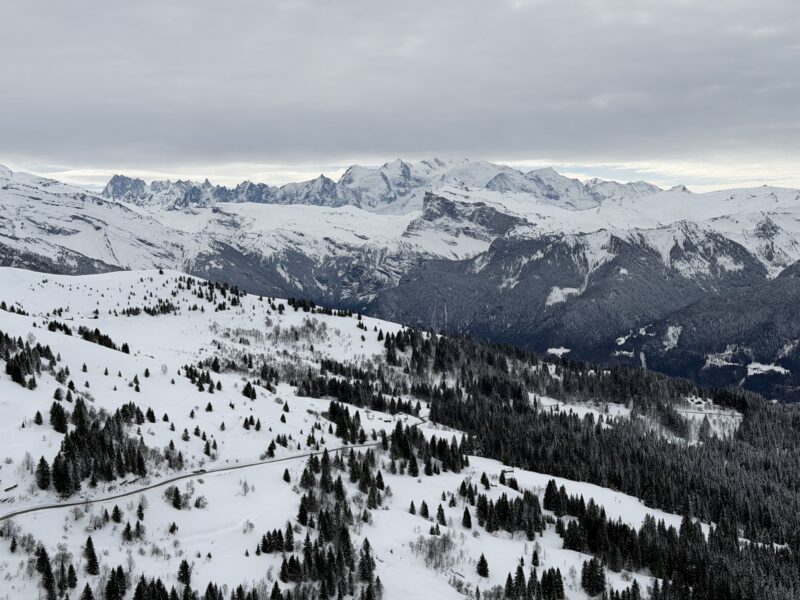
The young skier was reportedly skiing just off the designated piste with his 19-year-old brother when the fatal avalanche struck. The pair were in a section of the Presena Glacier, a popular but potentially perilous area known for its high-altitude skiing and challenging terrain. According to the Trentino Alpine and Speleological Rescue Service (CNSAS), the victim was caught in a slab avalanche that swept him down a narrow gully adjacent to the official ski run.
His brother, who miraculously escaped the avalanche unharmed, immediately began a desperate attempt to excavate his sibling from the snow. Witnesses and rescue personnel described the brother’s frantic efforts to free the trapped skier. Upon arrival, rescuers found the brother had already managed to locate his sibling and clear his airway. However, the severity of the victim’s condition was immediately apparent.
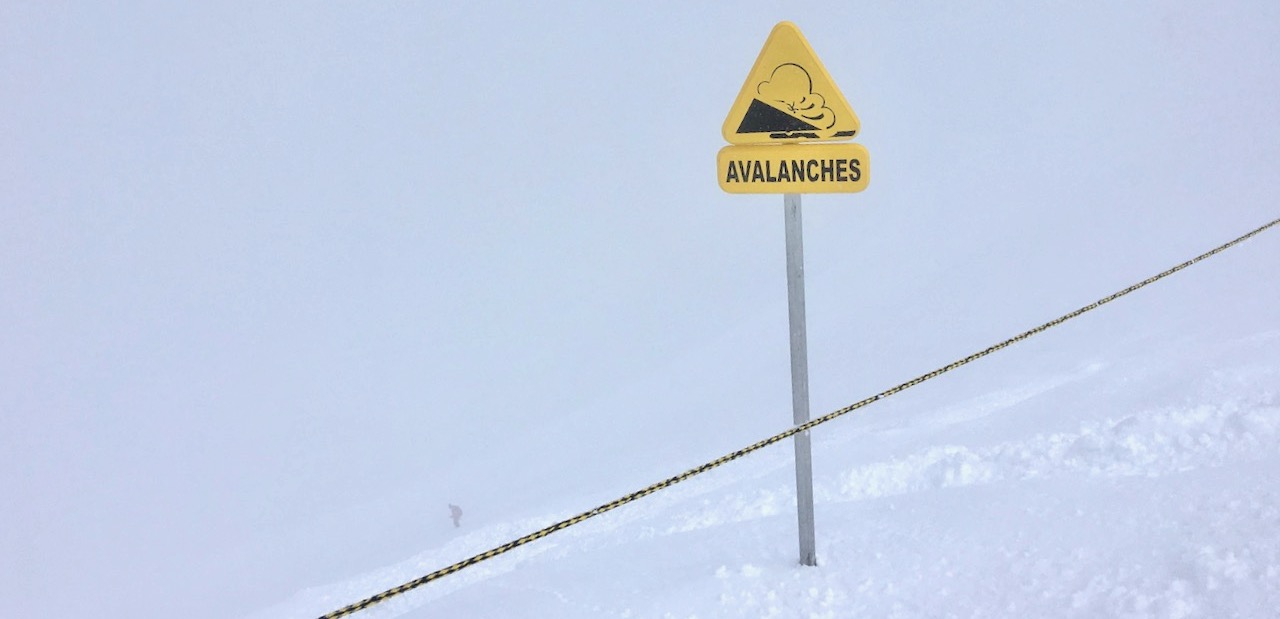
"When rescuers arrived, the victim’s brother had already managed to find him and clear his airway, but it was immediately clear that the boy was in very serious condition," local councilor Andrea Zampatti told the newspaper La Repubblica. Despite the best efforts of the rescue team, who performed cardiopulmonary resuscitation (CPR) at the scene, the skier succumbed to his injuries shortly after being airlifted to Santa Chiara Hospital in Trento.
Broader Context of Avalanche Risk in the Alps
This tragic event in Italy is not an isolated incident, but rather highlights a concerning trend of increased avalanche activity and fatalities across the European Alps this winter season. The heavy snowfall experienced over the preceding weekend, coupled with strong winds, created highly unstable snowpack conditions, significantly elevating the risk for skiers and snowboarders venturing off-piste.
On Sunday, March 15th, a similar tragedy unfolded in the southern French Alps near La Grave, where one person died and another was seriously injured in a ski touring incident. Ski touring, which involves ascending mountains on skis with specialized bindings and then descending off-piste, inherently carries a higher risk due to its reliance on natural snow conditions and often remote locations. The injured individual in the French Alps is currently receiving treatment for severe injuries at a hospital in Grenoble.
Avalanche Warnings and Conditions Across the Alps
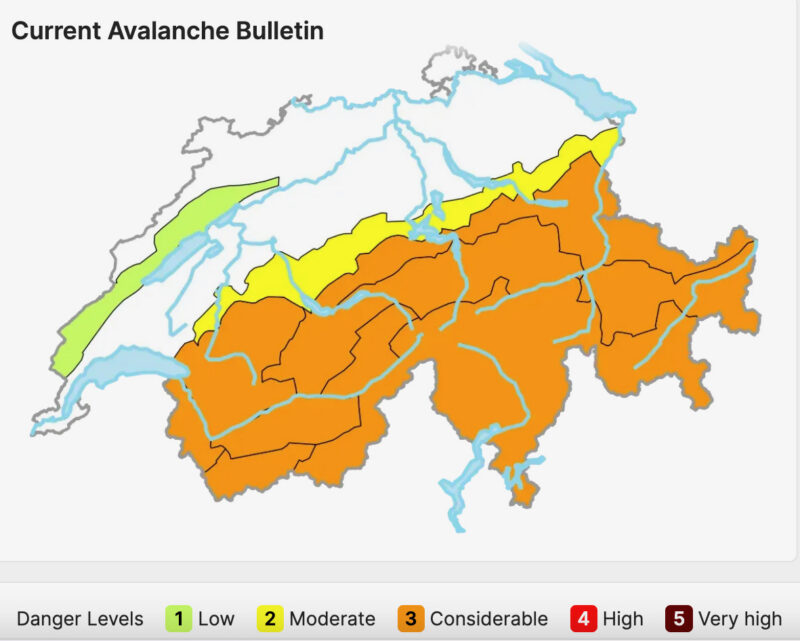
The severity of the avalanche risk was clearly communicated by meteorological and avalanche forecasting services throughout the weekend and into the week. In Switzerland, on Sunday, March 15th, a Level 4 risk (high) was in effect for the southern regions. This warning level was subsequently lowered to Level 3 (considerable) on Monday, March 16th, for much of the rest of the Swiss Alps.
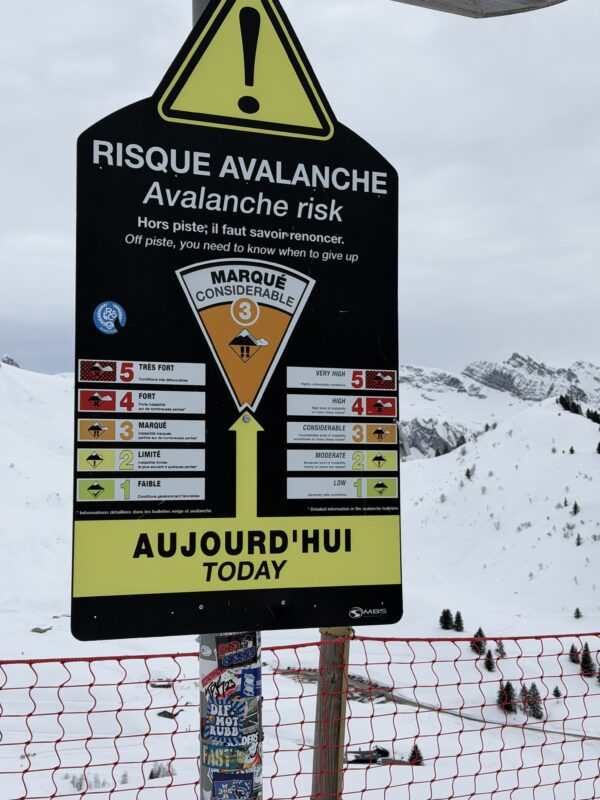
Switzerland experienced significant snowfall, with over a meter of snow reported in some areas over the weekend, leading to temporary road closures. Parts of the French Alps were also under a Level 3 alert, indicating a "considerable" risk of avalanches.
On Sunday, a ski tourer was successfully rescued from an avalanche near Le Grand Bornand in the French Alps. While this individual was extricated, reports indicate that several others were caught in the same avalanche but managed to free themselves.
James Cove, a correspondent for PlanetSKI, reported from Morzine in the French Alps on Monday, March 16th, stating, "Here in Morzine there is ‘considerable’ risk but the temperatures are high with the snow off piste wet and heavy, so few people are venturing away from the marked runs." This observation suggests that while the risk was present, the specific conditions of wet and heavy snow may have deterred some from venturing into more dangerous terrain. By Wednesday, March 18th, the avalanche risk in Morzine had reportedly dropped to Level 2 (moderate).
Analysis of Seasonal Fatality Rates
The current season’s death toll of 128 is a stark reminder of the inherent dangers of winter mountain sports, particularly when venturing into unprepared or uncontrolled terrain. While the annual average for avalanche fatalities in the Alps typically hovers around 100, the figure of 104 deaths is often cited as a more specific long-term average. This season’s tally of 128, therefore, represents a significant increase over the usual statistics, placing it within the upper range of what can be expected during a challenging winter.
The increase in fatalities can be attributed to a confluence of factors, including the unusually heavy snowfall in certain regions, the accompanying strong winds that create unstable snow layers, and potentially an increased number of people engaging in off-piste activities. The allure of fresh powder and the desire for backcountry adventures can sometimes override caution, leading to tragic consequences.
Official Response and Safety Recommendations
In light of the persistent avalanche danger, authorities across the Alpine nations are reiterating their calls for extreme caution. Ski resorts and national avalanche centers are consistently advising skiers and snowboarders to stay within marked and controlled pistes, especially when avalanche risk levels are elevated.
For those who choose to venture off-piste, experts emphasize the critical importance of being fully equipped with avalanche safety gear, including a transceiver, shovel, and probe, and crucially, possessing the knowledge and skills to use them effectively. Avalanche awareness courses and training are strongly recommended for anyone planning to ski or snowboard in backcountry areas.
The general advice from authorities is to heed all avalanche warnings, consult local forecasts and bulletins before heading out, and to exercise sound judgment. Waiting for avalanche risk levels to decrease and for the snowpack to stabilize is often the wisest course of action. The image provided by the Swiss Avalanche Institute on March 16th, depicting varying levels of avalanche danger across Switzerland, serves as a visual reminder of the complex and dynamic nature of these risks.
The Human Element and Broader Implications
Each statistic represents a life lost, a family devastated, and a community impacted. The death of the young Polish skier, alongside other recent fatalities, underscores the vulnerability of individuals in the face of powerful natural forces. The heroic efforts of the unharmed brother to save his sibling, though ultimately unsuccessful, highlight the deep bonds of family and the instinct to protect loved ones even in the face of extreme peril.
The ongoing avalanche incidents also raise questions about the effectiveness of current avalanche forecasting and public awareness campaigns. While information is readily available, ensuring that it is understood and acted upon by all potential backcountry users remains a continuous challenge. The economic implications for ski resorts and local communities can also be significant, as safety concerns can deter tourism, particularly during peak seasons.
As the winter season progresses, the focus remains on preventing further tragedies. The lessons learned from each incident, combined with robust safety protocols and informed decision-making by individuals, are crucial for mitigating the risks associated with enjoying the magnificent, yet formidable, Alpine environment. The authorities’ consistent message is clear: respect the mountains, prioritize safety, and understand the power of nature.

