
Preliminary overnight stay statistics released by Statistics Austria for February 2026 and the cumulative winter season reveal a robust and encouraging upward trend for Austria’s vital tourism sector. The data indicates a significant rebound and sustained growth, particularly driven by a strong influx of international visitors, signaling positive economic implications for employment and regional value creation across the nation.
February 2026: A Month of Strong Performance
In February 2026 alone, Austria recorded an impressive 18.09 million overnight stays. This figure represents a substantial increase of 5.1% when compared to the same period in the previous year. This month-on-month growth underscores a healthy and active tourism market, suggesting that the appeal of Austrian winter destinations remains exceptionally high. The consistent performance in February contributes significantly to the overall positive trajectory of the winter season.
Winter Season 2025/26: A Promising Outlook
Extending the analysis to the first four months of the 2025/26 winter season, encompassing November 2025 through February 2026, the total number of registered overnight stays reached a commanding 54.25 million. This represents a notable increase of 5.5% compared to the corresponding period in the preceding winter season. This sustained growth across multiple months highlights a robust and enduring demand for Austrian winter experiences, reinforcing the sector’s economic importance.
International Demand: The Primary Growth Engine
A key takeaway from the Statistics Austria report is the primary driver behind this burgeoning growth: international demand. The significant increase in overnight stays is largely attributed to a surge in visitors from abroad, underscoring Austria’s continued attractiveness as a premier international winter holiday destination. This influx of foreign tourists not only boosts occupancy rates but also injects substantial revenue into the Austrian economy, supporting a wide array of businesses and services.
Official Reactions and Economic Implications
The positive figures have elicited strong reactions from government officials, who emphasize the tangible benefits for the country’s economy. Austria Tourism State Secretary, Elisabeth Zehetner, lauded the statistics, stating, "These figures are a good sign for employment and regional value creation." She further elaborated on the direct impact, noting, "They mean full beds, work for many people and income for businesses in the tourism regions."
State Secretary Zehetner also addressed the broader economic context, acknowledging the current challenges faced by households and businesses due to global economic pressures. "Especially in economically challenging times, it is crucial that value creation remains in the regions and is not only visible in statistics," she asserted. This sentiment highlights a strategic focus on ensuring that the economic benefits of tourism are distributed effectively within local communities, rather than being concentrated in a few select areas.
Addressing Economic Pressures and Maintaining Quality
In her comprehensive statement, State Secretary Zehetner underscored the delicate balance the tourism industry must maintain amidst rising costs. "We know that the energy crisis is putting a strain on many households and businesses, and that price issues are dominating the public debate," she acknowledged. She pointed out that the tourism sector, often at the latter end of various value chains, is particularly susceptible to these rising costs, including those related to energy, personnel, and supply chains.
"Many restaurateurs and hoteliers are struggling with tight margins while maintaining high quality," Zehetner explained, illustrating the operational challenges faced by businesses. She emphasized that the current growth should not be misconstrued as a driver of inflation. Instead, she positioned it as a crucial contribution to economic stability, regional income, and secure employment.
A Holistic Approach to Tourism Success
The State Secretary’s remarks signal a forward-looking strategy that prioritizes not just statistical achievements but also the tangible well-being of communities and businesses. "High occupancy rates alone are not enough," she stated, advocating for a more nuanced definition of success. "Tourism needs acceptance because it shapes living spaces. Our goal is therefore clear."
She articulated a vision where success translates directly to the "bottom line and be tangible for the people on the ground." This vision encompasses businesses having the capacity to invest, employees receiving fair prospects, and regional economies benefiting without exacerbating cost pressures. "The winter season is developing encouragingly," she concluded, expressing optimism for the remainder of the season and beyond.
Field Reports from Premier Ski Destinations
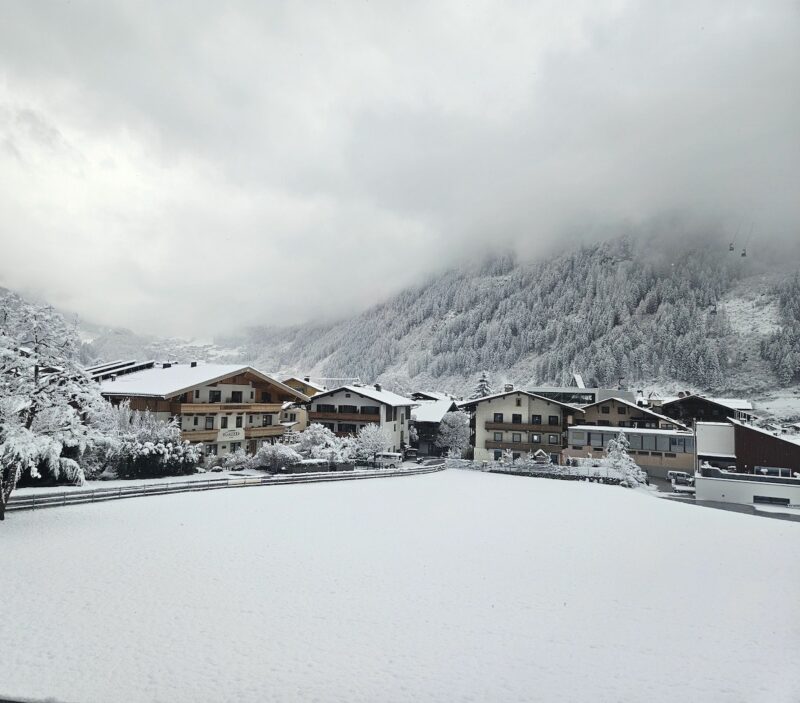
Adding a qualitative dimension to the statistical report, PlanetSKI.eu’s correspondent, Jane Peel, shared recent firsthand observations from key Austrian ski resorts. Her recent travels took her to Mayrhofen in the Tirol, where she experienced the vibrant atmosphere of the popular destination. While specific dates of her Mayrhofen visit are not detailed, the accompanying image is dated March 31st, 2026, suggesting a visit towards the end of the traditional ski season.
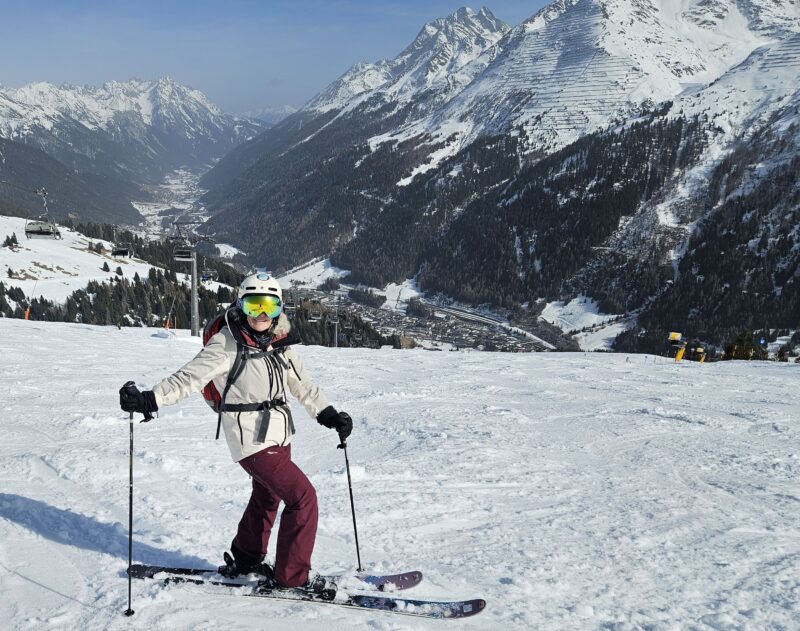
Earlier in March, Ms. Peel was on holiday with Inghams in the renowned ski resort of St. Anton. Her presence in St. Anton, a cornerstone of Austrian alpine tourism, further corroborates the anecdotal evidence of a busy and successful ski season. The accompanying image from St. Anton captures a scenic view, indicative of the high-quality skiing experiences offered in the region.
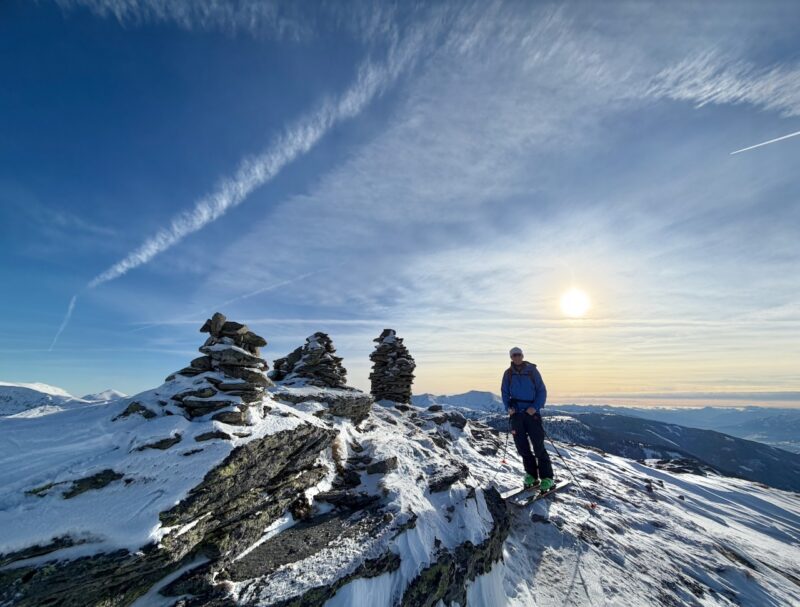
In February, PlanetSKI was engaged in ski touring in the picturesque region of Carinthia. This exploration of Carinthia, known for its diverse winter landscapes and well-developed cross-country and ski touring trails, adds another layer to the understanding of Austria’s broad appeal across different winter sports and tourism segments. The imagery from Carinthia, showcasing the Nockberge Trail, highlights the continued popularity of adventure-based winter tourism. These on-the-ground reports from various regions paint a consistent picture of active resorts and satisfied visitors.
Broader Context: Austria’s Tourism Landscape
Austria has long been a powerhouse in the global tourism industry, particularly renowned for its alpine scenery, world-class ski resorts, rich cultural heritage, and high standards of hospitality. The country’s tourism strategy typically focuses on sustainable development, quality assurance, and diversification of offerings beyond just winter sports. The current growth figures suggest that these strategies are yielding positive results, especially in attracting international visitors who contribute significantly to the national GDP.
The consistent performance of the Austrian tourism sector is also a testament to its resilience. Despite global economic uncertainties, including geopolitical tensions and inflationary pressures, Austria has managed to maintain its allure. This resilience can be attributed to several factors: the high quality of its infrastructure, the dedication of its tourism workforce, and effective marketing campaigns that highlight the unique selling propositions of its destinations.
Analysis of Implications and Future Outlook
The sustained growth in overnight stays, particularly from international markets, has several key implications for Austria:
- Economic Stability: Increased tourism revenue provides a vital buffer against economic downturns, supporting national income and foreign exchange reserves.
- Employment Creation: The tourism sector is a significant employer in Austria, providing jobs across various skill levels. The current growth trend suggests a positive outlook for job security and potential expansion in the sector.
- Regional Development: As highlighted by State Secretary Zehetner, a key objective is to ensure that economic benefits are distributed regionally. This can lead to the development of infrastructure, local businesses, and improved living standards in tourist areas.
- International Reputation: Continued success reinforces Austria’s image as a premier tourist destination, attracting future investment and visitor interest.
Looking ahead, the tourism industry faces ongoing challenges, including the need to adapt to climate change, manage overtourism in popular areas, and maintain competitiveness in a rapidly evolving global market. However, the current positive trend provides a strong foundation for addressing these challenges. The emphasis on quality, sustainability, and equitable distribution of economic benefits, as articulated by State Secretary Zehetner, suggests a commitment to long-term, responsible tourism development. The encouraging performance of the 2025/26 winter season is a clear indicator of Austria’s enduring appeal and its capacity to thrive in the international tourism landscape.

