
Published March 4, 2026 09:04AM
The pursuit of optimal ski performance and unparalleled comfort has long driven innovation in ski boot technology, with custom footbeds often championed as a critical component. For decades, the process of molding a bespoke insole to a skier’s foot has been a cornerstone of professional bootfitting, promising enhanced stability, power transmission, and pain relief. However, a growing body of experience from within the bootfitting community, including insights from a seasoned former professional, suggests that while well-made custom footbeds can be transformative, their prevalence as a "cure-all" often overlooks potential pitfalls and the surprising efficacy of more accessible, off-the-rack alternatives. This perspective challenges conventional wisdom, urging skiers and bootfitters alike to re-evaluate the true value proposition of personalized orthotics against a backdrop of varying quality and significant cost.
The Biomechanical Imperative: Stabilizing the Foundation
At the heart of the footbed debate lies the fundamental role of foot stabilization in skiing. The human foot, particularly the heel, serves as the initial anchor in a complex biomechanical chain that extends through the leg, hip, and torso. Any instability at this foundational point can propagate throughout the system, leading to inefficient movement, discomfort, and even increased injury risk. For skiers, this translates directly to control over their skis. When a skier’s heel is unstable, often rolling inward (a phenomenon known as pronation), the entire foot shifts within the boot, diminishing precision and making it harder to initiate and hold an edge.
Contrary to a common misconception, the primary goal of a ski boot footbed is not merely arch support. While adequate arch support is a byproduct, the critical function is heel stabilization. By cradling the heel and preventing excessive pronation, a properly designed footbed ensures that the foot remains centered and predictable within the rigid confines of the ski boot shell. This controlled environment allows for more direct power transfer from the skier’s body to the ski, enabling cleaner edge-to-edge transitions and a more responsive feel. Without this stabilization, a skier might experience uncomfortable pressure points, particularly along the inside of the ankle, where the foot pushes against the boot’s hard plastic.
Elite athletes, such as World Cup racers, occasionally require a more nuanced approach, sometimes opting for a slightly more malleable heel cup to permit a controlled degree of pronation. This controlled roll can facilitate faster, higher-angle edge engagement—a micro-adjustment for shaving milliseconds off race times. However, for the vast majority of recreational skiers, who operate at a different level of precision and intent, the objective remains firm heel support to maximize comfort and control during varied on-snow conditions.
A Chronology of Ski Boot Fitting and Footbed Evolution
The journey towards modern ski boot fitting is deeply intertwined with the evolution of ski boot technology itself. Early ski boots, crafted from leather, offered minimal support and necessitated innovative, albeit rudimentary, solutions for comfort and performance. The advent of plastic ski boots in the 1960s revolutionized the sport, providing unprecedented stiffness and power transmission. However, this newfound rigidity also highlighted the critical importance of a precise fit, as poorly fitting plastic boots could lead to excruciating pain and diminished control.
By the 1970s and 80s, specialized boot fitting began to emerge as a distinct discipline. Bootfitters, often operating out of ski shops, started employing techniques to customize the internal environment of the boot, including shell modifications and rudimentary insoles. It was during this period that the concept of "custom" footbeds began to gain traction, with early methods involving heat-molding materials directly to the skier’s foot. The promise was clear: a footbed perfectly contoured to the unique anatomy of each individual, offering unparalleled support.
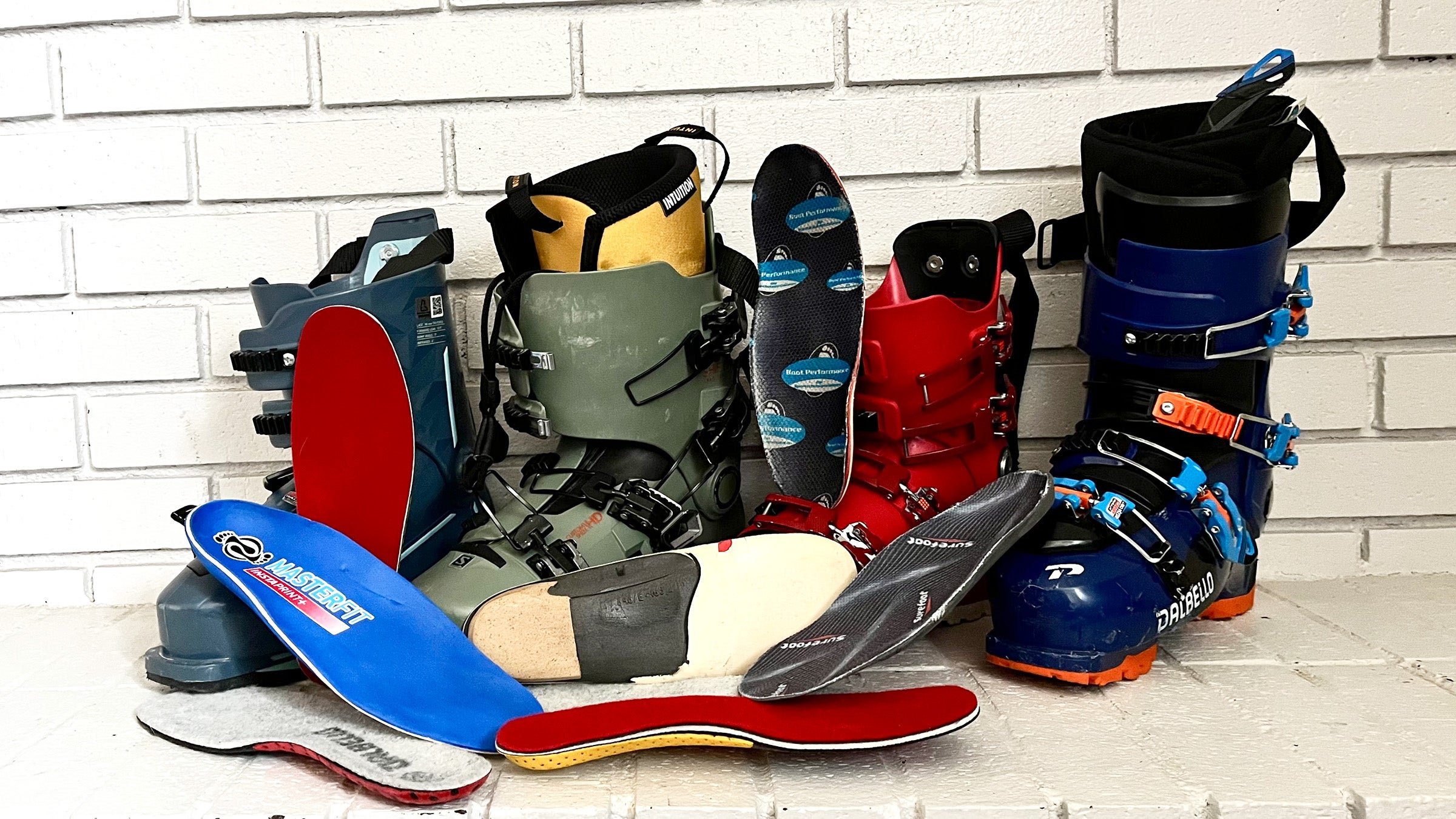
A pivotal figure in this era was Sven Coomer, a legendary designer whose contributions to ski boot engineering are immense, including his work on Zipfit liners, the Nordica Grand Prix, and the Raichle Flexon (the precursor to modern cabrio boots). Coomer recognized the inherent challenges in consistently producing high-quality custom footbeds and the widespread need for effective heel support that could be more reliably reproduced. His innovative solution was to design a supportive heel cup that addressed common pronation issues for a broad range of feet, then offer it in various arch shapes and thicknesses. This groundbreaking idea eventually materialized into what is now widely known as Superfeet insoles, inspiring subsequent designs like DownUnders and even prompting Zipfit to offer their own version after Coomer’s passing. This marked a significant turning point, demonstrating that highly effective foot support didn’t always require a bespoke, expensive molding process.
The Custom Footbed Paradox: High Expectations, Variable Outcomes
Despite their heralded status, the reality of custom footbeds is often more complex than the marketing suggests. While the principle of a perfectly molded footbed is sound, the execution is prone to significant variability. The process of creating a custom footbed typically involves heating a malleable material (plastic or dense foam) and then molding it to the skier’s foot. Two primary methods exist: "weighted" molding, where the skier stands on the material, and "unweighted" molding, where the foot is suspended and manipulated into an athletic stance while the material is vacuum-sealed around it.
It is within these processes that the "custom footbed paradox" becomes apparent. As experienced bootfitters attest, the ease of making a custom footbed is matched only by the ease with which it can be made incorrectly. Small errors in shaping the heel cup, improper foot positioning during molding, or even subtle misalignments can introduce unwanted angles into the footbed. These errors, often imperceptible to the untrained eye, can profoundly affect a skier’s stance, creating new pressure points, exacerbating existing problems, or even inducing instability that was not present before. For instance, pinching the outside of the heel too aggressively can elevate it above the inner wall, leading to uncomfortable pressure on the ankle bone.
Industry observations suggest that a significant percentage of custom footbeds brought into professional bootfitting shops for evaluation—some estimates placing it at over half—are either poorly constructed or actively detrimental to the skier’s comfort and performance. These "failed" custom footbeds represent a substantial financial loss for consumers, who often pay upwards of $200 for a product that ultimately needs to be replaced. The materials used in many custom footbeds also limit the possibility of correction; while some minor grinding or modification might be possible, often the flawed foundation necessitates starting anew. This leads to a frustrating cycle for skiers who, having invested significantly in a promised solution, find themselves still battling discomfort and performance issues.
Expert Perspectives and Industry Challenges
The varying quality of custom footbeds highlights broader challenges within the ski bootfitting industry. While many bootfitters are highly skilled, dedicated professionals, the industry also grapples with inconsistencies in training, expertise, and ethical practices. There can be a commercial imperative to recommend higher-priced custom solutions, sometimes without fully assessing the individual skier’s needs or exploring simpler alternatives.
Sports medicine professionals and biomechanical experts consistently emphasize the importance of proper foot support in athletic activities, including skiing, to prevent injuries and optimize performance. However, they also caution against poorly fitted or incorrectly designed orthotics, which can introduce new biomechanical dysfunctions. The consensus among these experts is that effective support is paramount, regardless of whether it comes from a custom or off-the-rack solution. The focus should always be on correcting pronation and stabilizing the heel in a neutral, athletic position.
Consumers, often relying on the expertise of bootfitters, can find themselves in a state of confusion, bombarded with contradictory advice and a bewildering array of products. The expectation that a custom footbed is inherently superior due to its personalized nature can lead to disappointment when the promised "miracle cure" falls short. This underscores the importance of seeking out highly reputable and experienced bootfitters who prioritize a holistic assessment of the skier’s needs over a default recommendation for the most expensive option.
The Rise of Off-the-Rack Solutions: Effectiveness Meets Affordability
Against this backdrop of custom footbed inconsistencies, the appeal and proven efficacy of well-engineered, off-the-rack footbeds have steadily grown. Brands like Superfeet, DownUnders, and even specific versions offered by Zipfit, represent a paradigm shift. These products are not molded to an individual foot but are instead designed based on extensive biomechanical research to support an "average" heel shape with a balanced amount of arch and pronation control. They leverage sophisticated design and durable materials to achieve their objectives.
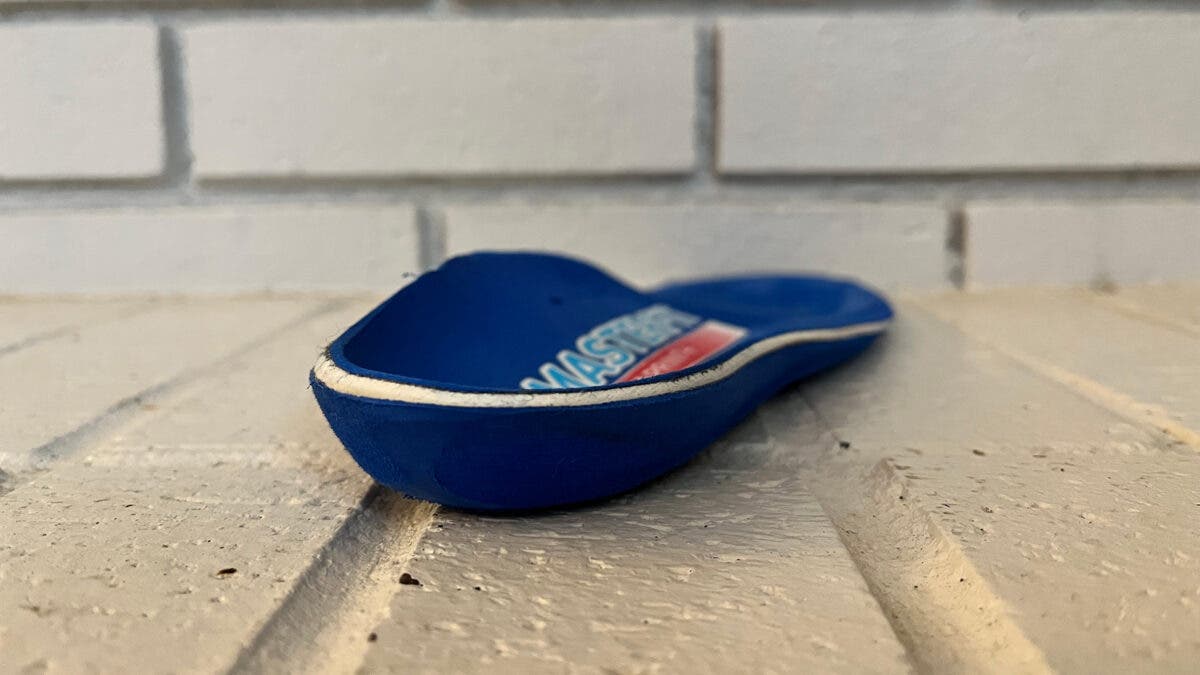
The process of integrating these drop-in footbeds is straightforward: a skilled bootfitter matches the appropriate heel cup size to the ski boot’s mondo size, trims the toe edges to fit precisely within the liner, and bevels them for a seamless insertion. The simplicity of this process, coupled with the consistent quality of mass-produced, scientifically designed insoles, yields remarkably positive results for a vast number of skiers. Anecdotal evidence from hundreds of users, echoed by professional bootfitters, suggests that these pre-formed footbeds make a "world of difference" in skiing comfort and performance.
A significant advantage of these off-the-rack solutions is their cost-effectiveness. Typically retailing in the $50-$80 range, they offer a substantial saving compared to custom footbeds, which can easily exceed $200. This affordability means skiers can replace them regularly as they wear out, ensuring consistent support without a significant financial burden. The Superfeet Winter Thin Support, priced around $55, is often cited as a prime example of a lightweight, comfortable, and highly effective option suitable for a broad spectrum of skiers. This accessibility democratizes high-quality foot support, making performance benefits available to more recreational skiers.
Economic and Consumer Implications
The debate between custom and off-the-rack footbeds carries significant economic and consumer implications. The global ski equipment market is substantial, with accessories like footbeds forming an important segment. The increasing recognition of effective, affordable alternatives challenges the traditional premium placed on bespoke solutions. For consumers, this translates to potential savings, allowing them to allocate resources to other critical gear or experiences.
From an industry perspective, this shift encourages manufacturers to invest further in research and development for standardized, biomechanically sound footbed designs. For bootfitters, it underscores the importance of comprehensive training and an ethical approach that prioritizes the skier’s true needs. A truly professional bootfitter understands that their value lies not just in selling products, but in their diagnostic skills, their ability to listen to the skier, and their capacity to recommend the most appropriate solution, whether it’s a custom mold, an off-the-rack insert, or a combination of other boot modifications.
Ultimately, the goal is to enhance the skiing experience for everyone, from beginners to advanced enthusiasts. By providing effective foot support, whether custom or pre-formed, skiers can enjoy greater comfort, reduce fatigue, and improve their control, leading to more enjoyable and safer days on the slopes.
Recommendations for Skiers
For skiers seeking to optimize their boot fit, the evolving landscape of footbed technology offers clear guidance:
- Prioritize the Bootfitter: The most crucial investment is in a highly skilled and reputable bootfitter, not necessarily the most expensive product. A good bootfitter will thoroughly assess your feet, skiing style, and existing boots before recommending any solution.
- Understand the Goal: Remember that the primary purpose of a footbed is heel stabilization and pronation control, not just arch support. Discuss this with your bootfitter.
- Consider Off-the-Rack First: For many recreational skiers, well-designed, off-the-rack footbeds like those from Superfeet or DownUnders offer significant improvements in comfort and performance at a fraction of the cost of customs. These are often an excellent starting point.
- Be Skeptical of "Cure-All" Claims: Approach claims of custom footbeds being a universal solution with a healthy degree of skepticism. If a bootfitter immediately jumps to customs without a thorough assessment, consider seeking a second opinion.
- Evaluate Performance and Comfort: After any footbed modification, pay close attention to how your feet feel and how you ski. Any new pain, pressure, or instability is a sign that the solution may not be ideal.
In conclusion, while the allure of a perfectly tailored custom footbed remains strong, the practical realities of their production and the proven effectiveness of well-designed off-the-rack alternatives present a compelling argument for re-evaluation. For the vast majority of skiers, the path to enhanced comfort and performance in ski boots may not lie in a costly, bespoke creation, but rather in a scientifically engineered, readily available solution that effectively stabilizes the foot’s crucial foundation. The industry is moving towards a more nuanced understanding, suggesting that sometimes, the real remedy comes straight out of the box.

