
Published April 15, 2026, the ski industry is once again abuzz with discussions surrounding the longevity and performance of specialized ski equipment, particularly aftermarket boot liners. A recent account published today details the remarkable durability of a pair of Zipfit Gara LV liners, which, after nearly 500 ski days, are now being installed into their third set of ski boot shells. This narrative highlights a significant shift in consumer approach to ski gear, moving beyond the traditional cycle of frequent replacement towards solutions that offer sustained performance and extended lifespan, exemplified by products like the Zipfit Gara LV. The decision by one avid skier to retire their beloved Tecnica Mach1 LV 130s, shells that had endured over 200 ski days until their orange plastic whitened and began to crack, underscores the stark contrast between the lifespan of boot shells and their high-performance liners. The subsequent transfer of the trusty Zipfit liners into a new pair of Armada AR ONE 130 shells demonstrates a practical application of sustainable skiing practices, emphasizing the liners’ unique ability to outlast multiple sets of primary equipment.
The Perennial Quest for the Perfect Ski Boot Fit
For decades, ski boot fit has remained one of the most critical, yet often challenging, aspects of a skier’s equipment setup. A poorly fitting boot can lead to discomfort, pain, loss of control, and ultimately, a diminished skiing experience. Conversely, a perfectly fitted boot translates directly into enhanced performance, improved responsiveness, and greater enjoyment on the slopes. The traditional retail model typically involves purchasing a complete boot package, including stock liners designed for mass production. While these liners offer initial comfort, they are predominantly made from foam materials that are prone to "packing out" – a process where the foam compresses and loses its shape and supportive qualities over time, leading to a looser fit and reduced performance. This packing out often necessitates the replacement of the entire boot, even if the shell itself remains structurally sound.
The ski boot fitting industry has evolved significantly to address these challenges, with specialized bootfitters employing various techniques, from custom footbeds to shell modifications, to optimize fit. However, the liner has consistently been a weak link in the longevity chain. Before the advent of sophisticated aftermarket options, skiers were often resigned to a cycle of declining performance or costly replacements. The introduction of custom-moldable liners marked a pivotal moment, promising a more personalized and durable solution. Yet, many early custom liners still relied on foams that, while initially precise, would eventually succumb to the same issues of compression and degradation, albeit at a slower rate than stock liners. This continuous search for a lasting solution laid the groundwork for innovations like Zipfit, which sought to fundamentally redefine the lifespan and performance expectations of ski boot liners.
Sven Coomer’s Vision: A Revolution in Ski Boot Design
The story of Zipfit liners is inextricably linked to the visionary work of Sven Coomer, a name synonymous with innovation in the ski hardgoods industry. Coomer, inducted into the U.S. Ski and Snowboard Hall of Fame in 2021, boasts a career spanning over half a century, during which he has profoundly influenced ski boot design and performance. His early career saw him co-founding Mammoth’s Footloose Sports in 1979, a renowned ski shop that quickly became a hub for advanced bootfitting and equipment solutions. It was within this environment that Coomer’s pioneering spirit truly flourished.
Coomer’s initial forays into custom fitting involved experimenting with ground-up Birkenstock cork to create personalized footbeds, recognizing early on the importance of a stable foundation within the boot. This foundational work with cork would prove critical to his subsequent breakthrough. In 1989, Coomer founded Zipfit, introducing the first custom ski boot liner that did not rely on toxic, expanding foams for its fit. This was a radical departure from the prevailing technologies of the time, which often involved chemical reactions within the boot to form a custom shape. Coomer’s innovation centered on a non-toxic, remoldable material that could adapt to the foot dynamically and retain its supportive properties over an extended period. His extensive portfolio of work also includes influential designs for high-performance boots, such as plug race boots, the widely popular Atomic Hawx series, and the distinctive cabrio boot architecture seen in brands like Full Tilt and K2 Fl3x. These contributions highlight his deep understanding of biomechanics and material science in the context of ski performance, providing a robust intellectual and practical foundation for the development of Zipfit liners.
Engineering for Endurance: The Science Behind Zipfit Liners
The enduring success and unique attributes of Zipfit liners, particularly models like the Gara LV, stem from a meticulously engineered design and a proprietary material blend that prioritizes dynamic fit, longevity, and performance. Unlike traditional foam liners that offer a static fit and inevitably compress over time, Zipfits are constructed to be actively responsive to the skier’s foot and movements.
At the core of the Zipfit design are robust materials chosen for their durability, comfort, and performance characteristics. The liners are predominantly crafted from high-quality leather, known for its resilience and ability to conform to shape over time, offering a luxurious yet sturdy feel. Neoprene provides flexibility and insulation, while wool contributes to warmth and moisture management, creating a comfortable environment for the foot even during long days on the mountain. However, the true innovation lies within the internal bladders, strategically placed in the tongue and ankle pockets. These bladders are filled with OMFit cork, a unique mixture of cork and oil.
The OMFit cork system is Zipfit’s signature technology. Unlike static foam, this cork-oil mixture is thermo-responsive, meaning it softens and becomes malleable when warmed by body heat. This allows the cork to dynamically redistribute and fill precisely into the contours of the foot and the surrounding shell cavity during skiing. Crucially, cork does not compress in the same way foam does; instead, it redistributes. This fundamental difference is what makes Zipfit liners remoldable throughout their lifespan. As a skier uses the liners, the cork continuously adapts, maintaining a snug, supportive fit without packing out. This dynamic adaptation ensures that any minor shifts in foot volume or pressure points are continuously addressed, providing a consistent and personalized fit that can be "reset" or enhanced simply by adding more OMFit cork when needed. This ability to replenish the cork material not only extends the life of the liner indefinitely but also allows for fine-tuning the fit over time, a feature unparalleled by conventional liners.
Transformative Performance on the Slopes
The practical impact of Zipfit liners on skiing performance is profound and widely attested by experienced skiers and bootfitters alike. The author’s personal experience, spanning over six seasons and multiple boot shells, corroborates the claims of enhanced control, comfort, and adaptability. The initial break-in period, typically recommended at five or more ski days before any additional cork is introduced, allows the OMFit material to settle and begin its adaptive process.
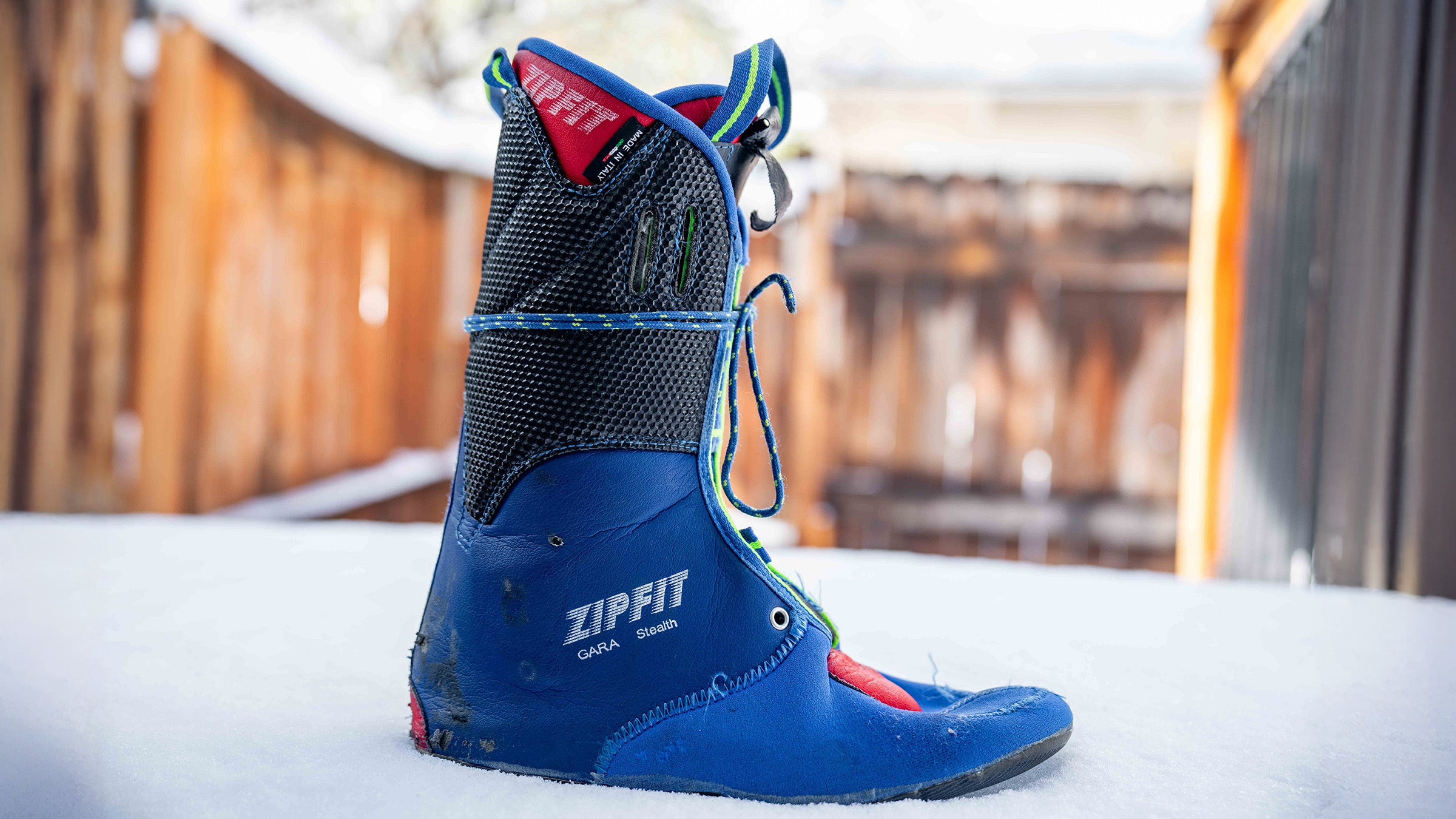
Once properly broken in and customized, the most striking improvement reported is the exceptional heel hold. Traditional liners often struggle to keep the heel securely anchored, leading to slippage, energy loss, and potential blistering. Zipfit’s dynamic cork system, by precisely filling the ankle and heel pockets, eliminates this movement. This "fully mated" sensation between the foot and the shell translates directly into superior power transfer. With the foot locked firmly in place, every subtle movement and pressure application from the skier is transmitted more quickly and consistently to the ski, resulting in more precise turn initiation and greater control, particularly in aggressive or challenging conditions.
Beyond performance, comfort is significantly enhanced. The unstructured toe box, a design choice often implemented in Zipfit liners, provides ample room for the toes to splay naturally. In conjunction with the secure heel hold, this extra space is a benefit rather than a drawback, preventing toe crunch and improving circulation without sacrificing control. This is particularly advantageous for skiers using extremely low-volume (LV) shells, which are notoriously tight. For instance, pairing Zipfits with boots like the Tecnica Mach1 LV 120s or the Tecnica Firebird 130R (a 96 mm "cheater plug boot") allows for a precise, aggressive fit without the common discomforts associated with such narrow designs.
The versatility of Zipfit liners is another key attribute. The author noted their adaptability across a wide range of shell volumes, from ultra-low-volume race boots to roomier cabrio designs like the 100 mm Armada AR ONE. This adaptability means that skiers can potentially "size up" slightly in shell volume for increased comfort or warmth (e.g., more toe room) without compromising the critical heel hold and performance. Off-piste, the secure and balanced fit provided by the Gara LV liners significantly improves stability and edge control, allowing skiers to maintain balance over their outside edge, drive skis effectively in steep terrain, flow through bumps, and execute quick transitions seamlessly. The integrated lacing system, even with custom modifications, further contributes to this precise fit, allowing skiers to dial in the exact pressure and support they prefer.
The Investment in Longevity: Cost vs. Value
The initial outlay for a pair of Zipfit liners is undeniably higher than that of standard stock liners, often placing them in the premium accessory category. However, a comprehensive analysis of their cost-effectiveness reveals a compelling long-term value proposition that challenges the conventional wisdom of ski equipment investment.
Traditional stock liners typically have a functional lifespan of 50 to 100 ski days before they pack out significantly, leading to a noticeable degradation in fit and performance. Even high-end foam-injected custom liners, while offering superior initial performance, often reach their peak within 50 to 75 days and rarely extend comfortably beyond 150 days before requiring replacement. This frequent replacement cycle not only incurs recurring costs but also contributes to environmental waste.
Zipfit liners, by contrast, offer an unprecedented lifespan. The author’s Gara LV liners, nearing 500 ski days and still performing robustly after six seasons, exemplify this durability. The key differentiator is the OMFit cork, which, unlike foam, does not permanently compress. Instead, it redistributes and can be replenished. This means that as the cork naturally shifts or thins over extended use (as the author experienced after three years and again after six), more cork can be added by a qualified bootfitter, effectively "rejuvenating" the liner and restoring its original performance characteristics. This capability effectively renders the liner’s lifespan indefinite, provided the outer materials remain intact.
From an economic perspective, while the upfront cost of Zipfits is higher, the extended lifespan translates into significant savings over time. If a skier typically replaces their liners every 1-2 seasons, the cost of multiple replacements quickly surpasses the initial investment in Zipfits, which can last for many years and even multiple boot shells. The author’s assertion of buying "one fewer pair of boots in the last few years just because I’ve been able to eke out each set of shells far beyond its usable life with the help of these liners" perfectly encapsulates this economic benefit. By extending the functional life of expensive ski boot shells, Zipfits defer the need for full boot replacements, offering a substantial return on investment for dedicated skiers.
Adaptation and Personalization: Evolving the Fit
One of the less-discussed but equally vital aspects of Zipfit liners is their capacity for adaptation and personalization over time, allowing skiers to fine-tune their fit as their needs evolve or as the liners themselves settle. The author’s modifications to their Gara LV liners serve as a practical example of this flexibility.
Initially, the author chose to remove the integrated power straps. While these straps are a selling point for Zipfit, designed to enhance the liner’s role as an "inner boot" and provide additional cuff support, some skiers find they add unnecessary bulk or create unwanted pressure points within certain shell designs. This decision highlights the customizability; the ability to remove or modify components without compromising the core integrity of the liner is a significant advantage.
Another key adaptation involved the lacing system. Following a suggestion from a Zipfit expert, the author adopted a "World Cup" lacing style: skipping the bottom two eyelets to alleviate pressure on the instep, then wrapping the laces around the back of the liner before tying them high on the tongue. This method optimizes heel hold and cuff support, crucial for aggressive skiing. The trade-off is the need to "World Cup" into the boots – lacing the liner onto the foot first, then stepping into the shell. While this method requires a slightly more involved entry process, especially for those with mobility limitations, the author noted that it quickly becomes routine, especially with the aid of a shoehorn, which simplifies entry even into cold, stiff shells.
The dynamic nature of the OMFit cork also necessitates periodic adjustment. The author reported not needing to add cork until the third year of use, when the material in the tongue and ankle pockets had begun to thin. Now, after six seasons, the consideration for another cork refill underscores the active maintenance possible with these liners. This process, typically performed by a skilled bootfitter, ensures that the precise, supportive fit is maintained throughout the liner’s extended life, further differentiating Zipfits from "set-and-forget" foam options. These ongoing adjustments and the ability to replenish the OMFit cork mean that Zipfit liners are not merely custom-fitted once, but rather can be continuously optimized, truly evolving with the skier and their equipment.
A Sustainable Choice in a Disposable World
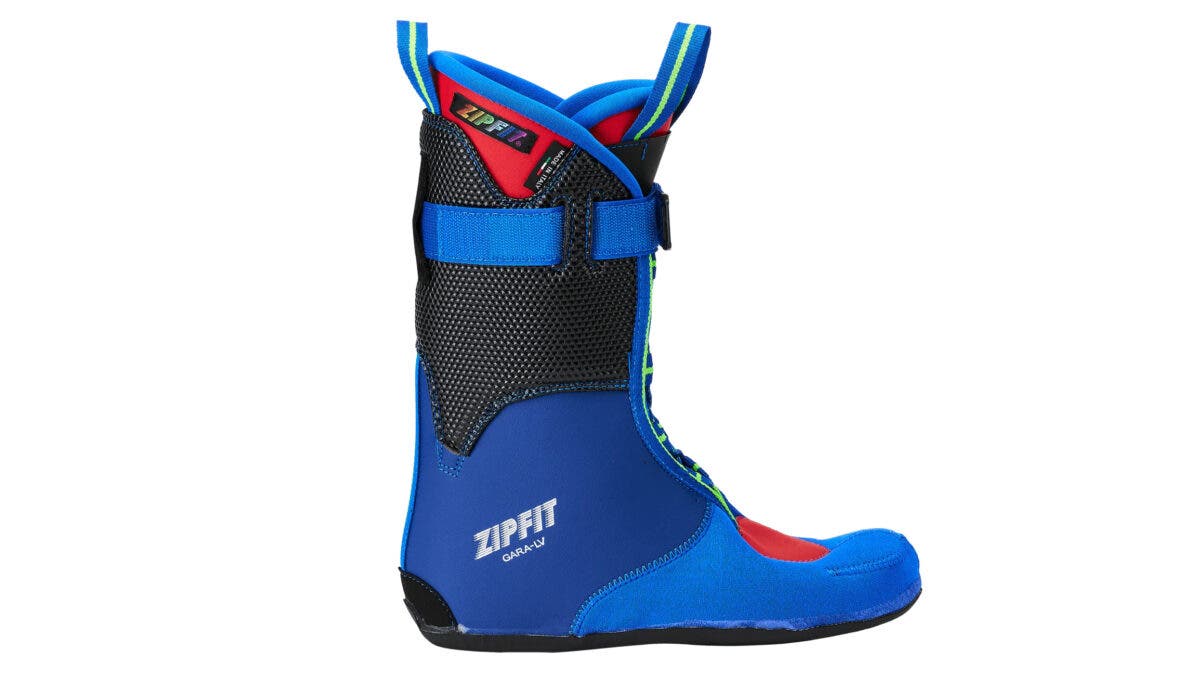
In an era increasingly focused on environmental responsibility and sustainable consumption, Zipfit liners stand out as a pioneering example of eco-conscious product design within the outdoor industry. The concept of "sustainability" is often a buzzword in marketing, but Zipfit’s inherent design principles offer tangible environmental benefits that align with genuine efforts to reduce ecological footprints.
The primary environmental advantage of Zipfit liners lies in their exceptional longevity. By offering a product that can last for six or more seasons and hundreds of ski days, potentially outliving two or three pairs of ski boot shells, Zipfit significantly reduces the volume of waste generated by the ski industry. Each discarded foam liner or prematurely retired boot contributes to landfills, often containing non-biodegradable synthetic materials. A single pair of Zipfit liners, by extending the functional life of other equipment components, directly offsets the need for multiple replacements, thereby minimizing material consumption and waste generation.
Furthermore, the materials used in Zipfit liners – leather, neoprene, wool, and the OMFit cork – are chosen for their durability and performance. The OMFit cork, derived from natural cork, is a renewable resource, and its dynamic, remoldable nature eliminates the need for toxic, expanding foams that have historically been a concern for both environmental impact and health. This commitment to non-toxic materials aligns with broader industry trends towards safer and more environmentally friendly manufacturing processes.
The author’s concluding reflection on the "cosmic irony" of sustainability as a buzzword, contrasted with the objective good of a liner lasting over six seasons, encapsulates the core message. Zipfit liners embody a practical form of sustainability by allowing skiers to extract maximum utility from their expensive gear. This approach not only benefits the environment by reducing waste but also empowers consumers to make more responsible purchasing decisions that prioritize durability and long-term value over planned obsolescence. As the ski industry continues to grapple with its environmental impact, products like Zipfit offer a clear pathway towards a more sustainable future for ski equipment.
Industry Reception and Broader Implications
Zipfit liners have carved out a distinctive niche within the highly competitive ski equipment market, earning a reputation among serious skiers and professional bootfitters as a premium solution for optimal fit and performance. While their higher price point means they are not a mass-market product, their influence extends beyond their direct sales figures.
Within the bootfitting community, Zipfits are widely respected for their effectiveness and durability. Bootfitters appreciate the ability to fine-tune the fit repeatedly through cork additions, ensuring customer satisfaction over many seasons. This contrasts with foam-injected liners, which, once set, offer limited adjustability as they pack out. The training and expertise required to properly fit and customize Zipfits also elevate the professional standing of bootfitters who offer them, reinforcing their role as specialists in personalized ski equipment.
The broader implications of Zipfit’s success are multifaceted. Firstly, they have raised consumer expectations regarding the longevity and performance of ski boot liners. Skiers who invest in Zipfits often become advocates, sharing their experiences and influencing others to consider aftermarket options as a long-term solution rather than a temporary fix. This creates a demand for higher-quality, more durable products across the industry.
Secondly, Zipfit’s model of repairability and extended lifespan challenges the prevailing "disposable" culture often associated with consumer goods. Their success demonstrates that there is a viable market for products designed for endurance, even at a premium price. This could potentially inspire other manufacturers to explore similar approaches, incorporating more durable materials and repairable designs into their product lines, thereby contributing to a more sustainable manufacturing ecosystem within the outdoor industry.
Finally, the proven performance benefits of Zipfits highlight the critical role of a truly customized fit in unlocking a skier’s full potential. By eliminating discomfort and maximizing power transfer, these liners enable skiers to push their limits, improve their technique, and enjoy their time on the snow more thoroughly. This emphasis on precise fit and its direct correlation to performance underscores the ongoing evolution of ski equipment, where personalized solutions are becoming increasingly vital for both recreational enthusiasts and elite athletes.
Conclusion
The journey of a pair of Zipfit Gara LV liners, from initial purchase in 2020 through nearly 500 ski days and into their third set of boot shells by April 2026, serves as a compelling testament to a revolutionary approach in ski boot technology. From the visionary foundation laid by Sven Coomer in 1989 to their sustained performance on the slopes, Zipfit liners represent a pinnacle of engineering focused on dynamic fit, unparalleled longevity, and environmental responsibility. They offer serious skiers a transformative experience, enhancing comfort, control, and power transfer in ways that traditional foam liners simply cannot match over time. While the initial investment is significant, the long-term value, derived from extended lifespan, adaptability, and the ability to defer costly boot replacements, positions Zipfits as a fiscally and environmentally prudent choice. As the author contemplates the eventual, distant future of their enduring liners, the message is clear: in an industry often driven by seasonal upgrades, Zipfit provides an enduring solution, proving that true innovation can indeed withstand the test of time and countless vertical feet.

