
The fundamental mechanics of skiing have remained remarkably consistent over the decades. Enthusiasts continue to descend snow-covered slopes on laminated planks, guided by technique and gravity, seeking a sensory experience that remains unique among outdoor pursuits. However, a thirty-year retrospective of Les Gets, a prominent resort in the French Haute-Savoie, reveals that while the "physics" of the sport are unchanged, the infrastructure, service standards, and environmental realities surrounding it have undergone a profound transformation.
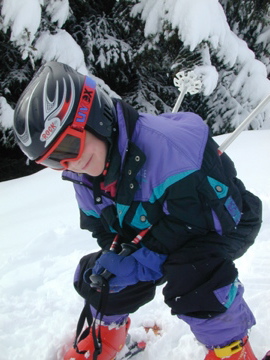
As PlanetSKI editor James Cove returned to the resort in March 2026—three decades after his first visit in the mid-1990s—the contrast between the past and present provides a case study for the broader evolution of the European ski industry. From the professionalization of chalet staff to the high-tech modernization of lift systems and the existential threat posed by climate change, Les Gets serves as a microcosm of an industry in flux.

The Professionalization of the Chalet Experience
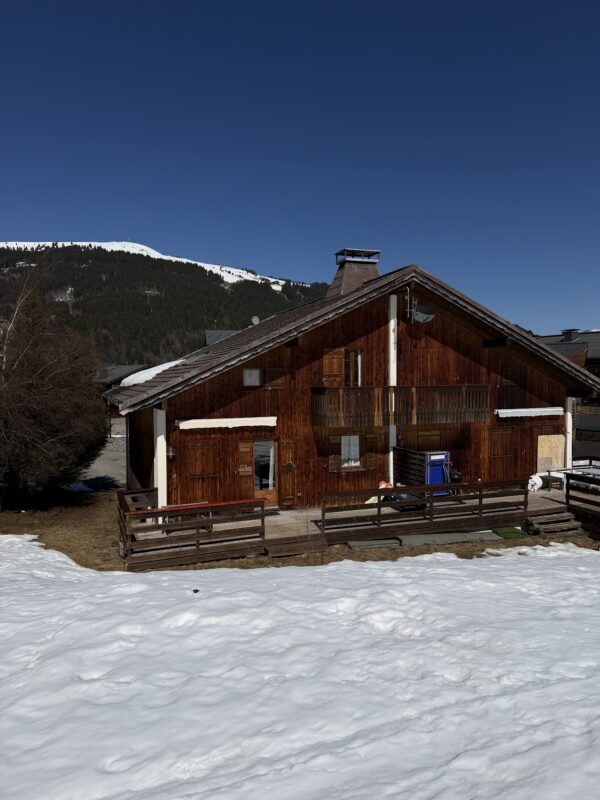
In the mid-1990s, the British ski market in Les Gets was dominated by a "mucking in" culture. Accommodations, such as the Chalet La Turche 2 operated by Ski Famille at the time, were characterized by their functional simplicity. Staff members were typically young "seasonaires"—often students on gap years with minimal formal training in hospitality or culinary arts. The service was enthusiastic but amateur, and the food often reflected the limited experience of the kitchen staff.
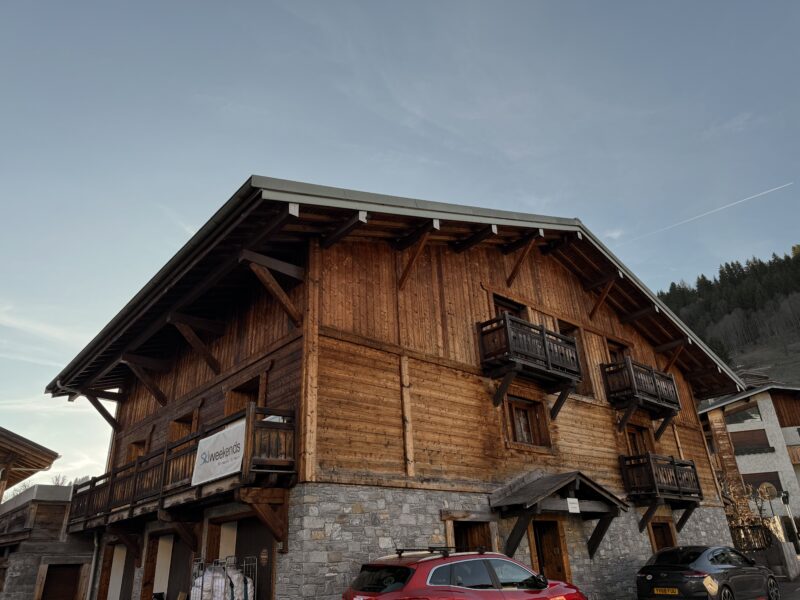
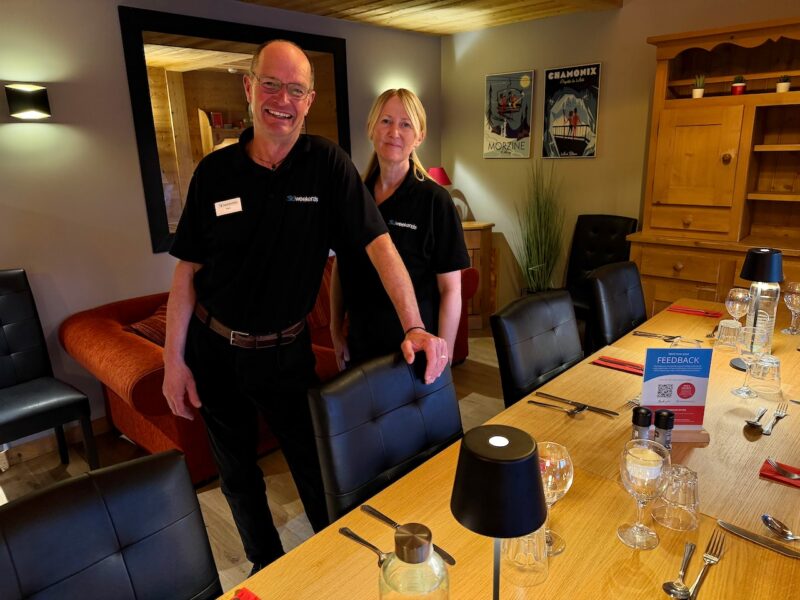
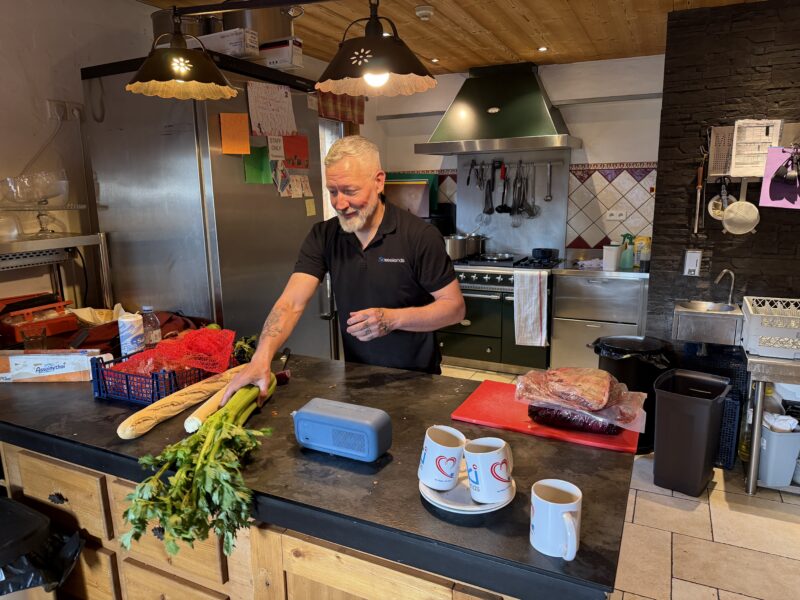
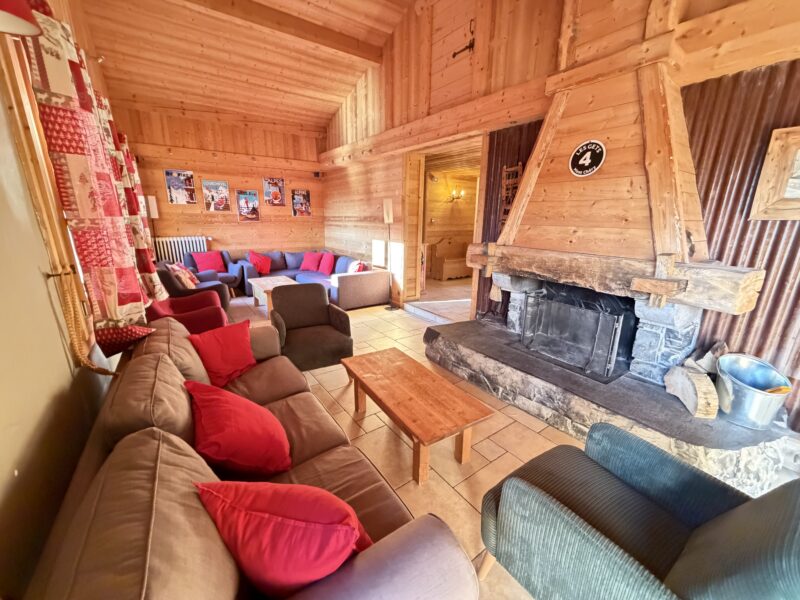
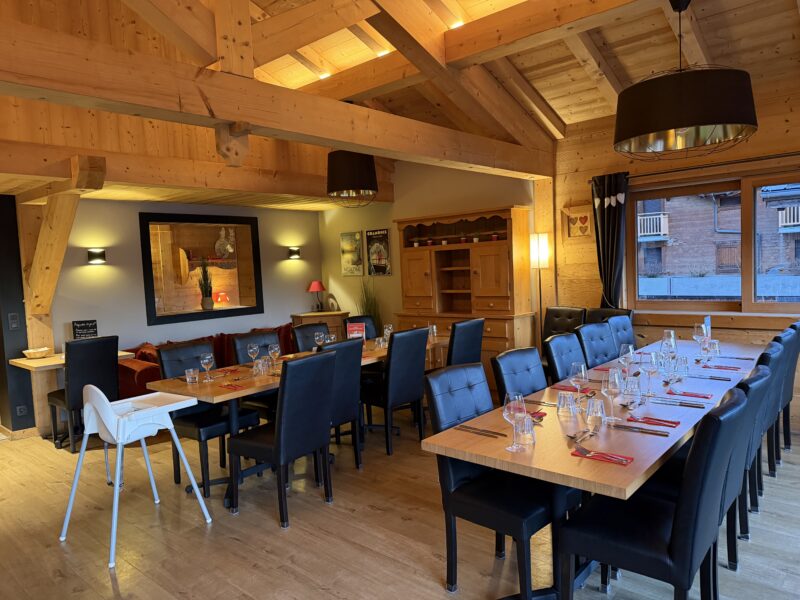
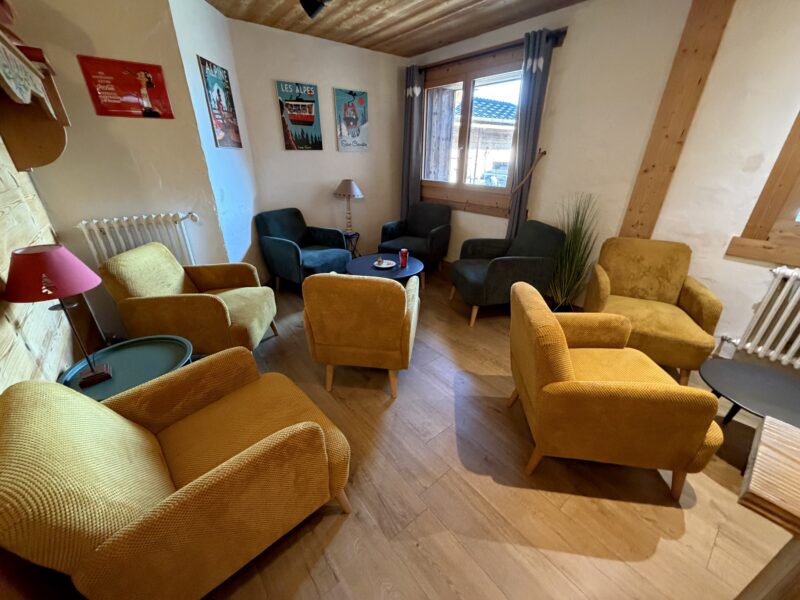
By 2026, the landscape of the catered chalet has shifted toward a model of high-end professionalization. Cove’s stay at Chalet Marjorie, operated by SkiWeekends, highlights this shift. The modern guest expects, and receives, a level of luxury previously reserved for elite hotels. This includes en-suite bathrooms for all guest rooms, sound-insulated construction, and, most notably, professional culinary standards. Modern chalet chefs, such as Marcus at Chalet Marjorie, are no longer teenagers with a week of training but experienced professionals.
Dan Fox, Managing Director of SkiWeekends, notes that guest expectations have been the primary driver of this change. According to Fox, the industry has moved away from the "Club Hotel" model of shared bathrooms and basic amenities. "Thirty years ago, people just loved to go skiing, and their expectations were different," Fox stated. "Today, everything matters more to our guests—from the quality of the wine to the speed of airport transfers. The industry has had to become significantly more professional than the heady days of the 1980s and 90s."
Economic and Political Headwinds: The Post-Brexit Reality
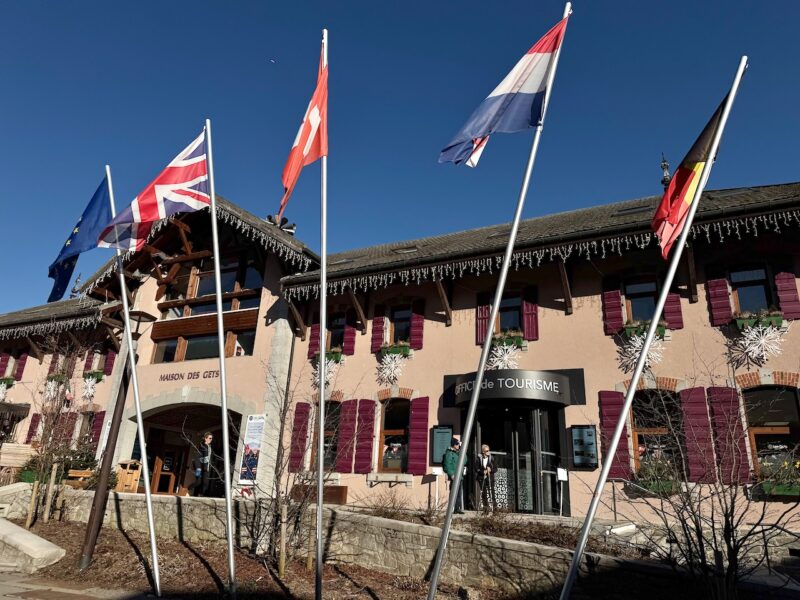
The demographic makeup of Les Gets has also shifted due to geopolitical factors. In the 1990s and early 2000s, British skiers and UK-based tour operators were the dominant force in the resort. However, 2026 data shows that Dutch and Belgian visitors now constitute the largest group of foreign tourists in Les Gets.
This shift is attributed to several factors, including the impact of Brexit on the UK travel industry. The end of freedom of movement has made it significantly more complex and expensive for British tour operators to employ UK staff in the European Union. Consequently, many major UK operators have withdrawn from Les Gets. SkiWeekends remains the only major UK tour operator with a significant presence in the resort for the 2026/27 season.
The cost of compliance has also risen. All staff at SkiWeekends are now employed on French payrolls, ensuring they receive the French minimum wage and social protections. While this has resulted in a more stable and professional workforce, it has inevitably increased the price point of the traditional ski holiday. Furthermore, the rise of online booking platforms and Airbnb has decentralized the market, moving it away from the traditional "all-inclusive" package model that dominated the 1990s.
Infrastructure Evolution: From the Red Egg to High-Speed Detachables
The most visible change on the mountainside is the technological advancement of the lift system. Les Gets is part of the Portes du Soleil, one of the world’s largest linked ski areas with over 600 kilometers of slopes. In the 1990s, the resort was synonymous with its iconic "red egg" gondola, a slow but beloved fixture of the village.
Today, the "red egg" has been replaced by a high-capacity, high-speed gondola that efficiently moves skiers to the Chavannes plateau. The surrounding slopes are now served by state-of-the-art machinery, including the Rosta Express, an eight-person high-speed detachable chairlift. These upgrades have drastically reduced lift lines and increased the amount of vertical descent a skier can achieve in a single day.
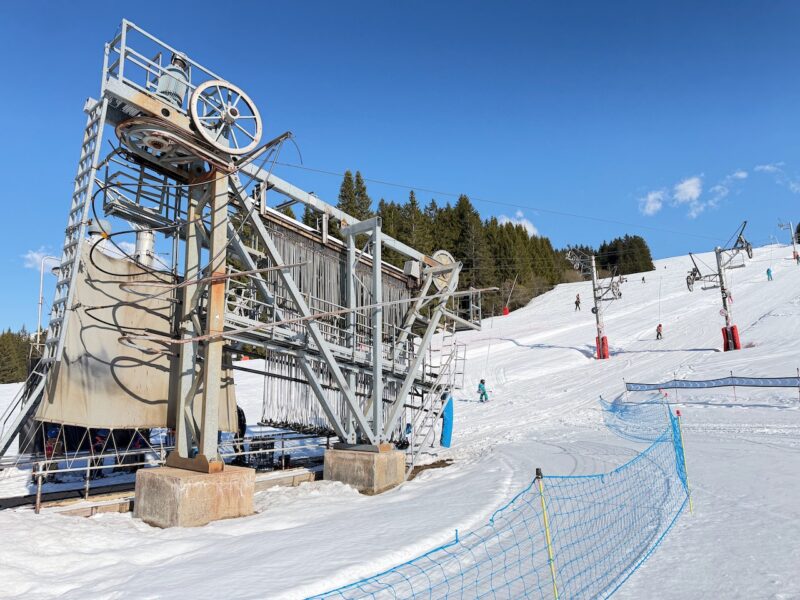
Despite this modernization, Les Gets has managed to preserve a unique piece of Alpine history. The resort remains home to the only privately owned ski lift in France. Operated by the Combepine family since 1946, the vintage lift offers a nostalgic contrast to the surrounding high-tech infrastructure. For a fee of five euros, skiers can experience a mode of transport that has remained largely unchanged for eighty years, providing a link to the resort’s post-war origins.
Diversification of the Mountain Product
As the cost of skiing has increased, resorts like Les Gets have diversified their offerings to appeal to non-skiers and those seeking more than just downhill runs. The "experience economy" has arrived in the Alps, manifested in several new attractions:

- Les Aigles du Léman: Located at the Pointe de Nyon (1,500m), this conservation-focused aviary allows visitors to interact with birds of prey, including condors, eagles, and snowy owls. Founded by Jacques-Olivier Travers, the initiative combines tourism with environmental education.
- Viewing Platforms and Digital Integration: Modern tourists increasingly seek "Instagrammable" moments. Les Gets has installed several viewing platforms, including one equipped with a remote-controlled selfie camera activated via a smartphone app. This reflects a level of digital integration that was unimaginable in the mid-90s.
- Expansion of Ski Touring: Reflecting a global trend toward fitness and "slow travel," the resort has designated specific uphill tracks for ski touring, a discipline that has seen exponential growth over the last decade.
The Existential Challenge of Climate Change
Perhaps the most significant change over the thirty-year period is the environmental outlook. Les Gets sits at an altitude of 1,172 meters, with its highest skiing reaching just over 2,000 meters. In the current climate reality, these elevations are increasingly vulnerable to rising temperatures.
While the 2025/26 season saw healthy snowfalls, the long-term trend has forced the resort to take radical action. The "Solegets" project represents a strategic pivot for the community. The plan involves moving the primary ski base and learning areas from the village level up to the Chavannes plateau, which sits at a higher, more snow-reliable altitude.

Clara Bouvier of the Les Gets Tourist Office emphasized that this move is a matter of survival. "It is necessary to move the base in order for people to be able to continue to ski," Bouvier stated. The transition, expected to take place over the next 15 to 20 years, aims to preserve the village’s culture while detaching the core ski product from the increasingly unreliable lower slopes. This proactive approach is being closely watched by other low-altitude resorts across the Alps.

Enduring Appeal and Future Outlook
Despite the myriad changes, the core appeal of Les Gets remains its "village" feel. Unlike purpose-built "station" resorts like Avoriaz or Val Thorens, Les Gets is a year-round community with a history that predates the ski boom. The abundance of family-run mountain restaurants, such as the highly-regarded Chez Nannon, continues to provide a sense of local authenticity and "charme" that modernization has not erased.

The skiing itself remains versatile. While often marketed as a family-friendly beginner resort, Les Gets offers significant freeride terrain and challenging runs like the Chamossière red, which remains a benchmark for technical skiing in the region.

As the resort looks toward the 2026/27 season and beyond, it faces a dual challenge: maintaining its competitive edge in a luxury-driven market while navigating the physical constraints of a warming planet. The evolution from the basic, British-centric enclave of the 1990s to the sophisticated, multi-national destination of today suggests that Les Gets possesses the adaptability required to survive. However, the next thirty years will likely require even more profound changes as the resort moves its very foundation higher into the mountains to chase the receding snowline.

