
A family has initiated legal proceedings against Vail Resorts, alleging that their young daughter sustained severe, life-altering burns due to a hot chocolate spill at Heavenly Mountain Resort. The incident, which occurred during the 2023-24 ski season, has resulted in permanent scarring for the five-year-old girl, prompting the lawsuit seeking substantial monetary damages. The family’s legal team asserts that the resort’s actions, or lack thereof, were negligent and demonstrated a disregard for the potential for harm.
The Incident and Its Immediate Aftermath
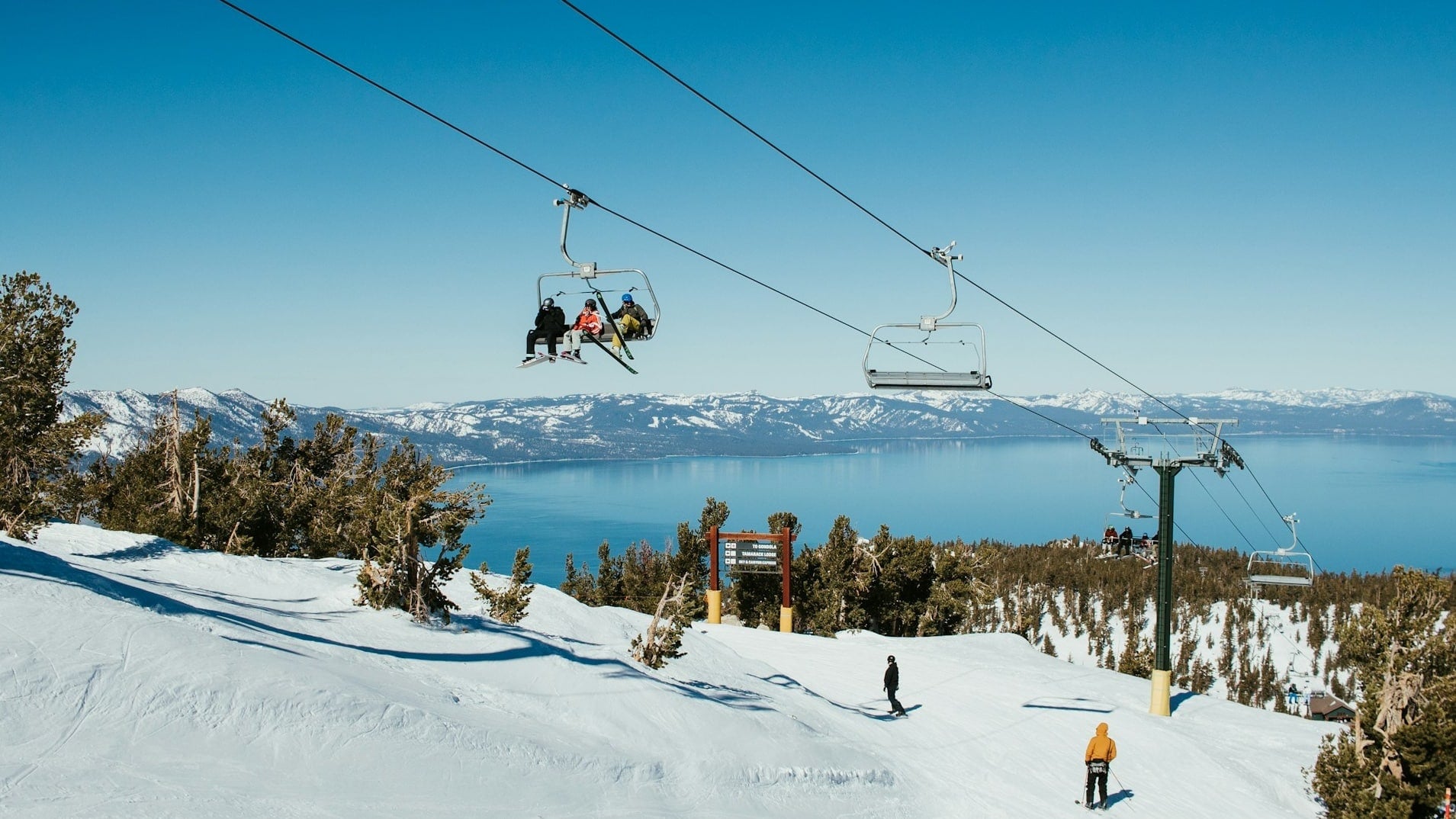
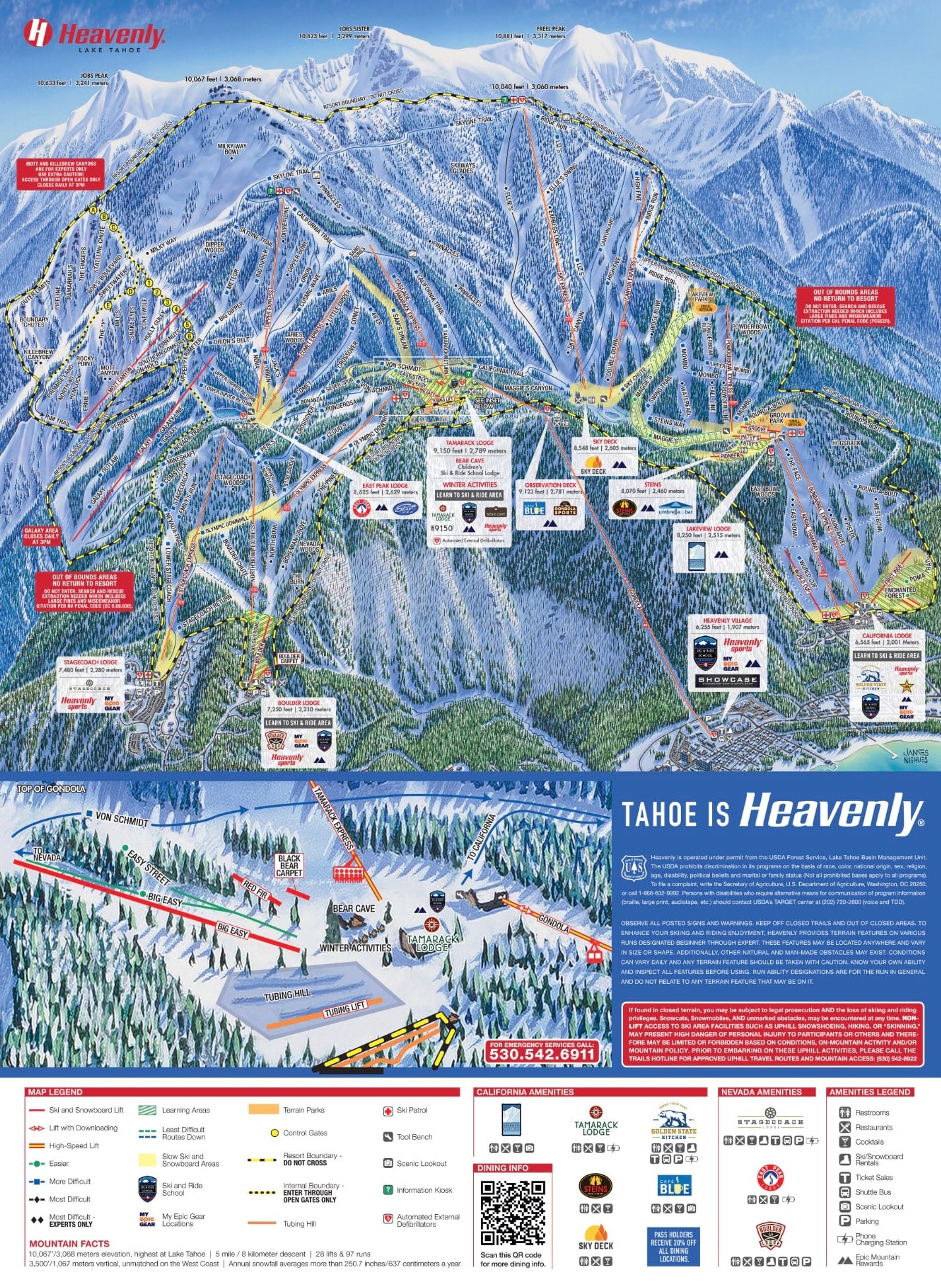
The incident reportedly took place at the Sky Deck, a popular dining venue at Heavenly Mountain Resort. According to the lawsuit filed by the Burns family, Brittany Burns purchased a hot chocolate for her daughter at the to-go counter. The complaint details that as the child attempted to take a sip of the beverage, it spilled inside her ski suit, directly onto her abdomen and chest. The extreme temperature of the hot chocolate is cited as the cause of the severe burns.
Emergency medical attention was sought immediately following the spill. While the exact details of the initial medical response are not publicly available, the extent of the injuries necessitated extensive treatment, the costs of which are a significant component of the lawsuit. The burns are described as having resulted in permanent scarring, a consequence that has deeply affected the child and her family.
Legal Allegations and Claims
The lawsuit, filed against Vail Resorts, the parent company of Heavenly Mountain Resort, outlines several key allegations. The family’s legal representatives are claiming negligence, asserting that the hot chocolate was served at a temperature that posed an unreasonable risk of harm. The complaint explicitly states that the resort’s conduct was "known, intentional, malicious, and without due care for the likelihood of injury." This strong language suggests the plaintiffs believe the resort was aware of the risks associated with serving beverages at such high temperatures without adequate precautions.
The plaintiffs are seeking monetary damages to cover a range of expenses and losses. These include, but are not limited to, current and future medical bills, pain and suffering, emotional distress, and compensation for the permanent disfigurement and diminished quality of life the child is expected to endure. The exact sum being sought has not been disclosed, but such lawsuits typically involve substantial figures, especially in cases involving severe injuries to a minor.
Precedents in Hot Beverage Litigation
This case draws parallels to several high-profile lawsuits involving scalding hot beverages, most notably the 1994 McDonald’s coffee case. In that landmark lawsuit, a woman was awarded millions of dollars after spilling extremely hot coffee on herself, sustaining third-degree burns. The court found that McDonald’s had been aware of the dangers of its coffee’s temperature, having received numerous prior complaints, yet failed to adequately warn customers or adjust the serving temperature. While the initial award was later reduced, the case established a precedent for holding businesses liable for serving beverages at dangerously high temperatures.
More recently, in early 2024, Starbucks faced a significant legal challenge when a delivery driver was awarded $50 million. This settlement stemmed from a spill caused by a worker who allegedly failed to properly secure the lid of a beverage, leading to a severe burn injury. These precedents highlight a growing legal scrutiny on the handling and serving of hot liquids in public establishments and the potential liabilities faced by corporations.
Analyzing the Legal Landscape for Vail Resorts
The lawsuit against Vail Resorts will likely hinge on several legal factors. A critical element will be proving that the hot chocolate was served at an unreasonably dangerous temperature. Expert testimony from culinary and safety professionals may be sought to establish the appropriate temperature range for hot beverages intended for immediate consumption.
The presence of liability waivers, common in the ski industry, could also play a significant role. These waivers typically aim to protect resorts from claims arising from inherent risks associated with skiing and resort activities. However, the applicability of such waivers to injuries sustained from a food or beverage product served by the resort, rather than an activity on the slopes, may be a point of contention. The family’s legal team will aim to demonstrate that the spill was not an inherent risk of skiing but rather a consequence of negligence in product preparation and service.
Furthermore, the lawsuit’s emphasis on the resort’s alleged "known, intentional, malicious, and without due care" conduct suggests the plaintiffs may be attempting to argue for punitive damages, which are intended to punish the defendant for egregious behavior.
The article also raises a pertinent question regarding the inherent nature of the word "hot" in the product’s name. While the term itself implies a degree of heat, the legal threshold for "dangerously hot" is distinct. The expectation is that a beverage labeled "hot chocolate" would be warm and enjoyable, not at a temperature capable of causing severe burns. The family’s argument will likely focus on the degree of heat exceeding reasonable expectations for safe consumption.
Timeline and Future Proceedings
The incident occurred during the 2023-24 ski season. The lawsuit was subsequently filed, and the legal process is expected to unfold over the coming months. Notably, the case is not slated for trial until the next winter season, indicating a potentially lengthy legal battle. This timeline allows for extensive discovery, expert witness preparation, and potential settlement negotiations.
Vail Resorts, as is its standard practice, has not released a public statement regarding the ongoing litigation. The company generally refrains from commenting on active legal cases to avoid prejudicing proceedings or making public admissions.
Broader Implications for the Ski Industry and Consumers
This lawsuit brings to the forefront broader issues of consumer safety and corporate responsibility within the hospitality and recreational industries. For ski resorts, which often operate extensive food and beverage services in addition to recreational activities, ensuring the safe preparation and serving of all products is paramount. The potential for severe injuries, even from seemingly innocuous items like hot beverages, underscores the need for rigorous safety protocols and staff training.
Consumers, in turn, may become more vigilant regarding the temperature of hot beverages they receive at public establishments. The outcome of this case could influence industry standards and practices concerning beverage temperature control and customer warnings. It also serves as a reminder that while recreational activities carry inherent risks, businesses have a duty of care to prevent foreseeable harm from their products and services. The resolution of this case will be closely watched for its potential impact on consumer protection and corporate liability in the future.

