
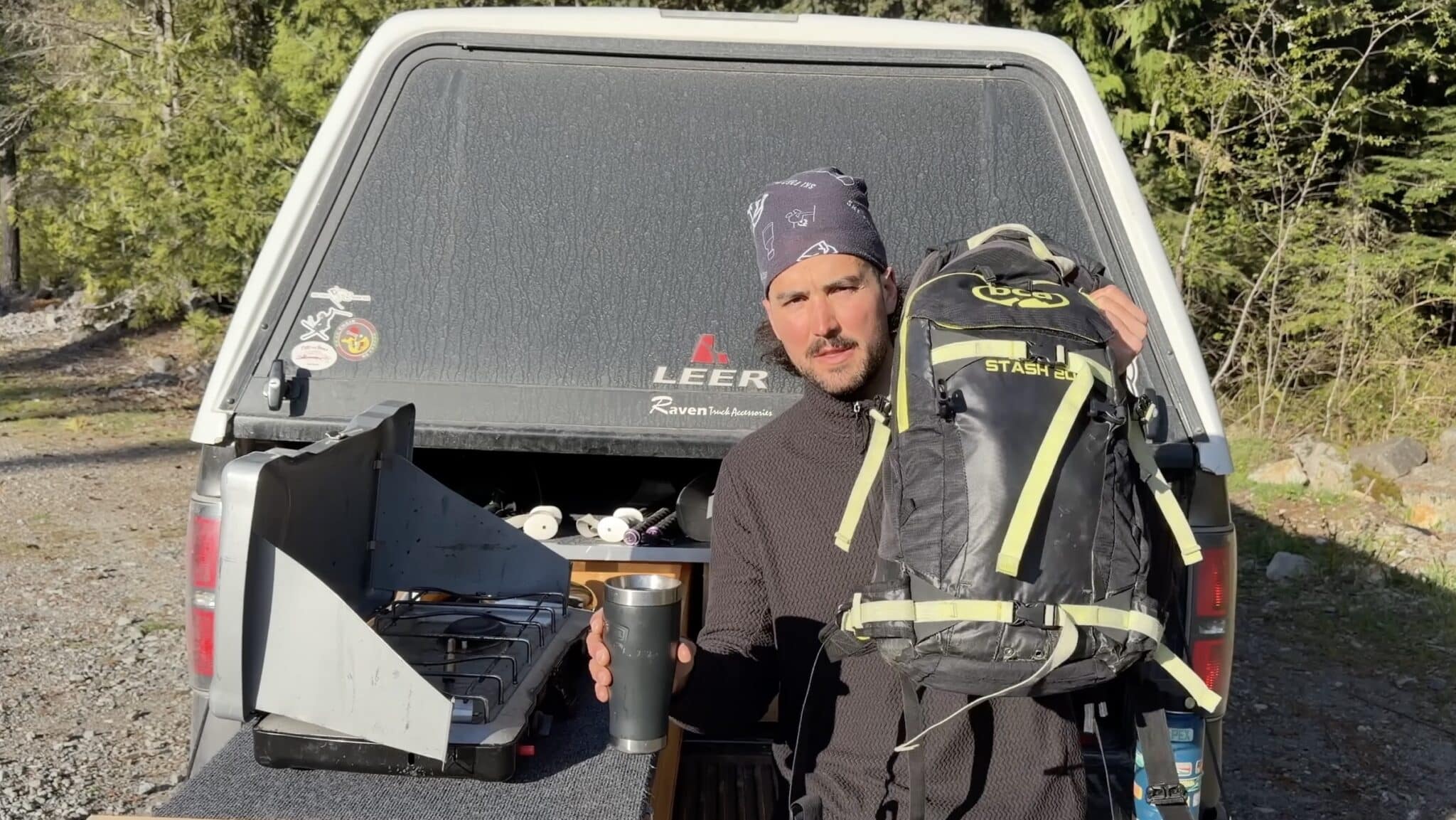
The perennial question of whether skiers and snowboarders should don a backpack for a day of resort riding has resurfaced, sparking renewed discussion within the snow sports community. While many ski areas provide ample on-mountain amenities, a significant portion of riders continue to carry a pack, prompting an examination of the practicalities and perceived benefits. This debate, recently highlighted by YouTuber Rise & Alpine, delves into the reasons behind this seemingly counterintuitive practice.
The Case Against the Resort Backpack
The arguments against carrying a backpack on groomed slopes are often rooted in practicality and performance. For many, backpacks are perceived as cumbersome impediments, potentially disrupting balance and hindering the fluidity of turns. The physical bulk can also present challenges on crowded chairlifts and may even affect a rider’s aesthetic on the mountain. For those who prioritize unencumbered movement and a minimalist approach to their gear, the resort backpack can appear superfluous, especially when considering the readily available facilities at most ski resorts, such as warming lodges, on-site dining, and readily accessible restrooms. The primary concern for these individuals is often the potential for the pack to detract from the pure enjoyment and technical execution of skiing or snowboarding.
The Multifaceted Rationale for Carrying a Backpack
Conversely, a growing number of skiers and snowboarders find significant value in carrying a backpack, even within the confines of a resort. Rise & Alpine’s comprehensive inventory of items carried in his pack offers a compelling glimpse into the diverse needs and preparedness of modern snow sports enthusiasts. His list includes essential avalanche safety equipment, such as a beacon, shovel, and probe, which, while often associated with backcountry excursions, can be crucial in specific resort scenarios involving unmarked or hazardous terrain, avalanche control zones, or unexpected incidents. Beyond safety, the pack serves as a mobile storage unit for items that enhance comfort and adaptability throughout a day on the mountain.
Essential Contents for On-Slope Preparedness
The contents detailed by Rise & Alpine illustrate a commitment to comprehensive preparedness:
- Safety and Emergency Gear: Avalanche safety equipment (beacon, shovel, probe), whistle, pain relievers, first-aid supplies, and a face cover for frostbite prevention.
- Weather Adaptability: An extra goggle lens for changing light conditions, backup gloves to combat moisture, a poncho for unexpected precipitation, and an extra insulating layer.
- Sustenance and Comfort: Snacks and a water bottle to maintain energy levels and hydration, hand warmers for extreme cold, and sunscreen to protect against high-altitude UV exposure.
- Convenience and Maintenance: Ski straps for impromptu repairs, paper towels for cleaning, and a neck buff for versatile warmth and protection.
- Documentation and Communication: Various camera accessories for capturing the experience, suggesting a growing trend of content creation within resort environments.
This extensive list underscores the idea that a backpack can transform a rider’s experience from simply enjoying the slopes to being fully equipped for a variety of situations, from minor inconveniences to more serious emergencies.
Analyzing the Resort Terrain and Risk Factors
The necessity of carrying avalanche safety gear on-resort is a nuanced point that depends heavily on the specific mountain and its operational protocols. While many resorts maintain meticulously patrolled and controlled slopes, a growing number are incorporating or bordering on areas that present inherent backcountry risks. Resorts that offer access to sidecountry or operate in avalanche-prone zones, even with designated in-bounds terrain, necessitate a higher level of preparedness. For instance, a sudden storm can create unpredictable snowpack conditions, and even within resort boundaries, natural slides can occur. Therefore, for riders who frequent such areas or are adventurous enough to explore the edges of resort boundaries, the inclusion of avalanche safety equipment is not merely a preference but a prudent safety measure. Data from organizations like the Colorado Avalanche Information Center (CAIC) consistently highlight the importance of carrying the "avalanche trifecta" (beacon, shovel, probe) even in areas adjacent to resorts, underscoring the blurred lines between controlled environments and natural hazards.
The Evolving Landscape of Resort Riding
The inclusion of camera gear in a rider’s backpack also reflects a significant shift in how individuals engage with snow sports. The rise of social media and the desire to document and share experiences have led many to carry equipment ranging from GoPros to more sophisticated camera setups. This trend, while enhancing the potential for content creation, adds another layer to the weight and bulk considerations associated with resort backpacks.
Perspectives on Personal Preparedness
While the comprehensive approach espoused by Rise & Alpine is valid for some, many riders adopt a more scaled-back strategy. This often involves carrying only the most critical items, such as an extra goggle lens, sunscreen, and perhaps a few snacks, stowed in jacket pockets or a smaller, minimalist pack. This approach prioritizes an unencumbered skiing experience while still acknowledging the need for basic comfort and protection. The remaining items are often left in a vehicle or lodge, accessible if needed, thereby balancing convenience with a lighter load on the slopes.
The Social Dimension: The "Buddy System" Approach
A common and often humorous solution to the backpack debate involves the "buddy system." This informal arrangement allows individuals to offload their drinks, snacks, and extra gear onto a designated backpack-carrying friend. This strategy ensures that everyone can enjoy the sensation of skiing or snowboarding without the added weight, while still having access to shared provisions. This highlights the social aspect of snow sports, where shared resources and a degree of mutual support can enhance the overall experience for a group.
Conclusion: A Spectrum of Choices
Ultimately, the decision to wear a backpack on resort slopes is a personal one, influenced by individual priorities, the specific terrain being ridden, and the prevailing weather conditions. While some may find them unnecessary encumbrances, for others, they represent a vital tool for safety, comfort, and adaptability. As resorts continue to evolve and the culture of snow sports expands, the backpack debate is likely to persist, reflecting the diverse needs and preferences of the mountain community. The key lies in understanding one’s own riding style, the environment, and making informed choices that prioritize both enjoyment and safety. The trend toward carrying more gear suggests a growing awareness of the potential for varied conditions and a desire for self-sufficiency, even in the most accessible of snow sports settings. The evolution of resort offerings, coupled with advancements in backpack technology designed for comfort and load distribution, may further influence this ongoing discussion in the years to come.

