
Arapahoe Basin’s East Wall: An Iconic Challenge for Expert Skiers
Nestled high in the Colorado Rockies, Arapahoe Basin stands as a testament to raw, untamed skiing. Renowned for its extreme elevation and challenging terrain, the resort offers a distinct experience that appeals to those seeking more than just groomed runs. However, it is within the formidable confines of the East Wall that Arapahoe Basin’s reputation for steep and demanding skiing is most profoundly cemented. This legendary zone, characterized by its dramatic scale, technical descents, and unpredictable conditions, presents a compelling objective for any serious skier looking to test their mettle.
The Allure of the East Wall: Altitude and Attitude
Arapahoe Basin’s strategic location at an average elevation of 10,780 feet, with its summit reaching 13,050 feet, already places it among the highest ski areas in North America. This altitude contributes to exceptional snow quality and extends the ski season well into the summer months for certain areas. The resort’s commitment to preserving a natural, rugged aesthetic means that a significant portion of its terrain remains ungroomed, encouraging skiers to navigate variable snow conditions and natural obstacles.
The East Wall, however, represents the apex of this challenge. It is not merely a collection of steep slopes; it is a vast, alpine amphitheater carved by nature, offering a diverse array of descents that demand advanced technical skills and a keen understanding of snowpack stability. The sheer vertical relief and the rugged nature of the lines demand respect and preparation, making it a sought-after destination for skiers who have honed their abilities on more conventional terrain.
Access and The Hike: A Rite of Passage
Reaching the East Wall is an endeavor in itself, a deliberate process that filters out all but the most committed skiers. Access is gained via a strenuous boot pack that ascends along the ridgeline, commencing from the upper terminals of the Lenawee and Zuma chairs. This ascent is not for the faint of heart. Exposed to the elements, it is situated at a significant altitude, making breathing more labored and increasing the physical exertion. Furthermore, the ridgeline is frequently subjected to intense winds, which can buffet skiers and create challenging footing.
This challenging approach serves as a natural gatekeeper, ensuring that those who arrive at the East Wall are not only physically prepared but also mentally attuned to the demands of the terrain ahead. The hike is more than just a means to an end; it is an integral part of the East Wall experience, a rite of passage that builds anticipation and reinforces the commitment required to ski its formidable lines. The panoramic views from the ridgeline, while breathtaking, also serve as a stark reminder of the exposed nature of the environment.
Terrain Diversity and Technical Demands
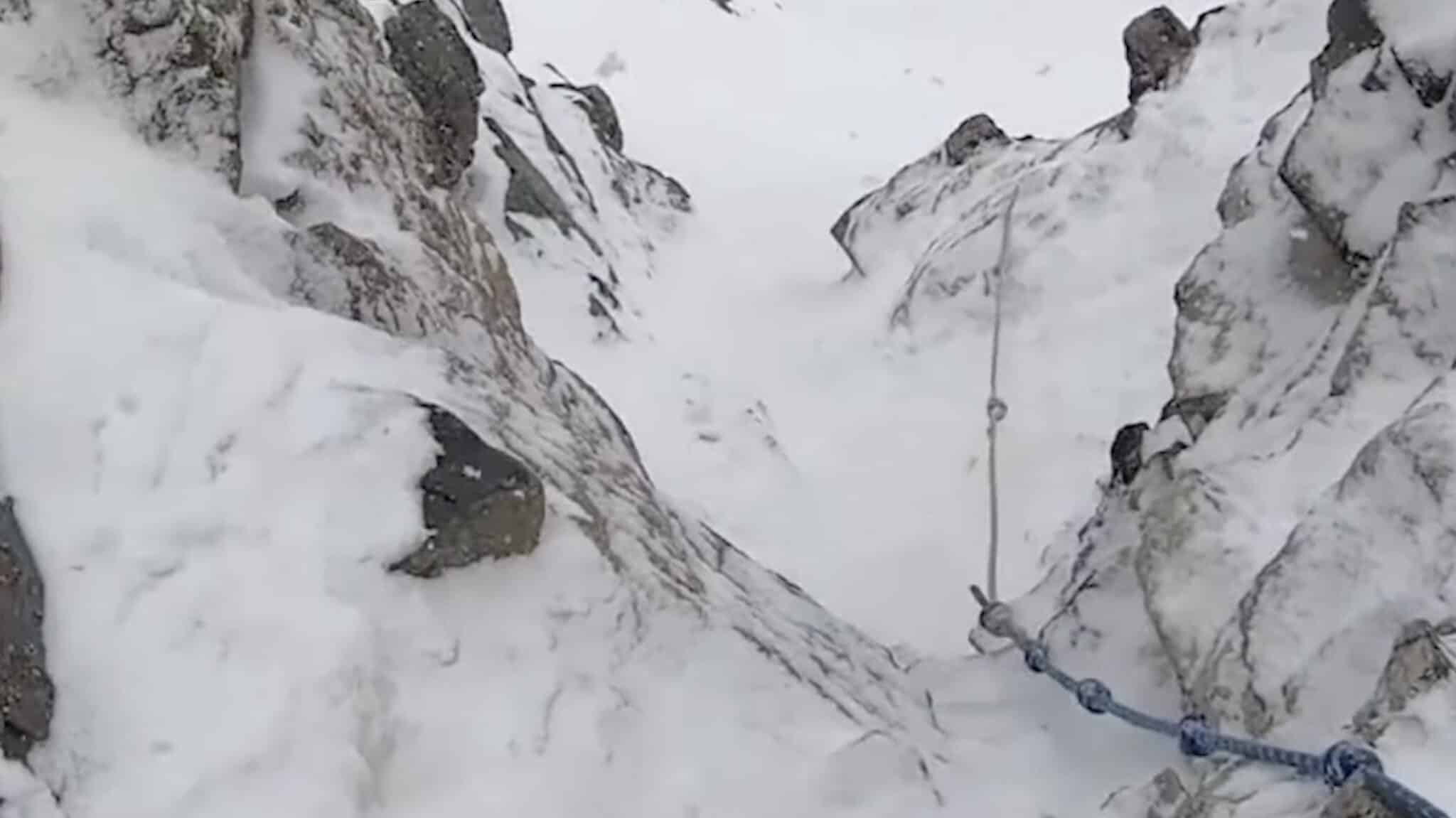
Upon reaching the summit access point of the East Wall, skiers are presented with a breathtaking and daunting panorama of potential descents. The wall itself is an expansive feature, characterized by dozens of distinct lines, each offering a unique set of challenges. These range from broad, steep faces that demand precise edge control and the ability to manage high speeds on variable snow, to narrow, rock-lined chutes that require expert navigation, quick reflexes, and the confidence to commit to tight lines.
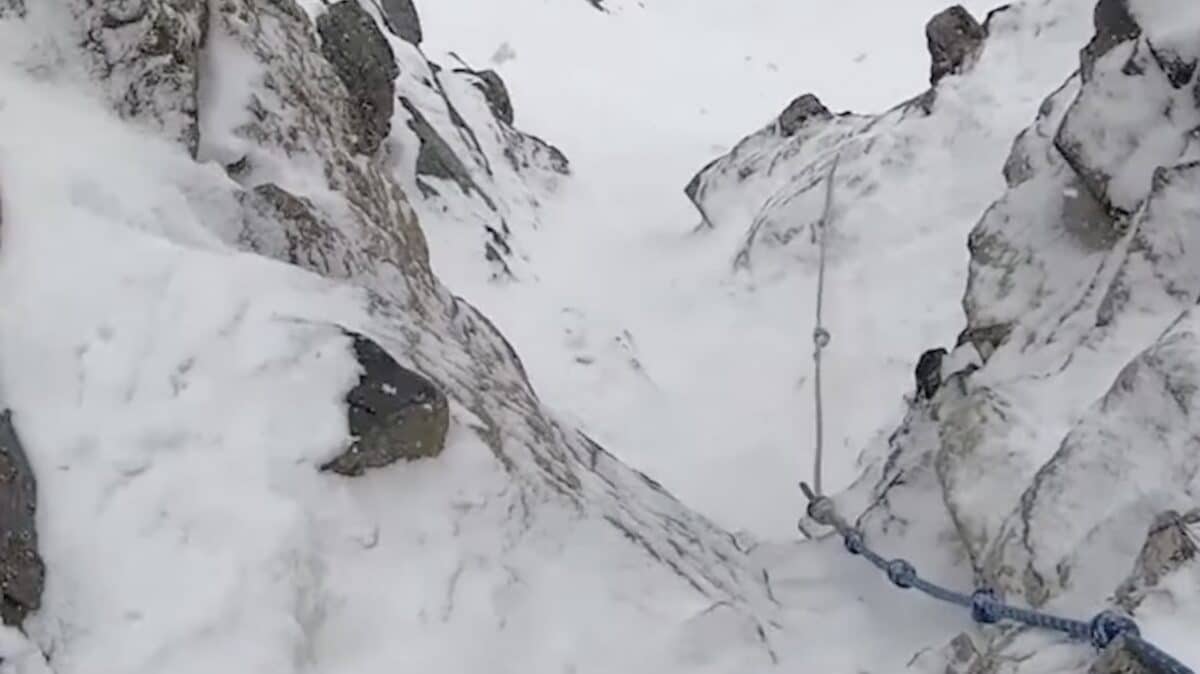
The entrances to many of these lines are particularly notorious. They can be steep, rocky, and require careful assessment of snow depth and stability before committing. In years with lighter snow accumulation, accessing some of the more desirable chutes, such as the infamous "second notch," may even necessitate a controlled downclimb. This requirement adds another layer of technicality and highlights the fact that the East Wall is not a place for casual skiing. It demands a high degree of technical proficiency, including expert-level skiing, snow assessment, and route-finding skills.
Seasonal Variability and Optimal Conditions
The East Wall’s exposure and high-alpine environment mean that its opening and skiability are heavily dependent on snow conditions. Typically, due to the nature of the terrain and the potential for avalanche activity, the East Wall is one of the last areas on the mountain to open for skiing. In lean snow years, it may not be accessible until February or even March. This delayed opening, however, often corresponds with the most stable snowpack and the best conditions for tackling its challenging lines.
When the snow finally fills in adequately, the East Wall transforms into a premier expert zone, offering some of the most rewarding and memorable skiing in Colorado. The combination of steep gradients, natural features like rock outcroppings and wind-lips, and the potential for soft, untracked powder makes it a highly desirable destination for advanced skiers. For those who can plan their ski trips around these late-season conditions, the East Wall becomes a compelling reason to extend their winter adventures in Colorado. The anticipation built throughout the season culminates in the opportunity to ski a truly legendary segment of the mountain.
The Arapahoe Basin Ethos: A Legacy of Challenge
Arapahoe Basin has cultivated a reputation for catering to skiers who appreciate authentic, challenging terrain. Its history is intertwined with the development of skiing in Colorado, and it has consistently resisted the trend towards becoming an overly commercialized resort. This commitment to preserving a raw, mountain experience is embodied by areas like the East Wall.
The resort’s management has historically prioritized the safety and integrity of its advanced terrain. Access to the East Wall is carefully managed, with gates that are opened only when patrol deems conditions to be safe. This approach underscores the resort’s dedication to providing a challenging yet manageable experience for its most experienced clientele. The East Wall is not merely an attraction; it is a significant part of Arapahoe Basin’s identity and its legacy within the ski community.
Supporting Data and Analysis
The East Wall’s challenging nature is quantifiable. While precise slope gradients are not always officially published for such natural terrain, expert estimates suggest that many of the main faces and chutes can reach angles exceeding 45 degrees, with some sections potentially reaching 50 degrees or more. This places them firmly in the realm of expert-level skiing, comparable to or exceeding the steepness of many world-renowned extreme ski venues.
Furthermore, the altitude at which the East Wall is situated means that skiers are operating in a thinner atmosphere. This physiological factor can impact performance and endurance, adding another dimension to the challenge. The average annual snowfall at Arapahoe Basin is approximately 350 inches, but the distribution of this snow across the various aspects of the East Wall, coupled with wind loading and redistribution, creates highly variable microclimates and snow conditions. This unpredictability is a key characteristic of the East Wall’s allure and its inherent difficulty.
Broader Impact and Implications for Ski Tourism
The presence of iconic, challenging terrain like the East Wall has a significant impact on a ski resort’s brand and its appeal to a specific demographic of skiers. For Arapahoe Basin, it solidifies its position as a destination for serious skiers, attracting individuals who are willing to travel and plan their trips around experiencing such unique and demanding mountain environments. This niche appeal can lead to a dedicated and loyal customer base.
Moreover, the East Wall serves as a benchmark for advanced skiers. It is a place that is talked about, aspired to, and discussed among the skiing community. This word-of-mouth marketing and the aspirational nature of conquering such a renowned zone contribute to the resort’s mystique and its enduring appeal. While not a high-volume attraction due to its inherent difficulty, its existence enhances Arapahoe Basin’s overall value proposition for a discerning clientele. The implications extend beyond just attracting skiers; it contributes to the overall narrative and legend of Colorado skiing.
Conclusion: An Unforgettable Alpine Experience
Arapahoe Basin’s East Wall is more than just a ski run; it is an alpine challenge that embodies the spirit of extreme skiing. The arduous ascent, the breathtaking scale of the terrain, and the technical demands of the descents combine to create an unforgettable experience for those who are physically and technically prepared. It is a place where the raw power of nature meets the skill and determination of the skier, offering a profound connection to the mountain and a true test of one’s abilities. For any serious skier, a successful descent of the East Wall represents a significant accomplishment and a memorable chapter in their skiing journey, a testament to the enduring allure of Colorado’s legendary alpine landscapes.

