
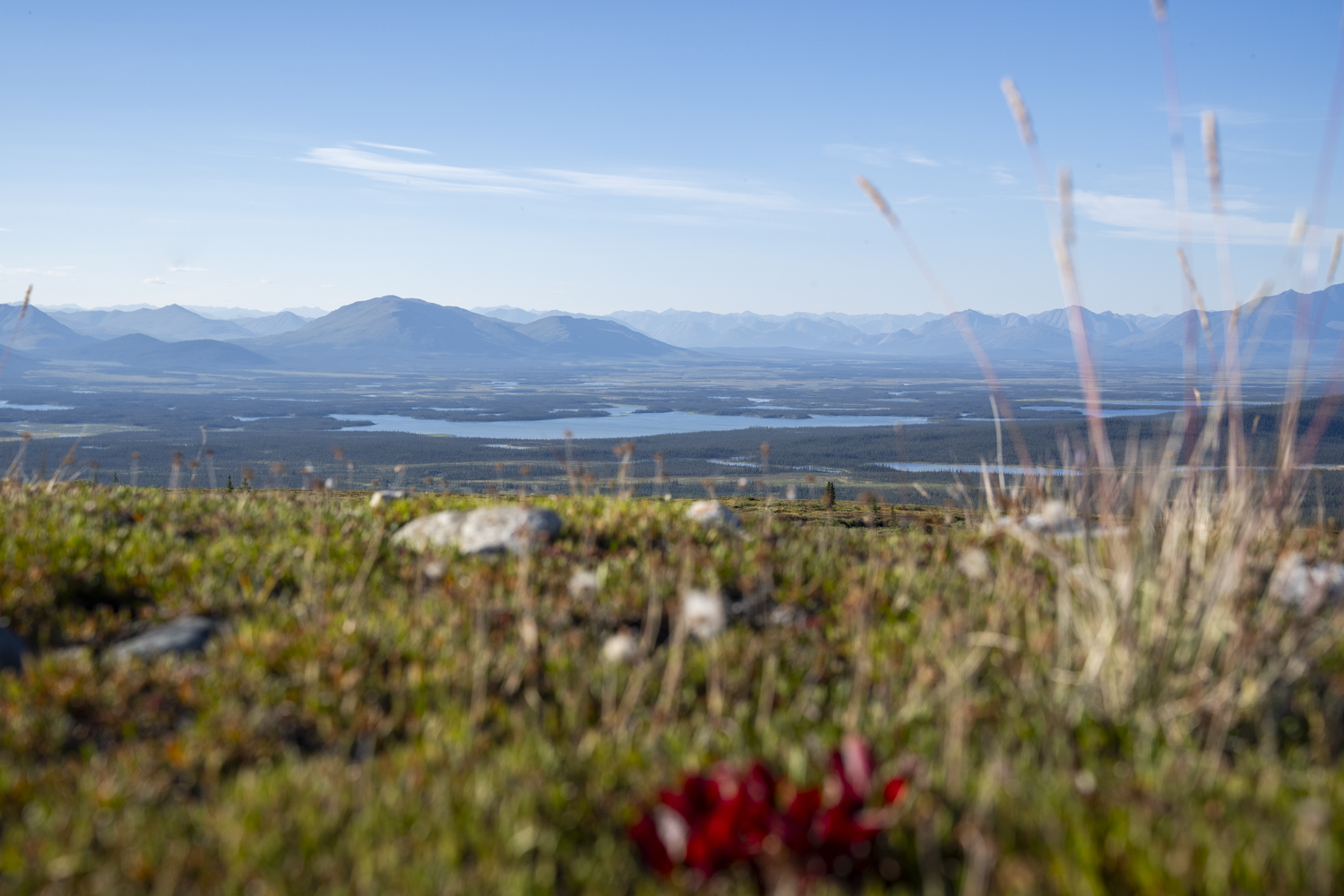
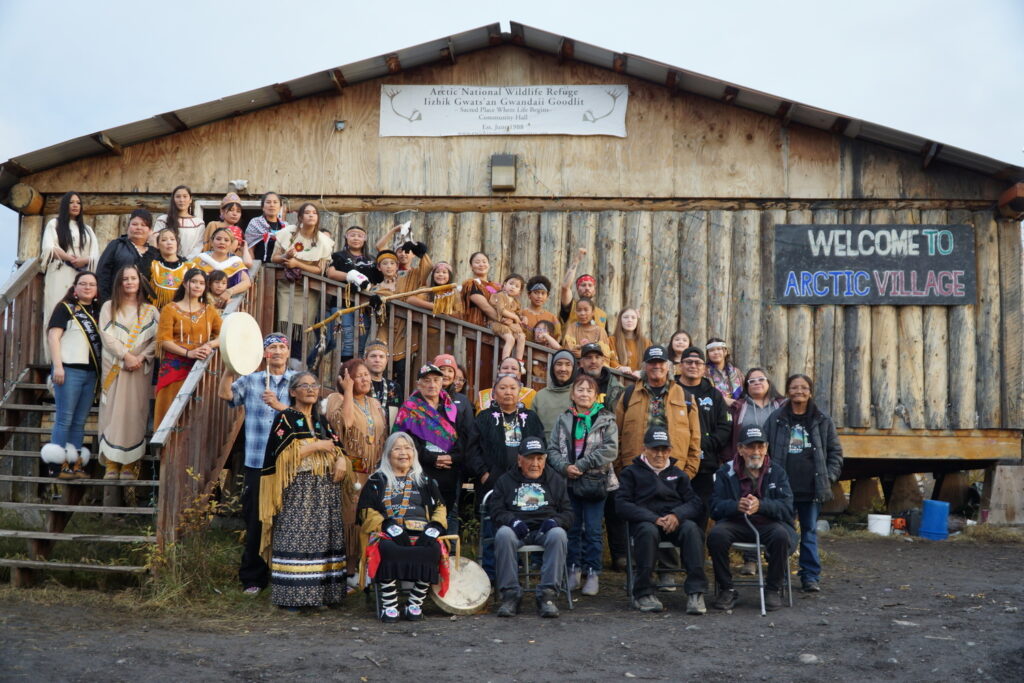
In early September, Brennan Lagasse, a member of the Protect Our Winters (POW) Creative Alliance and a professor of sustainability at the University of Nevada, Reno at Lake Tahoe, traveled to the remote community of Vashraii K’oo, also known as Arctic Village, Alaska. His arrival coincided with an emergency gathering of the Gwich’in Nation, a meeting necessitated by what tribal elders and environmental advocates describe as an imminent threat to the Arctic National Wildlife Refuge (ANWR). The focus of the gathering was the looming prospect of seismic exploration—a precursor to oil drilling—within the 19.6-million-acre refuge, an area that serves as both the spiritual home of the Gwich’in people and the vital calving grounds for the Porcupine caribou herd.
The Gwich’in, whose name translates to "People of the Caribou," have maintained a nomadic and subsistence-based relationship with the Porcupine caribou for millennia. This recent emergency summit was only the latest chapter in a multi-generational struggle to preserve the Coastal Plain of the refuge, an area the Gwich’in refer to as "Iizhik Gwats’an Gwandaii Goodlit" (The Sacred Place Where Life Begins). While the Gwich’in typically hold biennial gatherings to reaffirm their commitment to land protection, the calling of an emergency session underscores the perceived acceleration of industrial threats and the potential for irreversible ecological damage.
The Technical and Ecological Threat of Seismic Exploration
At the heart of the current crisis is the process of seismic exploration, a method used by energy companies to map underground oil and gas reserves. According to data provided by the Alaska Wilderness League, this process involves the deployment of massive "thumper trucks" weighing up to 90,000 pounds—roughly the weight of a herd of elephants. These vehicles are driven across the frozen tundra in a grid pattern, using heavy vibrations to create maps of the geological structures beneath the surface.
Environmental scientists warn that this process is far from benign. The fragile permafrost and insulating snow layers of the Arctic Refuge are highly susceptible to compaction. Even when conducted in winter, these heavy vehicles can leave "permanent scars" on the landscape, crushing native vegetation and altering the thermal balance of the soil. This disturbance can lead to "thermokarst" or localized melting of the permafrost, which permanently changes the hydrology and topography of the region.
Furthermore, the Coastal Plain serves as the primary denning habitat for Southern Beaufort Sea polar bears, a population already classified as threatened under the Endangered Species Act. Seismic activity, characterized by high-intensity acoustic pulses and heavy vehicle traffic, poses a direct risk to mother bears and cubs, potentially forcing them to abandon dens during the most vulnerable stages of their life cycle.
A Chronology of Conflict: From 1980 to the Present
The struggle over the Arctic National Wildlife Refuge is one of the longest-running environmental battles in American history. To understand the urgency of the current gathering, it is necessary to examine the legislative and judicial timeline that has shaped the refuge’s status:
- 1980: President Jimmy Carter signed the Alaska National Interest Lands Conservation Act (ANILCA), which established the refuge. However, Section 1002 of the act deferred a decision on whether to allow oil and gas leasing on the 1.5-million-acre Coastal Plain, pending further study.
- 1988: In response to renewed pressure to open the refuge for drilling, the Gwich’in Nation held its first unified gathering in over 100 years in Vashraii K’oo. The elders issued a mandate to protect the caribou calving grounds, a position that remains the official stance of the Gwich’in Steering Committee today.
- 2017: The passage of the Tax Cuts and Jobs Act included a provision, championed by the Alaska congressional delegation, that mandated the Department of the Interior to hold two lease sales in the Arctic Refuge by 2024. This effectively bypassed the environmental protections that had been in place for decades.
- 2021: On his first day in office, President Joe Biden issued an executive order placing a temporary moratorium on all oil and gas leasing activities in the refuge. Later that year, a lease sale held in the final days of the previous administration drew minimal interest, with a state-owned corporation being the primary bidder.
- 2023-2024: Despite the moratorium, the threat of seismic exploration and legal challenges to the lease suspensions have kept the region in a state of flux. The Bureau of Land Management (BLM) has been tasked with conducting a Supplemental Environmental Impact Statement (SEIS) to address the legal deficiencies of previous leasing plans.
Inside the Gathering: A Non-Western Directive for Preservation
Professor Lagasse, who has been visiting Arctic Village since 2014, noted that the atmosphere of the emergency gathering differed significantly from standard bureaucratic or academic conferences. Held in the same community hall built for the historic 1988 gathering, the meeting followed a "non-Western directive" requested by the elders. There was no rigid hourly agenda; instead, the focus remained entirely on the protection of the refuge, allowing for deep discussion, personal testimony, and strategic planning.
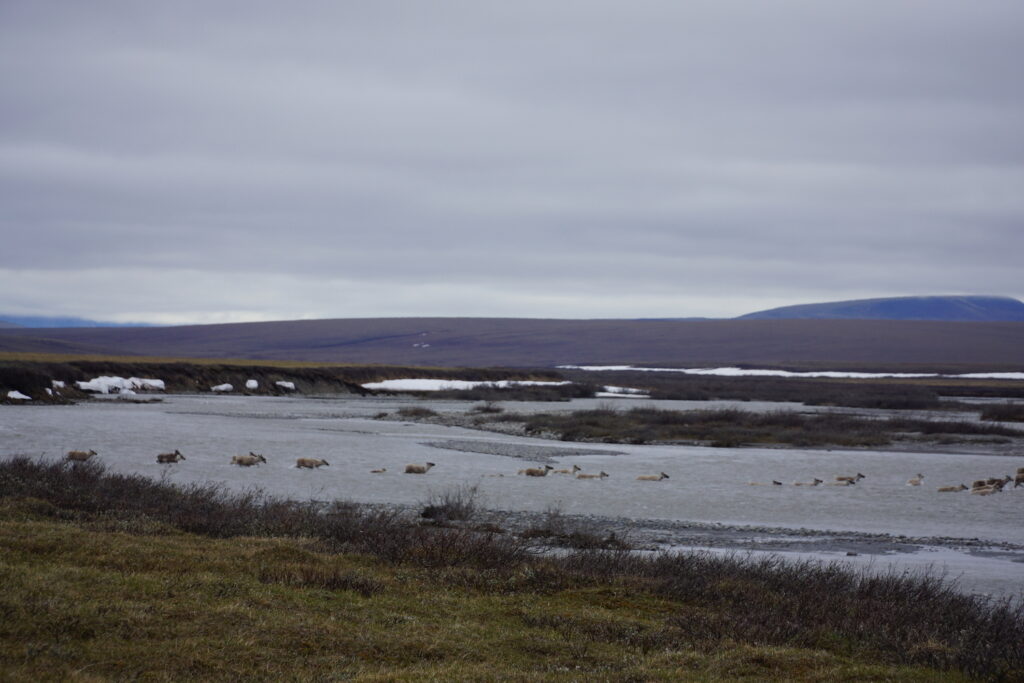
The gathering brought together tribal leaders from both Alaska and Canada, reflecting the transboundary nature of the Porcupine caribou herd’s migration. The herd travels thousands of miles annually, the longest migration of any land mammal on Earth, crossing international borders to reach the nutrient-rich grasses of the Coastal Plain. For the Gwich’in, the health of the caribou is directly tied to the health of the people. If the calving grounds are disturbed, the entire migratory pattern could collapse, threatening the food security and cultural identity of dozens of Indigenous communities.
During the four-day event, participants shared traditional foods, engaged in music and dancing, and reaffirmed a collective strategy for international advocacy. Lagasse described the mood as one of "active hope," a concept popularized by ecophilosopher Joanna Macy, which emphasizes taking action despite the presence of significant challenges.
Broader Impact and Global Climate Implications
The fate of the Arctic National Wildlife Refuge is not merely a local or regional issue; it is a critical indicator of the global climate trajectory. The Arctic is warming nearly four times faster than the global average, a phenomenon known as Arctic amplification. As permafrost thaws, it releases vast amounts of methane and carbon dioxide—potent greenhouse gases that further accelerate global warming.
From a climate perspective, opening one of the world’s last intact ecosystems to fossil fuel extraction is seen by many scientists as counterproductive to international climate goals. The "carbon bomb" potential of the Arctic Refuge, combined with the loss of biodiversity, makes it a focal point for the global environmental movement.
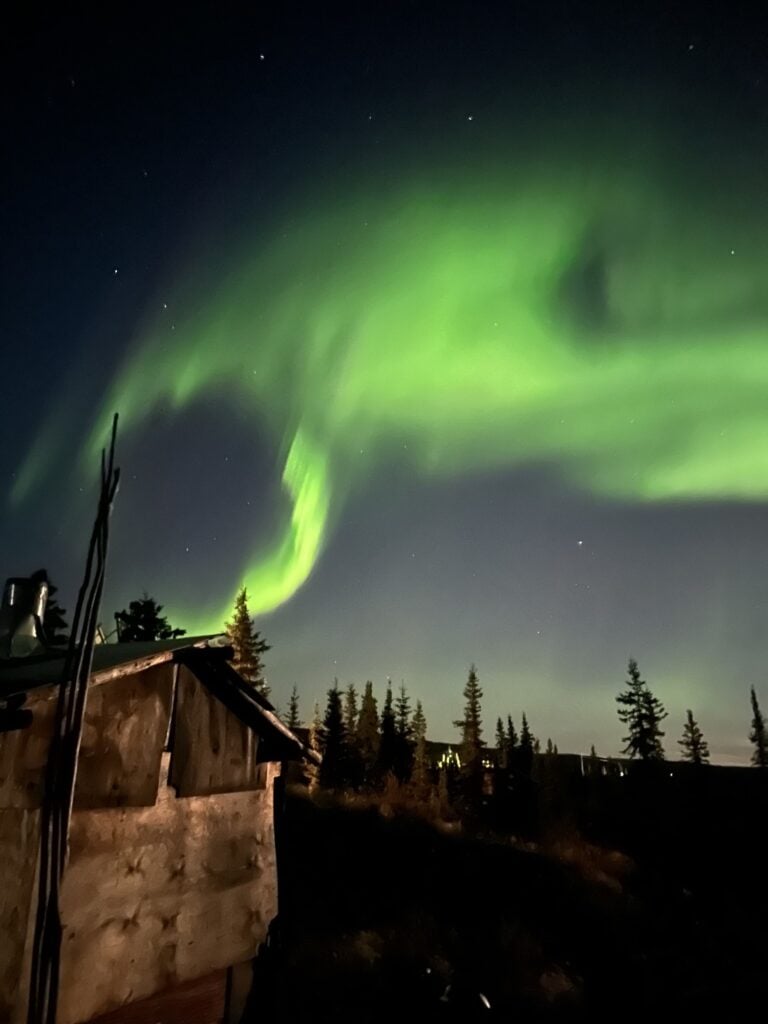
"What happens in the Arctic is an indicator of what will happen to the rest of the planet," Lagasse noted during his debrief of the meeting. He emphasized that the struggle for ANWR is interconnected with other global movements for Indigenous rights and climate justice. The Gwich’in leaders have consistently argued that their human rights are at stake, as the destruction of the caribou herd would constitute a violation of their right to maintain their traditional way of life.
Corporate Accountability and the Path Forward
The Gwich’in Nation and their allies have increasingly turned their attention toward the financial sector to protect the refuge. In recent years, a growing coalition has successfully pressured major financial institutions and insurance companies to pledge that they will not fund or underwrite oil and gas development in the Arctic. To date, nearly every major American and Canadian bank—including JPMorgan Chase, Goldman Sachs, and Wells Fargo—has enacted policies restricting Arctic investment.
This strategy of "financial divestment" has proven to be one of the most effective tools in the conservationists’ arsenal. By making Arctic drilling economically and reputationally risky, advocates hope to ensure that even if leases are offered, no major energy company will find it viable to proceed.
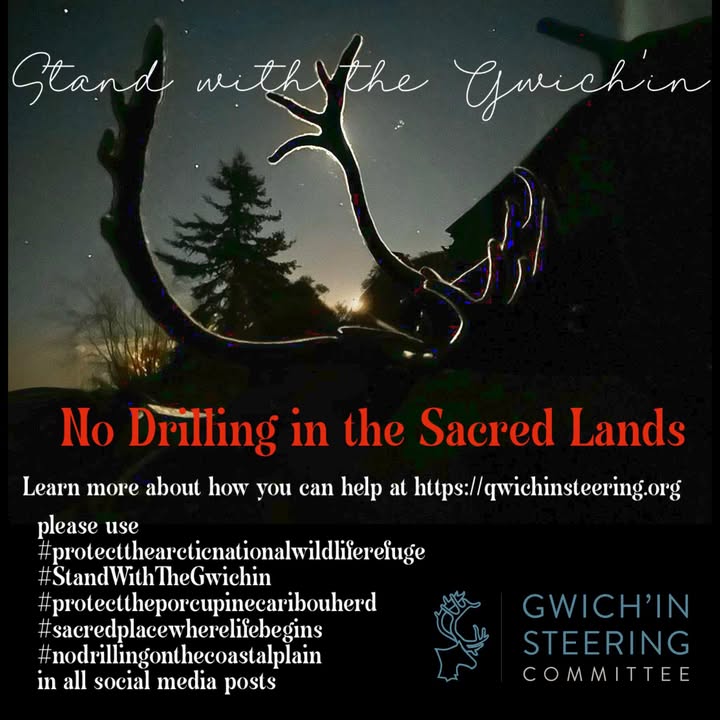
As the gathering concluded, the Gwich’in leaders called on the international community to move beyond passive support. Recommended actions include:
- Direct Advocacy: Contacting elected officials to support the Arctic Village Protection Act, which would permanently designate the Coastal Plain as a wilderness area.
- Financial Pressure: Inquiring with personal banking and insurance providers regarding their policies on Arctic extraction.
- Education: Engaging with resources such as Finis Dunaway’s "Defending the Arctic Refuge" and the Gwich’in Steering Committee’s updates to understand the historical and cultural depth of the issue.
The emergency gathering in Vashraii K’oo serves as a reminder that the protection of the Arctic National Wildlife Refuge is a continuous effort. While legal and political winds may shift, the Gwich’in Nation remains a constant presence, serving as the frontline stewards of a landscape that they believe belongs to future generations as much as it does to the present. The unity displayed in the remote village of the North Slope reflects a broader global reality: that the preservation of the Earth’s most sacred and wild places depends on the leadership of those who have lived in harmony with them since time immemorial.

