
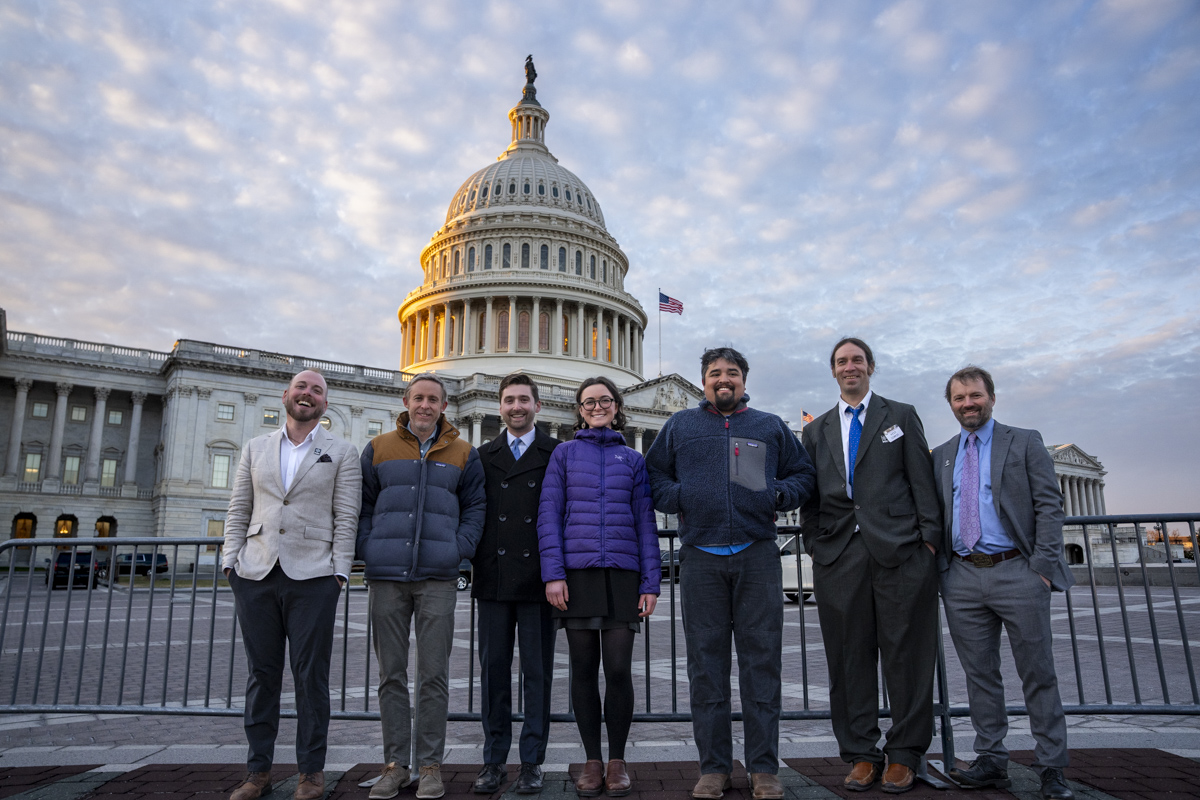
In a coordinated effort to influence the trajectory of American land management and climate policy, representatives from Protect Our Winters (POW) and the Alaskan Wilderness League (AWL) arrived on Capitol Hill last week to deliver a comprehensive 74-page petition. This document, which contains over 6,000 signatures from a constituency referred to as the "Outdoor State," advocates for the establishment of permanent protections for the Arctic National Wildlife Refuge (ANWR) and the National Petroleum Reserve in Alaska (NPRA). The delivery of these signatures follows a strategic two-day "fly-in" event that brought together a diverse coalition of professional athletes, scientists, filmmakers, and Indigenous voices to engage directly with federal lawmakers.
The timing of this advocacy mission is particularly significant given the current political landscape. The Trump administration recently moved to accelerate resource extraction in the region, signing legislation intended to streamline the permitting process for oil and gas drilling in Arctic Alaska. This legislative shift has prompted an immediate response from conservation groups and the outdoor industry, who argue that the ecological and long-term economic risks of Arctic drilling far outweigh the short-term gains of fossil fuel production.
The Arctic Petition: A Mandate from the Outdoor State
The 74-page petition delivered to congressional offices serves as a formal declaration of opposition to expanded industrial activity in the Arctic. The 6,000 signatories represent a broad cross-section of the outdoor recreation economy—an industry that, according to the Bureau of Economic Analysis, accounts for approximately $1.1 trillion in annual economic output and supports nearly five million jobs across the United States. By framing the protection of the Arctic as an economic necessity for the "Outdoor State," the coalition seeks to shift the narrative from a purely environmental concern to a matter of national economic interest.
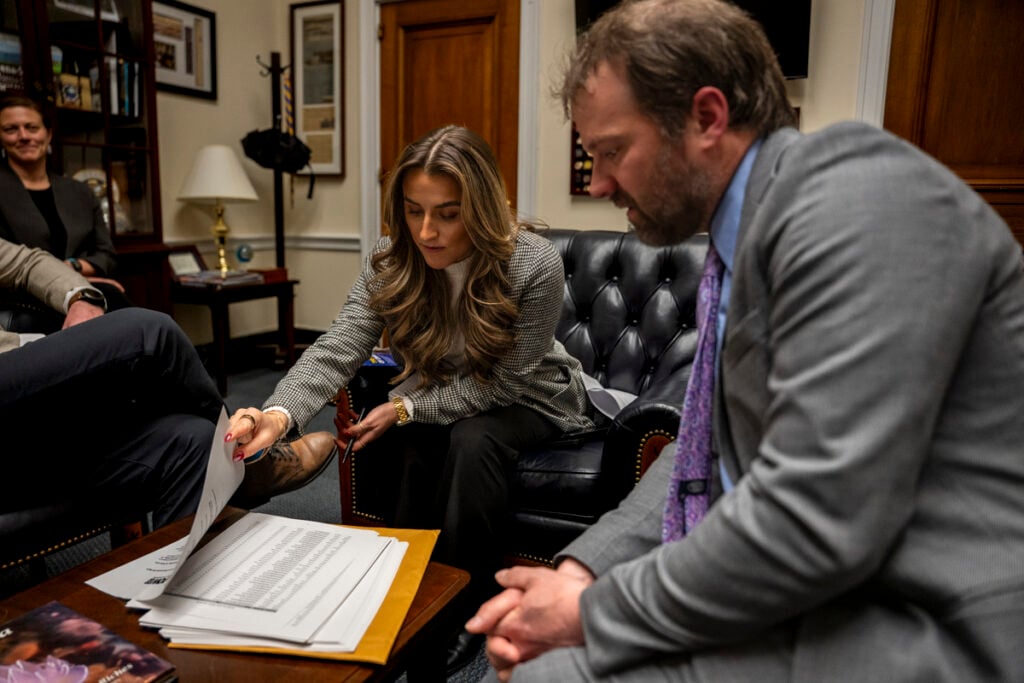
During the delivery of the petition, advocates emphasized that the signatures were not merely a symbolic gesture but a record of constituent demand. The document highlights several key arguments: the environmental recklessness of drilling in sensitive habitats, the fiscal volatility of Arctic oil ventures, and the misalignment of such projects with modern global energy markets. The coalition presented these "receipts" to demonstrate that a significant portion of the American public views the Arctic as a non-negotiable landscape that must remain intact to meet national climate goals and preserve Indigenous sovereignty.
Legislative Context: The Push for Arctic Resource Extraction
The current tension on Capitol Hill stems from a long-standing debate over the status of the Arctic National Wildlife Refuge. While the 19.6-million-acre refuge was established to protect a unique ecosystem, the 2017 Tax Cuts and Jobs Act included a provision that mandated the federal government to hold two lease sales in the Coastal Plain by 2024. Although the subsequent administration paused these activities, the current administration has reaffirmed its commitment to utilizing the region’s estimated 7.7 billion barrels of technically recoverable oil.
Last Friday, the Trump administration signed a series of bills designed to ease the path for both drilling and mining in Arctic Alaska. Proponents of this legislation argue that domestic energy production is essential for national security and economic growth, particularly in providing high-paying jobs to Alaskans. However, the POW and AWL coalition contends that these policies ignore the "carbon-rich" nature of the Arctic landscape, which acts as a critical global heat sink. Disrupting this permafrost and the surrounding ecosystems, they argue, could release massive amounts of sequestered carbon, further accelerating global warming trends that are already affecting the winter sports and outdoor tourism sectors.
The Strategic Fly-In: A Multidisciplinary Coalition
The advocacy effort was structured as a strategic "fly-in," a high-level lobbying event where non-professional advocates meet with elected officials to discuss specific policy goals. Joining POW and the Alaska Wilderness League was the League of Conservation Voters (LCV), providing a unified front that combined scientific data with lived experience. The coalition included high-profile figures such as professional climber Tommy Caldwell and creative alliance member Ming Poon, alongside Indigenous leaders whose ancestral lands are directly impacted by drilling proposals.
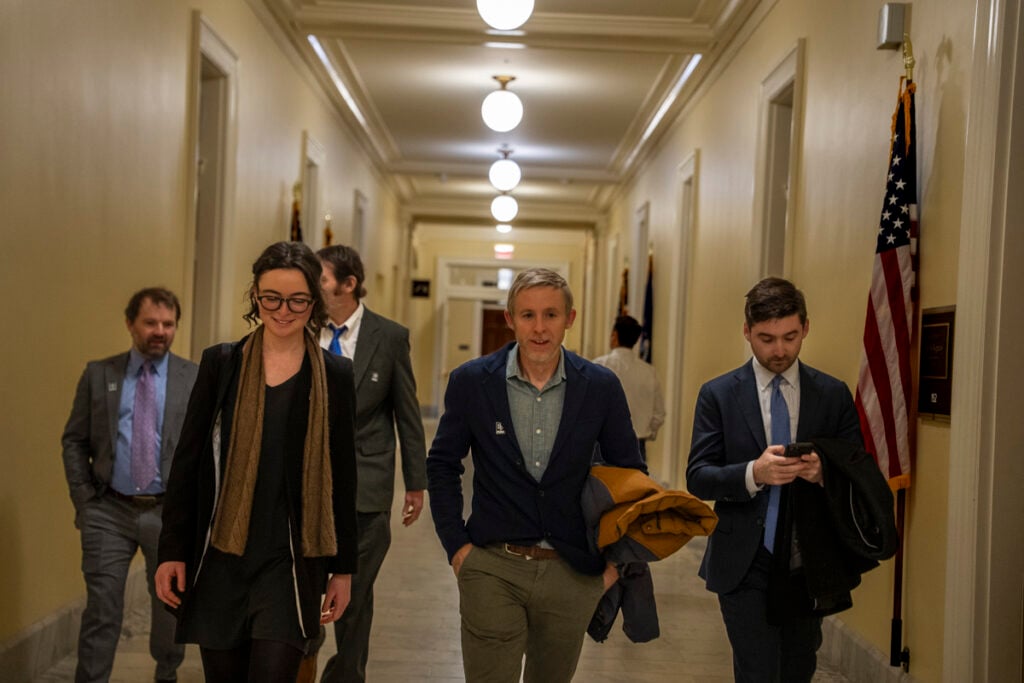
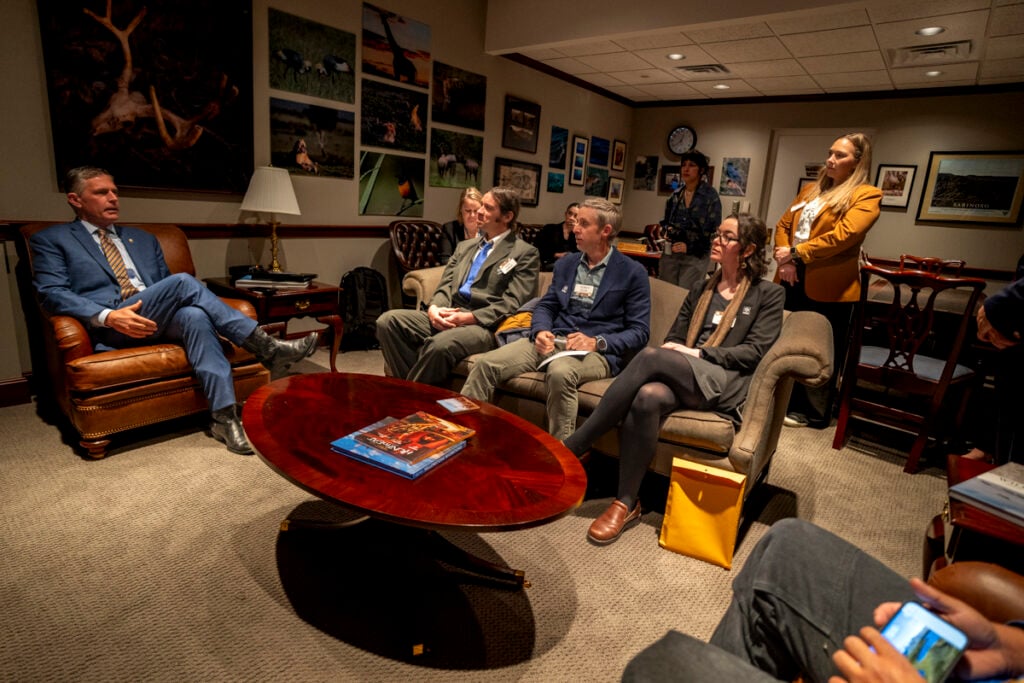
Over the course of two days, the group held dozens of meetings with key House and Senate offices. The strategy was to cut through "policy noise" by presenting a mix of scientific evidence, cultural narratives, and economic analysis. Professional athletes like Caldwell provided a unique perspective, articulating how climate change and land management decisions affect the outdoor industry’s viability. "Like it or not, policy is the only thing that has the chance to fix our climate and save our public lands," Caldwell noted, emphasizing the role of organized advocacy in creating a pathway for the outdoor community to participate in the legislative process.
The Energizing Our Communities Act: A Bipartisan Alternative
While much of the fly-in focused on preventing new leasing in the Arctic Refuge and the NPRA, the coalition also advanced a proactive legislative solution: the Energizing Our Communities Act (EOCA). This proposed legislation aims to provide a practical, bipartisan framework for supporting clean-energy progress at the community level. The EOCA is designed to strengthen energy resilience by providing resources and incentives for local communities to host renewable energy projects, thereby facilitating a transition away from fossil fuel dependence.
By presenting the EOCA alongside their Arctic protection demands, the coalition offered lawmakers a "complementary path forward." This approach addresses the concerns of legislators who are focused on energy security and economic development, suggesting that a clean-energy future can provide the same—if not greater—economic benefits as traditional oil and gas extraction without the associated environmental degradation. The meetings regarding the EOCA were described as an opening for bipartisan cooperation, even in an otherwise polarized political environment.
Economic Realities and Market Volatility
A central pillar of the coalition’s argument is that Arctic drilling is a "bad long-term investment." Supporters of the petition point to the immense costs associated with operating in the extreme conditions of the Far North. Infrastructure development in the Arctic requires specialized technology and massive capital outlays, making projects vulnerable to fluctuations in global oil prices. In recent years, several major financial institutions have announced they will no longer fund new oil and gas exploration in the Arctic, citing both environmental concerns and the high risk of "stranded assets."
The petition underscores that today’s energy markets are increasingly pivoting toward renewables and storage technologies. By committing to decades-long drilling projects in the Arctic, the coalition argues that the U.S. risks tying its economic future to an aging energy model. Furthermore, the fiscal risk is compounded by the potential for legal challenges. Environmental and Indigenous groups have a history of successful litigation against Arctic leases, leading to delays that can render projects economically unfeasible.
Indigenous Sovereignty and Ecological Integrity
Beyond the economic and climate arguments, the coalition placed a heavy emphasis on the cultural and ecological value of the Arctic. The Gwich’in people, who refer to the Coastal Plain of the Arctic Refuge as "The Sacred Place Where Life Begins," have long opposed drilling because of its impact on the Porcupine Caribou Herd. The caribou are a primary food source and a central element of Gwich’in culture; any disruption to their calving grounds could have devastating consequences for Indigenous food security and traditional ways of life.
Ecologically, the Arctic is one of the last remaining truly wild landscapes in the United States. It serves as a vital habitat for polar bears, migratory birds from all 50 states, and various other wildlife species. The coalition’s scientists highlighted that the Arctic is warming nearly four times faster than the global average, making the preservation of its intact ecosystems a matter of international importance. Protecting these lands is seen as a "nature-based solution" to climate change, as the region’s permafrost and peatlands store vast quantities of methane and carbon dioxide.
Looking Ahead: Phase Two and the 2026 Strategic Outlook
As the Trump administration moves forward with its plans to ease drilling restrictions, Protect Our Winters and its partners have announced their intention to escalate pressure. The delivery of the petition marks the conclusion of the initial phase of their Arctic campaign and the commencement of "Phase Two." This next stage will likely involve increased public awareness campaigns, targeted engagement with the Arctic Congressional Delegation, and potential legal interventions to challenge new lease sales.
Brennan Lagasse, a member of the POW Creative Alliance who participated in the fly-in, reflected on the importance of maintaining a "vibrant counter-balance" to current policy trends. "Even given the current political climate, every office reiterated it mattered that we were there, hand-delivering these petitions from constituents," Lagasse stated. The coalition left Washington, D.C., with a renewed sense of purpose, aiming to carry the momentum of this trip into the 2026 election cycle and beyond.
The debate over the Arctic remains a microcosm of the broader national struggle between traditional resource extraction and a transition toward a conservation-based, clean-energy economy. While the signing of recent legislation represents a significant hurdle for environmental advocates, the unified front presented by athletes, scientists, and Indigenous leaders suggests that the opposition to Arctic drilling is becoming more organized and economically grounded. As the "Outdoor State" continues to flex its political muscle, the future of the Arctic National Wildlife Refuge remains one of the most contested and consequential issues on the American political stage.

