
As the thaw of winter gives way to the vibrant awakening of spring, both outdoor enthusiasts and the wild inhabitants of Montana’s landscapes are emerging from their respective periods of dormancy. This transitional period, marked by increasing human activity in bear country and the emergence of bears from hibernation, has prompted Montana Fish, Wildlife & Parks (FWP) to issue a timely and critical reminder regarding the safe and effective use of bear spray. The agency released a concise tutorial video and accompanying guidelines designed to equip individuals with the knowledge necessary to mitigate potential conflicts and ensure personal safety in areas frequented by these large mammals.
The imperative for such guidance stems from the inherent risks associated with sharing territory with wildlife. Bears, particularly grizzlies and black bears, are often drawn out by the availability of new food sources as vegetation begins to grow and carrion from winter mortality becomes more accessible. Simultaneously, with warmer weather, hikers, anglers, hunters, and campers are increasingly venturing into these same habitats, creating a higher probability of encounters. FWP’s proactive stance aims to prevent incidents that could result in injury to humans, harm to bears, or unnecessary ecological disruption.
The Critical Need for Preparedness
Montana FWP emphasizes that simply possessing bear spray is insufficient. The agency stresses the importance of active preparation and familiarity with the product’s deployment. "It’s not enough to simply buy a can of bear spray and carry it around if you haven’t rehearsed what to do in the moment of truth," a spokesperson for the agency stated, highlighting the potential for panic or indecision during a high-stress encounter. "It is critically important that we are well-versed in proper deployment of bear spray when traveling in bear country and prepared to act in a moment’s notice."
This sentiment underscores a fundamental principle of wildlife safety: readiness. In a sudden encounter with a bear, which can occur with little to no warning, the ability to quickly and correctly access and deploy bear spray can be the deciding factor in de-escalating a dangerous situation. The agency’s guidance is structured to address the practicalities of this critical need, offering actionable advice that can be integrated into pre-trip planning and on-trail protocols.
Core Bear Spray Safety Principles
Montana FWP outlines several fundamental tips for the effective use of bear spray, focusing on accessibility, practice, and deployment strategy:
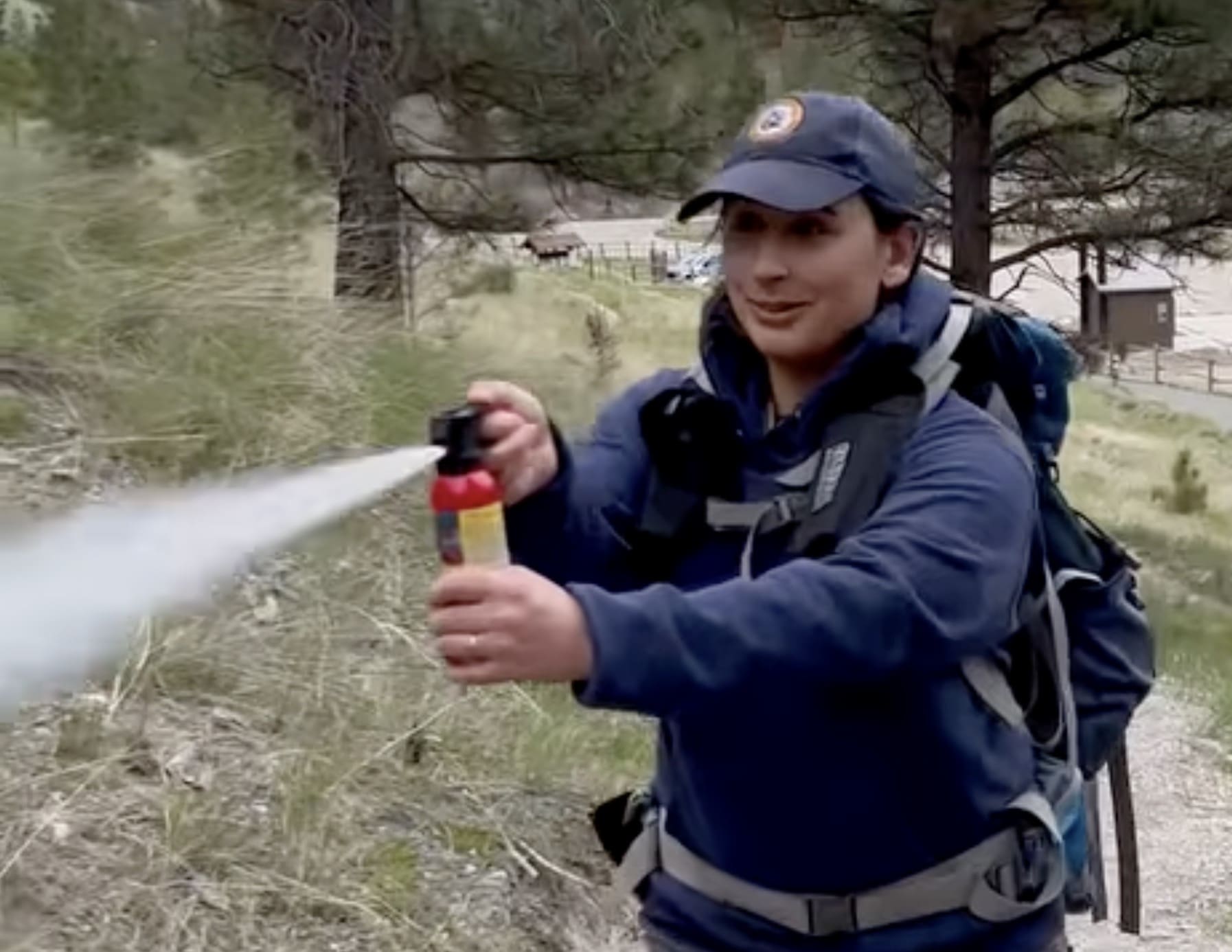
- Easily Accessible Storage: The most crucial element of bear spray effectiveness is its immediate availability. FWP advises carrying bear spray in a holster or on a chest harness, ensuring it can be drawn without delay. Items stored at the bottom of a backpack or deep within pockets are rendered useless in a rapid encounter.
- Practice and Group Discussion: The agency strongly recommends practicing drawing the bear spray from its holster, simulating the actions required during an emergency. This practice should extend to group discussions, where all members of an outing can understand their roles and responsibilities during a potential bear encounter, fostering a coordinated response.
- Effective Range and Deployment: Bear spray is designed to be effective at a range of 25 to 30 feet. FWP advises that if a bear is further away than this effective range, the individual should spray. The spray creates a cloud of irritant that deters the bear.
- Duration of Spraying: The recommendation is to spray until the bear changes its behavior. This typically means continuing to spray as long as the bear is advancing or exhibiting aggressive tendencies. The goal is to create a significant barrier of deterrent.
- Targeting the Spray: FWP provides specific guidance on the direction of the spray, suggesting it be aimed slightly downward towards the bear’s feet or below its face. This approach maximizes the irritant cloud’s effectiveness in the bear’s facial area, where it will have the most immediate impact on its vision and respiratory system.
Additional Essential Safety Measures
Beyond the immediate use of bear spray, FWP offers additional vital information to enhance overall safety in bear country:
- Broad Mammal Efficacy: A valuable, though less commonly known, aspect of bear spray is its effectiveness against other large mammals. The agency notes that bear spray can be a deterrent for animals such as moose and mountain lions, expanding its utility for outdoor recreationists.
- Temperature Sensitivity: A critical safety warning is issued regarding the storage of bear spray. Due to the pressurized nature of the canisters, they can explode if exposed to temperatures exceeding 120 degrees Fahrenheit. Leaving bear spray in a hot vehicle, especially during warmer months, poses a significant safety hazard.
Contextualizing Spring Bear Activity
The timing of these guidelines is directly linked to the annual emergence of bears from their winter dens. For Montana, this typically begins in late March and continues through April, depending on snowpack and local climate conditions. As bears emerge, their primary focus is on finding food. This often involves searching for the first available vegetation, scavenging for carcasses that did not survive the winter, and exploring areas where human food sources might be present.
This period also coincides with an increase in human outdoor recreational activities. Hikers, trail runners, anglers, and early-season hunters begin to access areas that were previously inaccessible or less frequented during winter. This overlap in activity zones necessitates heightened awareness and preparedness to prevent negative interactions.
Official Statements and Broader Implications
In its release, Montana Fish, Wildlife & Parks articulated the broader context of their advisory: "As spring weather approaches, we’re all anxious to get out and enjoy the weather – people and bears alike. This time of year, bears are waking up from hibernation and beginning to look for food. It’s time to ensure that people are securing attractants to avoid conflicts with bears and being prepared to encounter bears when they are out recreating."

The agency’s focus on "securing attractants" is a cornerstone of human-bear conflict avoidance. This includes properly storing food and garbage in bear-resistant containers, cleaning up outdoor cooking areas thoroughly, and never feeding bears, intentionally or unintentionally. Unsecured attractants can draw bears into close proximity to human settlements and recreational areas, significantly increasing the risk of encounters and potential negative outcomes for both wildlife and people.
The implications of these safety guidelines extend beyond immediate personal protection. By promoting responsible bear spray use and general bear awareness, FWP aims to foster a coexistence that minimizes harm to wildlife. Bears that are habituated to human food sources or that become aggressive due to negative interactions are often deemed a public safety risk and may need to be lethally removed. Preventing such outcomes is a primary objective for wildlife management agencies.
Yellowstone National Park: A Case Study in Bear Safety
The principles advocated by Montana FWP are universally applicable in bear country, and a prime example of this is Yellowstone National Park, which spans parts of Montana, Wyoming, and Idaho. The park’s own safety guidelines serve as a potent reminder of the pervasive nature of bear country.
Yellowstone officials emphasize that "All of Yellowstone is bear country, from the trails in the park’s backcountry to the boardwalks and parking lots around Old Faithful." This statement highlights that bear encounters are not limited to remote wilderness areas but can occur in developed visitor areas as well. The park’s messaging reinforces that while safety cannot be guaranteed, individuals play an active role in their own protection and the conservation of the bears.
The park’s bear safety guidelines typically include:
- Making Noise: Talking, singing, or calling out periodically to alert bears of your presence can prevent surprise encounters.
- Traveling in Groups: Larger groups are generally perceived as more threatening by bears and are more likely to deter an encounter.
- Staying Alert: Paying attention to your surroundings, looking for signs of bear activity such as tracks, scat, or freshly dug earth.
- Avoiding Blind Corners and Dense Vegetation: These areas can limit visibility and increase the chance of surprising a bear.
- Never Approaching Bears: Maintaining a safe distance is paramount. This includes not attempting to take photographs up close.
- Carrying and Knowing How to Use Bear Spray: As with Montana FWP, this is a critical component of Yellowstone’s safety recommendations.
Furthermore, Yellowstone National Park stresses the importance of reporting any bear encounters, regardless of their severity. "If you’re involved in a conflict with a bear, regardless of how minor, contact us or report it to a park ranger as soon as possible," the park advises. Prompt reporting allows park officials to assess the situation, monitor bear behavior, and take necessary actions to ensure public safety and the welfare of the bear. In areas with cell service, immediate reporting via 911 is encouraged, as "The lives of other people, and the bear, may depend on it."
Analyzing the Implications of Preparedness
The consistent messaging from agencies like Montana FWP and Yellowstone National Park underscores a broader trend in wildlife management: the empowerment of the public through education. As human populations expand and recreational access to natural areas increases, the responsibility for safe coexistence shifts, in part, to the individuals venturing into these spaces.
The data on bear spray effectiveness is compelling. Studies have shown that when used correctly, bear spray is highly effective in deterring aggressive bears. For instance, research has indicated that bear spray stops 90-95% of charging bears. This statistic reinforces the agency’s emphasis on proper use and accessibility.
The implications of widespread adherence to these guidelines are significant. A reduction in human-bear conflicts can lead to fewer injuries, reduced property damage, and a healthier bear population. It also contributes to a more positive perception of wildlife, fostering a greater appreciation for conservation efforts. Conversely, a lack of preparedness can result in tragic outcomes, necessitating difficult decisions for wildlife managers and impacting the ecological balance of these sensitive environments.
As Montana and other bear-inhabited regions embrace the spring season, the timely release of these bear spray safety guidelines serves as a vital public service. By emphasizing preparedness, proper technique, and ongoing vigilance, Montana Fish, Wildlife & Parks is equipping individuals with the tools to navigate the wild responsibly, ensuring that both people and bears can enjoy the resurgence of life that spring brings. The proactive dissemination of this knowledge is not merely advisory; it is an essential component of responsible outdoor recreation and wildlife stewardship in an increasingly shared landscape.

