
Paul Alden, a foundational figure whose behind-the-scenes efforts were instrumental in transforming competitive snowboarding from a fringe activity into a globally recognized sport, passed away on April 9, 2026, at the age of 89. His death marks the end of an era for a man who tirelessly navigated institutional resistance and built the organizational scaffolding necessary for snowboarding’s meteoric rise.
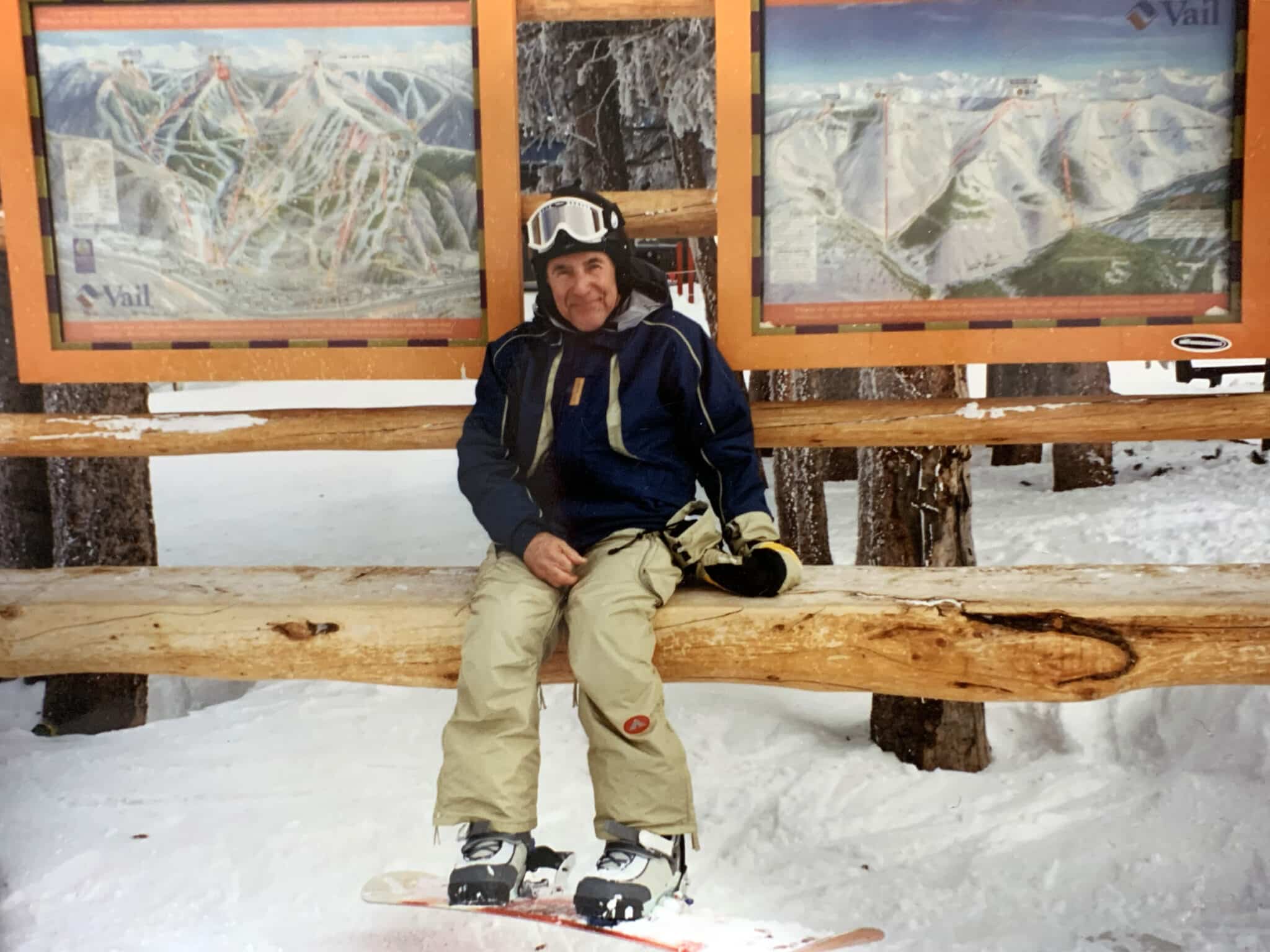
Born November 19, 1936, in New York City, Alden’s lifelong connection to the burgeoning sport began with a Christmas gift in 1968: Snurfers, the precursors to modern snowboards, purchased for his family by his father. This early exposure to the innovative equipment, coupled with his son David Alden’s subsequent career as a professional snowboarder and Burton Snowboards team member through the 1980s, propelled Paul into a deep and enduring involvement with the snowboarding industry.
The Unsung Architect of Snowboarding’s Acceptance
In the mid-1980s, snowboarding faced significant opposition from established ski resorts, often being outright banned due to concerns over liability and perceived safety risks. It was during this critical period that Alden emerged as a crucial, albeit often unseen, force. His dedication to working the phones, navigating complex bureaucratic hurdles, and forging essential organizational frameworks laid the groundwork for snowboarding’s eventual widespread acceptance and growth.
Alden’s tenure at Burton Snowboards from 1984 to 1990 was particularly impactful. One of his earliest and most significant contributions was tackling the pervasive insurance problem that prevented snowboarding from accessing major ski resorts. Working in close collaboration with Jake Burton Carpenter and other industry leaders, Alden directly engaged with insurance industry representatives, presenting a compelling case for the sport’s legitimacy and safety. This persistent advocacy led to a crucial revision of insurance policies, granting ski areas the necessary coverage to permit snowboarding. The impact was dramatic: the number of resorts allowing snowboarding surged from a mere 40 during the 1984-85 season to an impressive 476 by 1990. Today, only a handful of resorts in North America, including Alta Ski Area and Deer Valley Resort in Utah, and Mad River Glen in Vermont, still prohibit the sport, a testament to the doors Alden helped to open.
Establishing Competitive Snowboarding on the World Stage
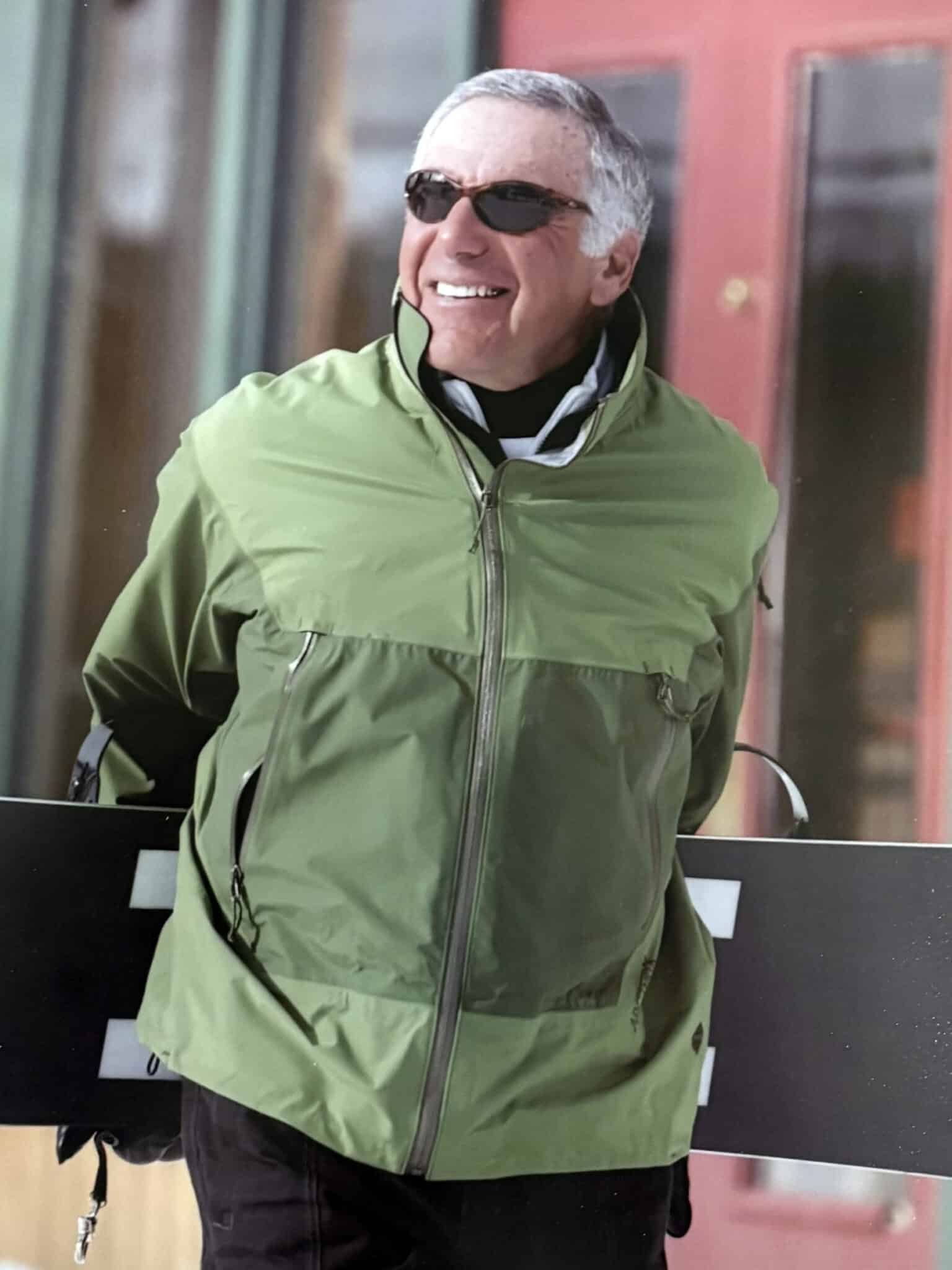
Alden’s influence extended beyond resort access to the very structure of competitive snowboarding. In 1986, he was a key figure in persuading the management of Breckenridge Ski Resort to host the World Snowboarding Championships. This initiative was particularly significant for its advocacy for the halfpipe as a legitimate competitive format, a concept that was not universally accepted at the time. Breckenridge subsequently hosted the World Championships for two consecutive years, attracting major sponsorship from Swatch and garnering significant national media attention. This event served as a crucial platform, elevating competitive snowboarding to its most prominent stage to date and solidifying its appeal to a broader audience.
The Genesis of Global Competition and Olympic Dreams
Building on this momentum, Alden played a pivotal role in the formalization of international snowboarding competition. On March 8, 1987, the day after the second Breckenridge World Championships concluded, Alden convened a seminal meeting of riders and industry representatives. This gathering led to the founding of the North American Snowboard Association, initially named NASA but soon renamed NASBA to avoid confusion with the space agency. The organization’s primary objective was to collaborate with the Snowboard European Association to establish a unified international World Cup circuit. The inaugural World Cup season, held that same year, featured two events in the United States and two in Europe, creating the competitive framework that would eventually serve as a pathway for Olympic qualification.
Alden’s vision also extended to the ultimate recognition of snowboarding as an Olympic sport. In 1992, he was deeply involved in behind-the-scenes negotiations aimed at merging the United States Ski Association with the United States Amateur Snowboard Association. While this specific merger attempt ultimately failed, the political groundwork and relationships fostered during this period were crucial steps in the longer campaign that culminated in snowboarding’s inclusion in the 1998 Winter Olympics in Nagano, Japan. Since its Olympic debut, snowboarding has been a consistent fixture in the Winter Games, evolving from two initial disciplines to a comprehensive program featuring six distinct events for both men and women. Alden’s persistent efforts to convince the International Olympic Committee of snowboarding’s merit were acknowledged by his son David, who recalled initially believing his father’s endeavors were futile, only to witness their profound success.
A Personal Passion for the Sport
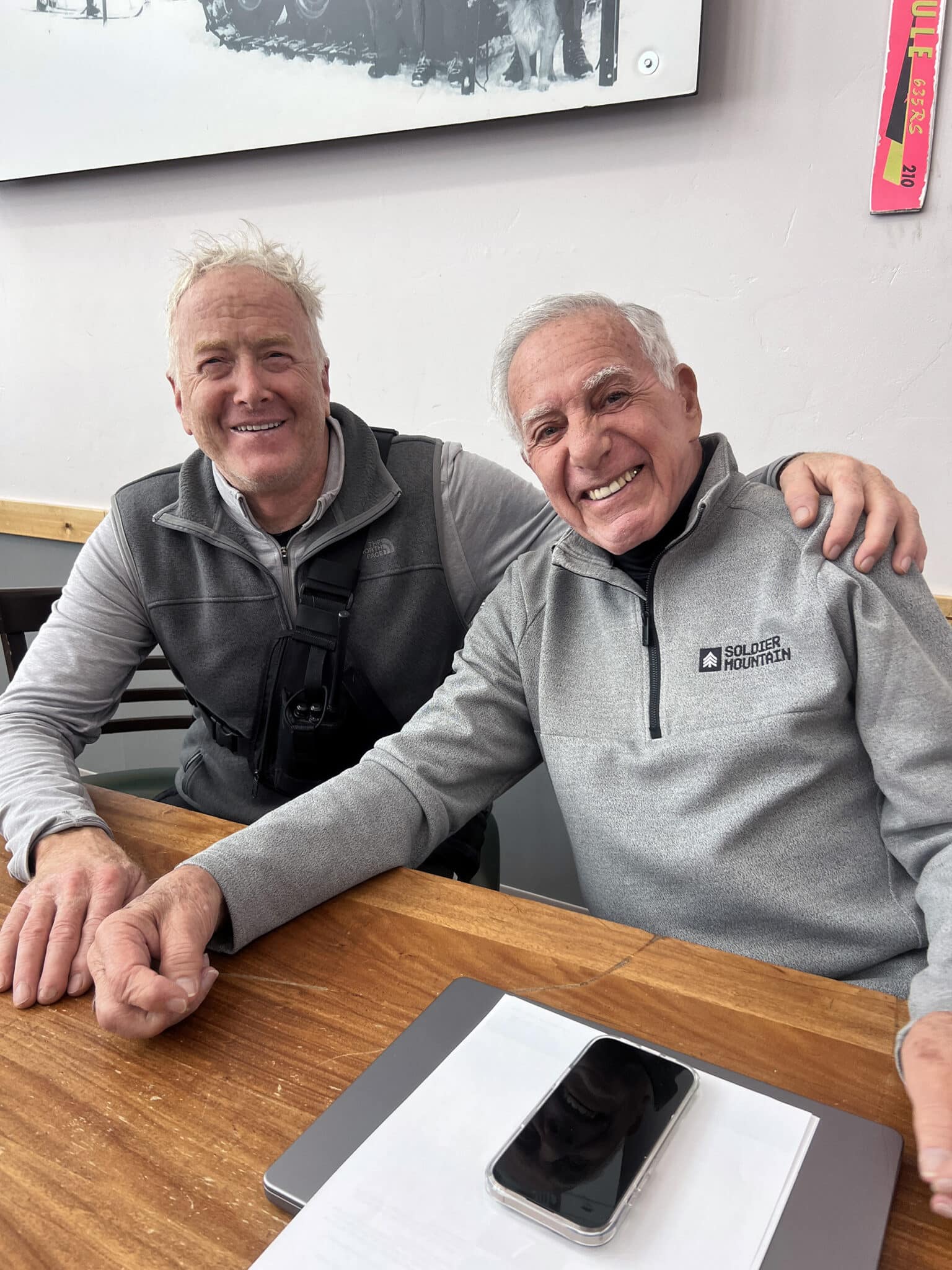
Beyond his strategic and organizational contributions, Paul Alden maintained a deep personal connection to snowboarding. He spent years teaching the sport at Grand Targhee Ski Resort in Wyoming, demonstrating that his commitment was not solely professional but also rooted in a genuine passion for riding and sharing the experience with others. This hands-on involvement provided him with an intimate understanding of the sport’s evolution from a rider’s perspective, informing his broader advocacy.
A Legacy in Manufacturing and Business Development
Alden’s impact on the snowboarding world extended into the realms of manufacturing and business development throughout the late 1980s and 1990s. He leveraged his established relationships and expertise to work with companies and suppliers on both sides of the Pacific, contributing to the growth and globalization of the industry.
This manufacturing acumen proved invaluable when his son, Rick Alden, founded Skullcandy in 2003. Paul Alden managed the action-sports headphone brand’s offshore production operations in China during its critical formative years, applying the same robust manufacturing connections he had cultivated within the snowboard industry. Skullcandy’s subsequent success, including its public offering in 2011, owes a debt to the logistical and operational foundation Paul helped to build.
Continued Dedication to Snowsports
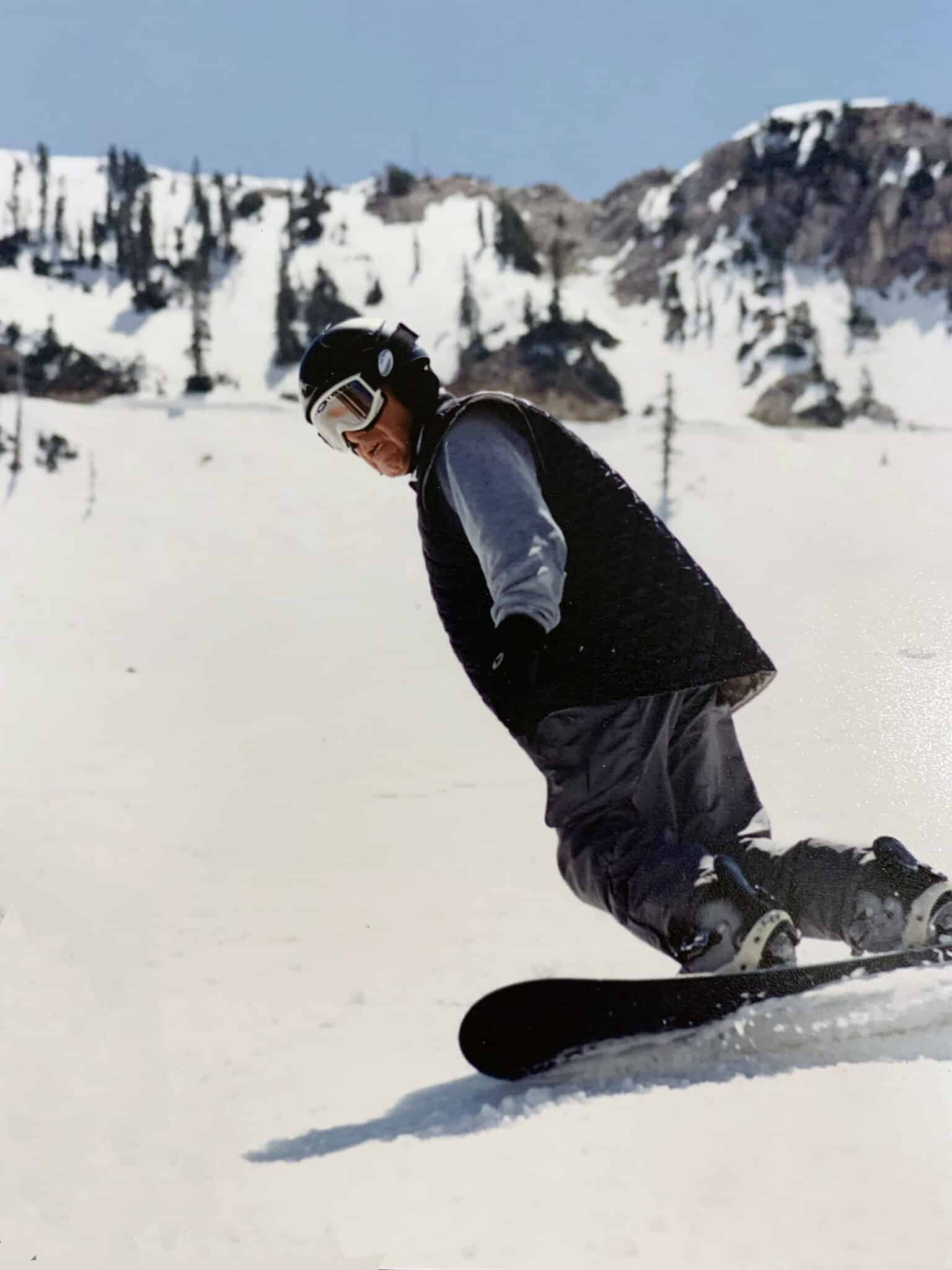
Even in his later years, Alden remained actively involved in the snowsports industry. He served as the general manager for Soldier Mountain Ski Area in Fairfield, Idaho. In this role, he found immense satisfaction working within a close-knit team comprising owners, management, and staff, including his son David, grandson Dan Larkin, and a group of long-standing friends and colleagues. This final chapter of his career underscored his enduring commitment to the mountain lifestyle and the communities that sustain it.
A Pantheon of Pioneers
The passing of Paul Alden is a significant loss for the snowboarding community, particularly as it follows the recent departures of other early pioneers like Jake Burton (2019) and Tom Sims (2012). Alden’s legacy is that of a crucial architect, a behind-the-scenes strategist who, through tireless effort and unwavering dedication, played an indispensable role in transforming a niche hobby into a globally celebrated Olympic sport. He was present at the creation, making the critical decisions, attending the vital meetings, and undertaking the fundamental structural work that shaped modern competitive snowboarding.
Paul Alden was preceded in death by his parents, Albert and Clarisse, and his son Scott. He is survived by his wife, Sharon; his children Mary (Jim) Moore, Carole (Doug) Andersen, David Alden, Rick Alden, and Clare Chadwick; 25 grandchildren; and 37 great-grandchildren.
A viewing was held on Friday, April 17, 2026, from 6-8 p.m. at The Church of Jesus Christ of Latter-day Saints meetinghouse at 135 East 2000 South in Orem, Utah. Funeral services followed on Saturday, April 18, with a viewing from 10-10:45 a.m. prior to the 11 a.m. services. Interment took place at the Alpine (Utah) City Cemetery. His contributions will continue to resonate within the sport he helped to build.

