
A dramatic rescue unfolded on Sunday, March 22nd, when a hiker sustained injuries after falling from a ladder on Grandfather Mountain, a notoriously challenging trek in North Carolina’s Blue Ridge Mountains. The incident, reported just before 1 p.m., prompted a multi-agency response involving experienced rescue professionals and park officials.
The hiker’s distress call initiated a swift mobilization of the Linville-Central Rescue Squad, who were the first to be alerted. Recognizing the extreme nature of the terrain and the potential severity of the fall, they quickly coordinated with several other vital organizations. Among those who joined the effort were the Linville Volunteer Fire Department, Grandfather Mountain State Park rangers, the Grandfather Mountain Stewardship Foundation, Avery County Emergency Management, North Carolina Emergency Management (NCEM), and the specialized NC Mountain Rescue Team 1. This collaborative effort underscored the complex and high-risk environment of Grandfather Mountain.
The exact circumstances of the fall indicate it occurred on one of the ladders leading to MacRae Peak, a prominent summit on the Grandfather Trail. This particular section of the trail is renowned for its technical difficulty, often requiring hikers to ascend steep rock faces using a series of permanently installed ladders and cables. The hiker was found at an elevation of approximately 5,800 feet, at the base of a ladder, indicating a significant drop.
Chronology of the Rescue Operation
The initial alert at approximately 1 p.m. on Sunday, March 22nd, set in motion a complex rescue operation. Upon arrival at the scene, rescue personnel immediately assessed the injured hiker’s condition and provided initial medical treatment on-site. The rugged and steep terrain presented immediate challenges for extracting the individual.
Given the location and the hiker’s injuries, a conventional carry-out was deemed not only arduous but potentially dangerous due to the technical nature of the descent. Rescue crews employed ropes and specialized equipment to carefully lower the hiker down several challenging sections of the trail. This phase of the operation was described as a "long carry out," emphasizing the significant effort and time involved.
As the rescue progressed, and the technical demands and the extent of the hiker’s injuries became more apparent, the decision was made to request additional specialized support. Recognizing the need for a more efficient and safer extraction method for the prolonged and challenging descent, the North Carolina Helicopter Aquatic Rescue Team (NC HART) was contacted. NC HART is equipped for hoist operations, a critical capability in remote and inaccessible locations.
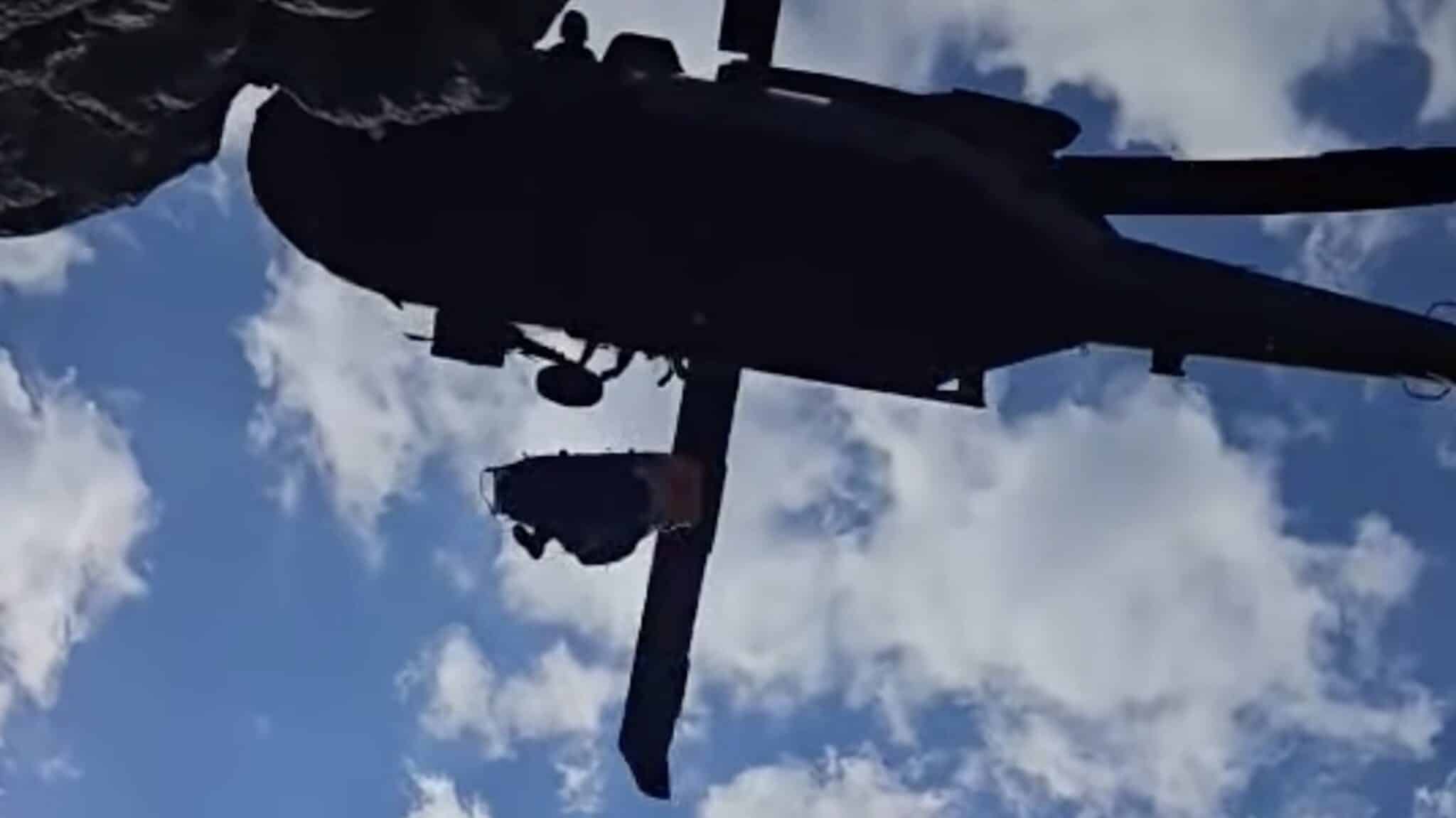
The hoist operation was successfully executed, lifting the hiker from the trail to a designated landing zone. From there, the individual was transferred to a waiting medical helicopter. This ensured rapid transport to a medical facility equipped to provide definitive care for their injuries, minimizing transit time and maximizing the chances of a positive outcome. The entire operation, from the initial call to the final aerial transfer, showcased the seamless coordination and specialized skills of the participating agencies.
Understanding Grandfather Mountain’s Technical Terrain
Grandfather Mountain is a geological and ecological marvel, attracting hikers and nature enthusiasts with its dramatic landscapes and unique flora and fauna. However, its beauty is matched by its formidable challenges, particularly the Grandfather Trail. This 4.8-mile round-trip hike is not for the faint of heart. It involves an astounding 1,800 feet of vertical gain, pushing hikers to their physical limits.
The trail’s reputation as one of the most technical climbs in the Southeast is well-earned. At its steepest points, hikers must rely on a network of iron ladders and cables, bolted directly into the rock face, to ascend sheer cliffs. These features, while essential for traversing the mountain, also introduce significant risks. Even experienced hikers often find themselves moving at an average pace of just one mile per hour due to the demanding nature of the climb and the need for extreme caution. The average ascent time for this relatively short trail can stretch to several hours, demanding considerable endurance and mental fortitude.
The specific location of the fall, near MacRae Peak, places it within the most exposed and challenging sections of the Grandfather Trail. This area is characterized by significant drop-offs and narrow ledges, amplifying the peril of any misstep. The presence of permanently installed ladders, while aiding navigation, can also be a source of danger if a hiker loses their footing or grip.
Supporting Data and Analysis
While specific statistics on the number of falls or injuries on Grandfather Mountain are not always publicly detailed, the nature of the terrain inherently leads to a higher risk profile. Rescue operations in such environments are often resource-intensive, requiring specialized training, equipment, and significant manpower. The involvement of multiple agencies, including a dedicated mountain rescue team and a helicopter rescue unit, highlights the severity and complexity typically associated with incidents in this region.
The duration of the rescue operation, particularly the "long carry out" and the subsequent rope-assisted lowerings, indicates the considerable time and effort required to safely extract an injured individual from such challenging terrain. The decision to employ a hoist operation further underscores the logistical and safety considerations that dictate rescue strategies in mountainous environments. Such operations are critical for minimizing the risk of secondary injury during extraction and for expediting transport to definitive medical care.

The involvement of the Grandfather Mountain Stewardship Foundation is also noteworthy. This organization plays a crucial role in preserving the natural beauty of the mountain while also promoting safety and responsible recreation. Their collaboration with rescue agencies often involves providing critical information about trail conditions, historical rescue data, and supporting the logistical needs of emergency responders.
Official Responses and Broader Implications
The successful rescue operation is a testament to the professionalism and dedication of the various agencies involved. Representatives from the Linville-Central Rescue Squad and other participating organizations have consistently emphasized the importance of preparedness and caution when undertaking challenging hikes.
While no direct quotes were provided in the initial report, it can be inferred that the rescue teams would strongly advocate for hikers to:
- Assess their abilities: Undertake hikes that match their physical condition and experience level.
- Be fully prepared: Carry essential gear, including adequate water, food, a first-aid kit, and navigation tools.
- Check weather conditions: Mountain weather can change rapidly and dramatically, posing additional hazards.
- Inform others of their plans: Leave details of their itinerary with a trusted contact.
- Understand the risks: Be aware of the specific dangers associated with technical trails like the Grandfather Trail.
The incident serves as a stark reminder of the inherent risks associated with outdoor recreation in challenging environments. It also highlights the critical importance of well-trained and well-equipped emergency response teams. The coordinated efforts of local rescue squads, state agencies, and specialized mountain rescue units are vital for ensuring the safety of individuals venturing into the wilderness.
The broader implications of such rescues extend to the public perception of outdoor adventure and the need for ongoing education on safety practices. While the allure of conquering challenging peaks is strong, responsible adventuring prioritizes safety above all else. Incidents like this reinforce the message that preparation, respect for the environment, and an honest self-assessment of capabilities are paramount for a safe and enjoyable experience in the great outdoors. The continued collaboration between land managers, rescue organizations, and the public is essential for mitigating risks and ensuring that the beauty of places like Grandfather Mountain can be appreciated safely by all.

