
A significant weather event last week blanketed a critical section of the Trans-Canada Highway in the Canadian Rockies with nearly double the anticipated snowfall, depositing approximately eight inches of precipitation onto an already precarious snowpack. Elevated freezing levels, reaching an altitude of 7,200 feet, created conditions ripe for a severe avalanche cycle in the mountainous terrain surrounding Rogers Pass, British Columbia. This pivotal stretch of highway is the sole paved artery connecting the interior of Canada through this formidable section of the Rockies, meaning any closure necessitates a complete rerouting, a logistical impossibility in this region.
Operation PALACI: A Proactive Defense Against Avalanche Hazards
To maintain the unimpeded flow of traffic and ensure public safety, Parks Canada relies on a specialized program known as Operation PALACI, a collaborative effort that enlists the Canadian Armed Forces. This operation involves the strategic deployment of military artillery to target known avalanche zones situated above the highway. The objective is to deliberately trigger controlled avalanches, thereby mitigating the risk of larger, more destructive slides that could spontaneously occur and imperil the roadway.
During the intense storm that struck last week, the Canadian military, in conjunction with Parks Canada avalanche control specialists, conducted extensive operations. A total of 271 artillery rounds were fired, complemented by the detonation of 15 remote explosives. This coordinated action successfully triggered more than 700 individual avalanches. Of these, a significant number, 37 to be precise, were classified as large enough to cause substantial damage, comparable to the destruction of a vehicle or a permanent structure.
The Scope of the Storm and its Impact
The storm commenced on March 15, 2026, and persisted for several days, depositing an unprecedented volume of snow. Initial forecasts had predicted a considerable snowfall, but the actual accumulation far exceeded these projections. This extreme event created a highly unstable snowpack, characterized by deep layers and significant wind loading, making the mountainsides exceptionally susceptible to avalanche activity.
Timeline of the Event:
- March 15-18, 2026: A severe winter storm impacts Rogers Pass, delivering approximately 8 inches of precipitation and raising freezing levels to 7,200 feet. This creates critical avalanche conditions.
- March 18-19, 2026: Parks Canada, in conjunction with the Canadian Armed Forces, initiates Operation PALACI. Artillery fire and remote explosives are used to trigger controlled avalanches.
- March 19, 2026: Following the controlled avalanche mitigation, the Trans-Canada Highway through Rogers Pass is temporarily closed for assessment and safety checks.
- March 19-21, 2026: The highway experiences closures totaling 65 hours. During this period, traffic is managed through three controlled openings to allow vehicles to pass safely.
- March 21, 2026: Normal traffic flow is resumed on the Trans-Canada Highway through Rogers Pass.
The effectiveness of Operation PALACI was demonstrably evident in the minimized disruption to this vital transportation corridor. Without the intervention of the artillery program, Parks Canada estimates that the Trans-Canada Highway would have been closed for an extended period. Their projections indicated a potential closure commencing on the evening of March 16 and lasting until at least March 21. This initial closure would have been followed by an additional week of cleanup and hazard mitigation, resulting in a cumulative shutdown of approximately 294 hours.
In stark contrast, the proactive measures taken through Operation PALACI reduced the total closure time to just 65 hours. This significantly shorter closure allowed for three separate, carefully managed openings, enabling the safe passage of traffic and minimizing the economic and social impact of a prolonged highway shutdown.
The Uniqueness of Rogers Pass Avalanche Control
While avalanche mitigation techniques utilizing artillery and explosives are employed in other mountainous regions, such as Colorado and Utah, the scale and consistency of the challenge at Rogers Pass are exceptional. The unique topography and meteorological conditions of this specific mountain pass necessitate a level of sustained military intervention that is rarely matched elsewhere in North America. The sheer volume of snow, combined with the steep and often unstable slopes, creates an annual demand for robust avalanche control measures that few other locations endure.
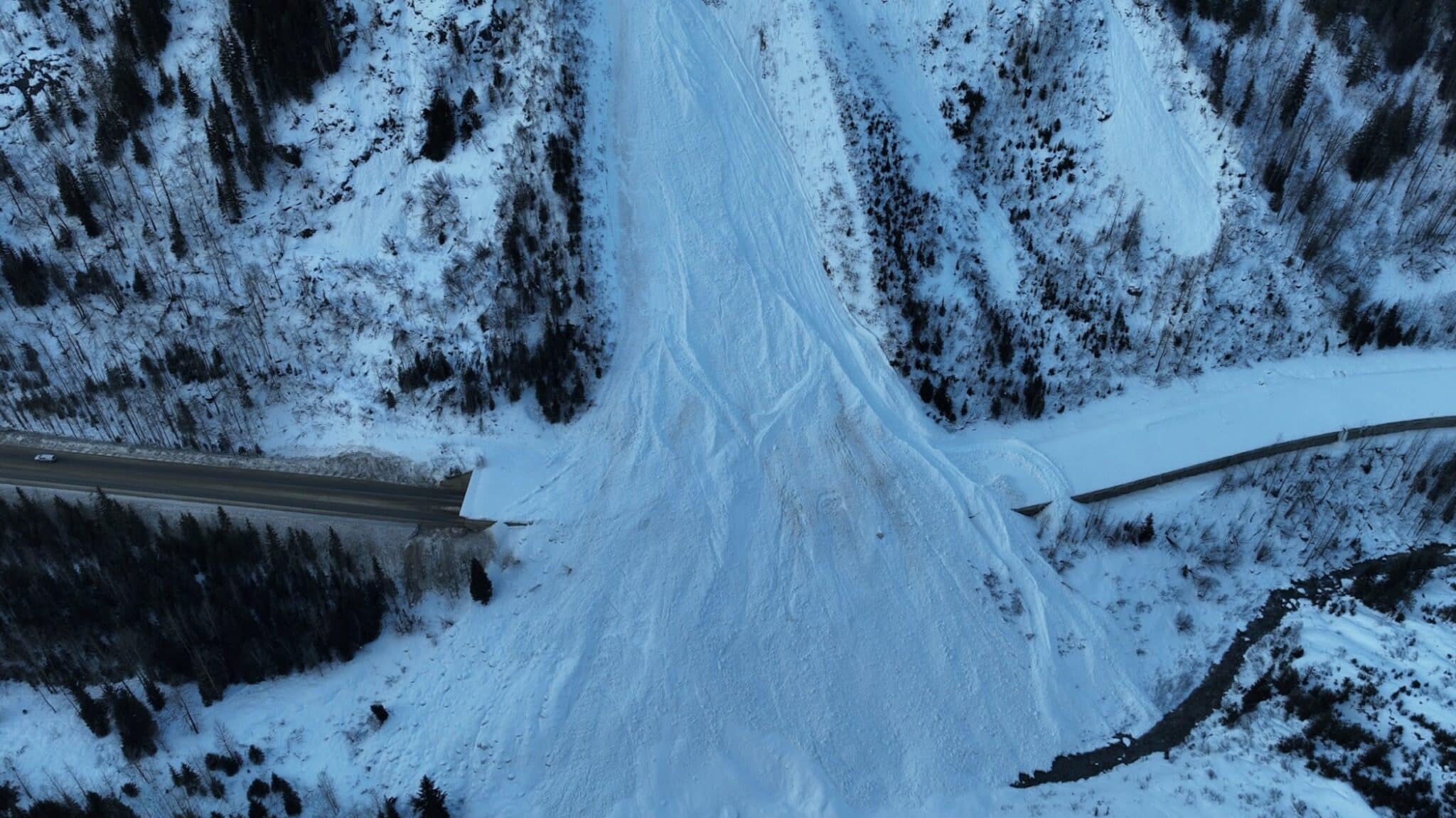
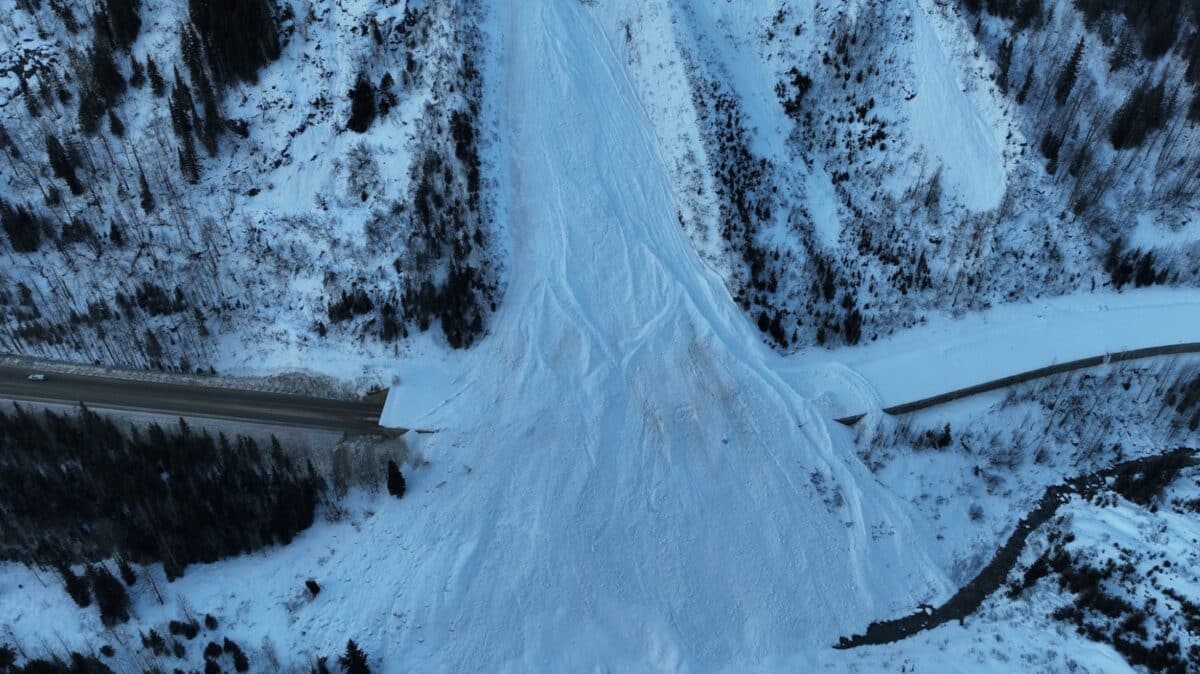
The image accompanying this report, captured by Mount Revelstoke and Glacier national parks, Parks Canada, visually depicts the dramatic aftermath of an avalanche on Rogers Pass, underscoring the power of nature and the critical importance of the preventative measures undertaken by Operation PALACI. The video embedded within the article offers a glimpse into the rigorous maintenance and preparation involved in the artillery operations, highlighting the dedication and precision required to execute such a mission.
Broader Implications and Economic Impact
The strategic importance of the Trans-Canada Highway through Rogers Pass cannot be overstated. It serves as a critical link for freight transport, tourism, and essential goods movement across Western Canada. Prolonged closures have a ripple effect, impacting supply chains, businesses, and the livelihoods of individuals reliant on this route.
The successful implementation of Operation PALACI, especially in the face of such extreme weather, demonstrates the effectiveness of proactive risk management and inter-agency cooperation. The investment in the Canadian Armed Forces’ participation in this program, while substantial, yields significant returns in terms of economic stability and public safety. It underscores the reality that in certain extreme environments, advanced and robust mitigation strategies are not merely beneficial but essential for maintaining critical infrastructure.
Parks Canada continually monitors avalanche conditions throughout the winter season, employing a combination of advanced technology, meteorological data, and experienced avalanche control professionals. Operation PALACI represents a crucial component of their comprehensive strategy to ensure the safety and accessibility of one of Canada’s most vital transportation corridors, particularly in the face of increasingly unpredictable and severe weather patterns attributed to climate change. The efficiency of the military’s response in this instance serves as a testament to their preparedness and their vital role in supporting civilian safety and infrastructure resilience.

