
The anterior cruciate ligament (ACL) remains one of the most vulnerable structures in the human knee, particularly for those who frequent the slopes. While advancements in surgical techniques have made ACL reconstruction a routine procedure for orthopedic specialists, the long-term impact of these injuries on a skier’s career and joint health remains a significant concern. Dr. Greg Lichtman, an orthopedic surgeon based in Auburn, California, is at the forefront of a movement that prioritizes injury prevention over surgical intervention. Drawing from his extensive background with the U.S. Women’s Ski Team and his research at some of the world’s most prestigious sports medicine institutions, Dr. Lichtman is working to bridge the gap between clinical expertise and on-slope safety.
The Evolution of a Specialist: A Chronology of Clinical Experience
Dr. Lichtman’s journey into the mechanics of alpine injuries began far from the operating room. During a formative gap year, while many of his peers were working traditional resort jobs, Lichtman secured a position at the Steadman Philippon Research Institute in Vail, Colorado. This facility is globally recognized as a mecca for orthopedic research, often treating elite professional athletes and Olympic medalists. It was here that Lichtman first witnessed the intersection of high-performance athletics and traumatic knee injuries. By observing U.S. Ski Team athletes during their most vulnerable moments—pre- and post-surgery—he gained a unique perspective on the physical and psychological toll of the ACL tear.
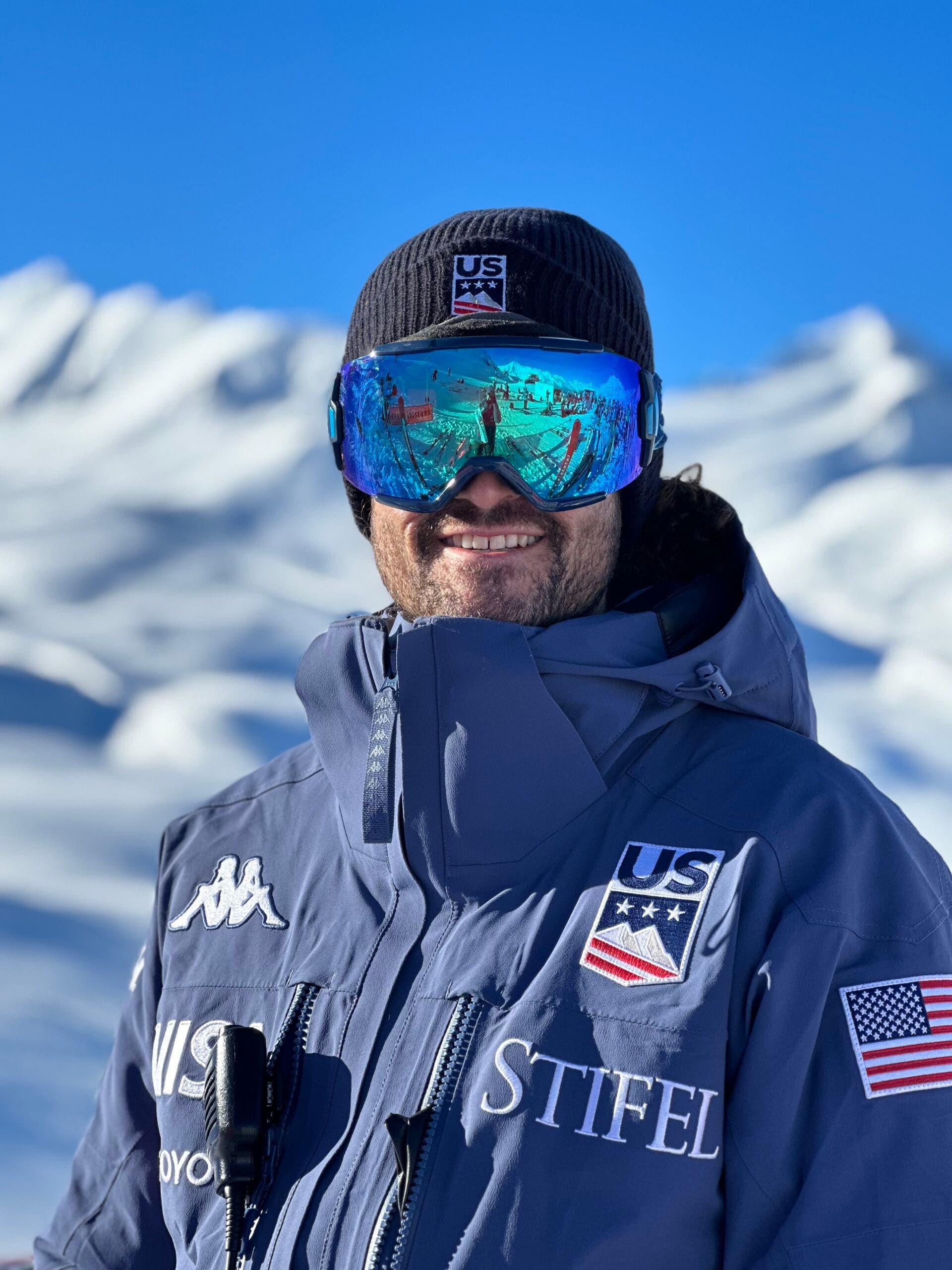
Following his time in Vail, Lichtman’s professional trajectory took him to the East Coast, where he completed a sports medicine fellowship at the University of Massachusetts. The icy, unforgiving conditions of New England resorts provided a stark contrast to the powder of the Rockies, offering a different set of data points regarding how snow surface affects joint stability. Today, as a practicing surgeon near the Tahoe basin, Lichtman balances his clinical practice with his role as a pool physician for the U.S. Women’s Ski Team. This role requires him to travel to iconic racing venues such as Portillo, Chile, and Val d’Isère, France, providing him with a real-time laboratory to study the world’s most efficient—and most stressed—skiers.
The Biomechanics of the Tear: Understanding the 60-Millisecond Window
To prevent an injury, one must first understand the precise mechanisms that cause it. Dr. Lichtman identifies two primary scenarios that lead to the majority of non-contact ACL tears in skiing: the "Slip-catch" mechanism and the "Phantom Foot" mechanism.
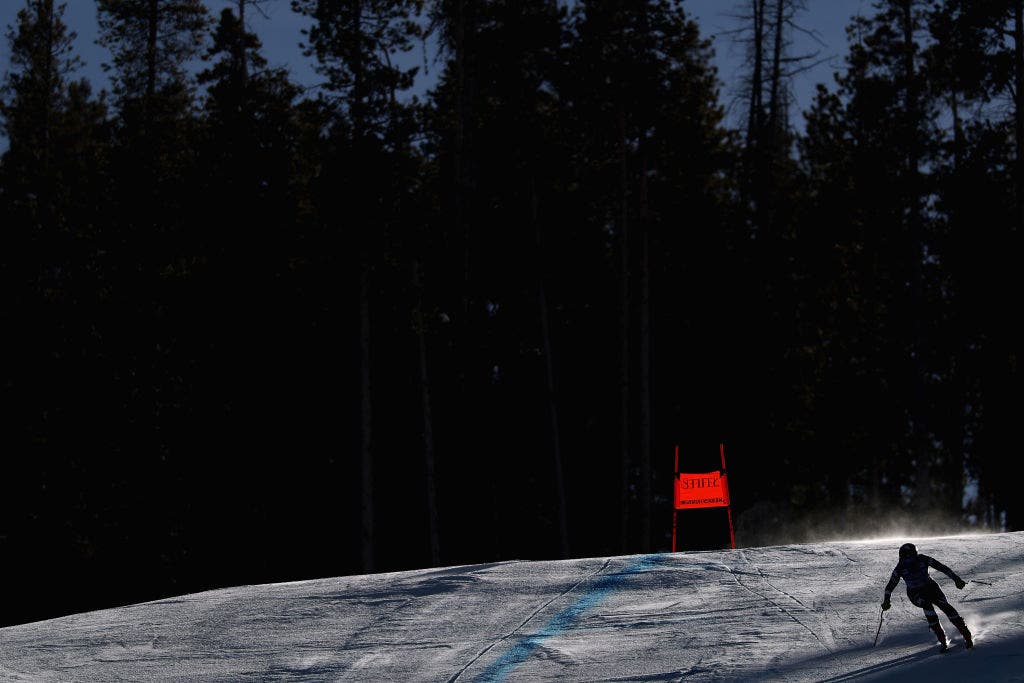
The Slip-catch mechanism is a high-speed phenomenon often seen in racing or on icy terrain. It occurs when a skier’s downhill ski loses its edge and slides outward. As the skier attempts to regain grip, the edge suddenly "catches" the snow. This abrupt engagement causes the knee to flex and the tibia (lower leg bone) to rotate internally with extreme force. According to Lichtman, the entire process from the catch to the tear occurs within approximately 60 milliseconds—a timeframe far too fast for human muscular reaction to counteract.
The Phantom Foot mechanism is more common among recreational skiers, particularly those who find themselves in the "backseat"—a position where the skier’s weight is too far back, causing the hips to drop below the level of the knees. In this seated posture, if a skier falls backward and to the side, the tail of the downhill ski acts as a lever. Because the modern ski is long and rigid, it exerts a massive amount of torque on the knee joint. This "phantom foot" (the tail of the ski) twists the lower leg while the upper body moves in the opposite direction, snapping the ACL before the binding has the opportunity to release.
Data-Driven Insights: The December Spike and Environmental Risks
Statistical analysis of ski injuries reveals patterns that Dr. Lichtman believes are essential for public awareness. One of the most notable trends is the "December Spike." This surge in ACL injuries at the start of the winter season is attributed to several factors. First, many skiers return to the slopes without adequate physical conditioning, leading to early-onset fatigue. Second, early-season snow conditions are often variable, featuring hidden obstacles or man-made "hardpack" that lacks the forgiving nature of mid-winter powder.
Fatigue is a primary catalyst for injury because it compromises a skier’s "athletic stance." As the quadriceps and core muscles tire, the skier naturally shifts their weight back to conserve energy, inadvertently entering the high-risk "backseat" position. Dr. Lichtman emphasizes that "fatigue awareness" is a skill in itself. Recognizing when the body is no longer capable of maintaining proper form is the most effective way to stay out of the operating room.
Environmental factors also play a critical role. Flat light or "whiteout" conditions remove the visual cues necessary for a skier to anticipate changes in terrain. When a skier cannot see a bump or a dip, they are unable to pre-activate their stabilizing muscles, leading to jarring impacts that can destabilize the knee. Similarly, the "Sierra Cement" common in the Tahoe region—heavy, wet snow—requires significantly more physical force to navigate than light powder, increasing the strain on the ligaments.
The Training Paradigm: Moving Beyond the Wall Sit
While traditional pre-season advice often focuses on building leg strength through exercises like wall sits, Dr. Lichtman argues for a more holistic approach to conditioning. While quadriceps and hamstrings are vital, they are only part of the equation. Modern injury prevention programs emphasize the "kinetic chain," focusing on the core and the hip stabilizers.
The gluteus medius, a muscle located on the side of the hip, is of particular importance. It is responsible for controlling the lateral movement of the leg and preventing the knee from collapsing inward (a position known as valgus stress). When the gluteus medius is weak, the knee is more likely to rotate internally during a turn or a fall, which is the primary movement that tears the ACL. Furthermore, a strong core, including the obliques and deep abdominal muscles, allows a skier to recover their balance more effectively when they are "kicked" by a bump, preventing the transition into the backseat.
Dr. Lichtman notes that even elite athletes sometimes neglect these stabilizing muscle groups in favor of "show" muscles or pure power. By incorporating lateral leg raises, planks with rotation, and proprioception exercises (balance training), skiers can create a more resilient physiological "armor" against injury.
Equipment and Technology: The Limitations of the Binding
A common misconception among recreational skiers is that a properly functioning binding will always prevent a knee injury. However, Dr. Lichtman points out that most ACL tears occur while the skier is still upright or in the process of falling—often before the force required to trigger a binding release is reached.
Bindings are primarily designed to release in response to forces that would cause a mid-shaft tibia fracture, not necessarily the rotational forces that tear a ligament. While multidirectional release systems, such as those found in Look bindings, offer an added layer of protection by allowing the heel to release laterally, they are not a total solution.
Lichtman advocates for a shift in how equipment is viewed. Rather than relying on the binding as a safety net, skiers must ensure their DIN settings (the release tension) are accurately calibrated by a professional based on their actual height, weight, age, and ability level. He also suggests that the industry is ripe for innovation, specifically in the development of "smart" bindings that can detect the specific rotational signatures of an ACL-threatening event before they reach the point of no return.
Broader Impact: Bridging the Prevention Gap
One of Dr. Lichtman’s most significant observations is the disparity between injury prevention in skiing versus land-based sports. In sports like soccer and basketball, standardized ACL prevention programs—such as the FIFA 11+—have been shown to reduce ligament injuries by 40 to 60 percent. These programs focus on "neuromuscular training," teaching the brain and muscles to work together to keep the joints in safe alignments.
Skiing, by contrast, lacks a universally adopted prevention protocol. Because the sport is often seasonal and recreational, many participants do not view themselves as "athletes" requiring specific training. Dr. Lichtman’s work with the U.S. Women’s Ski Team aims to change this culture. By translating the high-performance strategies used by professional racers into actionable advice for the general public, he hopes to see a measurable decline in the "extremely high" rates of ACL tears seen in mountain clinics each year.
The implications of this shift are significant. Beyond the immediate cost of surgery and rehabilitation, ACL injuries are a leading cause of early-onset osteoarthritis. By preventing the initial tear, surgeons like Lichtman are not just saving a ski season; they are preserving the long-term mobility and quality of life for their patients. As the industry moves forward, the integration of biomechanical education, advanced conditioning, and smarter equipment will be essential in ensuring that the thrill of the mountain does not come at the cost of a lifelong injury.

