
As the winter season approaches, the seasonal rush to achieve peak physical condition for the slopes often leads to a common misconception among recreational skiers: that fitness can be "crammed" into the final weeks preceding a trip. However, medical experts and orthopedic specialists are increasingly advocating for a shift toward year-round conditioning. Dr. Kevin Stone, an orthopedic surgeon and former physician for the U.S. Ski Team, emphasizes that the ideal training window for the upcoming ski season begins exactly when the previous one concludes. According to Stone, who operates The Stone Clinic in San Francisco, the seven-month off-season is not a period for sedentary behavior but a critical phase for maintaining the foundational strength required to navigate complex alpine terrain safely.
The Paradigm Shift in Off-Season Conditioning
Historically, pre-season training was characterized by high-intensity, sport-specific drills such as lateral jumps and plyometrics, often initiated just weeks before the first snowfall. Modern sports medicine has pivoted away from this narrow focus. The contemporary approach prioritizes "total body fitness" over isolated ski exercises. Dr. Stone notes that the most effective off-season programs are those that athletes find engaging and sustainable.
By engaging in activities such as cycling, trail running, or group gym sessions throughout the summer and autumn, skiers maintain "quad strength" and cardiovascular endurance. This prevents the "reset to zero" phenomenon, where an athlete loses the muscular gains of the previous season and must spend the first weeks of winter rebuilding basic stability. The psychological benefit of group exercise is also highlighted as a key factor in adherence; athletes who train in social environments are statistically more likely to maintain their fitness levels throughout the year.
The Chronology of Seasonal Preparation
To optimize performance and minimize injury risk, a structured timeline is essential for the modern skier.
- The Post-Season Maintenance Phase (April–August): This period focuses on general aerobic health and core stability. The goal is to maintain the muscle mass developed during the winter. Activities like mountain biking are particularly beneficial as they mimic the leg-loading and line-choice requirements of skiing.
- The Pre-Season Transition (September–October): As the season nears, training should incorporate more dynamic movements. This is the period to reintroduce the "gold standard" of ski fitness: the dynamic squat.
- The Immediate Pre-Trip Phase (November): For those who have lacked a consistent off-season regimen, the final weeks should focus on "reproducing the sport." Side-to-side dynamic squats and balance-focused exercises help the neuromuscular system prepare for the rapid weight shifts required on snow.
Physical Mechanics: Why the Squat Remains King
Despite the evolution of training philosophies, the squat remains the most efficient exercise for skiers. A dynamic squat, particularly one that incorporates lateral movement, prepares the lower chain—ankles, knees, and hips—for the variations in terrain found on the mountain. From a biomechanical perspective, skiing requires eccentric muscle control, where muscles lengthen under tension (such as when absorbing a bump). The dynamic squat trains the quadriceps and glutes to handle these loads, protecting the knee joint from the shearing forces that often lead to ligamentous injuries.
The Mental Dimension of Injury Prevention
While physical strength is a prerequisite for safety, Dr. Stone argues that mental focus is perhaps the most underrated tool in an athlete’s arsenal. Data from The Stone Clinic suggests that a significant majority of skiing injuries are preceded by a "mental error" or a lapse in concentration.
"Injuries happen when you’re thinking about what you’ll eat for lunch or friend drama, rather than focusing on the act of sliding down snow," Stone explains. This cognitive distraction leads to delayed reaction times and improper weight distribution. Athletes often report a "gut feeling" or a sense that something was "off" moments before an accident occurs. This highlights the importance of mindfulness and presence on the slopes. Muscle development provides the framework for safety, but mental acuity provides the execution.
The Critical Role of Modern Equipment
The adage that "it’s the skier, not the gear" is increasingly viewed as an obsolete and potentially dangerous sentiment in the medical community. Advancements in ski and boot technology have fundamentally changed the safety profile of the sport.
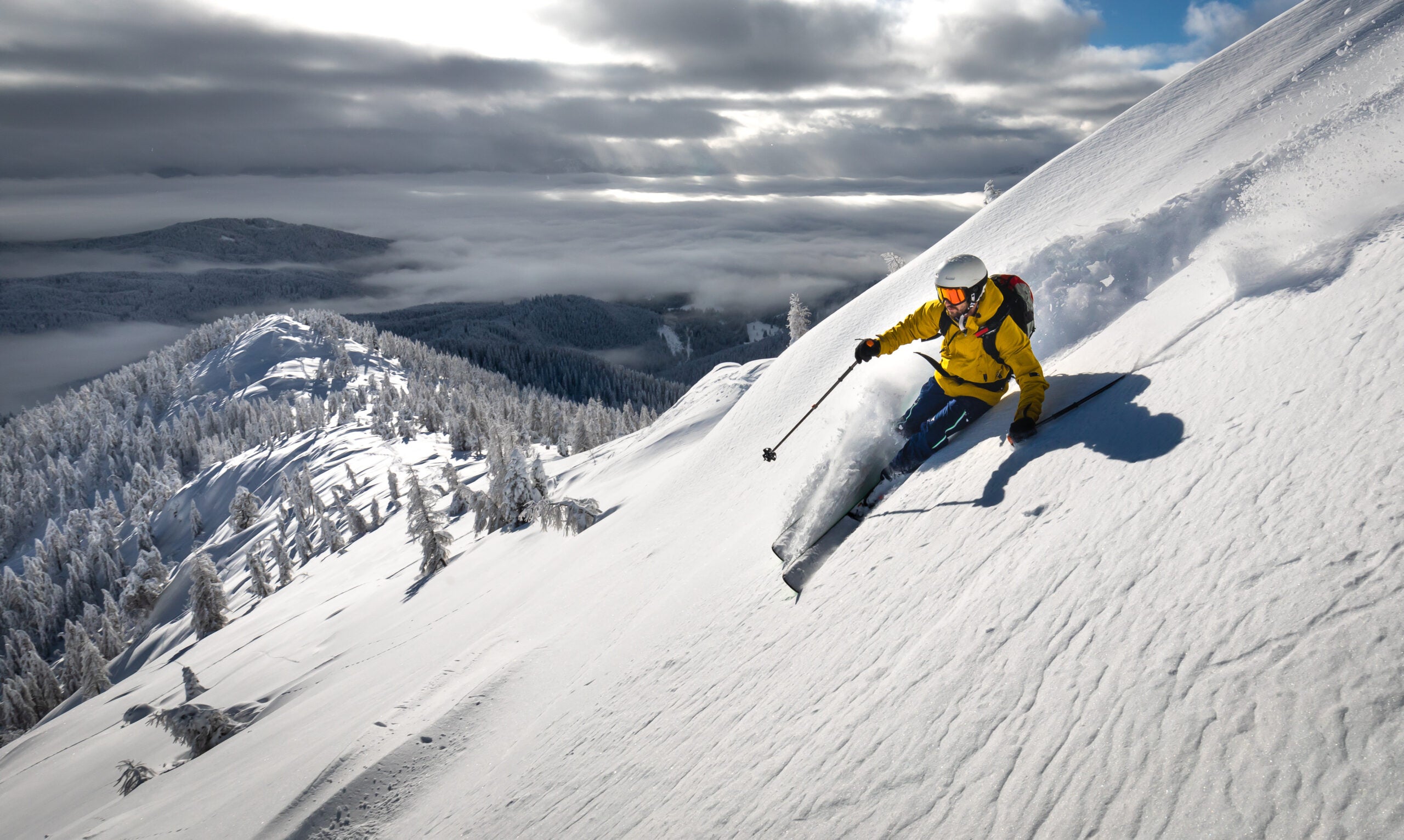
Dr. Stone emphasizes that older equipment—specifically bindings that may have degraded springs or boots with compromised plastic integrity—poses a significant risk. Modern bindings are engineered with more sophisticated release mechanisms that can prevent the "twisting" forces responsible for ACL tears.
Furthermore, the industry is seeing a shift in boot fitting philosophy. For 90 percent of recreational skiers, a softer boot flex is now recommended over the rigid, high-performance boots traditionally marketed to the masses. A boot that allows for ankle and knee flexion permits the skier to use their natural range of motion to initiate turns. This not only improves performance but also acts as a natural shock absorber, reducing the strain on the knee joints.
Clinical Profiles: Common Injuries Across Demographics
The types of injuries sustained on the mountain often correlate with the age and physiological profile of the skier.
- Younger Skiers: In this demographic, orthopedic surgeons most frequently see "high-energy" injuries. These include torn Anterior Cruciate Ligaments (ACL), meniscus cartilage damage, dislocated shoulders, and rotator cuff tears.
- Older Skiers: For the aging population, the primary challenge is often degenerative. Arthritic knees and bone-on-bone joint friction are common.
In the event of an injury, Dr. Stone stresses the necessity of an immediate and comprehensive diagnosis. The "unhappy triad" of symptoms—a twist, an audible "pop," and subsequent swelling—carries a 90 percent probability of a significant internal derangement, such as a ligament tear. Early intervention through physical exams, X-rays, and MRIs is crucial for long-term recovery.
Innovations in Surgical and Non-Surgical Treatment
The field of orthopedics has seen significant breakthroughs in how these injuries are managed. For ACL reconstructions, Dr. Stone advocates for the use of donor tissue (allografts) rather than autografts (taking tissue from the patient’s own hamstring or patellar tendon). The rationale is that harvesting a patient’s own tissue can weaken the knee’s ability to flex and hold an edge, which is detrimental to skiing performance.
For older skiers facing arthritis, the focus has shifted toward "biologic" treatments aimed at delaying or avoiding total joint replacements. Injections of hyaluronic acid (lubricants) and Platelet-Rich Plasma (PRP) are used to recruit the body’s own growth factors and stem cells. These treatments can reduce inflammation and provide enough joint lubrication to allow patients with significant wear to continue skiing into their 80s and 90s.
Broader Implications: The "Fitter, Faster, Stronger" Philosophy
The ultimate goal of modern sports medicine is not just to return an athlete to their pre-injury state, but to facilitate a return that is "fitter, faster, and stronger." An injury often serves as a catalyst for a more disciplined approach to fitness. The motivation to return to the mountains frequently drives patients to engage in more rigorous physical therapy and conditioning than they had ever pursued previously.
Skiing, by its nature, involves inherent risks. However, through a combination of year-round total-body fitness, mental presence, modern gear utilization, and advanced medical interventions, those risks can be substantially mitigated. The evolution of the sport from a seasonal hobby to a year-round lifestyle commitment reflects a broader trend in health and wellness: that longevity in high-impact sports is achieved through consistent, joyful activity rather than short-term, intensive preparation. As the industry looks toward the future, the integration of biological medicine and ergonomic equipment continues to push the boundaries of how long, and how safely, humans can enjoy the alpine environment.

