
The 2026 FIS Freeride World Tour (FWT) by Peak Performance reached its zenith on March 28, 2026, as the world’s elite big-mountain skiers and snowboarders descended upon the legendary Bec des Rosses for the 30th anniversary of the YETI Xtreme Verbier. The season finale, held in what many observers characterized as "all-time" conditions, saw a historic convergence of veteran dominance and rookie ascension. With 50 centimeters of fresh powder blanketing the steep, technical face in the days leading up to the event, the stage was set for a high-stakes demonstration of athleticism that ultimately crowned four world champions and celebrated the enduring legacy of freeriding’s most prestigious venue.
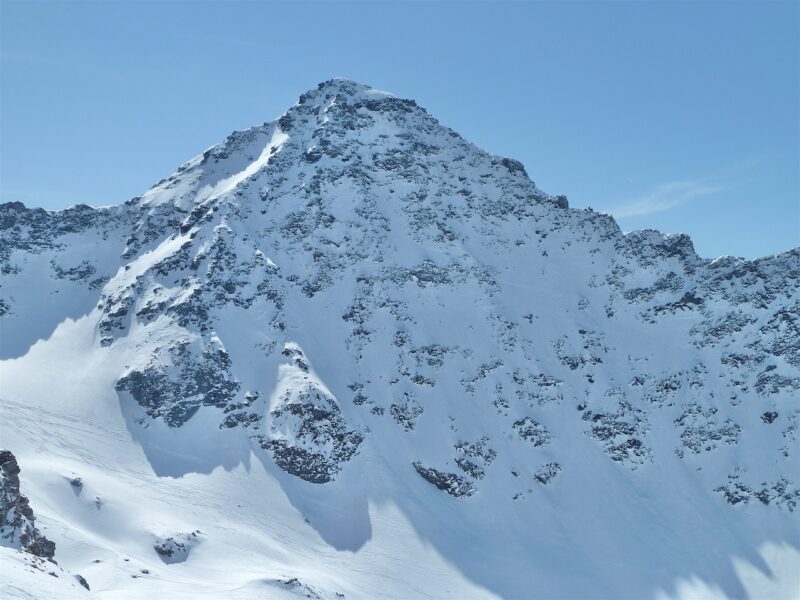
Since its inception in 1996, the Xtreme Verbier has served as the ultimate proving ground for the sport. The Bec des Rosses, a 3,223-meter peak defined by its 500-meter vertical drop and gradients exceeding 50 degrees, remains one of the most intimidating faces in competitive skiing and snowboarding. The 2026 edition was particularly significant, marking three decades of competition on these slopes and the continued integration of the tour under the International Ski Federation (FIS) framework, a move that has further professionalized the circuit and expanded its global reach.
A Historic Milestone: Three Decades of the Bec des Rosses
The 30th anniversary of the Xtreme Verbier provided a reflective backdrop for a sport that has evolved from a fringe extreme activity into a highly structured international discipline. In 1996, the first event was a snowboard-only invitational; by 2026, it has become the definitive final of a multi-stage global tour. The Bec des Rosses itself has not changed, but the level of riding has undergone a radical transformation. Modern competitors now combine traditional "big-mountain" lines—characterized by high-speed navigation of narrow chutes and massive cliff drops—with "freestyle" elements such as backflips and 360-degree spins, often executed in high-consequence "no-fall" zones.

The conditions for the 2026 final were optimal. Following a season of variable snowpacks across the European and North American stops, the Swiss Alps delivered a significant storm cycle just 48 hours before the competition. This provided the necessary "cushion" for riders to attempt more aggressive maneuvers and larger airs than are typically possible on the often-icy face of the Bec.
Snowboard Men: Local Heroism and a Fifth World Title
The Snowboard Men’s category featured a dual narrative: the pursuit of a record-breaking fifth world title by Frenchman Victor de Le Rue and the quest for a home-turf victory by Verbier local Liam Rivera. The results delivered on both fronts, creating one of the most memorable podiums in the event’s history.
Liam Rivera, a product of the Verbier Freeride Team and the reigning FIS World Champion, utilized his intimate knowledge of the Bec des Rosses to deliver a masterclass in line choice and execution. Rivera opted for a high-risk entry, launching a massive air off the top section before linking a series of technical turns with a perfectly controlled backflip. The judges rewarded his precision and local flair with a score of 96.00—the highest Snowboard Men’s score ever recorded on the Bec des Rosses. This victory was particularly poignant for the Swiss crowd, marking a "double title" season for Rivera, who has solidified his status as the premier talent in modern freeride snowboarding.
Despite Rivera’s event win, the overall season narrative belonged to Victor de Le Rue. By finishing second on the day with a score of 75.00, de Le Rue secured his fifth Freeride World Tour title, an achievement that cements his legacy as the most successful snowboarder in the tour’s history. His run included a signature high-consequence backflip in a steep, rocky section followed by a clean backside 360.
The podium was completed by 20-year-old French rookie César Barin. Competing on the Bec des Rosses for the first time, Barin showed maturity beyond his years, earning a 73.67. His performance highlighted a broader trend seen throughout the 2026 season: the rapid closing of the gap between established veterans and the next generation of riders.
Ski Men: Ben Richards and the "Triple Crown" Season
In the Ski Men’s category, New Zealander Ben Richards completed one of the most dominant seasons in FWT history. Richards entered the Verbier final having already secured victories at Baqueira Beret and Val Thorens. His performance on the Bec des Rosses was a definitive statement of his current superiority in the discipline.
Richards opened his run with a massive 360-degree spin over a highly exposed cliff band, maintaining a level of fluidity that was unmatched by his competitors. He navigated a high-speed transfer across the mid-section of the face, blending freestyle technicality with the raw speed required for big-mountain skiing. His score of 96.00 earned him the event win and ensured he took home both the FIS Freeride World Champion title and the 2026 FWT overall crown.
Toby Rafford (USA) followed his recent victory in the Alaska leg of the tour with a strong second-place finish in Verbier, scoring 94.67. Rafford’s style, characterized by "steeze" and confidence in technical terrain, pushed Richards until the final moments of the competition. Tiemo Rolshoven of Germany took third place with 93.00 points, showcasing a fluid run that emphasized solid fundamentals over high-risk aerials.

Ski Women: The Rise of Lou Barin
The Ski Women’s competition provided the day’s biggest upset and most compelling comeback story. Lou Barin (FRA), a former freestyle specialist who transitioned to freeriding, capped her rookie season by winning both the YETI Xtreme Verbier and the overall FWT title.
Barin had expressed significant trepidation regarding the Bec des Rosses in the days leading up to the final. However, her performance was characterized by composure. She chose an ambitious line that included a double-drop feature in the upper section and two clean 360s—a rarity in the women’s field on such steep terrain. Her score of 95.00 points was a testament to how freestyle skills are now essential for success in freeride.
The 2025 champion, Justine Dufour-Lapointe (CAN), finished second with 79.67. The Olympic mogul medalist delivered a quintessential "charger" run, taking the largest cliff drop of the day in the women’s category. Despite losing both poles upon a heavy landing in the apron, her control through the high-impact zone was praised by the judging panel. Local favorite Sybille Blanjean (SUI) rounded out the podium with 78.97, choosing a highly technical and exposed line on the skier’s right side of the face.
Snowboard Women: The Jones Legacy Continues
The Snowboard Women’s category saw a historic moment as Mia Jones (USA) secured the world title on the same face where her father, snowboarding legend Jeremy Jones, won 22 years prior. As a rookie, Jones demonstrated a level of comfort in "no-fall" terrain that belied her lack of experience on the Bec.

Jones was the only female snowboarder to start from the highly technical Gate 3. She maintained high speed through the steepest sections of the face and navigated complex rock gardens with fluid transitions. Her score of 87.00 secured the event win and the overall championship. Jones’ victory marks the first time a parent and child have both won on the Bec des Rosses, a milestone that underscores the multi-generational evolution of the sport.
Anna Martinez (FRA) placed second with 79.67, continuing a season of remarkable consistency. Martinez focused on technical cliff drops and "direct" line choices. Michaela Davis-Meehan (AUS) took third place with a score of 78.00, marking her second consecutive podium finish in Verbier.
Technical Analysis and Judging Criteria
The scoring for the 30th YETI Xtreme Verbier reflected the FIS Freeride World Tour’s five core judging criteria: line choice, fluidity, control, air and style, and technique. In the 2026 season, there has been a noticeable shift toward rewarding "freestyle-infused" freeriding. While the "line" (the difficulty and danger of the chosen path) remains the foundation, the "air and style" component (tricks and amplitude) has become the deciding factor for podium placements.
The 50cm of fresh snow significantly altered the "control" aspect of the judging. While softer snow allows for larger airs, it also increases the risk of "sluff" (surface snow avalanches) which can knock a rider off their line. The champions crowned in 2026 were those who managed their speed effectively while navigating the moving snowpack of the Bec des Rosses.

Official Reactions and the Path Forward
The conclusion of the 2026 season marks a period of stability and growth for the Freeride World Tour. Tour organizers and FIS officials noted that the 30th anniversary of the Verbier event saw record-breaking digital viewership, aided by advancements in drone-based live broadcasting and real-time telemetry data.
"Competing at the Xtreme Verbier has always been a dream," stated Ski Men’s champion Ben Richards following the awards ceremony. "To win here, on this face, with this history—it’s the pinnacle of the sport. The energy from the crowd and the level of riding today shows that freeriding is in an incredible place."
Snowboard Women’s champion Mia Jones echoed the sentimental value of the venue: "Riding the Bec for the first time was nerve-wracking, but the conditions were incredible. Sharing this legacy with my father is something I can’t quite process yet."
Broader Implications for Freeride Sports
The 2026 season has demonstrated that the "rookie revolution" is no longer a temporary trend but the new reality of the sport. With three of the four overall titles going to rookies or second-year riders (Richards, Barin, and Jones), the FWT Qualifier and Challenger series are clearly succeeding in preparing athletes for the transition to the world stage.

Furthermore, the successful integration with FIS has brought standardized safety protocols and increased financial backing, which has allowed the tour to expand its footprint. As the sport looks toward the 2027 season, the focus remains on maintaining the "core" spirit of freeriding—freedom of expression and respect for the mountain—while embracing the technical progression that was so vibrantly on display during the 30th anniversary of the YETI Xtreme Verbier.
The 2026 Freeride World Tour will be remembered as a year of "clean sweeps" and historic milestones. From Victor de Le Rue’s fifth title to the emergence of the Barin and Jones families as freeride dynasties, the event on the Bec des Rosses proved once again why it remains the most important day on the winter sports calendar. As the snow settles on the 2026 season, the global freeride community now looks ahead to a future where the limits of what is possible on a mountain face continue to be redefined.

