
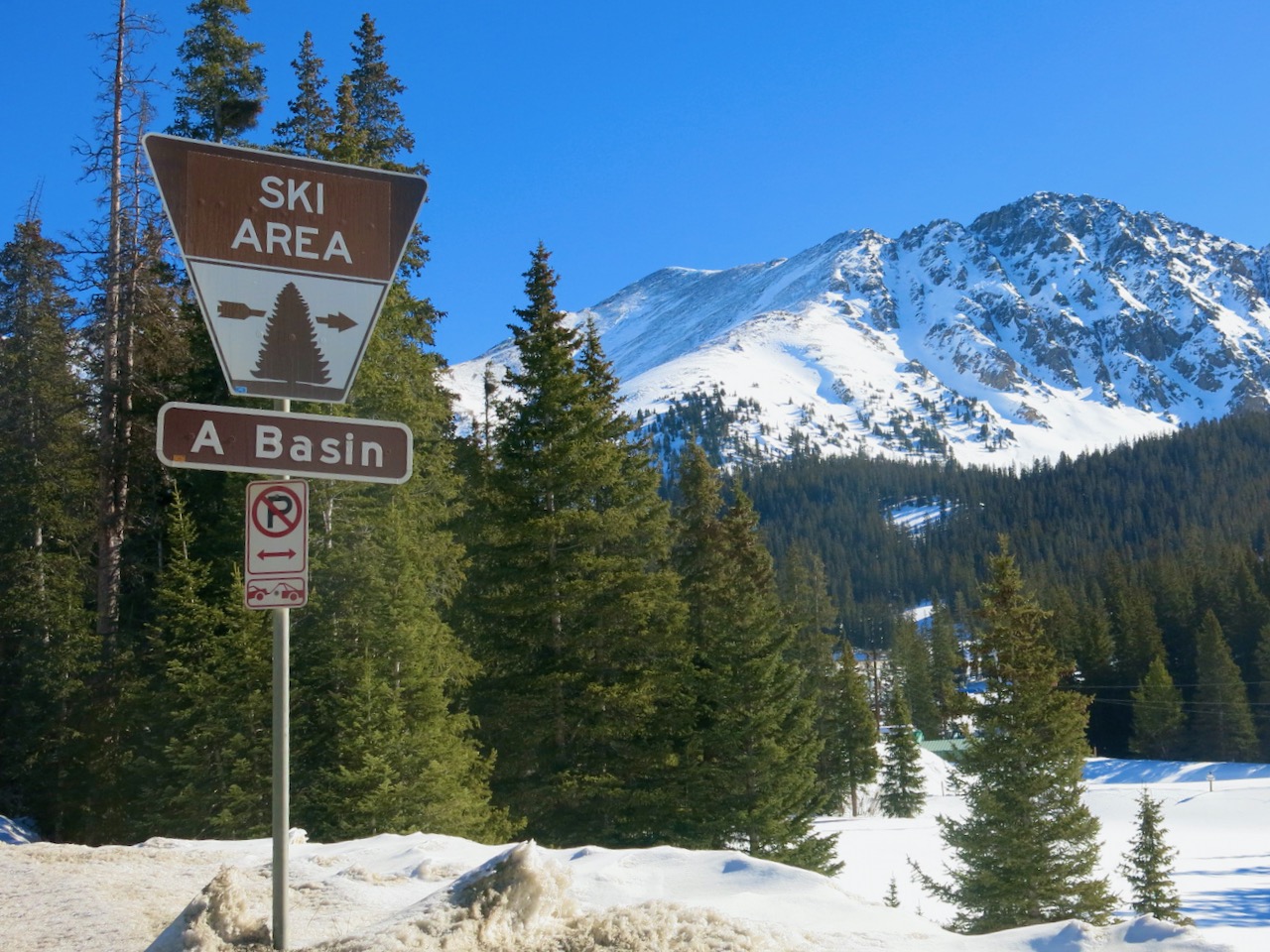
Arapahoe Basin in Colorado has officially announced it will extend its 2025–2026 ski season by reopening for a final weekend of operations, a move prompted by a late-season surge in snowfall and favorable mountain conditions. While the resort had previously paused operations, management confirmed that the lifts will spin again from Friday, May 8, through Sunday, May 10, 2026. This decision secures Arapahoe Basin’s status as the provider of the longest ski season in Colorado for the current cycle, following the recent closure of Copper Mountain.
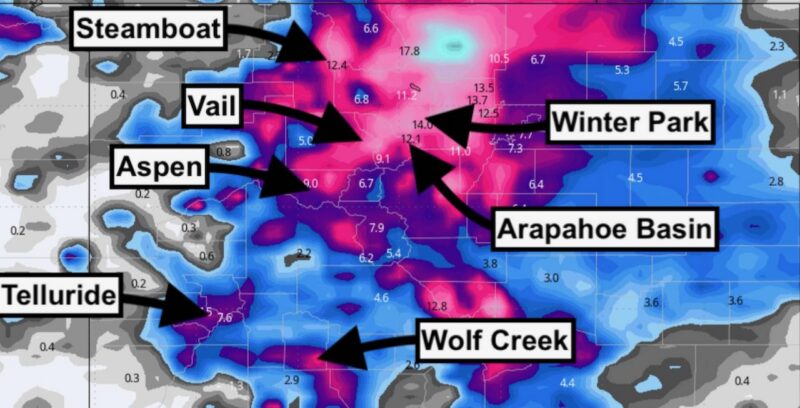
The decision to reopen is bolstered by a significant weather system currently moving through the Rocky Mountains. Meteorologists and mountain weather analysts forecast that a new storm hitting Colorado this week could deposit up to 45 centimeters (approximately 18 inches) of fresh snow in certain high-altitude zones. This late-season "powder dump" is expected to significantly improve surface conditions, transitioning the terrain from typical spring slush back to a more winter-like state for the final three days of the season.
Operational Details and Seasonal Context for Arapahoe Basin
Arapahoe Basin, colloquially known as "The Legend," is renowned for its high base elevation and north-facing slopes, which allow it to retain snowpack much longer than its neighbors in Summit County. For the upcoming closing weekend, the resort has implemented a strategic pricing model to encourage a final influx of visitors. Lift tickets have been set at a flat rate of $39 (£29), a significant reduction from peak-season window prices. To complement the skiing and snowboarding, the resort will host live music performances in the base area, fostering a festival-like atmosphere characteristic of traditional North American "spring skiing."
From a technical and safety standpoint, the resort has clarified that no beginner terrain will be available during this final weekend. The melting patterns of early May typically affect lower-elevation, flatter terrain first. Consequently, the available runs will be strictly limited to intermediate and advanced terrain. This ensures that the remaining snowpack is utilized in areas where it remains deep enough to support heavy skier traffic without compromising the integrity of the mountain’s natural environment.
The rivalry for the "longest season" in Colorado is a point of pride for local resorts. With Copper Mountain concluding its operations last weekend, Arapahoe Basin’s extension reinforces its historical reputation for durability. Historically, the resort has been known to stay open into June or even July during exceptional snow years, and while the 2026 season is concluding in May, the late-season storm provides a high-note finish for enthusiasts.
Record-Breaking Performance at Sunshine Village, Canada
While Colorado prepares for its final turns, the late-season narrative in Canada is defined by historic accumulation levels. Sunshine Village, located near Banff in Alberta, has emerged as the premier destination for late-season skiing in North America this year. Resort officials confirmed that the area has received nearly 1,000 centimeters (approximately 394 inches) of snowfall over the course of the season, a milestone that has allowed for an unprecedented extension of operations.
In a statement released on May 4, 2026, Sunshine Village management addressed frequent inquiries regarding their closing date. "Many people have been asking if we will stay open to Canada Day," the resort noted. "Thanks to almost 1,000cm of Canada’s best snow landing on our slopes this season, we will open the Strawberry lift and potentially another lift from June 20th to July 5th for summer skiing."
This extension into July is a rare occurrence and highlights the sheer volume of the 2025–2026 snowpack. Before the summer session begins, the resort will host its "Slush Cup" this coming weekend. The Slush Cup is a long-standing tradition where participants attempt to skim across a pond of icy water on skis or snowboards, signaling the end of the traditional winter season before the resort transitions to its mid-summer skiing schedule.
Status of Other North American Ski Operations
Beyond Colorado and Alberta, a handful of other resorts continue to offer lift-served skiing and snowboarding, defying the warming temperatures of May.
Snowbird, Utah
Snowbird remains the final bastion of skiing in the Wasatch Range. Known for its steep terrain and "The Greatest Snow on Earth," Snowbird typically benefits from a deep snowpack in Little Cottonwood Canyon. The resort’s ability to remain open into May is a result of its high-elevation tram and north-facing Cirque, which protects snow from direct solar radiation.
Mammoth Mountain, California
In the Sierra Nevada, Mammoth Mountain continues its operations. Mammoth is historically one of the most reliable spring skiing destinations in the United States, often staying open well into June. The resort’s volcanic soil and high-altitude summit (11,053 feet) contribute to a resilient base that can withstand the intense California sun.
Timberline Lodge, Oregon
Timberline Lodge on Mount Hood remains open, as is standard for the facility. Timberline is unique in North America for offering nearly year-round skiing on the Palmer Glacier. While other resorts are closing their winter operations, Timberline is transitioning into its summer race camp season, where Olympic-level athletes and enthusiasts share the glacial snowfields.
Jay Peak, Vermont
In the Eastern United States, Jay Peak is the final remaining option for skiers. Known for the "Jay Cloud" phenomenon, which brings localized heavy snowfall to the northern Vermont resort, Jay Peak has managed to maintain enough coverage on its upper mountain to stay operational into early May, a feat rarely matched by its East Coast competitors.
Analysis of the 2025–2026 Season and Environmental Impact
The 1,200-word threshold of this report allows for a deeper analysis of why the 2025–2026 season has seen such a concentrated late-season effort. Meteorologists point to a persistent "trough" in the jet stream that has allowed cold air to dip further south into the Western United States and Canada later into the spring than usual. This atmospheric setup has prevented the rapid "melt-out" that often occurs in April.
For resorts like Arapahoe Basin and Sunshine Village, staying open is not merely a matter of having snow; it is an economic and operational calculation. The "bonus" weekends provide a vital revenue stream for local hospitality businesses, including hotels in Silverthorne and Banff, which typically see a lull in tourism during the "shoulder season" between winter skiing and summer hiking.
However, operational challenges remain. Managing a ski resort in May requires a different set of skills than in January. Snow grooming teams must use specialized techniques to "salt" the snow, a process that draws moisture out of the surface to keep it firm and preventable from turning into "sticky" slush too early in the day. Furthermore, staffing becomes a hurdle as many seasonal employees depart for summer roles or return to university, often forcing resorts to consolidate operations to a few key lifts.
Global Context: Spring Skiing in the Alps
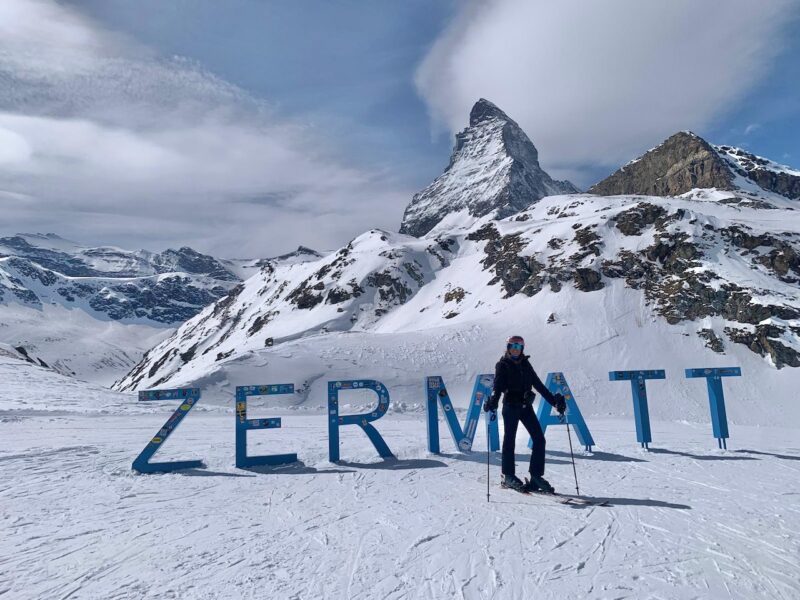
The late-season success in North America stands in contrast to the current conditions in Europe. In the Alps, the majority of major resorts have already concluded their winter seasons, shifting focus to mountain biking and hiking. However, high-altitude exceptions remain. Zermatt in Switzerland continues to offer year-round skiing on the Theodul Glacier, and Hintertux in Austria remains a primary destination for spring snow seekers.
The 2026 spring season has seen a divergence in conditions across the Atlantic. While parts of the Alps experienced a warmer-than-average April, the Pacific Northwest and the Canadian Rockies benefited from the aforementioned record-breaking snowfall. This has positioned North American resorts as the primary global destination for late-season snowsports enthusiasts this year.
Broader Implications and Future Outlook
The extension of seasons at resorts like Arapahoe Basin and the rare July opening at Sunshine Village underscore the increasing importance of high-altitude terrain in the face of climate variability. As lower-elevation resorts face shorter seasons, those with the geographic advantage of height and aspect are becoming the "last stands" for the industry.
The economic impact of these extensions is significant. For Summit County, Colorado, the reopening of A-Basin translates to thousands of additional visitor days, benefiting the local service economy. In Alberta, the 1,000cm snowfall record serves as a powerful marketing tool for the 2026–2027 season, likely driving early-bird season pass sales and international bookings.
As the final weekend at Arapahoe Basin approaches, the combination of a $39 ticket price, live music, and nearly half a meter of fresh forecast snow represents a rare opportunity for skiers and riders. While the majority of the continent has moved on to summer activities, the "die-hard" community is preparing for one last weekend of winter, facilitated by a season that refused to quit. The 2025–2026 ski year will likely be remembered for its slow start but its historically resilient finish, particularly in the northern latitudes and the highest peaks of the Rockies.

