
White Sands National Park, a geological marvel situated in the Tularosa Basin of New Mexico, is renowned for its breathtaking expanse of shimmering gypsum dunes. Spanning an impressive 275 square miles, this vast dunefield, composed primarily of gypsum sand and selenite crystals, creates an otherworldly landscape that draws visitors from across the globe. However, the park has recently issued a public advisory, urging visitors to refrain from consuming the gypsum, despite its striking resemblance to granulated sugar and its presence in various everyday food products.
The Allure and the Warning: A Closer Look at White Sands’ Gypsum
The unique composition of White Sands National Park is central to its identity. The park sits atop the world’s largest gypsum dunefield, a result of geological processes that have shaped the Tularosa Basin over millennia. Gypsum, a soft sulfate mineral, is the primary component of these striking white dunes. Selenite crystals, a transparent crystalline form of gypsum, are also abundant, further contributing to the park’s ethereal beauty.
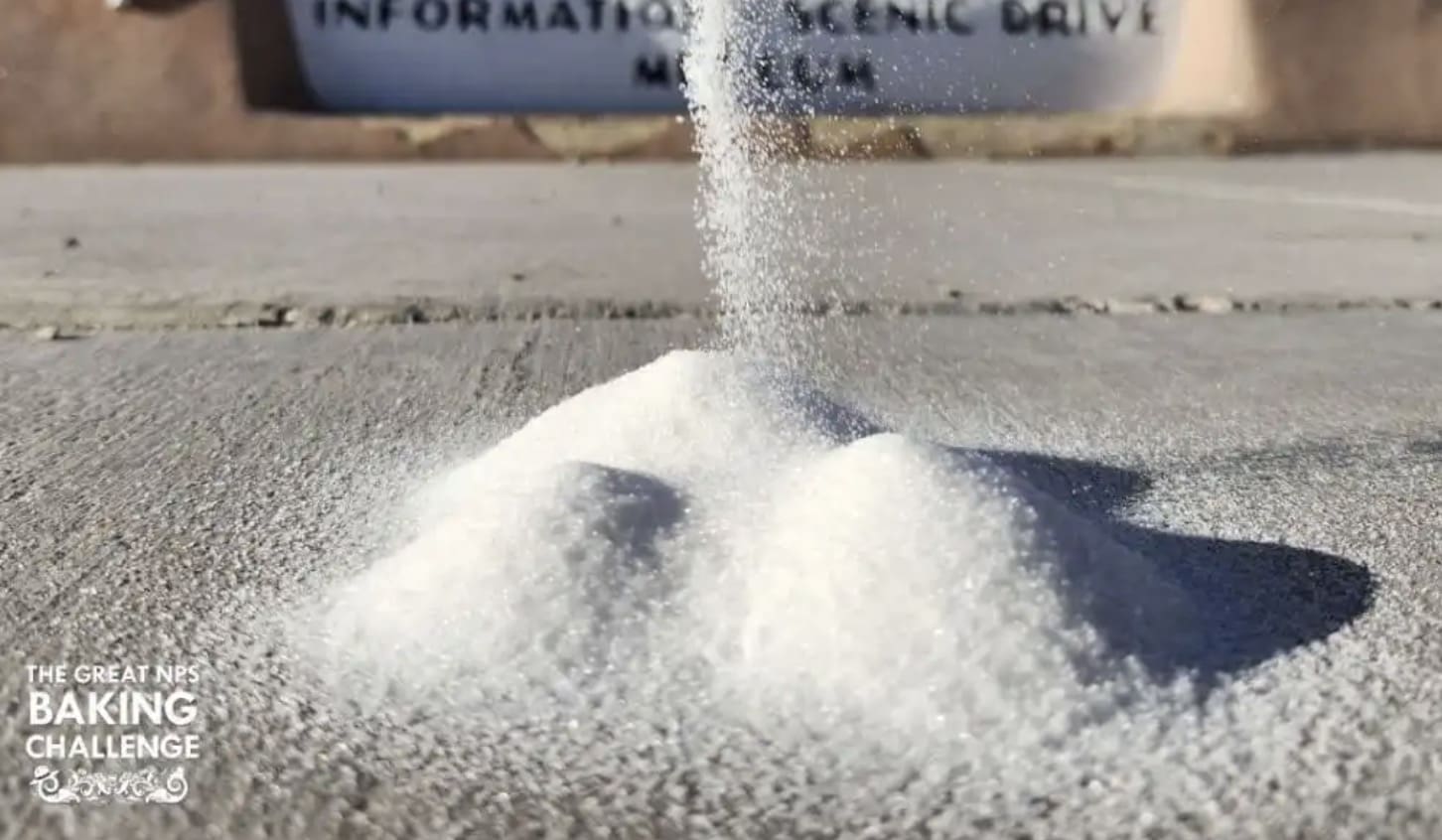
This visual similarity to sugar has, it appears, prompted some visitors to consider tasting the park’s signature mineral. In response, White Sands National Park took to social media platforms to clarify that, despite its appearance, the gypsum sand is not intended for consumption. The park’s communication, framed with a lighthearted tone, highlighted the distinction between the natural gypsum found in the park and the processed forms used in culinary applications.
Gypsum in Our Diet: A Surprising Reality
The park’s advisory also brought to light the unexpected presence of gypsum in many common food items. Gypsum, chemically known as calcium sulfate dihydrate (CaSO₄·2H₂O), is a widely used additive and processing aid in the food industry. Its inclusion in products ranges from aiding in the coagulation of soy milk for tofu production to serving as a firming agent in canned vegetables and a clarifying agent in beer. It also plays a role in the production of certain cheeses, such as blue cheese, and can be found in some baked goods and confectionery.
According to information shared by White Sands National Park, the average person consumes approximately two pounds of gypsum over the course of their lifetime, largely through these processed food sources. This statistic underscores the fact that while direct consumption of raw gypsum from the park is ill-advised, its presence in our diet is more common than many realize. The park’s messaging aimed to educate the public, differentiating between the naturally occurring, raw mineral in its pristine environment and the refined, food-grade gypsum utilized in manufacturing.
The Park’s Official Statement and Context
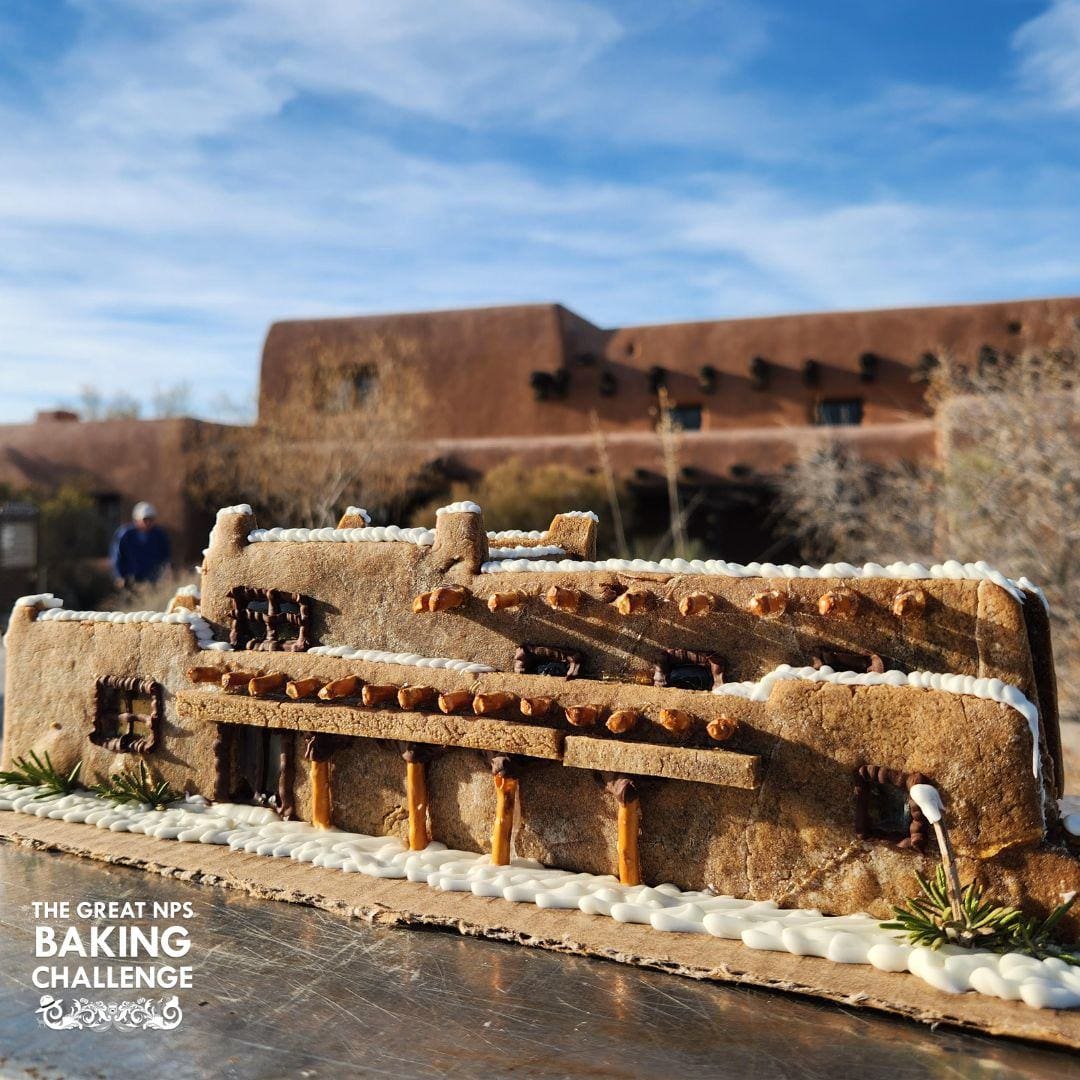
The park’s social media post, which accompanied a visually appealing graphic, stated: "When it comes to the Great NPS Baking Challenge, we think White Sands National Park takes the cake. While our sand dunes can be as enticing as a pile of sugar, please refrain from sneaking a taste. Although gypsum can be found in many food sources, we like to keep our sand where it belongs, on the desert floor. But don’t worry, you aren’t missing any gypsum from your diet! Did you know you will eat about two pounds of gypsum in your lifetime?! Toothpaste, beer, tofu, chocolate, canned vegetables, ice cream, blue cheese, and more all contain gypsum! Next time you are at the park, please remember: they are not as tasty as sugar. Just trust us."
This statement, while humorous, carries a crucial message about responsible park visitation and the preservation of natural resources. It implicitly addresses the potential for misunderstanding the park’s landscape and its components. The park’s strategy of educating visitors about the dual nature of gypsum – its natural form and its industrial applications – serves to demystify the mineral and reinforce the importance of respecting the natural environment.

Understanding the Implications: Conservation and Visitor Education
The advisory from White Sands National Park highlights a broader trend in national park management: the increasing need for direct and accessible visitor education. As parks become more popular, managing visitor behavior and ensuring the preservation of delicate ecosystems become paramount. In the case of White Sands, the concern is not just about ingestion, but also about the potential for visitors to disturb the dunes by collecting or attempting to consume the gypsum.
While a small amount of gypsum ingestion might not pose an immediate severe health risk, consuming large quantities could potentially lead to gastrointestinal distress. More importantly, the removal of sand or crystals from the park can disrupt the natural processes that shape the dunefield and impact the unique flora and fauna that have adapted to this arid environment. The park’s proactive communication aims to prevent such actions by fostering an informed and respectful visitor base.
The Science Behind the Dunes: A Geological Perspective
The formation of the White Sands dunefield is a fascinating geological narrative. The gypsum originates from the erosion of the surrounding San Andres and Sacramento Mountains. Over time, rainwater and surface runoff carry dissolved gypsum into the Tularosa Basin. As the water evaporates in the arid climate, the gypsum is left behind, accumulating and forming the vast gypsum dunes. The unique crystallization of gypsum in this region, forming selenite, is a testament to the specific climatic and geological conditions present.
The park’s ecosystem is surprisingly diverse, with specialized plant and animal species that have evolved to survive in this gypsum-rich environment. These include plants with adaptations to absorb water efficiently and animals with camouflage that allows them to blend in with the white landscape. Any disturbance to the dunes, including the removal of sand, can have ripple effects throughout this intricate web of life.
A History of Appreciation and Protection
White Sands has been a site of human interest for centuries, with evidence of Paleo-Indian habitation dating back thousands of years. Its designation as a National Monument in 1933 and later as a National Park in 2019 reflects a growing recognition of its scientific and aesthetic significance. The park’s management has continuously evolved to balance public access with the imperative of conservation.
The recent advisory can be seen as an extension of this ongoing effort. It acknowledges the natural allure of the park and the curiosity it inspires, while gently guiding visitors toward actions that support the park’s preservation. The park’s approach, using humor and relatable information about food additives, is a modern strategy to engage a diverse audience and convey a vital conservation message effectively.
Broader Implications for National Parks
The situation at White Sands National Park is indicative of a broader challenge faced by the National Park Service. With increasing visitor numbers and the pervasive influence of social media, parks must find innovative ways to educate the public about responsible recreation. This includes not only adhering to regulations but also understanding the ecological and geological significance of the sites they visit.
The park’s emphasis on the dual nature of gypsum – its presence in the environment and in our food – serves as a valuable educational tool. It encourages visitors to think critically about the materials around them and the importance of respecting natural landscapes. By framing the issue in an accessible and engaging manner, White Sands National Park is not only protecting its unique environment but also fostering a more informed and conscientious generation of park stewards. The message is clear: while the beauty of White Sands may be as sweet as sugar, its substance is best left undisturbed, admired from a distance, and appreciated for the natural wonder it is.

