
Before the establishment of the modern Mount Shasta Ski Park, the majestic slopes of Mount Shasta were home to a pioneering winter sports destination: the Mount Shasta Ski Bowl. Operating from 1959 to 1978, the Ski Bowl carved out a significant niche in California’s skiing history, lauded for its breathtaking alpine vistas and challenging terrain. However, a confluence of legal battles, financial instability, inconsistent weather, and ultimately, a catastrophic avalanche, led to its premature demise, leaving behind a legacy of what might have been.
A Vision of Alpine Majesty
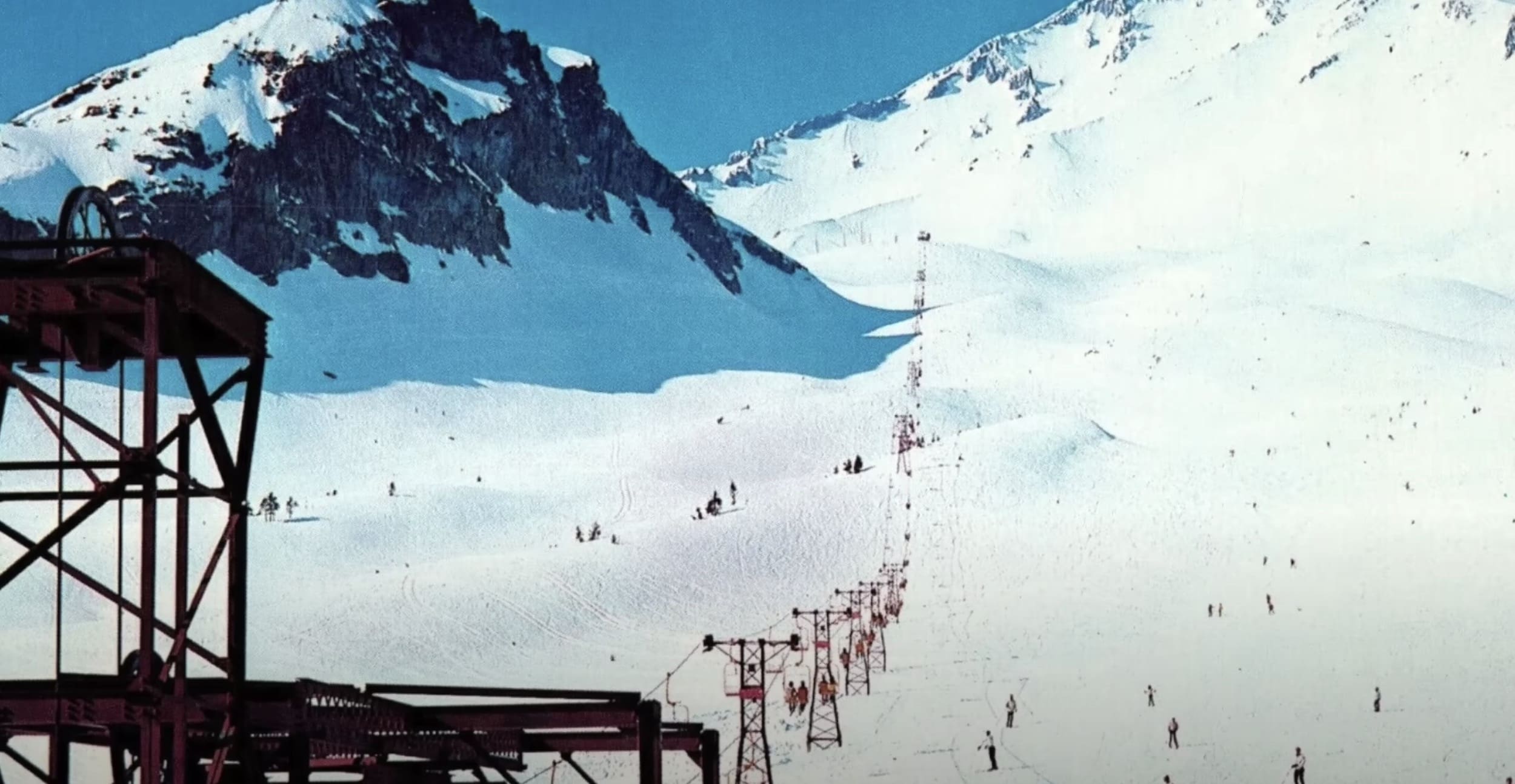
The Mount Shasta Ski Bowl was conceived with the ambition of harnessing the immense natural beauty and recreational potential of Mount Shasta, the fifth-highest peak in the Cascade Range. Nestled within the Shasta-Trinity National Forest, the area promised an unparalleled skiing experience, drawing inspiration from the grandeur of larger Western ski resorts. Early enthusiasts envisioned a world-class destination that would attract skiers from across the region and beyond, capitalizing on the iconic silhouette of the dormant volcano. The ski area’s infrastructure, including the Green Butte chairlift, was designed to provide access to challenging ascents and exhilarating descents, catering to a growing demand for winter sports in Northern California.
The Unraveling of a Dream: Factors Contributing to Closure
The eighteen-year operational lifespan of the Mount Shasta Ski Bowl was marked by persistent challenges that gradually eroded its viability. The primary factors contributing to its eventual closure can be categorized as follows:
Persistent Legal Entanglements
The Ski Bowl was plagued by a significant number of lawsuits throughout its operational period. While the specific nature of these legal disputes is not detailed in the original records, such litigation can impose substantial financial burdens through legal fees, settlements, and potential damages. This constant legal pressure likely diverted crucial resources and management attention away from operational improvements and growth strategies.
Chronic Financial Deficits
Operating a ski resort is a capital-intensive endeavor, and the Mount Shasta Ski Bowl frequently struggled with profitability. The business model was evidently unable to generate sufficient revenue to cover its operating expenses, leading to accumulating debt. This financial precarity would have made it difficult to invest in necessary upgrades, maintenance, and marketing efforts, creating a vicious cycle of underperformance. Data from similar regional ski areas of that era often reveals that profitability was highly sensitive to snow conditions and skier visits, suggesting that any shortfall in these areas could have a cascading effect on the bottom line.

Unpredictable Weather Patterns
The variability of winter weather is a perennial challenge for any outdoor recreational facility, and the Mount Shasta Ski Bowl was no exception. Inconsistent snowfall and unpredictable weather patterns could lead to shortened seasons, reduced operating days, and a decline in visitor numbers. For a business reliant on consistent winter conditions, such fluctuations represented a significant operational and financial risk. Ski resorts in mountainous regions often face this challenge, and success hinges on robust snowmaking capabilities or an exceptionally reliable natural snowpack, neither of which may have been fully realized at the Ski Bowl.
Stifled Expansion and Regulatory Hurdles
In its final years, the Ski Bowl faced a significant setback when a planned expansion project was denied by the U.S. Forest Service. Such expansions are often critical for ski resorts to increase capacity, enhance amenities, and remain competitive. The rejection of these plans by a key regulatory body likely signaled a loss of confidence or an inability to meet evolving environmental or operational standards, further jeopardizing the resort’s long-term financial prospects and hindering its potential for growth. This decision would have had a direct impact on the resort’s ability to attract investment and broaden its appeal.
The Catastrophic End: The 1978 Avalanche
The ultimate demise of the Mount Shasta Ski Bowl was precipitated by a devastating avalanche in 1978. This natural disaster inflicted severe damage upon the resort’s infrastructure, specifically destroying five towers of the Green Butte chairlift. The destruction of such a critical piece of equipment would have rendered a significant portion of the ski area inoperable, incurring substantial repair costs. In the context of an already financially strained operation, the economic impact of this event was likely insurmountable, serving as the final blow to the beleaguered ski resort. Avalanches, while a natural hazard in mountainous terrain, can have devastating consequences for ski operations, often leading to prolonged closures or complete shutdowns if the damage is extensive and the financial resources for repair are limited.

A Legacy of Unfulfilled Potential
The closure of the Mount Shasta Ski Bowl in 1978 marked the end of an era for winter sports enthusiasts in the region. The sentiment expressed by those who remember its operation is one of regret, lamenting the loss of what could have been an iconic California ski destination. The picturesque setting and the quality of the terrain suggested a strong foundation for a thriving resort. The hope is that the lessons learned from the Ski Bowl’s challenges can inform future endeavors in the region, ensuring that the allure of Mount Shasta as a premier winter sports locale is fully realized and sustained.
The video embedded in the original article, credited to Skier72, offers a deeper exploration of the history and topography of the Mount Shasta Ski Bowl. Such visual and historical documentation is invaluable in preserving the memory of these significant, yet often transient, landmarks in our sporting and recreational heritage. The detailed examination of the area’s geography and the stories of its past operations provide a richer understanding of the Ski Bowl’s potential and the complex factors that ultimately led to its closure.
The continued presence of Mount Shasta Ski Park, which occupies a different operational area on the mountain, stands as a testament to the enduring appeal of the region for skiing. However, the story of the Ski Bowl serves as a poignant reminder of the multifaceted challenges inherent in operating a ski resort, from navigating legal and financial landscapes to adapting to environmental variables and natural hazards. The narrative of the Mount Shasta Ski Bowl is a chapter in the history of California’s ski industry, highlighting both the allure of its majestic landscape and the inherent difficulties in transforming that allure into a lasting enterprise.

