
The 2025-2026 winter season across Europe has proven remarkably resilient, delivering a late-season surge of cold temperatures and fresh snowfall that has optimized conditions for the Easter holiday period. While late March often signals the transition to spring skiing characterized by softening "corn" snow and receding lower-altitude snowlines, this year’s meteorological patterns have defied seasonal norms. Arctic air masses have pushed deep into the continent, maintaining freezing levels well below 1,000 meters in several regions and providing a significant "top-up" to the existing snowpack. From the high-altitude glaciers of the Swiss Alps to the rugged plateaus of Norway’s Telemark region, the ski industry is reporting a surge in optimism as the season enters its final, and often most profitable, stretch.
Meteorological Overview and the Easter Shift
The current abundance of snow is particularly significant given the calendar placement of Easter in 2026. Occurring two weeks earlier than in 2025, the holiday has aligned perfectly with a sustained period of unsettled, cold weather. Meteorologists note that a "hard freeze" cycle has established itself across much of Northern and Central Europe. This cycle, where temperatures drop significantly overnight, allows for the preservation of the snow base, preventing the rapid melt-off often seen in late March.
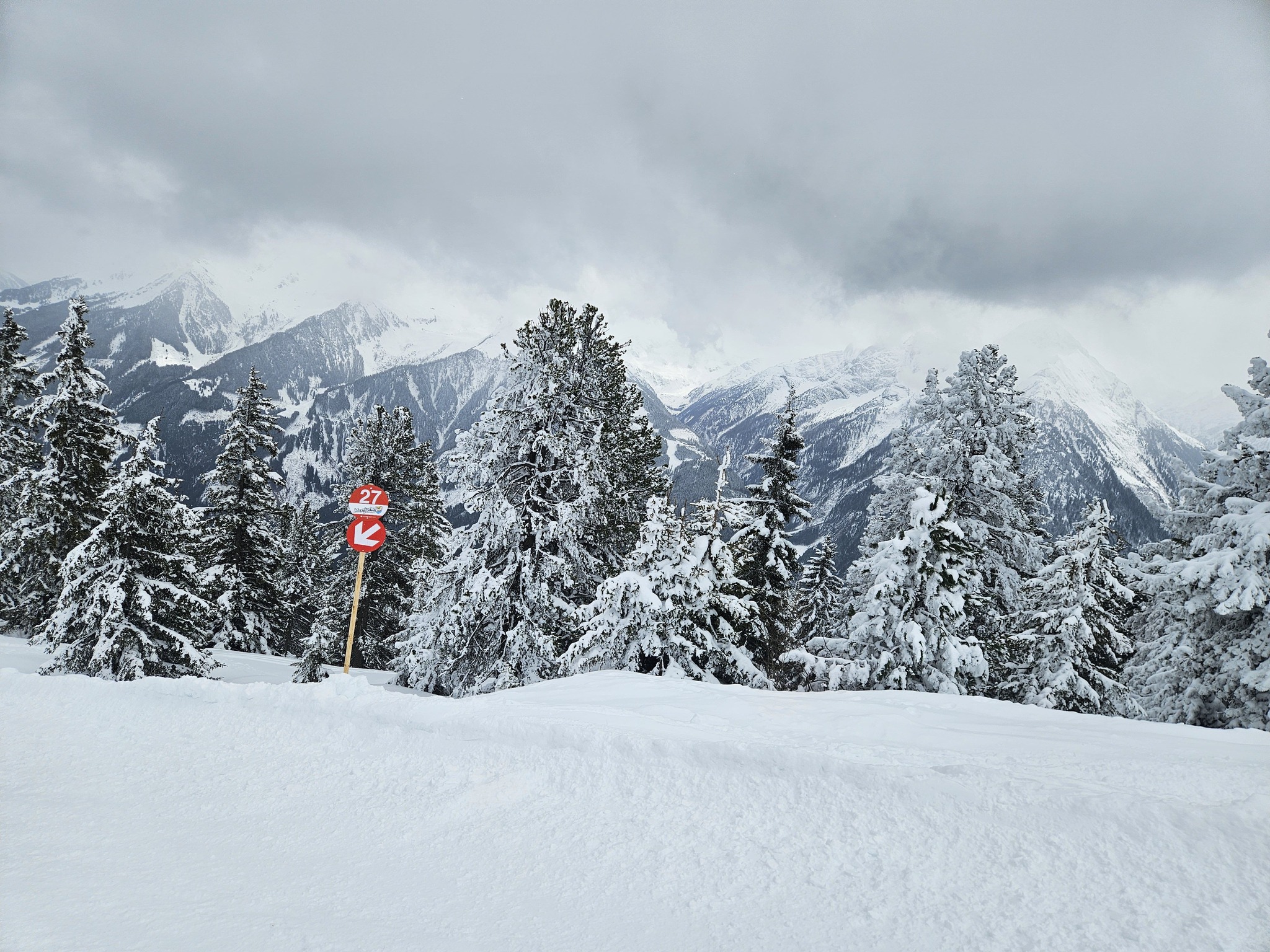
In the northern Alps, particularly across Austria and Switzerland, the weather has remained volatile. While this volatility occasionally disrupts lift operations due to high winds or visibility issues, the net result is a consistent accumulation of fresh powder. Fraser Wilkin, a prominent snow forecaster from weathertoski.co.uk, noted that while the southern Alps are experiencing more "average" conditions for this time of year, the northern sectors are seeing "superb" conditions that are likely to persist well into April.
Detailed Chronology of Recent Snowfall Events
Sunday, March 29: The Arrival of the Cold Front
The final weekend of March saw a decisive shift in atmospheric pressure. As the Easter break officially commenced for many international travelers, the Alps were blanketed by a fresh layer of late-season snow. Unlike typical spring storms where the snow is heavy and wet, the low freezing levels ensured a light, powdery consistency at higher elevations. In resorts like Tignes and Val d’Isère, the snow quality was reported as being reminiscent of mid-January.
Resort operators in the Tignes region capitalized on this by launching aggressive late-season marketing campaigns. With the Grande Motte glacier providing a reliable base, the resort has positioned itself as a primary destination for those looking to ski beyond the traditional Easter window. Data from the region suggests that high-altitude resorts (those with skiing above 2,000m) are seeing a 15% increase in late-season bookings compared to the previous year, driven largely by the reliability of the current snowpack.
Monday, March 30: Austrian Dominance and "The BRITS"
By Monday, the focus shifted toward the Austrian Tyrol. Mayrhofen, a hub for British and European skiers, reported a mix of overcast skies and intermittent bright spells, but the primary story remained the snow volume. The resort is currently hosting the British Snowboard & Freeski Championships, colloquially known as "The BRITS." This event, which brings together the UK’s top freestyle talent, requires specific snow conditions—namely, a deep enough base for large-scale park features and soft enough landings for competitors.
Jane Peel, reporting from Mayrhofen, confirmed that the Penken Park and surrounding pistes are in peak condition. The presence of "The BRITS" underscores Mayrhofen’s status as a premier freestyle destination, and the current weather has ensured that the competition can proceed without the icing issues that sometimes plague spring events. Forecasters on Monday predicted that Switzerland and Austria would continue to see the lion’s share of the week’s precipitation, further cementing the northern Alps as the "place to be" for the holiday fortnight.
Tuesday, March 31: Scandinavian Stability and Swiss Wind Challenges
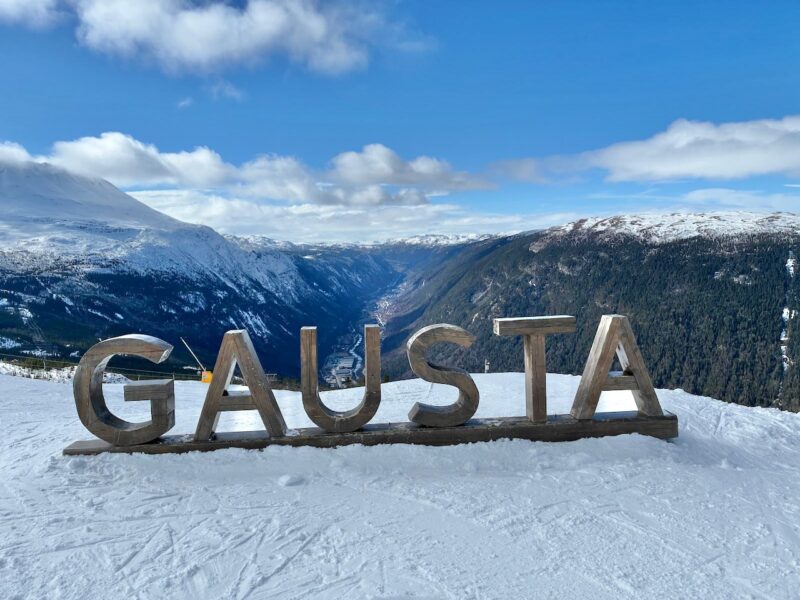
As the month drew to a close, reports from Norway highlighted the geographical diversity of the current snow boom. In the Telemark region, specifically at the resort of Gausta, conditions have been described as "excellent and well-managed." Simon Wilson, a roving reporter on the ground, noted an additional 5cm of fresh snow overnight on Tuesday.
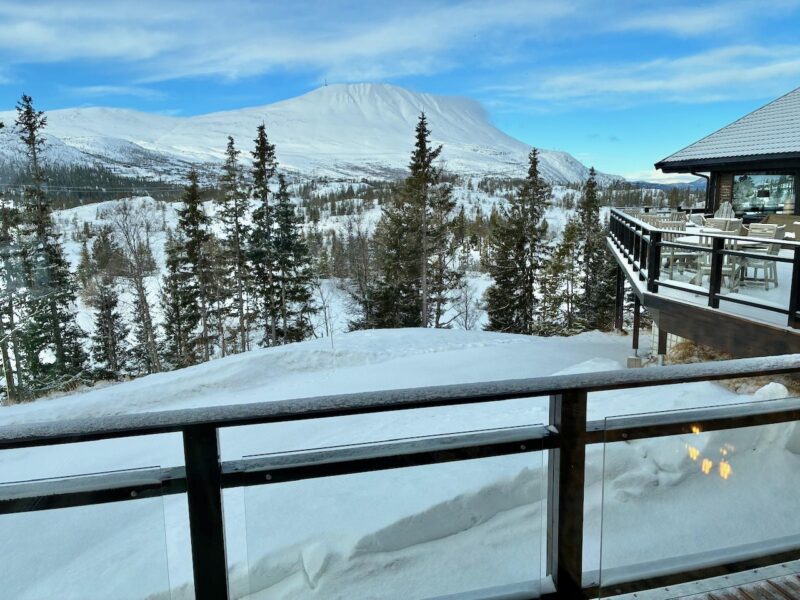
Gausta offers a distinct alternative to the bustling Alpine giants. With approximately 35km of marked pistes, it is smaller than resorts like Zermatt or Mayrhofen, but it benefits from a highly efficient lift system and significantly lower crowd densities. The weather in Norway has remained "cool for the end of March," with the snow only beginning to soften on the lowest slopes after 2:00 PM. This "hard freeze" ensures that the morning skiing remains fast and firm, a trait highly valued by intermediate and advanced skiers.
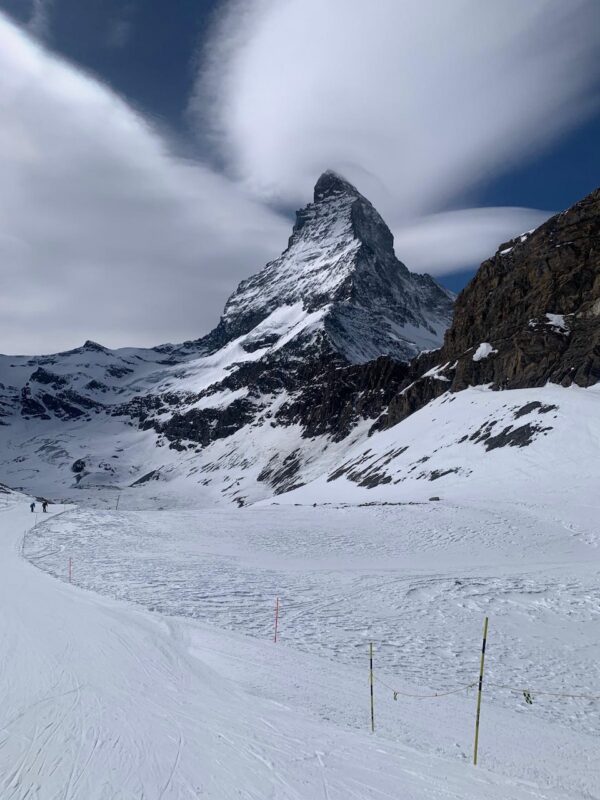
Meanwhile, in Zermatt, Switzerland, the situation on Tuesday was more complex. While the resort received approximately 20cm of fresh snow, high winds forced the closure of several key lift connections. Zermatt, which shares a ski area with Cervinia in Italy, is highly susceptible to wind-related disruptions due to its extreme altitude and the exposure of the Matterhorn Glacier Paradise. Helen Gillespie, reporting from the resort, noted that while the town was "murky with wet snow," the predicted "bluebird" (clear, sunny) days for the end of the week were keeping spirits high among the Easter crowds.
Regional Analysis and Resort Data
Norway: The Gausta Profile
Gausta is increasingly becoming a flagship for Norwegian skiing. Located in the shadow of the iconic Gaustatoppen mountain, the resort provides a unique topographical advantage. The cold Scandinavian climate ensures that snow remains dry.
- Total Pistes: 35km
- Recent Snowfall: 5cm (March 31)
- Conditions: Hard freeze overnight, softening late afternoon.
- Crowd Factor: Low compared to Alpine counterparts.
Switzerland: The Zermatt High-Altitude Advantage
Zermatt remains one of the few resorts in the world capable of offering year-round skiing, but its Easter performance is a critical economic indicator.
- Recent Snowfall: 20cm (March 31)
- Primary Challenge: High winds impacting lift operations.
- Outlook: Significant clearing expected by the weekend, providing "glorious" conditions for the peak of the Easter break.
Austria: Mayrhofen and the Tyrol Region
Austria’s focus remains on the combination of sport and tourism. The successful hosting of "The BRITS" during a period of high snowfall demonstrates the resort’s operational resilience.
- Weather Pattern: Overcast with heavy snow forecast.
- Key Event: British Snowboard & Freeski Championships.
- Snow Quality: High, particularly in the Penken and Ahorn sectors.
Broader Implications for the Ski Industry
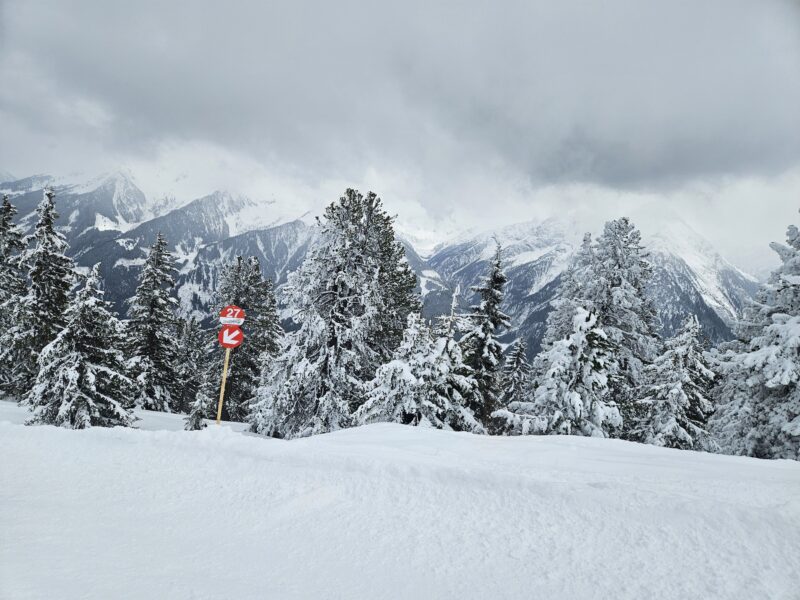
The current abundance of snow carries significant implications for the European ski industry, which has faced increasing scrutiny over its long-term viability in the face of climate change. The 2026 season serves as a reminder of the volatility of mountain weather—while some years suffer from early thaws, others, like this one, provide a surplus that can extend the season into May.
Economic Impact
For many resorts, the Easter period accounts for up to 20-25% of annual revenue. High-quality snow during this window reduces the reliance on energy-intensive snowmaking and increases "last-minute" bookings from regional travelers. In France, resorts like Tignes are already leveraging the current conditions to sell "late-season deals," targeting a demographic that prefers the longer days and warmer (but still snowy) conditions of April.
Operational Resilience
The reports from Zermatt regarding wind-related lift closures highlight a growing trend in resort management: the "wind-hold." As storms become more intense, resorts are investing in more wind-resistant lift technology, such as 3S cable cars, to ensure that even when it snows heavily, the mountains remain accessible. Zermatt’s ability to manage its 20cm windfall while navigating high winds is a testament to modern mountain operations.
Looking Ahead to April
As April approaches, the "base" established by this late March snowfall is expected to provide a cushion against the rising temperatures of spring. For the northern Alps and Scandinavia, the 2026 season is on track to be remembered as one of the strongest in recent years. The combination of early Easter timing and a persistent Arctic airflow has created a "perfect storm" for snow sports enthusiasts.
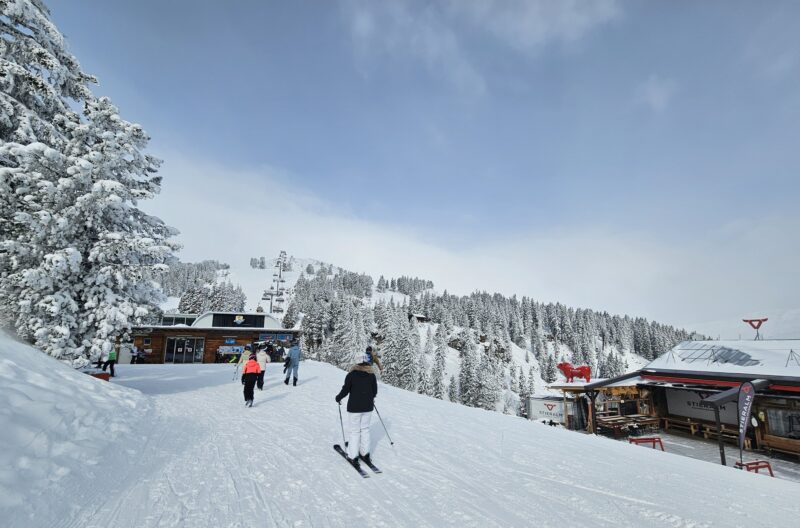
The message for travelers is clear: the winter season is far from over. With more snow in the forecast for Austria and Switzerland, and Norway maintaining its steady, cold climate, the final weeks of the 2025-2026 season are poised to deliver some of the best skiing conditions seen all year. Whether in the empty, pristine tracks of Gausta or the high-energy parks of Mayrhofen, the European ski map is currently a sea of white.

