
The federal government initiated the first of five mandated oil and gas lease sales in the Western Arctic on March 18, marking a significant escalation in industrial activity within the National Petroleum Reserve-Alaska (NPR-A). This move, part of a broader federal strategy to expand domestic energy production, opens millions of acres of public land to competitive bidding, including ecologically sensitive regions that have remained largely undisturbed for decades. At over 22 million acres, the NPR-A represents the largest single block of public land in the United States, and its current transformation from a dormant reserve to an active industrial corridor has sparked intense debate among economists, environmental scientists, and federal policymakers.
A Century of Resource Designation: The 1923 Legacy
The administrative history of the NPR-A dates back to 1923, when President Warren G. Harding signed an executive order establishing "Naval Petroleum Reserve No. 4." At the time, the United States Navy was transitioning its fleet from coal to oil, and the discovery of oil seeps along Alaska’s North Slope prompted the federal government to set aside the region as a strategic resource colony. The designation followed the chaos of the gold rush era, effectively withdrawing the land from all other forms of settlement or use to ensure a steady fuel supply for national defense.
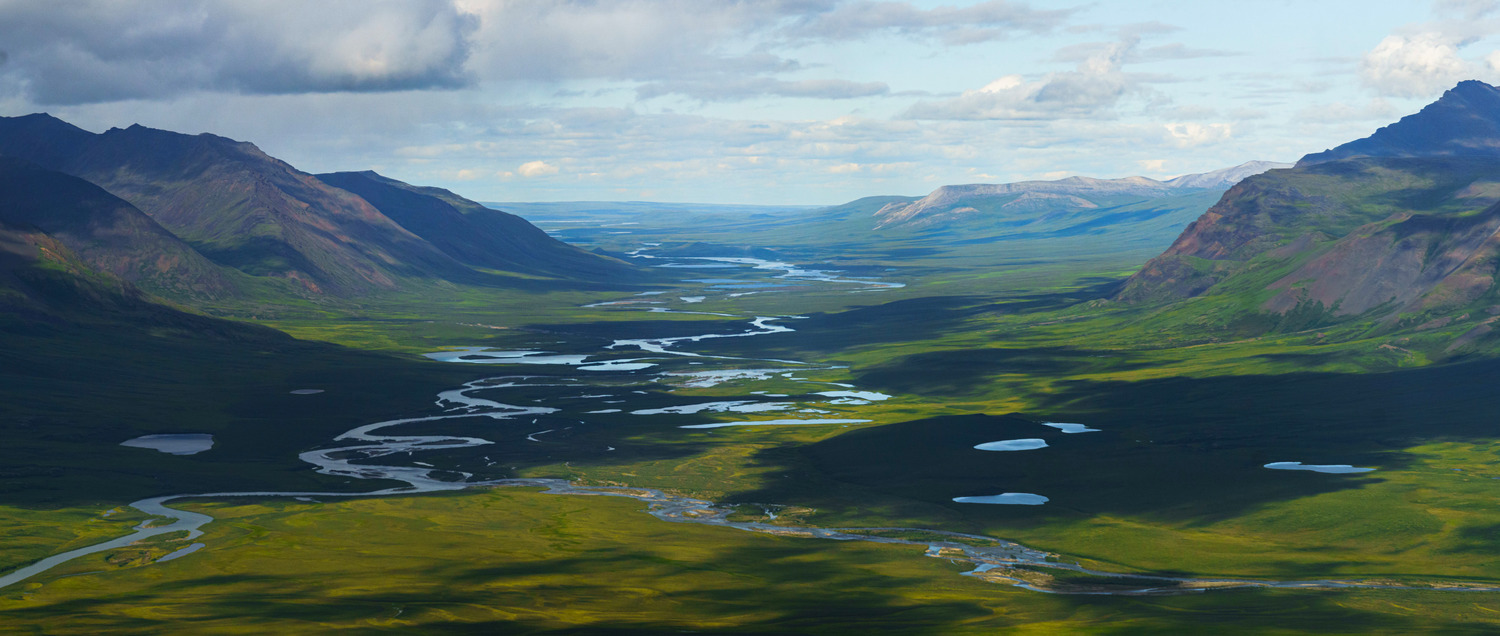
The identity of the region remained tethered to its industrial potential for decades. In 1976, Congress passed the Naval Petroleum Reserves Production Act (NPRPA), which transferred management of the land from the Navy to the Department of the Interior. While this moved the territory into civilian hands, the legislature rebranded it as the National Petroleum Reserve-Alaska, reinforcing its primary function as a site for energy extraction. This "sticky name," as critics call it, has provided the legal and rhetorical scaffolding for modern development initiatives.
The historical context of the reserve is also marred by early 20th-century political scandal. President Harding’s administration was defined by the Teapot Dome scandal, involving his Interior Secretary, Albert Bacon Fall, who accepted bribes to lease Navy Petroleum Reserve No. 3 in Wyoming to private oil companies. A century later, the NPR-A faces a different kind of scrutiny as the federal government balances legal mandates for "expeditious" leasing against modern climate goals and conservation requirements.
Expanding the Industrial Footprint: The Five-Sale Mandate
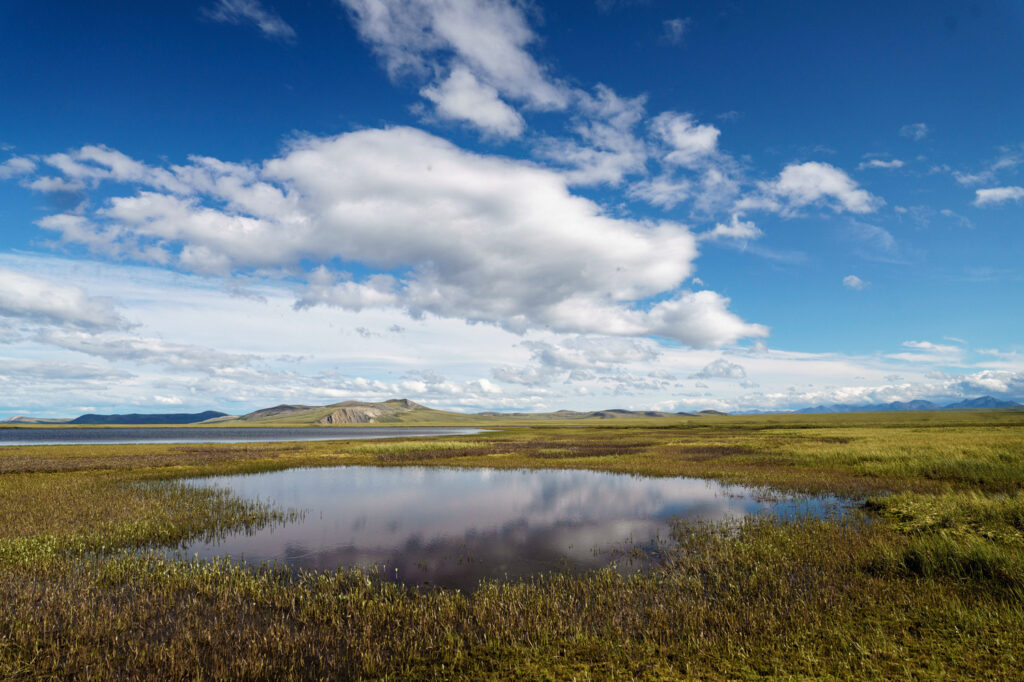
The current push for development is driven by a federal mandate requiring at least five lease sales over a ten-year period. The most recent actions involve opening more than 5.5 million acres of the Western Arctic to oil and gas exploration. This includes the Teshekpuk Lake wetlands, a region that environmental organizations and scientists have identified as a globally critical habitat.
The expansion is not occurring in isolation. It is part of a convergence of several massive infrastructure and extraction projects on the North Slope:
- The Willow Project: Led by ConocoPhillips, this project is entering its development phase with an estimated yield of 750 million barrels of oil over its 30-year lifespan.
- The Ambler Road: A proposed 211-mile industrial access road intended to facilitate mining in the Ambler Mining District, cutting through previously roadless wilderness.
- Prudhoe Bay Integration: Efforts to link new Western Arctic developments with the existing infrastructure of Prudhoe Bay, the nation’s largest oil field, which has produced over 13 billion barrels since the 1970s.
While these are often reviewed as separate environmental and economic assessments, analysts argue they represent a singular, massive shift in the Arctic’s geography. By segmenting the land into various political designations—National Park, Wildlife Refuge, and Petroleum Reserve—the federal government has created a patchwork of management styles that often ignores the ecological continuity of the region.
Ecological Significance of the Teshekpuk Lake Wetlands
The NPR-A is more than a resource repository; it is a vital component of the global ecosystem. The Teshekpuk Lake region, now subject to leasing, is recognized as the single most important molting habitat in the Arctic for migratory waterfowl. Each season, an estimated 5.4 million aquatic birds from six different continents migrate to these wetlands to nest and raise their young.
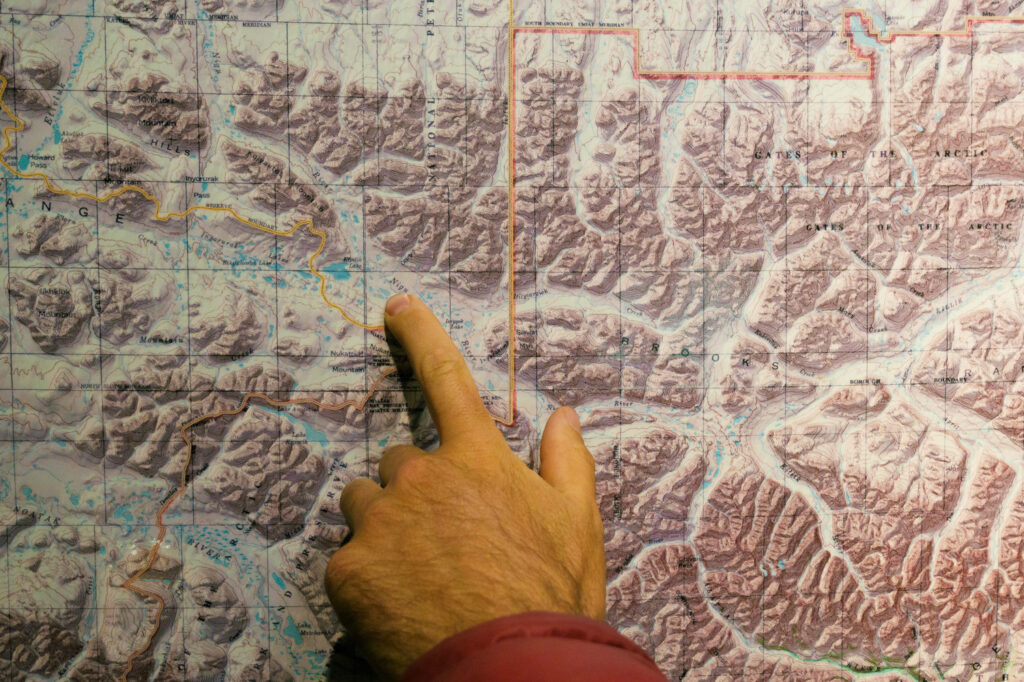
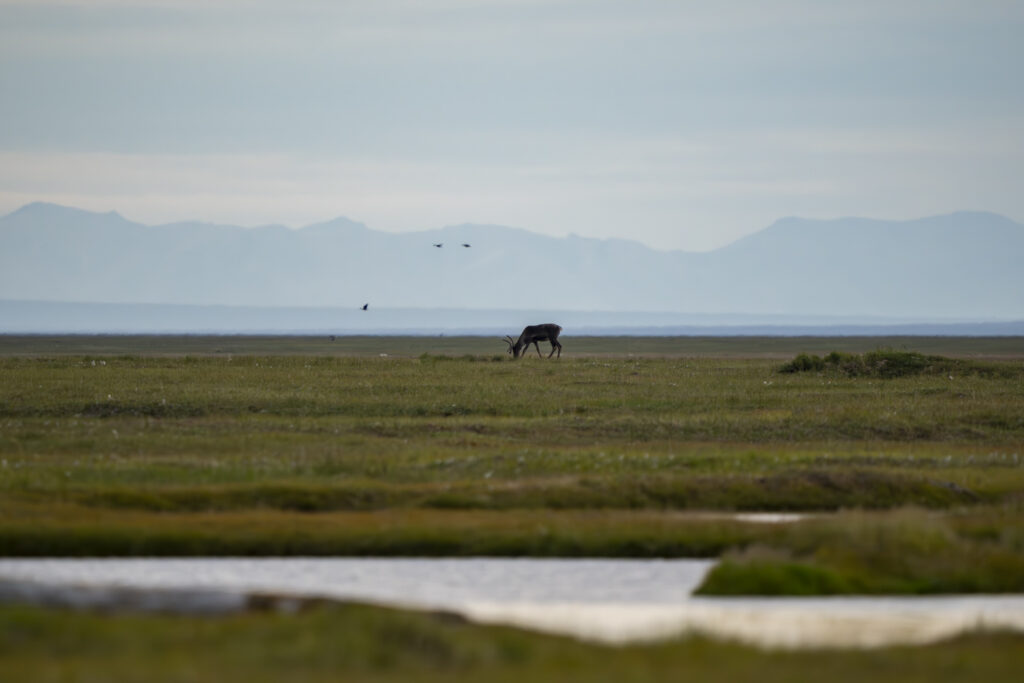
The area also serves as the primary calving ground for the Teshekpuk Lake caribou herd, a population essential to the food security and cultural traditions of Indigenous communities in Northern Alaska. Unlike the contiguous United States, where wilderness is often fragmented by roads, fences, and urban sprawl, the Arctic remains an intact ecosystem. Scientists emphasize that the resilience of this landscape depends on its wholeness. As industrial infrastructure—including gravel pads, pipelines, and year-round roads—begins to dissect the tundra, the migratory patterns of caribou and the nesting success of birds like the Yellow-billed Loon and Pacific Brant are put at risk.
Economic Realities and the Cost of Arctic Extraction
From a financial perspective, Arctic oil is among the most expensive and complex energy sources to develop in the world. The United States Geological Survey (USGS) estimates that Northern Alaska may contain nearly half of all undiscovered, technically recoverable conventional oil on federal lands. Specifically, the NPR-A is thought to hold approximately 900 million barrels.
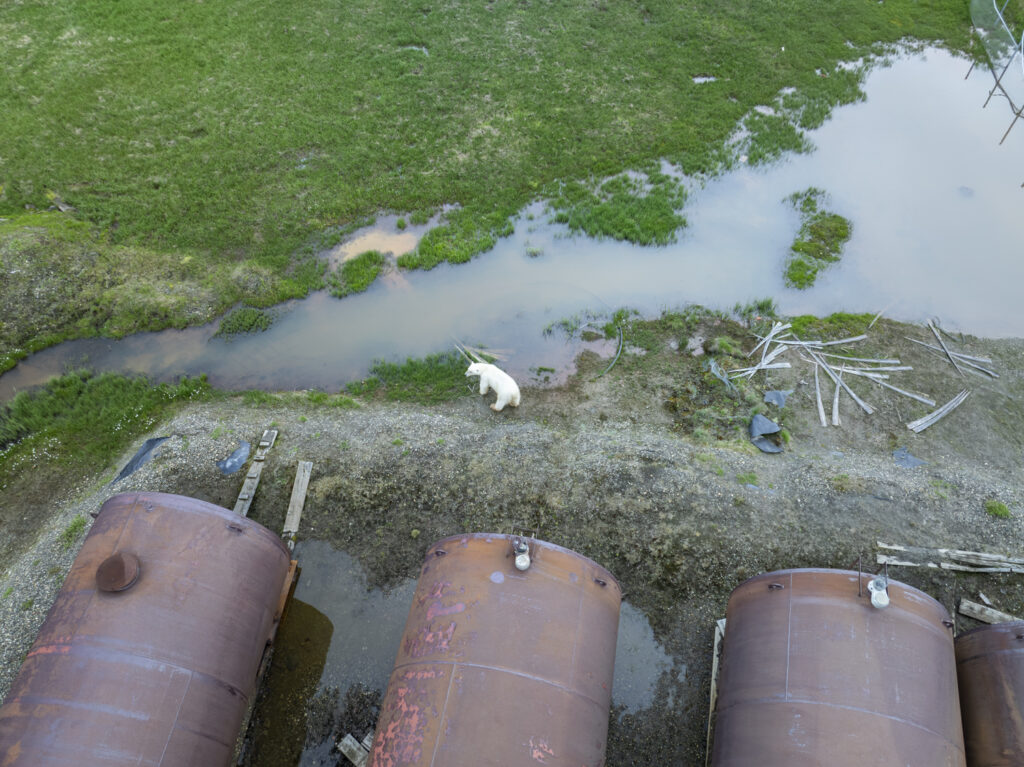
However, the cost per barrel for extraction in the Arctic remains significantly higher than in the Permian Basin or other domestic shale plays. The necessity of building specialized infrastructure to withstand permafrost—which is increasingly unstable due to climate change—requires massive capital investment. Furthermore, the short window for seasonal construction and the extreme remoteness of the North Slope mean that these projects often rely on significant public subsidies and long-term political stability to reach a "break-even" point.
Market analysts note that oil companies operating in the Arctic must look at 30-year horizons. The uncertainty of future climate regulations and the global transition toward renewable energy make Arctic investments a high-risk gamble. If social and political pressure continues to mount against fossil fuel expansion, the financial viability of these lease sales may diminish before the first barrel is even produced.
Climate Change: The Arctic as a Warming Front
The development of the NPR-A is taking place against the backdrop of a rapidly changing climate. The Arctic is warming at a rate three to five times faster than the global average. This acceleration has led to the thawing of permafrost, the loss of sea ice, and shifts in the timing of seasonal migrations.
The "industrialization of the Arctic" adds a secondary layer of stress to this fragile environment. Critics of the lease sales argue that the federal government is operating on a 1920s mindset—treating the land as a "reserve" for consumption—while ignoring the 21st-century reality of carbon budgets and ecological collapse. The loss of the "last whole place" in America is viewed by many scientists not just as a local issue, but as a critical juncture in the global effort to maintain a livable planet.
Implications and Future Outlook
The legal machinery for the NPR-A lease sales is currently in motion, and the federal government is bound by existing statutes to proceed with the competitive bidding process. However, the future of the Western Arctic will likely be determined by three converging factors:
- Regulatory Challenges: Environmental groups and Indigenous organizations continue to file litigation challenging the adequacy of environmental impact statements (EIS) for projects like Willow and the Ambler Road. These legal hurdles can delay development by years, increasing the "uncertainty cost" for developers.
- Market Shifts: As global demand for oil fluctuates and the cost of renewable energy technology drops, the economic justification for high-cost Arctic drilling may weaken. If major financial institutions continue to withdraw support for Arctic projects due to ESG (Environmental, Social, and Governance) concerns, the "expeditious program" of leasing may find fewer willing participants.
- Public Sentiment and Policy: The transition of federal administrations often brings shifts in how the "Petroleum Reserve" is managed. While the name remains the same, the Department of the Interior has the authority to implement stricter mitigation measures or to designate specific areas within the reserve as "Special Areas" where leasing is prohibited or severely restricted.
Ultimately, the NPR-A stands as a symbol of the tension between America’s industrial past and its environmental future. While the name "National Petroleum Reserve" suggests a singular purpose, the reality of the land—its caribou, its millions of birds, and its role in the global climate—presents a far more complex picture. As the first of the five lease sales concludes, the debate over whether to treat the Arctic as a resource to be extracted or a heritage to be protected remains one of the most consequential environmental issues of the decade.

