
As the snowmelt signals the gradual transition from winter slopes to spring adventures, the ski industry enters one of its two most critical periods for consumer savings: the end-of-season sales. This annual phenomenon, typically commencing in March and extending through April, offers discerning enthusiasts and newcomers alike unparalleled opportunities to acquire premium ski and snowboard equipment at significantly reduced prices. These clearance events stand in stark contrast to the other major sales window, Labor Day, which serves as a pre-season surge for new inventory. While Labor Day sales often focus on introducing the latest models, the spring sales are primarily dedicated to clearing current year stock, leading to deeper discounts on high-quality gear.
The timing of these sales is strategically aligned with the natural ebb and flow of the ski season. By mid-March, many resorts begin to wind down operations, or transition to spring skiing conditions, which often entails warmer temperatures and softer snow. Retailers, in turn, are eager to liquidate their remaining winter inventory to make room for spring and summer outdoor recreation merchandise. This creates a buyer’s market, where significant price reductions, sometimes exceeding 50 percent, become commonplace across a wide array of products, from essential layering pieces to high-performance helmets and goggles. As of March 17, 2026, major retailers like REI and Evo have initiated their respective "Member Sale" (at REI, through March 23) and "Last Chair Sale," providing a limited window for consumers to capitalize on these substantial markdowns.

The economic impetus behind these sales is multifaceted. For retailers, efficient inventory management is paramount. Holding onto unsold seasonal stock incurs costs related to warehousing, insurance, and potential depreciation. Therefore, offering aggressive discounts serves as an effective strategy to convert inventory into capital, which can then be reinvested into the next season’s product lines or diversified into other seasonal offerings. For manufacturers, these sales allow them to gauge market demand for specific products and clear out any surplus, ensuring a smooth transition to the production of upcoming models. Industry data suggests that end-of-season sales account for a significant portion of annual revenue for many outdoor gear companies, particularly in the highly cyclical winter sports segment. Analysis by various market research firms indicates that consumer spending on ski and snowboard equipment often sees a notable spike during these sale periods, driven by the perceived value and the opportunity to upgrade gear without paying full retail prices.
Navigating the Spring Sale Landscape
For consumers, the end-of-season sales represent a strategic opportunity. Whether planning a late-season spring break trip, preparing for the following winter, or simply replacing worn-out essentials, a methodical approach is advisable. Prior to engaging with the sales, individuals are encouraged to conduct a thorough inventory of their existing ski kit. This assessment should identify items that are nearing the end of their lifespan, those that no longer meet performance requirements, or any gaps in essential gear. Such a proactive approach prevents impulse purchases and ensures that acquisitions are both necessary and value-driven.
The market for ski gear is robust, with global market revenue for winter sports equipment estimated to be in the billions annually. Retailers like REI, a cooperative with a strong emphasis on member benefits, and Evo, a prominent online and brick-and-mortar retailer specializing in action sports, are key players in this ecosystem. Their sales events are highly anticipated, often featuring exclusive deals for members or early access to discounted items. The "Member Sale" at REI, for instance, frequently offers additional member-exclusive discounts on top of existing sale prices, underscoring the value proposition for its cooperative members.
Spotlight on Key Gear Categories and Noteworthy Deals
The current wave of end-of-season sales presents compelling opportunities across several critical gear categories. These are not merely clearance items but often top-tier products from reputable brands, now available at a fraction of their original cost.
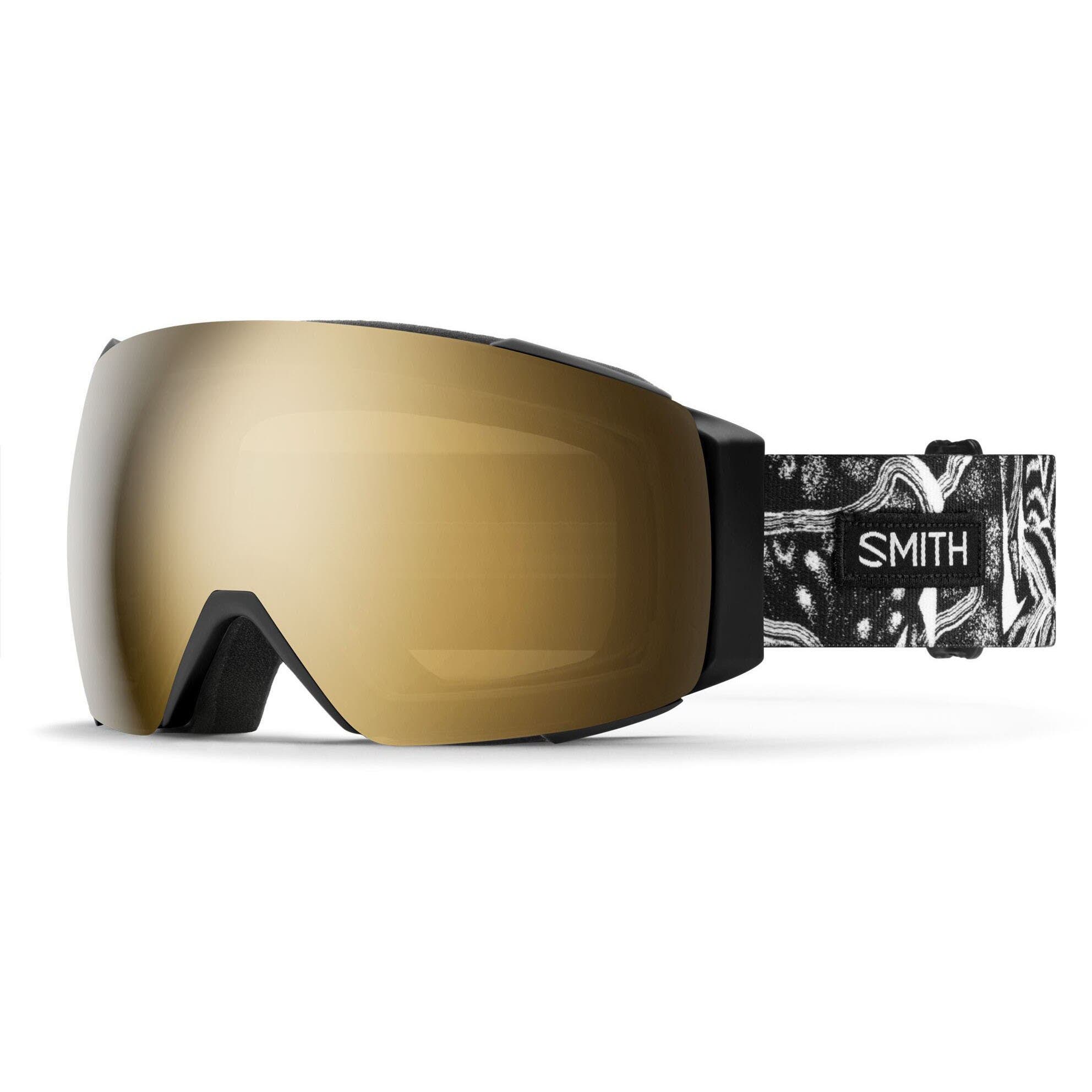
Vision and Protection: Smith I/O Mag ChromaPop Goggles
Goggles are a cornerstone of any ski kit, providing essential protection from UV radiation, wind, and snow, while also enhancing visibility in varying light conditions. The Smith I/O Mag ChromaPop Goggles stand out as a consistent favorite among experts and recreational skiers alike. Their appeal lies in their expansive field of vision, which minimizes peripheral obstruction, and the advanced spherical Carbonic-x lenses. These lenses are engineered to deliver crystal-clear optical clarity, superior sun protection, and remarkable comfort. A key innovation is Smith’s magnetic lens-swap system, widely regarded as one of the most efficient on the market, allowing for quick adaptation to changing weather conditions. The inclusion of two lenses as standard further augments their versatility. With a retail price of approximately $283, select styles are currently available at REI for a striking $168, representing a substantial investment in ocular safety and performance. This discount reflects the competitive nature of the eyewear market and retailers’ efforts to clear seasonal stock.
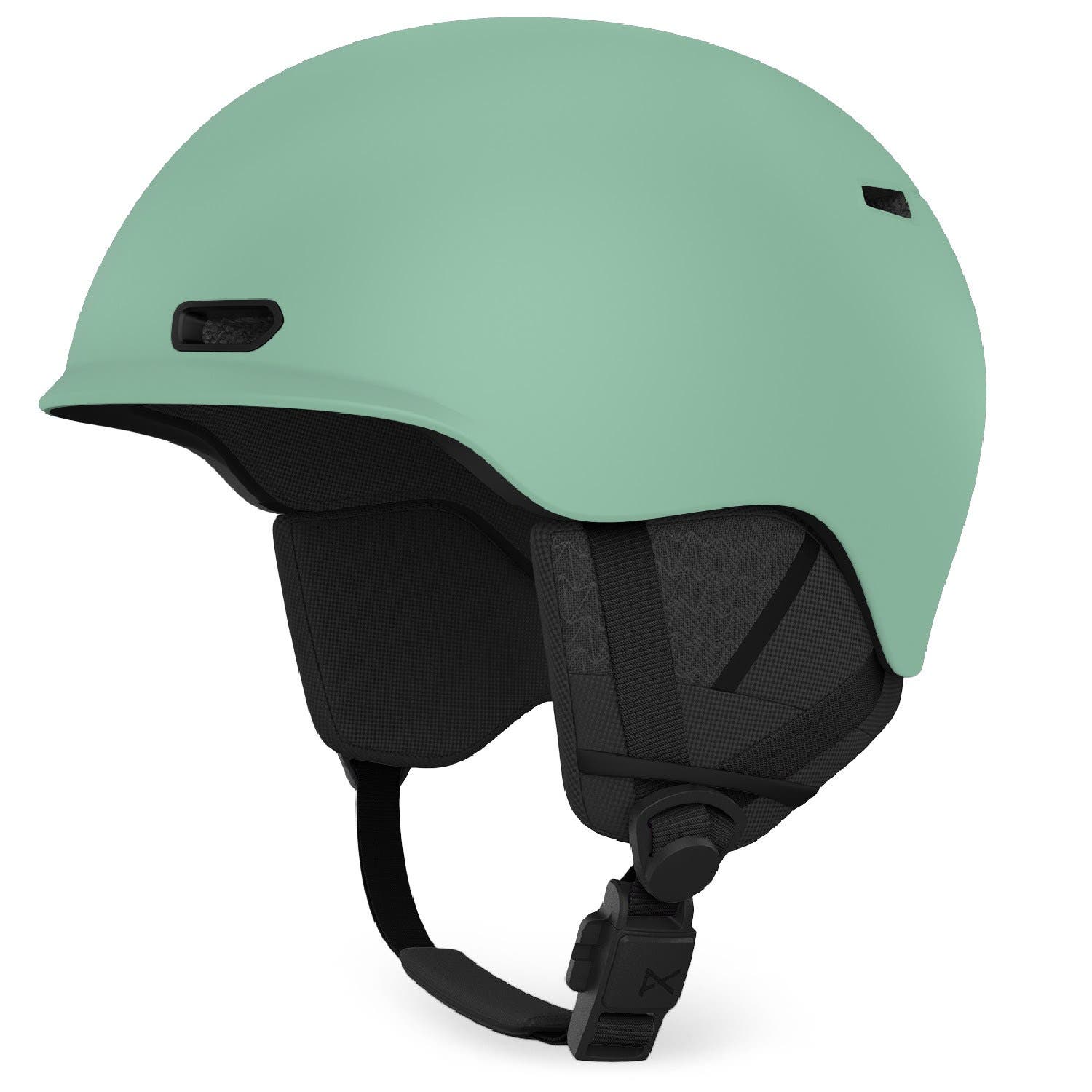
Head Protection: Anon Oslo Wave Cell Helmet
Safety on the slopes is non-negotiable, and a high-quality helmet is paramount. The Anon Oslo Wave Cell Helmet has garnered significant acclaim, particularly within the park and freeride communities, for its combination of advanced protection and ergonomic design. Incorporating WaveCel technology, a collapsible cellular structure designed to absorb both direct and rotational impacts, this helmet offers a robust layer of defense. Despite its advanced safety features, the Oslo Wave Cell maintains an exceptionally low-profile and lightweight construction, addressing a common desire among skiers for gear that is unobtrusive. While it may feature a more streamlined set of features compared to some heavier models, testers consistently praise its effective venting system, moisture-wicking liner for comfort, and the intuitive BOA knob system for precise, personalized fit adjustments. Currently, two colorways of the Oslo are available at a 30 percent discount at REI, bringing the price down to $171. This makes advanced head protection more accessible, encouraging safer participation in winter sports.
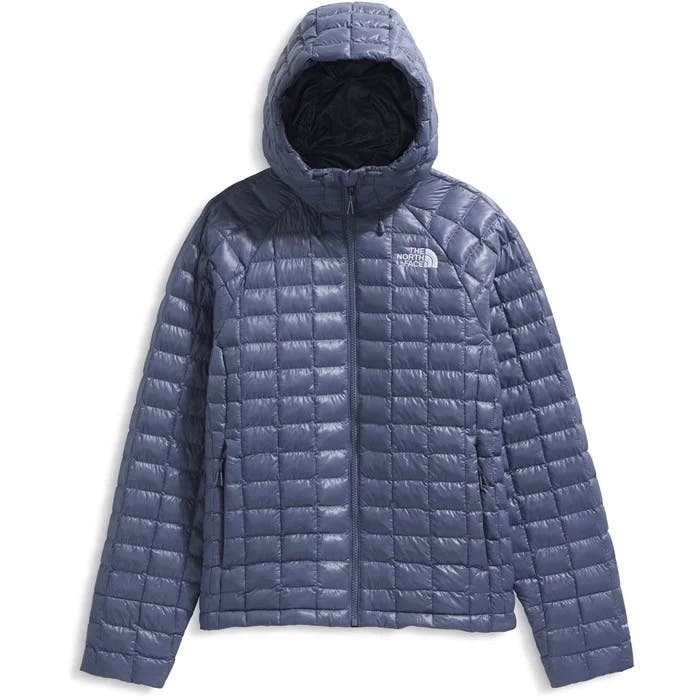
Insulation: The North Face Women’s Thermoball Hooded Insulated Jacket
A reliable insulating layer is fundamental to effective layering in cold environments. The North Face Women’s Thermoball Hooded Insulated Jacket is a prime example of high-performance mid-layer technology. Its synthetic insulation, composed of 100-percent Windwall recycled polyester, offers a critical advantage over traditional down: it retains its insulating properties even when wet, whether from perspiration during strenuous activity or unexpected precipitation. This characteristic makes it an exceptionally versatile piece for varying mountain conditions. Furthermore, its impressive warmth-to-weight ratio ensures optimal thermal regulation without adding unnecessary bulk. The current sales see all colors of this popular jacket marked down at Evo, with excellent sizing availability, making it an opportune moment for women to upgrade their core insulation. The emphasis on recycled materials also aligns with growing consumer demand for sustainable outdoor gear.
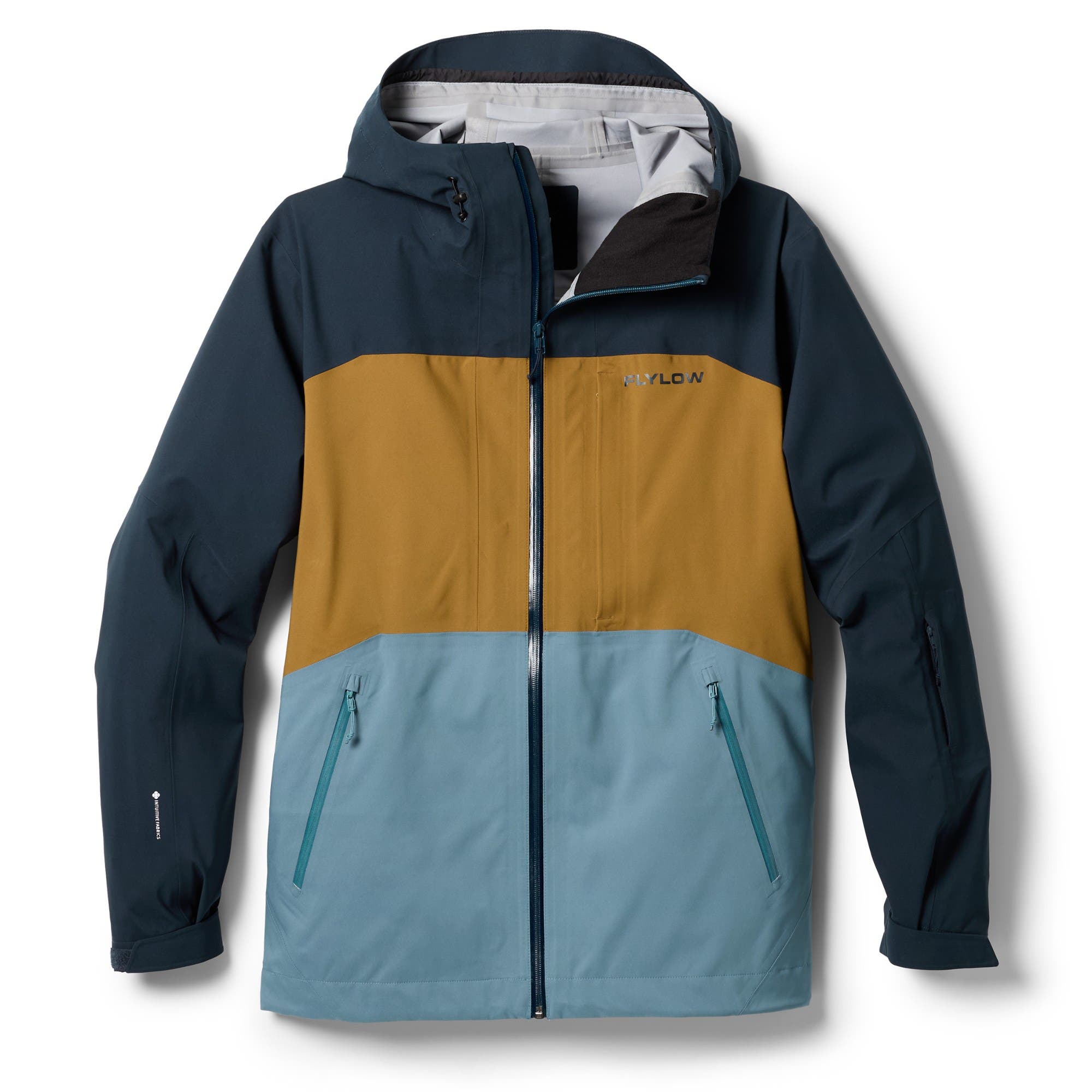
Outerwear: Flylow Men’s Malone Jacket
The outer shell is the first line of defense against the elements. The Flylow Men’s Malone Jacket, a regularly priced $420 ski jacket, is a compelling option for men seeking robust protection. This jacket is constructed with a three-layer design, providing comprehensive waterproofing and breathability crucial for dynamic skiing conditions. Its PFAS-free (per- and polyfluoroalkyl substances) designation highlights a commitment to environmental responsibility, addressing concerns about harmful chemicals in outdoor apparel. Coupled with fully seam-sealed construction, it offers complete protection against moisture penetration. Beyond its technical prowess, the jacket’s color-blocking style is in line with contemporary trends in ski fashion, offering both performance and aesthetic appeal. The current sale makes this high-performance shell available in all sizes and colorways at a reduced price, presenting an excellent opportunity before supplies are depleted.
Base Layers: Smartwool Men’s Classic Thermal Merino Base Layer Crew
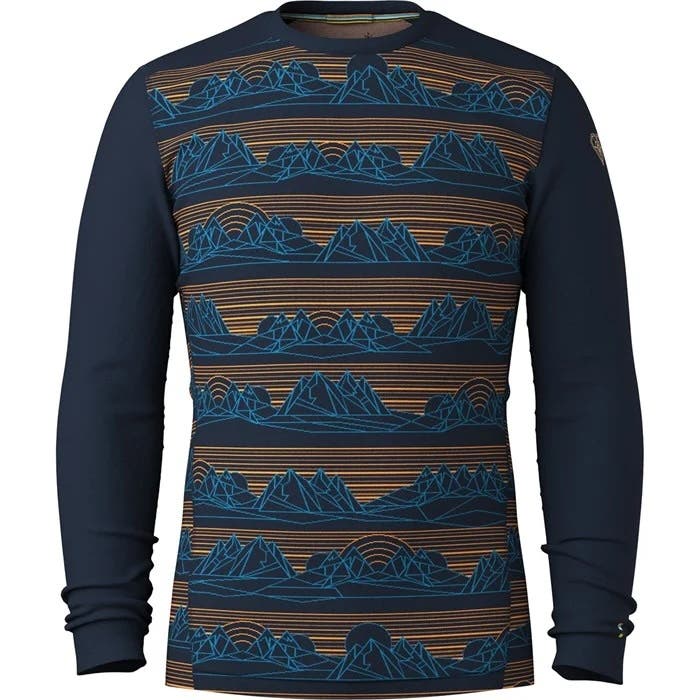
While often overlooked, the base layer is arguably one of the most crucial components of a ski kit, acting as the foundation for effective temperature regulation and moisture management. The Smartwool Men’s Classic Thermal Merino Base Layer Crew is a benchmark product in this category. Crafted from 100-percent merino wool, it offers exceptional softness, natural stretch, and inherent odor resistance. The design incorporates flatlock seams to prevent chafing, a common issue during prolonged activity, and an interlock knit construction for enhanced durability and consistent temperature regulation. The natural properties of merino wool allow it to wick moisture away from the skin while retaining warmth, even when damp. Select colors and prints of this essential top are currently marked down from $115 to $86 at Evo, making it an opportune time to stock up on this foundational element of cold-weather comfort.
Specialized Base Layers: Wild Rye Jane Cropped Legging
Innovation in base layer design has led to specialized products like boot-top base layers, which eliminate bulk around the ankles and shins, thereby improving boot fit and comfort. The Wild Rye Jane Cropped Legging exemplifies this practical design. Made from 100-percent merino wool, this "pretty option" offers all the benefits of merino—softness, warmth, moisture-wicking—in a functional, cropped length. The elimination of material that would otherwise bunch inside ski boots significantly enhances overall comfort and reduces pressure points. This particular item is available at an impressive 60 percent off at REI, with decent availability in two colors at press time. For those who have yet to experience the comfort of a boot-top base layer, or for existing fans looking to acquire an additional pair, this sale transforms a typically $100 item into an exceptional value proposition.
Post-Ski Eyewear: Ray Ban Drifter Sunglasses
As the season transitions to spring, the intensity of solar radiation at altitude, especially when reflected off snow, necessitates robust eye protection even off the slopes. Swapping goggles for sunglasses becomes a daily ritual, but not all sunglasses are created equal. The Ray Ban Drifter Sunglasses offer elite-level protection, a critical upgrade from standard drugstore varieties. Featuring polycarbonate lenses with 100-percent UV protection, these sunglasses effectively shield the eyes from harmful ultraviolet rays. Beyond their protective capabilities, their fashion-forward, square-shaped frame ensures wearers maintain a stylish appearance. Originally priced close to $200, these sunglasses are currently available for $119, representing a premium eyewear option at a more accessible price point. This allows skiers to transition seamlessly from performance eyewear on the mountain to stylish, protective eyewear post-activity.
Broader Implications and Future Outlook
The end-of-season ski gear sales are more than just an opportunity for individual savings; they reflect the dynamic nature of the outdoor recreation industry. These events contribute to the broader accessibility of winter sports, allowing a wider demographic to participate by lowering the financial barrier to entry for quality equipment. By enabling consumers to purchase durable, high-performance gear at reduced prices, these sales also indirectly support a more sustainable consumption model, encouraging the use of long-lasting products rather than frequent replacements of lower-quality alternatives.
From a sustainability perspective, the efficient clearance of inventory through these sales helps minimize waste. Unsold gear could otherwise contribute to landfill waste or require extensive storage, both of which carry environmental footprints. By extending the lifecycle of current-season products through discounted sales, retailers and consumers alike play a role in a more circular economy.
Looking ahead, the success of these end-of-season sales often influences inventory planning and product development for the subsequent year. Retailers analyze sales data to determine which products performed well and which required deeper discounts, informing their purchasing decisions for the next season. For consumers, the current sales provide an optimal window to prepare for the future, whether that means securing gear for next winter’s adventures or upgrading existing setups for continued enjoyment of the mountain environment. As the ski industry continues to evolve, these strategic sale periods will remain a vital component of its annual cycle, balancing commercial imperatives with consumer demand for value and quality.

