
The Northwest Avalanche Center (NWAC) has announced the appointment of a new Volunteer and Communications Coordinator, a role poised to significantly enhance the organization’s outreach and engagement with backcountry enthusiasts across the region. This strategic hire underscores NWAC’s ongoing commitment to making avalanche safety information and resources more accessible to a diverse range of outdoor users, from seasoned professionals to those just beginning their journey into the winter wilderness. The coordinator’s mandate includes strengthening volunteer networks, refining digital communication strategies, and fostering a more inclusive community dedicated to safe mountain practices.
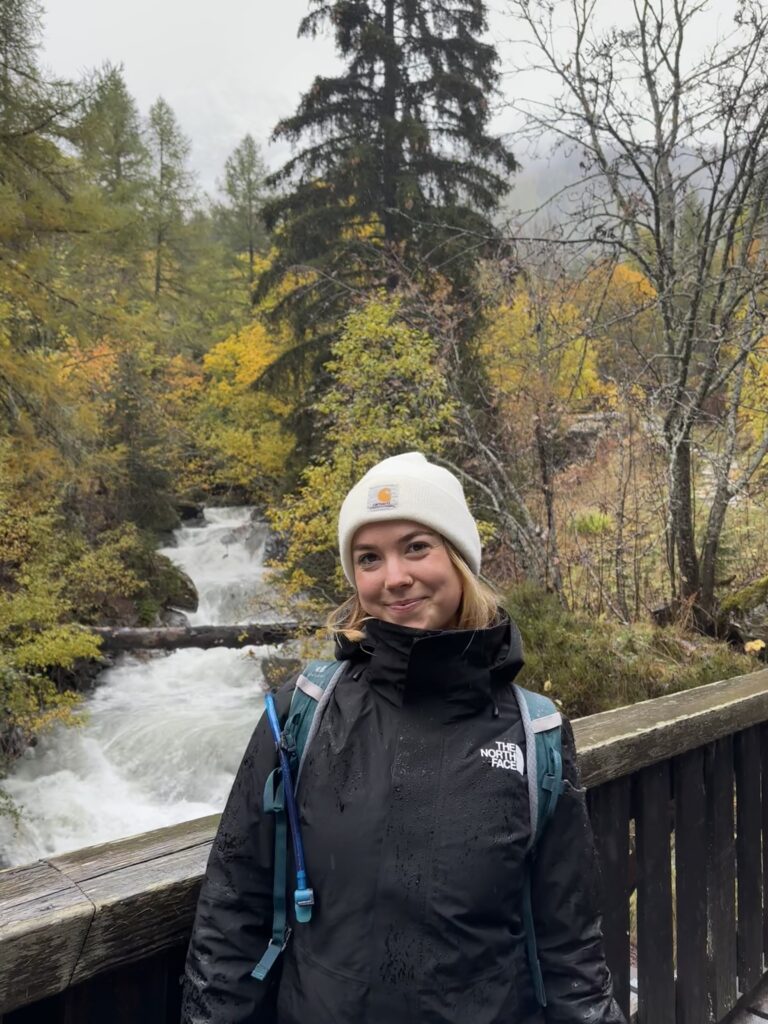
The new coordinator, whose name was not immediately released in the initial announcement, brings a unique blend of experience in communications, marketing, and a passion for the outdoors. Having recently spent two years teaching English and exploring the French Alps, this individual is returning to their Pacific Northwest roots with a clear vision to contribute to the nonprofit and outdoor industries. This background suggests a strong capability in articulating complex information and building bridges between different communities, vital skills for an organization focused on public safety in dynamic mountain environments.
Expanding NWAC’s Reach and Impact
The Volunteer and Communications Coordinator will assume a multifaceted role, tasked with supporting NWAC’s extensive volunteer base, a critical component of the organization’s operational capacity. Volunteers are instrumental in data collection, public education, and on-the-ground support, acting as vital ambassadors for avalanche awareness. By focusing on this network, NWAC aims to amplify its message and extend its reach into more remote areas and diverse user groups.
Furthermore, the position will spearhead the development and implementation of social media strategies, aiming to enhance NWAC’s online presence and engagement. In an era where digital platforms are primary conduits for information, this focus is crucial for disseminating timely avalanche forecasts, safety advisories, and educational content. The coordinator will also play a key role in event planning, organizing workshops, educational seminars, and community gatherings designed to foster a deeper understanding of avalanche risks and mitigation techniques. This proactive approach to communication and community building is designed to support and expand NWAC’s mission to serve backcountry enthusiasts of all experience levels and backgrounds.
A Deep Connection to the Mountains
The new coordinator expressed a particular fondness for the West South zone, citing personal history of skiing at Crystal Mountain. This familiarity with a popular and significant backcountry area provides a valuable on-the-ground perspective. However, there is also an expressed eagerness to explore the Snoqualmie Pass zone, which serves as the organization’s "backyard." This dual appreciation for established and newly accessible terrain highlights a commitment to understanding the varied landscapes and user needs across NWAC’s operational area.
The Snoqualmie Pass region, in particular, is a vital hub for winter recreation in Washington State. It sees tens of thousands of visitors annually, ranging from downhill skiers and snowboarders to backcountry touring enthusiasts, snowshoers, and snowmobilers. The increasing popularity of these activities, coupled with the inherent risks associated with avalanche terrain, makes effective communication and education in this zone paramount. NWAC’s focus on this area through the new coordinator’s role signifies a strategic effort to address the growing demand for safe outdoor experiences in one of the most frequented winter recreation spots in the Pacific Northwest.

A Universal Message: Respecting the Mountain
A core tenet of the new coordinator’s philosophy is the universal application of avalanche safety principles. The message resonates strongly: "The moment you step foot (or ski or board or sled!) into backcountry terrain, you are a backcountry skier/rider/snowshoer/user." This inclusive framing emphasizes that avalanche awareness is not exclusive to expert skiers or snowboarders but is a crucial consideration for anyone venturing into the winter backcountry, regardless of their primary activity or experience level.
This perspective directly addresses a growing challenge in avalanche safety education: the diversification of backcountry users. While traditional avalanche courses have often focused on skiers and snowboarders, the rise of snowshoeing, winter hiking, and snowmobiling into avalanche-prone areas necessitates a broader educational approach. NWAC’s initiative to convey this message broadly aims to foster a culture of shared responsibility and informed decision-making among all who recreate in the mountains during winter months. The organization recognizes that "Everyone deserves access to the outdoors, regardless of their experience level, but that also means learning about and respecting the mountain conditions, no matter what adventure takes you out there." This statement encapsulates a balanced approach, advocating for inclusivity while underscoring the non-negotiable requirement of understanding and respecting the inherent dangers of the mountain environment.
Looking Ahead: Innovation and Inclusivity in Avalanche Safety
The future of NWAC and avalanche safety is a source of great optimism for the new coordinator. The organization is at the forefront of several promising initiatives, including the development of a new national website designed to centralize avalanche forecasts from centers across the country. This ambitious project aims to create a unified platform for real-time avalanche information, streamlining access for users and enhancing coordination among avalanche forecasting entities. Such a resource could revolutionize how backcountry users plan their trips and stay informed about potential hazards.
Beyond digital infrastructure, NWAC is committed to expanding its community of volunteers and members. This involves actively recruiting individuals from diverse backgrounds and experiences, recognizing that a broader perspective leads to more robust and relevant safety information. Furthermore, NWAC is developing new programs and opportunities specifically designed to encourage participation from individuals of all backgrounds, breaking down perceived barriers to entry into avalanche safety education. This commitment to inclusivity is a critical step towards ensuring that the message of mountain safety reaches everyone who might benefit from it.
A Global Perspective on Mountain Experiences
Reflecting on past experiences, the new coordinator shared a particularly memorable day on snow from the previous winter season. Skiing at Chamonix in the French Alps on a clear, bluebird day, surrounded by a "cathedral of alpine peaks," offered an unparalleled sense of awe and connection to nature. These moments of pausing to absorb the magnificent surroundings served as powerful reminders of the profound privilege and specialness of connecting with the natural world and the mountains. This personal experience reinforces the intrinsic value of outdoor recreation and the importance of preserving these environments through responsible stewardship and safety consciousness.
The context of these experiences in the French Alps is noteworthy. Chamonix is renowned globally for its extreme and challenging alpine terrain, attracting some of the world’s most accomplished mountaineers and skiers. The fact that the new coordinator cherishes these moments underscores a deep appreciation for the mountain environment in its grandest and most demanding forms. This firsthand exposure to such iconic mountain landscapes likely informs their understanding of the risks and rewards associated with high-alpine environments, a perspective that can be invaluable in their role at NWAC.
The Evolving Landscape of Backcountry Recreation and Safety
The growth in popularity of backcountry activities has been a significant trend in recent years, accelerated by a desire for solitude, connection with nature, and adventure, especially in the wake of global health events. This surge in participation has brought both opportunities and challenges for organizations like NWAC.
Supporting Data and Trends:
According to various outdoor industry reports, participation in activities like backcountry skiing, snowboarding, and snowshoeing has seen a steady increase. For example, the SnowSports Industries America (SIA) has reported year-over-year growth in sales of backcountry equipment, indicating a rising number of individuals venturing beyond resort boundaries. This trend is not limited to the Pacific Northwest but is a national and even global phenomenon.
This increased participation, however, has also been correlated with an increase in avalanche incidents. The Colorado Avalanche Information Center (CAIC), a leading avalanche center in the U.S., has noted that while education has improved, the sheer volume of new users entering avalanche terrain presents ongoing challenges in ensuring everyone is adequately prepared. Data from the National Avalanche Center (NAC) network consistently shows that many avalanche fatalities involve individuals who have had some level of avalanche training but may not have applied the knowledge effectively in a specific situation, or those with little to no formal training.
Chronology of NWAC’s Evolution:
NWAC, established in 1976, has a long history of providing avalanche forecasts and safety information. Its evolution mirrors the growth of backcountry recreation and the increasing understanding of avalanche science. Initially focused on providing basic forecasts, NWAC has expanded its services to include a comprehensive website, public avalanche education courses (often in partnership with organizations like the American Avalanche Association), and community outreach programs. The current strategic hire of a dedicated Volunteer and Communications Coordinator represents a forward-thinking move to adapt to the modern demands of public safety education in a rapidly expanding recreational landscape.
Analysis of Implications:
The appointment of this new coordinator has several immediate and long-term implications for NWAC and the wider backcountry community:
- Enhanced Volunteer Engagement: A dedicated coordinator can foster a stronger, more motivated volunteer base. This translates to more accurate data collection, wider dissemination of information, and a more resilient operational capacity for NWAC.
- Improved Digital Outreach: A strategic focus on social media and online content can make avalanche safety information more accessible, engaging, and relevant to a younger demographic and a broader audience who rely heavily on digital platforms for information.
- Inclusivity as a Core Value: By emphasizing accessibility for all backgrounds, NWAC is positioning itself as a leader in equitable outdoor safety education. This can help to diversify the backcountry community and ensure that safety messages resonate with a wider array of users.
- Centralized National Resources: The work on a national avalanche forecast website has the potential to significantly improve consistency and ease of access to critical safety information across the United States, a monumental step for avalanche safety efforts.
Reactions from Related Parties (Inferred):
While direct quotes from other parties were not provided, it is logical to infer that existing NWAC volunteers and staff would welcome the increased support and focus on communication and volunteer management. Similarly, the broader avalanche safety community, including other avalanche centers and educational organizations, would likely view NWAC’s efforts towards national centralization and enhanced accessibility as positive developments that benefit the entire field. Outdoor recreation enthusiasts, particularly those new to the backcountry, stand to gain the most from these initiatives, as they promise clearer, more accessible pathways to essential safety knowledge.
The strategic direction signaled by NWAC’s latest appointment highlights a proactive and adaptive approach to the challenges and opportunities presented by the growing popularity of winter backcountry recreation. By prioritizing communication, community, and inclusivity, the organization is strengthening its foundation and expanding its capacity to serve as a vital resource for ensuring safer adventures in the magnificent, yet potentially perilous, mountain environments of the Pacific Northwest and beyond.

