
The transition from late summer to autumn marks a critical period for alpine athletes and recreational skiers preparing for the upcoming winter season. While the temptation to remain sedentary during the shoulder season is prevalent, sports medicine experts and professional trainers emphasize that fall is the optimal window for building the physiological foundation necessary to navigate the physical rigors of skiing. Research consistently demonstrates that proactive conditioning significantly mitigates the risk of catastrophic musculoskeletal injuries. Notably, a comprehensive Swedish study involving alpine ski students revealed that structured preseason neuromuscular training reduced the incidence of Anterior Cruciate Ligament (ACL) injuries by nearly 50% over the course of two seasons. This data underscores a growing consensus in the sports science community: the success of a winter season is often determined by the training protocols established in September and October.
The Physiological Rationale for Preseason Conditioning
The physical demands of skiing are unique, requiring a combination of explosive power, eccentric muscle control, cardiovascular endurance, and sophisticated proprioception. For skiers entering their fourth or fifth decade of life, the emphasis shifts toward longevity and injury prevention. As the body ages, muscle elasticity and recovery rates naturally decline, making the "zero-to-sixty" approach—going from a sedentary autumn to a high-intensity opening day—statistically dangerous.
According to orthopedic surgeons specializing in sports medicine, the ACL is particularly vulnerable during the early season when fatigue sets in. Neuromuscular training, which focuses on teaching the nerves and muscles to work together to stabilize joints, is the primary defense against such tears. By engaging in specific fall activities that mimic the lateral movements and vertical demands of skiing, athletes can "pre-program" their stabilizer muscles to react instinctively to variable snow conditions and sudden changes in terrain.
Vertical Ascent Training: The Role of Slope Hiking
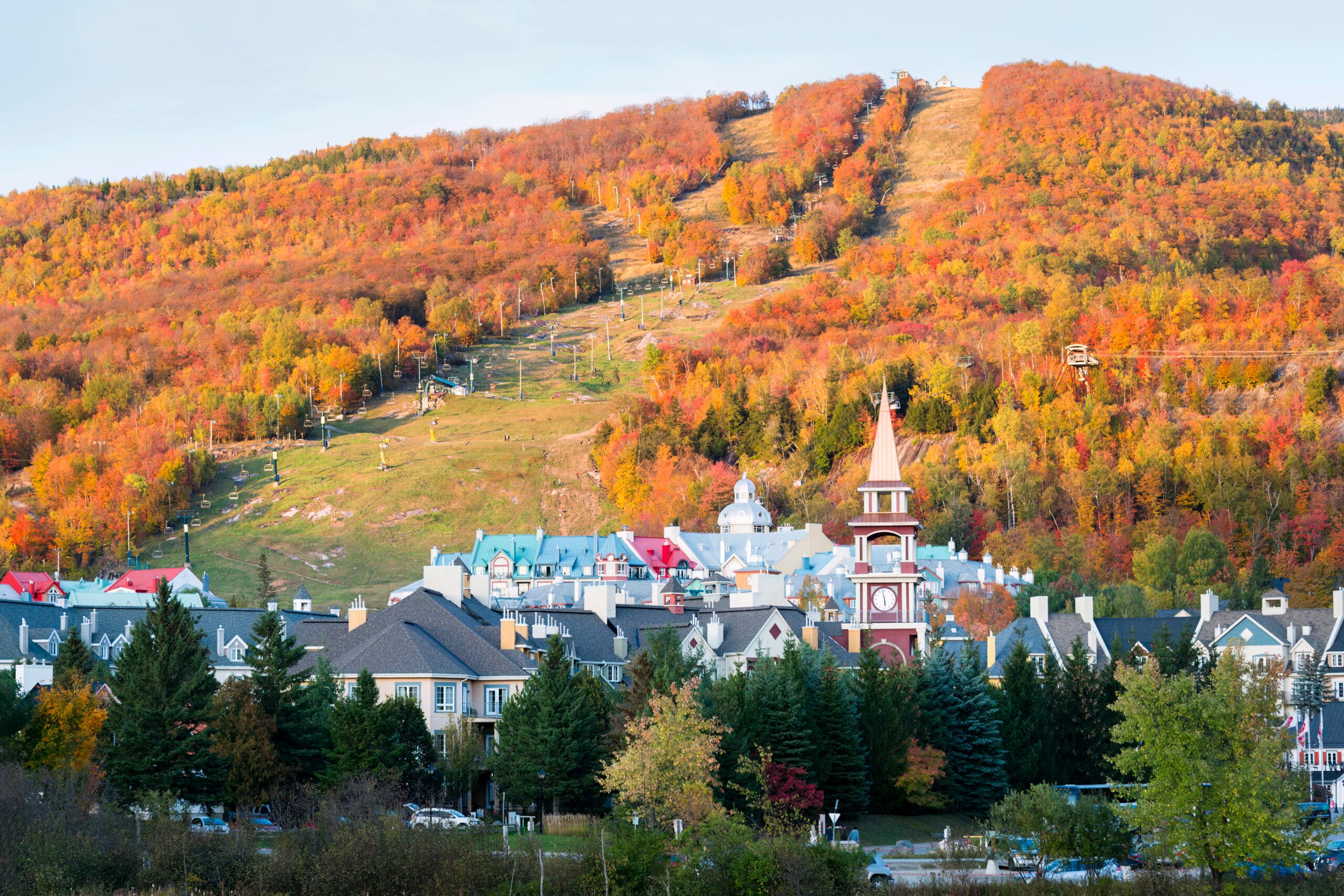
One of the most effective methods for preseason preparation is hiking directly on ski resort terrain or steep inclines. This activity serves as a functional bridge between summer hiking and winter skiing. Climbing a ski slope provides a humbling cardiovascular challenge while specifically targeting the quadriceps, glutes, and calves—the primary movers in alpine skiing.
Physiologically, uphill hiking at steep gradients forces the heart rate into aerobic and anaerobic zones similar to those experienced during a sustained downhill run. For advanced training, the integration of weighted vests—mimicking the weight of an avalanche pack or standard ski gear—can increase the caloric burn and muscle engagement. Beyond the physical benefits, hiking the slopes allows skiers to visualize their winter lines, fostering a mental connection to the terrain. For those residing in urban environments far from mountain ranges, the use of stair climbers or high-incline treadmills provides a viable, if less scenic, alternative to build the necessary posterior chain strength.
Mountain Biking as a Cross-Training Discipline
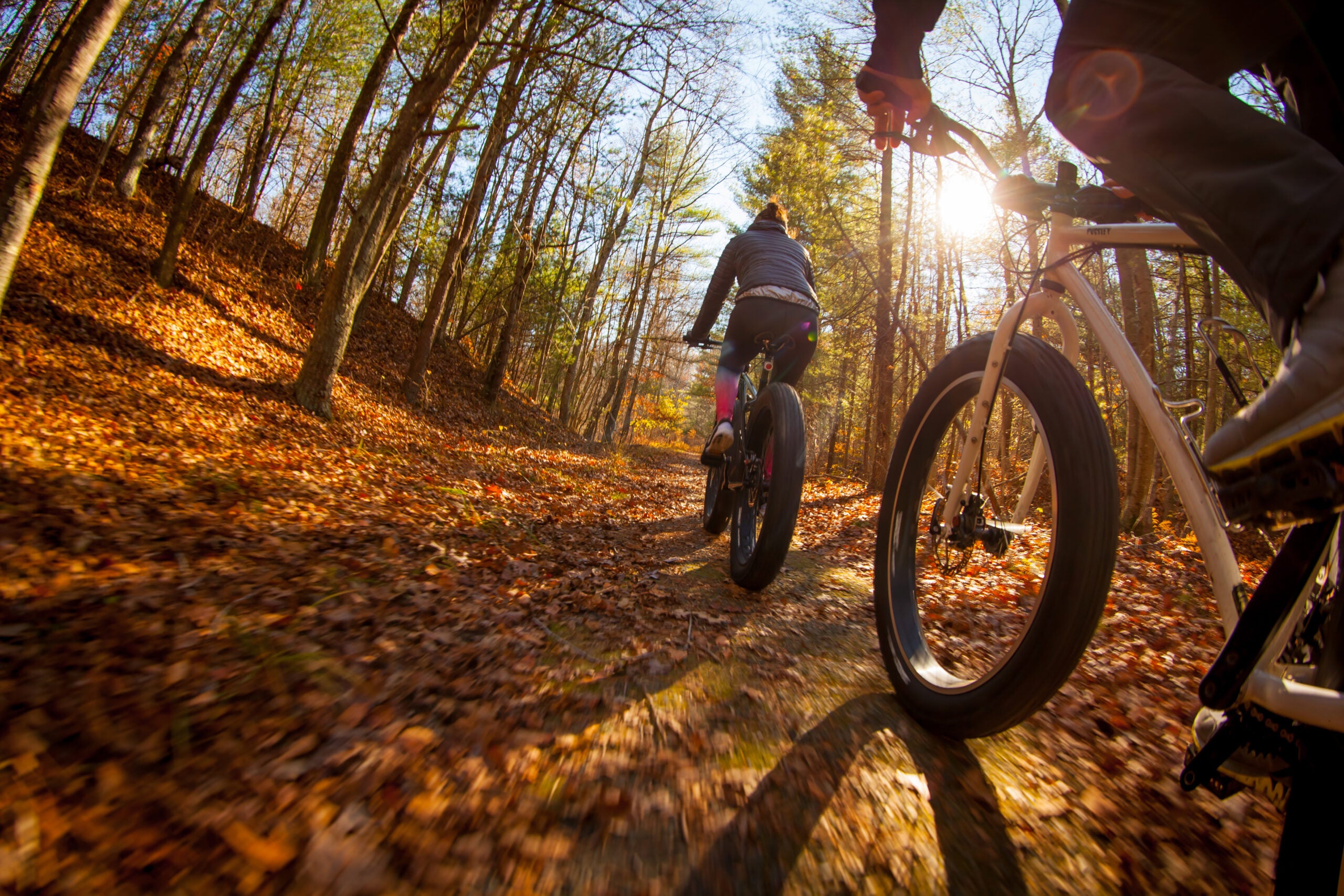
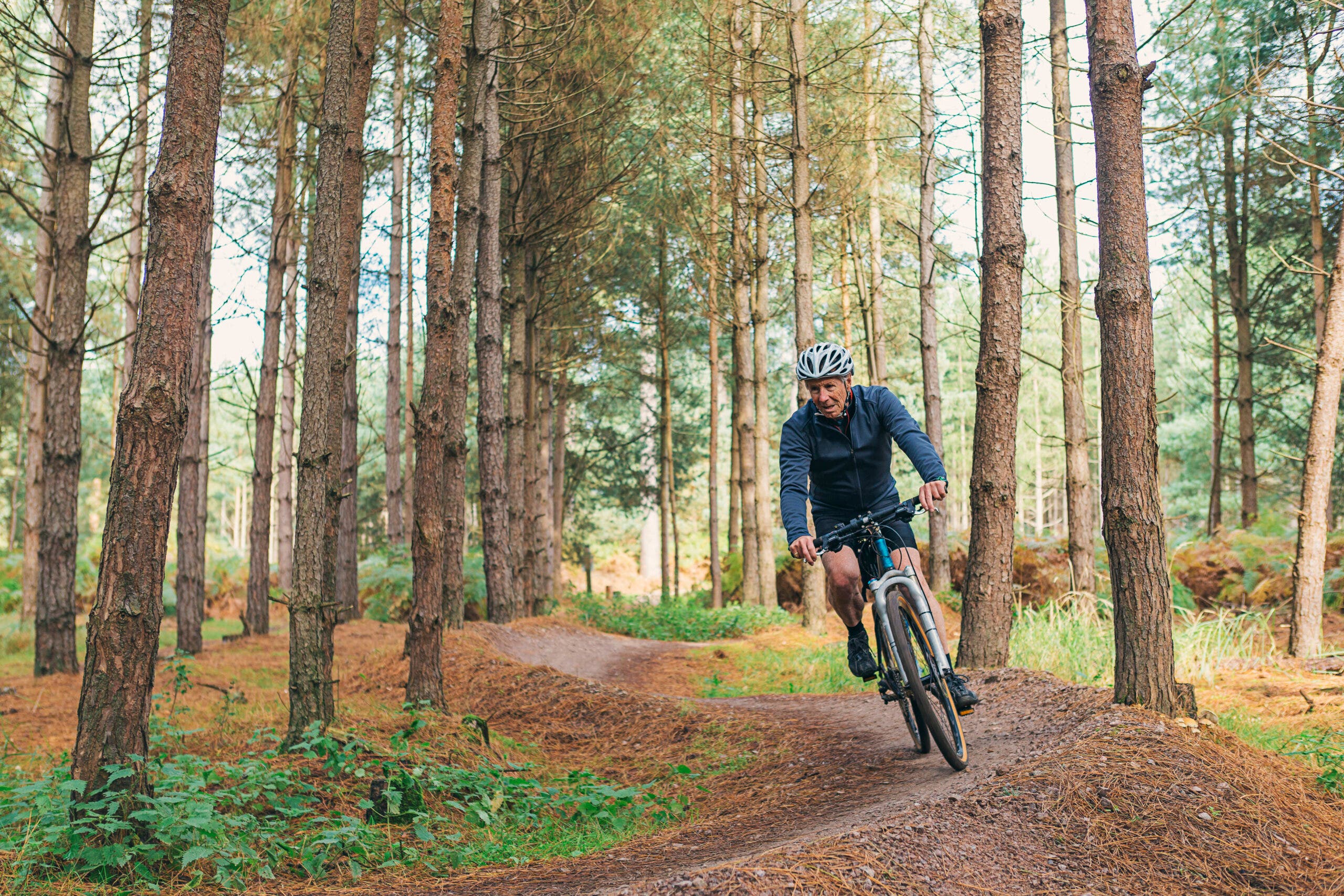
Mountain biking has emerged as the premier off-season activity for the skiing community due to the high degree of carry-over between the two sports. The mechanical requirements of mountain biking—balancing through uneven terrain, choosing a line through rock gardens, and managing speed through corners—closely mirror the cognitive and physical demands of navigating a mogul field or a gladed run.
The act of "cornering" on loose dirt or gravel trains the body in edge control and weight distribution. When a cyclist leans their bike into a turn while maintaining a stable upper body, they are utilizing the same hip angulation and upper-lower body separation required for a carved turn on snow. Furthermore, the interval nature of mountain biking—climbing followed by technical descents—replicates the work-to-rest ratio of resort skiing. The rise of e-bikes has also expanded this training ground, allowing skiers to maintain high-intensity cadences for longer durations, thereby building the "legs of steel" required for full-day sessions on the mountain.
Verticality and Core Stability: The Via Ferrata Trend
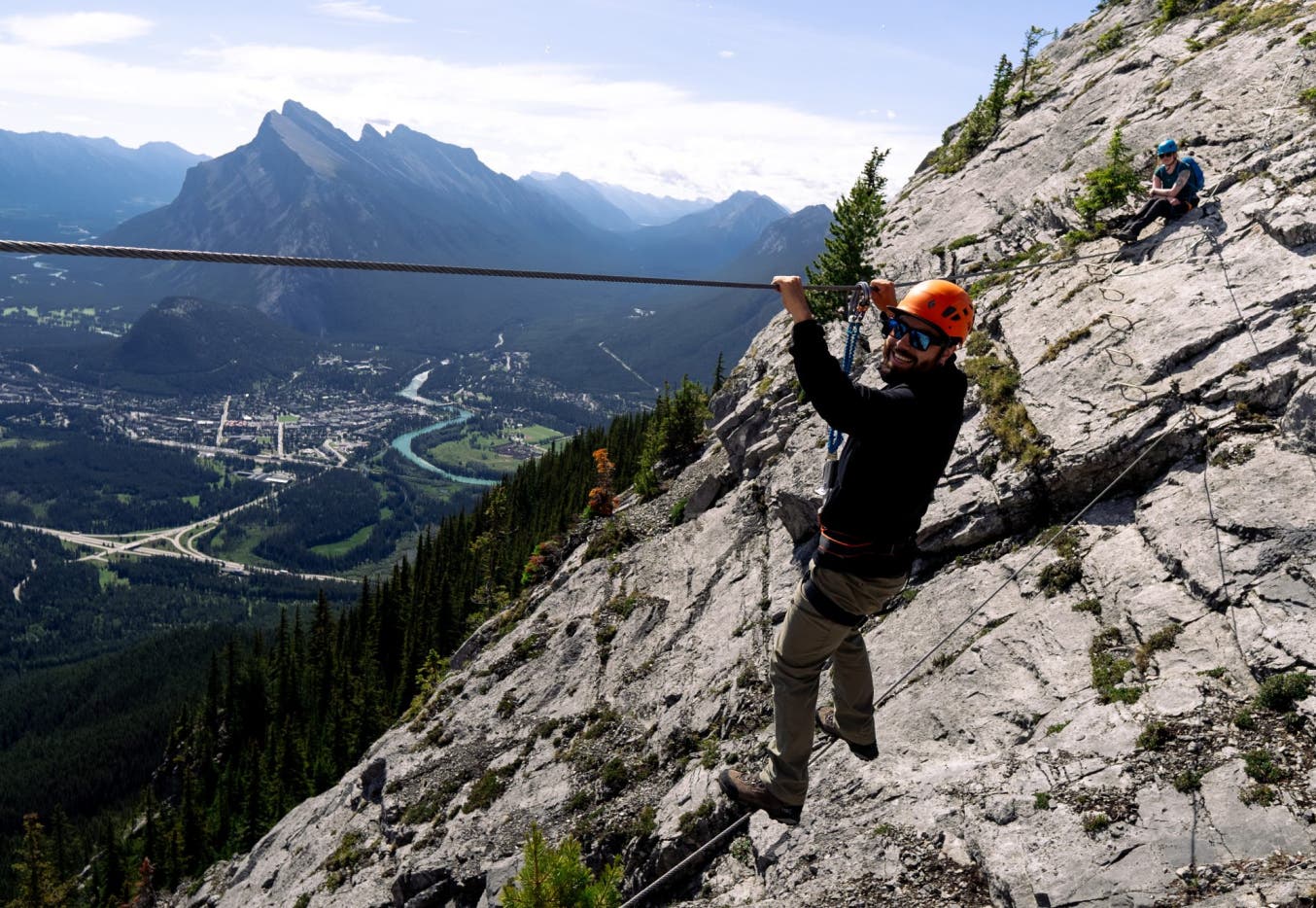
Originally developed in the Italian Dolomites for military movement, the via ferrata—a protected climbing path involving cables and iron rungs—has become a popular preseason training tool in North America and Europe. This activity requires a unique combination of grip strength, core engagement, and isometric leg power.
Unlike traditional hiking, a via ferrata forces the athlete to maintain three points of contact while navigating vertical faces, which builds significant functional strength in the core and upper body. This is particularly relevant for skiers who must maintain a stable torso while their legs move independently beneath them. The mental focus required for via ferrata—managing gear and height while making precise movements—also prepares the athlete for the high-consequence environments found in backcountry or expert-level skiing. As these courses become more common in areas like Banff, the Dolomites, and even urban locations in the United States, they are being integrated into formal training regimens for competitive alpine teams.
High-Altitude Trail Running and Aerobic Capacity
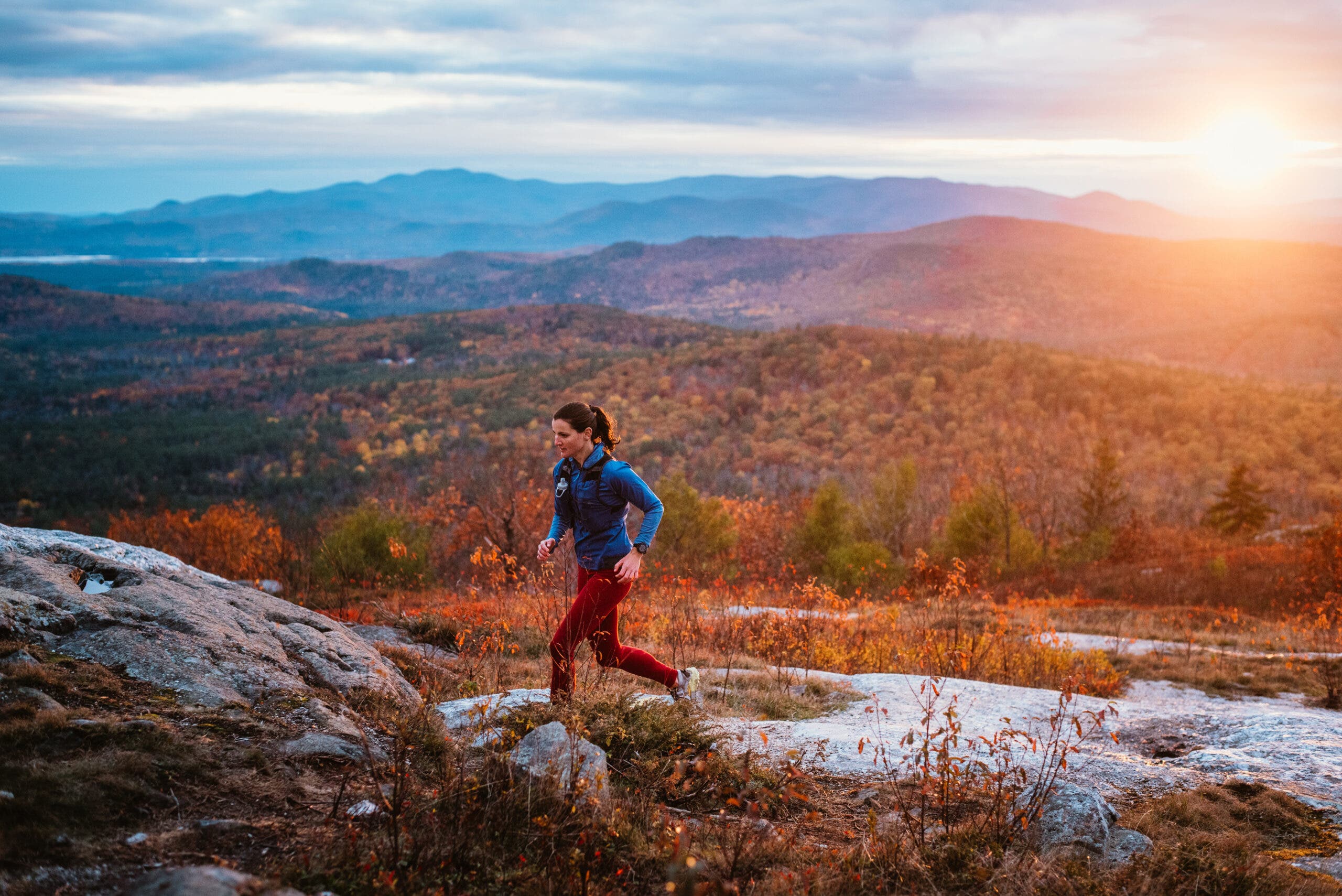
Trail running, particularly when conducted at altitude, is a cornerstone of endurance training for skiers. The reduced oxygen levels at higher elevations force the respiratory and cardiovascular systems to operate more efficiently. Over time, this leads to an increase in red blood cell count and improved VO2 max, which are critical when the ski season begins at base elevations often exceeding 8,000 feet.
The uneven nature of trails—roots, rocks, and varying gradients—strengthens the small stabilizer muscles around the ankles and knees. These "micro-adjustments" are exactly what a skier uses to maintain balance when hitting a patch of ice or heavy "mashed potato" snow. For city-dwellers, high-intensity interval training (HIIT) on inclines can simulate these effects, though it lacks the proprioceptive benefits of natural terrain.
Technological Advancements: Ski Simulators and Indoor Facilities
As the "ski-ready" window narrows, many athletes are turning to technological solutions to bridge the gap. The emergence of year-round indoor ski centers, such as Big Snow American Dream in New Jersey, and specialized training centers like Bluerun, represents a shift toward high-repetition, controlled-environment training.
Facilities like Bluerun utilize "Infinite Slopes"—revolving carpet-like surfaces that simulate the friction and feel of snow. These simulators allow for high-volume repetition of specific movements, such as carving, edging, and weight shifting, without the downtime of chairlift rides. According to industry reports, these simulators are particularly effective for "re-grooving" proper form and correcting bad habits before they are reinforced on the mountain. By adjusting the speed and pitch of the simulator, trainers can push an athlete’s endurance limits in a safe environment, focusing on hip angulation and upper-lower body separation—the hallmarks of advanced skiing.
Economic and Safety Implications
The push for preseason conditioning is not merely a matter of personal performance; it has broader implications for the ski industry and public health. Every winter, ski resorts face significant logistical and financial burdens due to on-mountain injuries. By promoting preseason fitness, the industry can potentially reduce the volume of "early season" accidents that occur when skiers are physically unprepared for the demands of the sport.
Furthermore, the trend toward year-round fitness reflects a shift in the demographic of the skiing public. As the "Baby Boomer" and "Generation X" cohorts continue to ski into their 60s and 70s, the market for longevity-focused fitness has expanded. Resorts and equipment manufacturers are increasingly tailoring their marketing to highlight the "active aging" skier, for whom fall training is not an option but a necessity for continued participation in the sport.
Conclusion: The Road to Opening Day
The interval between the first frost and the first major snowfall is a window of opportunity. Whether through the rugged physical exertion of hiking ski slopes, the technical demands of mountain biking, or the precision of indoor simulators, the goal remains the same: to arrive at the lift line with a body that is resilient, responsive, and ready for the winter.
The data is clear: those who invest in their physical conditioning during the autumn months are rewarded with a more enjoyable, longer, and safer ski season. As the industry moves toward more sophisticated training methods and a deeper understanding of sports science, the "weekend warrior" approach is being replaced by a more disciplined, year-round athletic lifestyle. For the dedicated skier, the season does not begin when the lifts start turning; it begins in the fall, on the trails and in the gym.

