
Whitelines Snowboarding Magazine, a publication synonymous with irreverence and an unyielding passion for the sport, celebrates its 30th anniversary in 2026, marking three decades since its audacious debut. From its humble, chaotic beginnings in 1995, Whitelines has evolved from a "debaucherously British snowboarding fanzine" into a globally recognized digital media powerhouse, mirroring the exponential growth and transformation of snowboarding itself. Co-founded by Jim Peskett and Tudor ‘Chod’ Thomas, both veterans of Snowboard World Magazine, Whitelines carved a distinct niche by embracing the raw, untamed spirit of 1990s snowboarding, a spirit that continues to define its editorial approach even as it navigates the complexities of the 21st-century media landscape.
The Genesis of a Movement: Snowboarding’s Nascent Era and Whitelines’ Birth
The mid-1990s represented a pivotal period for snowboarding. Having emerged from counter-culture roots, the sport was rapidly gaining mainstream traction, attracting a new generation eager for adrenaline and self-expression. It was a time of significant growth, with resorts slowly embracing the sport, equipment technology advancing, and a vibrant, if still somewhat underground, scene flourishing. The imminent inclusion of snowboarding in the Winter Olympics, beginning with Nagano in 1998, further propelled it into the global spotlight, transforming it from a niche pursuit into a multi-million dollar industry. This burgeoning scene created a fertile ground for media, with numerous publications vying to capture the sport’s essence.
Amidst this burgeoning landscape, Jim Peskett and Tudor ‘Chod’ Thomas identified a unique space. Disillusioned with the increasingly polished and commercial tone of some existing publications, they envisioned a magazine that truly reflected the anarchic, fun-loving, and often absurd reality of the snowboarder’s life. Whitelines launched with what former editor Chris Moran succinctly described as a mission to hold "a mirror up to the burgeoning 1990s snowboard scene, but accidentally turn it on themselves instead." This self-deprecating yet authentic vision became the magazine’s guiding principle. Operating from a modest office in Oxfordshire, the initial operations were famously low-tech and improvisation-heavy. In the pre-email era, articles were dictated over prepaid phone cards from remote locations, leading to charmingly unpolished, yet genuinely on-the-ground, reportage. This raw approach, born out of necessity, ironically became a cornerstone of its authenticity and appeal.
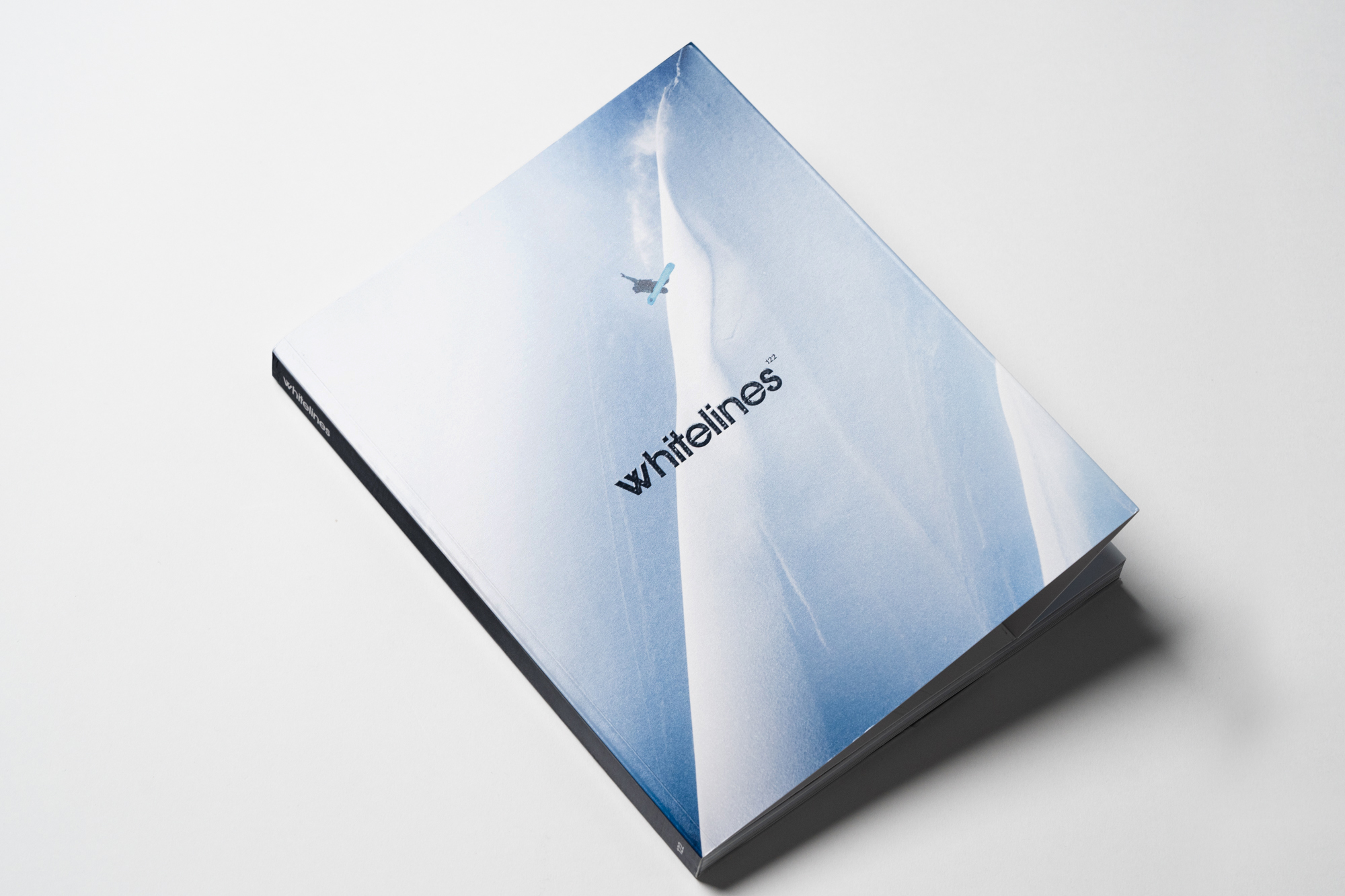
Cultivating Chaos: A Distinct Voice in Print
Whitelines quickly distinguished itself through a distinctive editorial voice characterized by irreverence, humor, and an unapologetic embrace of chaos. Unlike more conventional sports magazines, Whitelines made no pretense of highbrow journalism or flawless execution. Its early days were marked by a lack of budget, a casual disregard for conventional journalistic practices like spelling and grammar, and a fundamental belief that "basic decency" was optional. This ethos resonated deeply with its target audience of young, rebellious snowboarders who saw their own anti-establishment spirit reflected in its pages.
The magazine’s notorious "face spine titles" — such as "Dwarf Throwing Monthly," "Working With Endangered Animals Weekly," or "Neck Brace Monthly: The Skyscraper Issue" — became legendary. These provocative, often nonsensical, titles were the brainchild of Tudor ‘Chod’ Thomas, the magazine’s designer-in-chief, and served as a playful subversion of traditional publishing norms, adding another layer to the magazine’s cult status. This deliberate embrace of the absurd extended to its interactions with readers and even its own staff. The frequent use of publisher Jim Peskett as the "butt of the jokes," particularly in contest entry addresses like "the crack in the arse cheeks of Jim Peskett, 1 Stert Street, Abingdon," epitomized the magazine’s boundary-pushing humor. While often leading to exasperated pleas from Peskett himself, and even complaints from the UK postal service threatening to blacklist the publishing company, these antics reinforced Whitelines’ reputation as the "naughty kids at school," unafraid to challenge authority and entertain their readership in unconventional ways. The anecdote of awarding a lifetime subscription to a reader whose mother had banned him from reading the magazine further illustrates this defiant spirit. The magazine’s content, featuring "cool people doing cool shit strapped onto planks of wood," was always delivered with a sense of fun and an understanding that snowboarding, at its heart, was "decidedly unserious." This genuine connection to the core values of the sport, coupled with its unpolished charm, allowed Whitelines to thrive in a competitive market.
The Digital Tide: Navigating a Shifting Media Landscape
The early 2010s heralded a seismic shift in media consumption habits, marking the twilight of print’s dominance and the ascendance of digital platforms. As internet access became ubiquitous and mobile technology advanced, readers increasingly gravitated towards instant gratification and readily accessible content. The traditional model of print magazines, with their longer production cycles and reliance on physical distribution, began to wane. This global trend profoundly impacted niche publications like Whitelines. By the mid-2010s, the shelves of once-proud stockists of snowboard magazines across the UK and beyond stood increasingly empty, a stark indicator of the changing tides.
In 2015, after two decades of consistent print publication, Whitelines made the strategic decision to cease its print editions, with WL120 serving as the final issue to grace physical shelves. The announcement, appropriately made online, was delivered by then-editor Ed Blomfield. His candid statement reflected the pragmatic realities of the evolving media landscape: "Factory Media’s proposal to sacrifice print frees up the editorial staff to channel all that passion and energy into their websites, including this one. As a team, we’re obviously gutted to see the end of a paper publication into which we poured heart and soul over two decades. But with the good ship WL celebrating its 20th anniversary this year, we’re also excited to see where — with a renewed focus and a healthy budget — we can take it next." This pivot was not merely a reaction to declining print viability but a proactive embrace of the digital future. The move allowed the Whitelines team to redirect resources and creative energy into developing a "slicker website delivering more unique video, more gear reviews, more how-tos, more travel… more of all the things you enjoy." This strategic shift enabled Whitelines to transition from a predominantly UK-focused publication to a true worldwide favorite, expanding its reach and influence exponentially. The magazine’s highly regarded "Whitelines 100" gear guide, already a touchstone for seasonal product recommendations, found a new and expanded platform online, reaching a broader global audience eager for in-depth reviews and expert insights. The digital revolution, while challenging for traditional print, ultimately offered Whitelines an opportunity for unprecedented growth and accessibility, transforming it into a 24-hour buffet of snowboarding content.

Resilience and Reimagination: The Return to Print and the Digital Frontier
The journey of Whitelines has been anything but linear, characterized by a remarkable resilience in the face of economic pressures and industry shifts. The media landscape is notoriously capricious, and many publications, especially in niche markets, have fallen victim to fluctuating paper prices or tightening budgets. Whitelines, however, has consistently defied expectations, embodying the spirit of a "cockroach that refuses to die" or "chewing gum stuck to the sole of snowboarding’s gaffa-taped boot." This enduring spirit is largely attributed to the unwavering dedication of its staff, individuals who genuinely "care about snowboarding" and have proven willing to undertake extraordinary measures, often on a shoestring budget, to keep the publication alive. The anecdotes of "begging, borrowing and stealing" to fund issues, and even "eBaying pretty much every bit of product that anyone ever sent in" to stay afloat, underscore the raw determination that has fueled Whitelines for three decades.
In a testament to its enduring appeal and the nostalgic pull of print, Whitelines briefly returned to physical form in 2019. This "second foray into print" manifested as "The Whitelines Annual," a series of three premium magazines that offered a deep dive into snowboarding culture. Under the renewed guidance of Ed Blomfield, this annual format provided over 600 pages of exclusive interviews, blockbuster photographs, and meticulously crafted written content from some of the sport’s most respected voices. This limited print run served as a celebration of the magazine’s heritage and a nod to its loyal fanbase, demonstrating that while digital was the future, the tactile experience of a quality print product still held a special place.
However, recognizing the undeniable reach and efficiency of digital platforms, by 2026, Whitelines has once again fully embraced its role as a "purely digital entity." This strategic decision allows for maximum global impact and immediate content delivery. The current operational model focuses on cultivating a "crack team of proper snowboarders across three continents." This distributed network ensures comprehensive, authentic coverage, enabling the publication to put "all the latest innovations through their paces to create premium gear reviews," conduct "in-depth interviews" that lift the curtain on industry figures, provide "relevant culture hits" by closely monitoring day-to-day happenings, and deliver "boots-on-the-ground event coverage" that captures the beating heart of the sport. The numbers speak volumes about the success of this digital strategy: the website attracts 2 million visitors annually, its social media channels boast over 750,000 followers, and its content frequently appears in AI snippets, reflecting its pervasive digital presence. These figures dramatically overshadow the reach of its original print run, which typically saw around 20,000 copies per issue. This shift underscores the power of digital to democratize access and expand audience engagement on an unprecedented scale.
Beyond the Pages: Whitelines’ Enduring Legacy
Whitelines’ 30-year journey is more than just a publishing success story; it is a vital chronicle of snowboarding’s evolution and a testament to the power of an authentic, unwavering voice. Its legacy lies not only in the content it produced but in the culture it helped to shape. By consistently embodying the fun, rebellious, and slightly chaotic spirit of snowboarding, Whitelines fostered a sense of community and belonging for generations of riders. It provided a platform for both established legends and emerging talents, showcasing their exploits and celebrating the diverse facets of the sport, from backcountry expeditions to park sessions.

The magazine’s ability to adapt and pivot—from its rudimentary beginnings to its sophisticated digital presence—serves as a compelling case study in media resilience. While other publications struggled to transition, Whitelines leveraged its core values of engagement, information, and amusement to maintain relevance. Its commitment to "original, high-quality content" and "stoking out the readers" has remained constant, regardless of the medium. This dedication to its audience and its roots has allowed it to navigate technological upheavals and economic downturns, emerging stronger and more accessible than ever. Whitelines has demonstrated that authenticity and a deep understanding of one’s niche can transcend format, securing a permanent place in the cultural fabric of snowboarding.
The Future of Shred: Whitelines’ Vision for Tomorrow
As Whitelines embarks on its fourth decade, its vision remains firmly rooted in its founding principles while embracing the cutting edge of digital media. The current strategy prioritizes a harmonious balance between "quality and quantity," aiming to produce a greater volume of content without compromising the depth, insight, or humor that have always been its hallmarks. The digital landscape offers endless possibilities for rich media, interactive experiences, and immediate global dissemination, allowing Whitelines to continue its mission of engaging, informing, and amusing its ever-expanding audience.
While the primary focus is unequivocally digital, the romantic allure of print still occasionally sparks conversations among the team, particularly after "three pints deep." The phrase "Goonies never say die" encapsulates this lingering affection for the tactile experience of a magazine and the possibility, however distant, of another print revival. For now, Whitelines remains committed to its robust digital ecosystem, continuously innovating to deliver premium snowboarding content to millions worldwide. And, as a testament to its enduring, playful spirit, the team can confirm that, as of its 30th anniversary, no mail has been addressed to "the crack in the arse cheeks of anyone. Yet." This quirky sign-off serves as a reminder that while the medium may evolve, the distinctive, irreverent soul of Whitelines Snowboarding Magazine remains vibrantly intact.

