
Whitelines Snowboarding Magazine, a publication born from the rebellious spirit of the 1990s, marks its 30th anniversary, reflecting on a journey characterized by irreverence, innovation, and an unwavering commitment to snowboarding culture. Described by former editor and cover star Chris Moran as a venture where "Idiots try to put a mirror up to the burgeoning 1990s snowboard scene, but accidentally turn it on themselves instead. Blinded by the glare of their own stupidity, they head out on the kind of travel adventures where someone has to climb into a board bag that’s strapped to the roof rack because they’ve forgotten their passport," this candid assessment encapsulates the magazine’s distinctive ethos. Founded in 1995 by Jim Peskett and Tudor "Chod" Thomas, both veterans of Snowboard World Magazine, Whitelines emerged as a distinctly British and delightfully debaucherous fanzine. Over three decades, its staff navigated the tumultuous waters of media evolution, transforming the publication from a modest Oxfordshire office operation into a globally recognized media entity, adapting to seismic shifts in content consumption while retaining its core identity.
The Genesis of an Icon: Whitelines in the 90s Snowboarding Boom
The mid-1990s represented a pivotal moment for snowboarding. Having transitioned from its counter-cultural roots, the sport was rapidly gaining mainstream traction, evolving from a fringe activity into a global phenomenon attracting significant commercial interest and even Olympic recognition. This era witnessed a proliferation of snowboarding magazines, each vying for readership in a burgeoning market. Amidst this competitive landscape, Whitelines carved out a unique niche. Chris Moran vividly recalls the publication’s unorthodox beginnings: "I think the fact that we had no budget, no real understanding of how to make a magazine, and no idea of things like spelling, storytelling or basic decency. Those concepts definitely worked really well in our favour." This apparent lack of conventional journalistic rigor, far from being a hindrance, became a cornerstone of its authentic appeal.
The early operational mechanics further underscored its DIY spirit. Launched prior to the widespread adoption of email, much of the initial content was produced remotely. Staffers would call into the Oxfordshire office, dictating articles over pre-paid phone cards from public phone boxes in various locations, with a company secretary, Milly, transcribing their narratives. This method, while leading to charmingly unpolished elements like "Tignes" appearing as "teens" in print, ensured that the magazine remained deeply embedded within the snowboarding scene. This immediacy and raw authenticity resonated profoundly with readers who sought a voice that genuinely reflected their experiences. In an age devoid of social media, direct reader feedback was limited, fostering an environment where editorial decisions were often guided by an internal compass. "As long as we annoyed our publisher Jim, we just thought things were going well!" Moran quipped, highlighting a playful defiance that became characteristic of the brand. This irreverent approach, often at the expense of corporate sensibilities, endeared Whitelines to its readership, establishing it as a true voice of the community rather than a corporate mouthpiece.
A Tapestry of Chaos: Whitelines’ Distinctive Identity
Whitelines distinguished itself by celebrating the unpretentious essence of snowboarding. Its pages were dedicated to "showcasing cool people doing cool shit strapped onto planks of wood and letting gravity do the heavy lifting." The publication understood that snowboarding, at its heart, was decidedly unserious, and Whitelines meticulously embodied this ethos. It cultivated an image that was less about polished athleticism and more about the raw, often chaotic, lifestyle surrounding the sport—a "beer-chugging, weed-smoking, authority-flaunting" star wrapped in glossy paper.
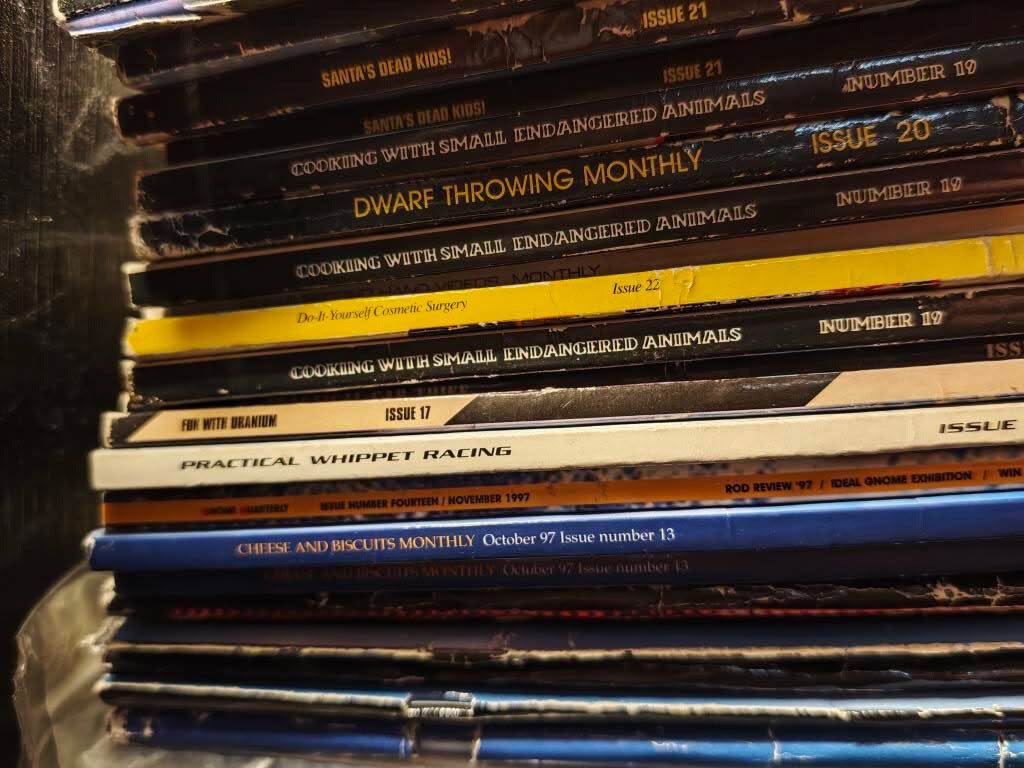
A hallmark of Whitelines’ distinctive brand identity was its creative and often absurd spine titles. Tudor "Chod" Thomas, the magazine’s designer-in-chief and a driving force behind its aesthetic, would regularly devise these whimsical titles, transforming the magazine’s exterior into a canvas for satire. Examples like "Dwarf Throwing Monthly," "Working With Endangered Animals Weekly," and "Neck Brace Monthly: The Skyscraper Issue" underscored a commitment to humor and an anti-establishment stance. These playful provocations were not merely decorative; they reinforced the magazine’s reputation as a "conquistador of chaos," a publication that consistently pushed boundaries and challenged conventional norms.
The legendary tales of staff antics further cemented this reputation. Chris Moran recounts a particularly memorable incident from a hotel stay in Austria: "I remember staying in a hotel in Austria that was filled with taxidermy. First night, everyone was in the bar. Around midnight, I stole the accordion from the wall behind the bar, and I hid it in a random bedroom. When the people staying in that room went to bed, they decided to have a tug of war with it, which obviously woke up the hotel. It was at that moment that the hotel owner also realised that her precious stuffed animals had pretty much all been messed with too. I remember there was a large stuffed marmot on a plinth on the way up the stairs. It was Russ Ward who had taken this marmot and fully shaved it, but left a mad Lemmy-style goatee on it." Such anecdotes, bordering on the mythical, illustrate the magazine’s embrace of unadulterated fun and its willingness to blur the lines between professional duty and personal adventure.
This irreverence extended even to its interactions with readers and authorities. Whitelines famously published contest entry addresses that were deliberately provocative, such as "send your entries to ‘the crack in the arse cheeks of Jim Peskett, 1 Stert Street, Abingdon.’" While this delighted readers, it drew the ire of the UK Post Office, which threatened publisher Jim Peskett with blacklisting—a threat that could have jeopardized the entire publishing business. Jim, often the unwitting "butt of the jokes," would "literally plead with us not to do that shit anymore." This playful defiance, however, only strengthened the bond between the magazine and its audience, who appreciated its willingness to challenge conventions and inject humor into every facet of its operation. Even complaints from disgruntled parents, such as the lady who banned her son from reading the magazine, were met with characteristic humor, earning her letter of the month and her son a lifetime subscription.
Navigating the Digital Revolution: A Strategic Pivot
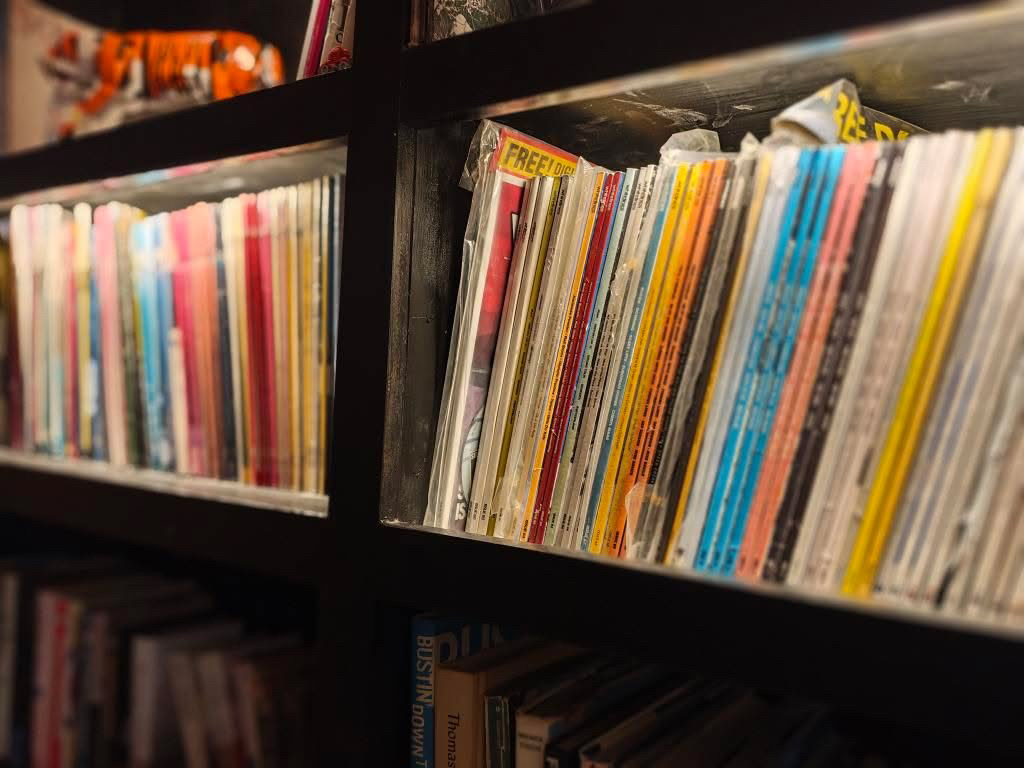
By the mid-2010s, the media landscape had undergone a profound transformation. The digital revolution, driven by the internet’s ubiquity and the rise of social media, reshaped content consumption habits globally. Print media, once the primary conduit for niche cultures like snowboarding, faced unprecedented challenges. Newsstands that once proudly displayed an array of snowboard magazines began to thin out, reflecting a broader shift towards instant gratification and accessible digital content. As the article metaphorically states, "it ain’t over till it’s over," drawing parallels to "Fergie Time" in football, where unexpected turns can still lead to victory.
The shift in media appetite was undeniable. Readers no longer wished to wait months for their snowboarding fix; they demanded a 24-hour buffet of content, readily available at their fingertips. This transition, while challenging for traditional print publications, also presented new opportunities for growth and reach. The ease of access allowed the snowboarding industry to expand its audience exponentially, bringing the sport to a wider, more diverse demographic.
In 2015, after two decades of print publication, Whitelines made the strategic decision to cease its physical editions, with WL120 marking the final issue to grace shelves. The announcement, appropriately made online, included a candid statement from editor Ed Blomfield. He acknowledged the collective heartbreak within the team at the end of the print era, stating, "As a team, we’re obviously gutted to see the end of a paper publication into which we poured heart and soul over two decades." However, Blomfield also articulated a forward-looking vision: "Factory Media’s proposal to sacrifice print frees up the editorial staff to channel all that passion and energy into their websites, including this one… with a renewed focus and a healthy budget, we can take it next. Expect a slicker website delivering more unique video, more gear reviews, more how-tos, more travel… more of all the things you enjoy. In 2015, original, high-quality content is the order of the day. Ultimately, however, it’s just about staying true to that original goal of stoking out the readers; if you guys are here online, then that’s where we need to be."
This pivot was executed with remarkable agility, transforming the magazine’s operations to leverage the digital medium fully. With staff no longer divided between print and online responsibilities, resources and creative energy were channeled into enhancing the digital platforms. Whitelines, already renowned for its comprehensive gear guides, notably the "Whitelines 100" which served as an authoritative benchmark for seasonal products, saw these features flourish online. This renewed focus and investment expanded the brand’s reach beyond its UK origins, establishing it as a truly global favorite in the digital realm.
The Comeback Kid: Resilience and Reinvention
The media industry is notoriously volatile, with publications often rising and falling with economic tides or shifts in consumer behavior. Whitelines has faced its share of existential threats, enduring multiple "last rites" throughout its history. Yet, much like "the cockroach that refuses to die" or "the chewing gum stuck to the sole of snowboarding’s gaffa-taped boot," Whitelines has consistently defied predictions of its demise. This remarkable resilience is attributed not to mere luck, but to the unwavering dedication of its custodians—individuals who genuinely care about snowboarding and are prepared to undertake extraordinary measures to keep the publication alive, even if it meant "experimental emergency surgery with no anaesthesia during a power cut."
The early days, in particular, were characterized by extreme financial constraints. The phrase "shoestring and a dream" aptly describes the operational reality. As one former staffer revealed, "No one had any money, least of all our publisher, but we begged, borrowed and stole enough to get all 120-odd editions out! And we eBayed pretty much every bit of product that anyone ever sent in. Honestly, it kept us all afloat. Sketchy as fuck, eh?" This resourcefulness, born out of necessity and passion, underscores the deep personal investment made by those involved in the magazine’s journey.
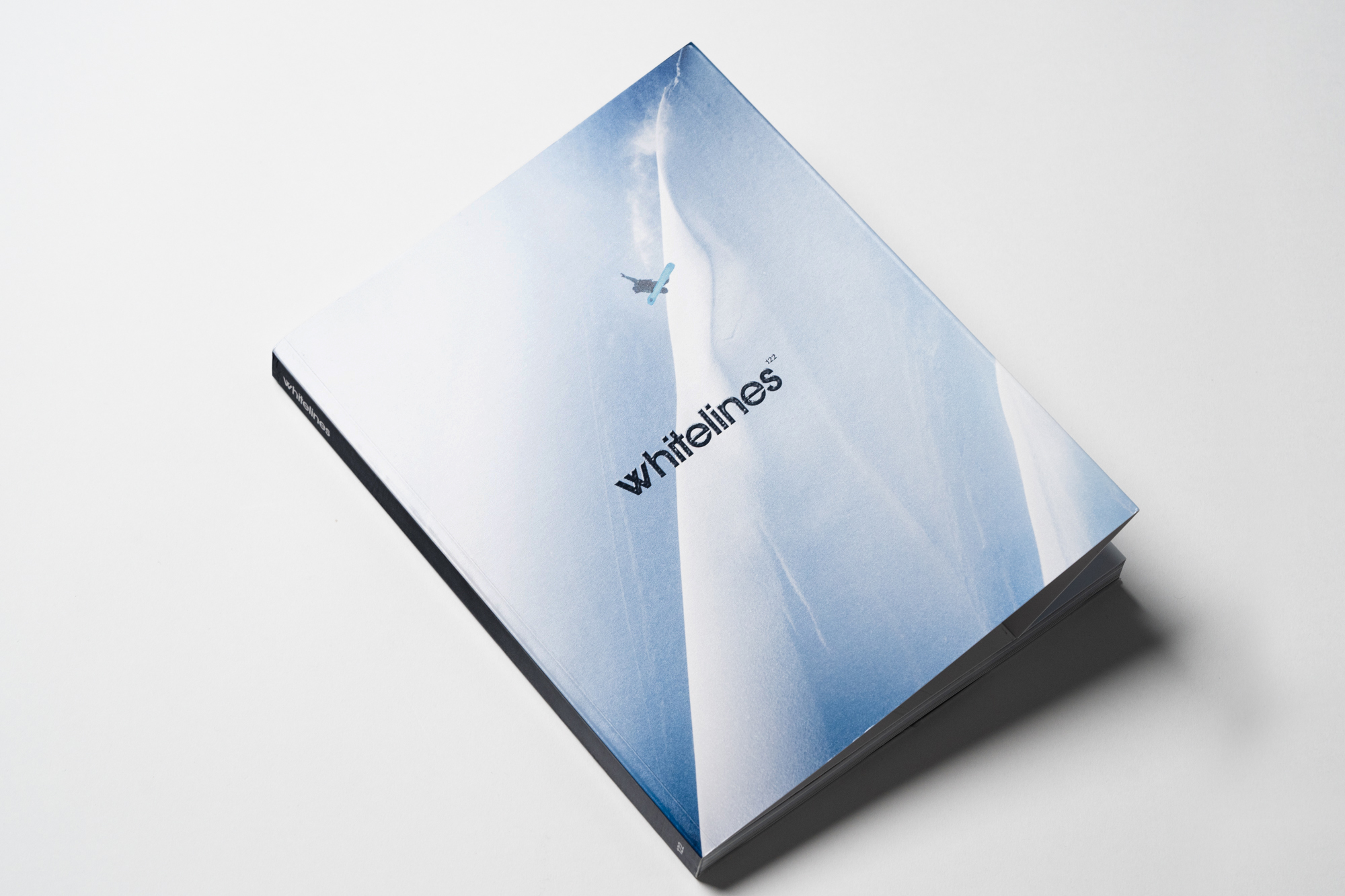
In 2019, Whitelines briefly returned to print, demonstrating its enduring appeal and the nostalgic pull of physical media. This second foray into print took the form of "The Whitelines Annual," a series of three meticulously curated magazines totaling over 600 pages. These annuals featured exclusive interviews, stunning photography, and insightful written content from the sport’s leading voices, offering a deep dive into snowboarding culture for a dedicated audience. This short but impactful return, once again with Ed Blomfield at the helm, served as a testament to the brand’s versatility and its ability to adapt its format to meet specific market demands.
Whitelines in 2026: A Global Digital Powerhouse
As of 2026, Whitelines has fully embraced its identity as a purely digital entity. This strategic consolidation allows for an unparalleled focus on online content creation and distribution. The publication now operates with a "crack team of proper snowboarders across three continents," ensuring comprehensive and authentic coverage from diverse global perspectives. This distributed model enables the team to rigorously test the latest innovations, provide premium gear reviews, and conduct in-depth interviews with industry figures, lifting the curtain on the inner workings of the sport. Furthermore, its global presence allows for real-time "culture hits" and "boots-on-the-ground event coverage," capturing the dynamic and beating heart of snowboarding as it unfolds worldwide.
The sheer reach of digital platforms in 2026 is undeniable and far surpasses the capabilities of print. This season alone, Whitelines’ website attracted over 2 million visitors, while its social media channels boast more than 750,000 followers. The brand’s content frequently appears in AI snippets, reflecting its pervasive presence across modern information ecosystems. In this context, the logistical and economic challenges of distributing 20,000 copies of a print magazine become evident.
Despite the exponential increase in content volume and reach, Whitelines remains committed to its foundational editorial tenets: every piece must be engaging, informative, or amusing—ideally, all three simultaneously. This commitment ensures that quantity does not compromise quality, maintaining the high standards that have defined the brand for three decades. While the digital focus is firm, a nostalgic appreciation for print persists. As the article playfully notes, after a few pints, the team still "wax[es] poetic about the joys of print, run[s] the numbers and scrawl[s] hasty business models on the back of napkins." The spirit of "Goonies never say die" continues to animate their approach, acknowledging the past while firmly looking towards the future.
Thirty years on, Whitelines has evolved from a chaotic fanzine to a sophisticated digital media powerhouse, yet it retains the rebellious, authentic, and humor-infused spirit of its origins. Its journey reflects not only the transformation of snowboarding itself but also the broader evolution of media consumption. From crude phone-card dictated articles to multi-platform digital content, Whitelines stands as a testament to passion, adaptability, and the enduring power of a unique voice in a constantly changing world. And, as for the infamous contest addresses, the publication can confirm, with a touch of its characteristic irreverence, that "we have received no mail addressed to the crack in the arse cheeks of anyone. Yet."

