
Government Camp, Oregon – Timberline Lodge, a renowned high-elevation ski resort on Mount Hood, is anticipating an earlier than usual conclusion to its summer skiing operations for the 2026 season. The projected closure date of July 19th, as announced by Mt. Hood Summer Ski Camps, will significantly curtail the duration of the summer training programs typically hosted at the iconic Oregon landmark. This development underscores a challenging snow season across the region, even for locations accustomed to extended winter conditions.
The anticipated early closure stems from a confluence of factors, primarily the lower-than-average snowfall received at Timberline Lodge during the 2025-2026 winter season. Official reports indicate that the resort has accumulated approximately 297 inches of snow. While this figure might seem substantial in other contexts, it represents a deficit compared to Timberline’s historical averages, which typically see higher accumulations due to its prominent elevation. The exact average snowfall for Timberline is not consistently published annually, but it is widely understood to be considerably more than what has been recorded this past season, leading to concerns about the sustainability of operations into the traditional summer months.
A Shorter Summer on the Slopes
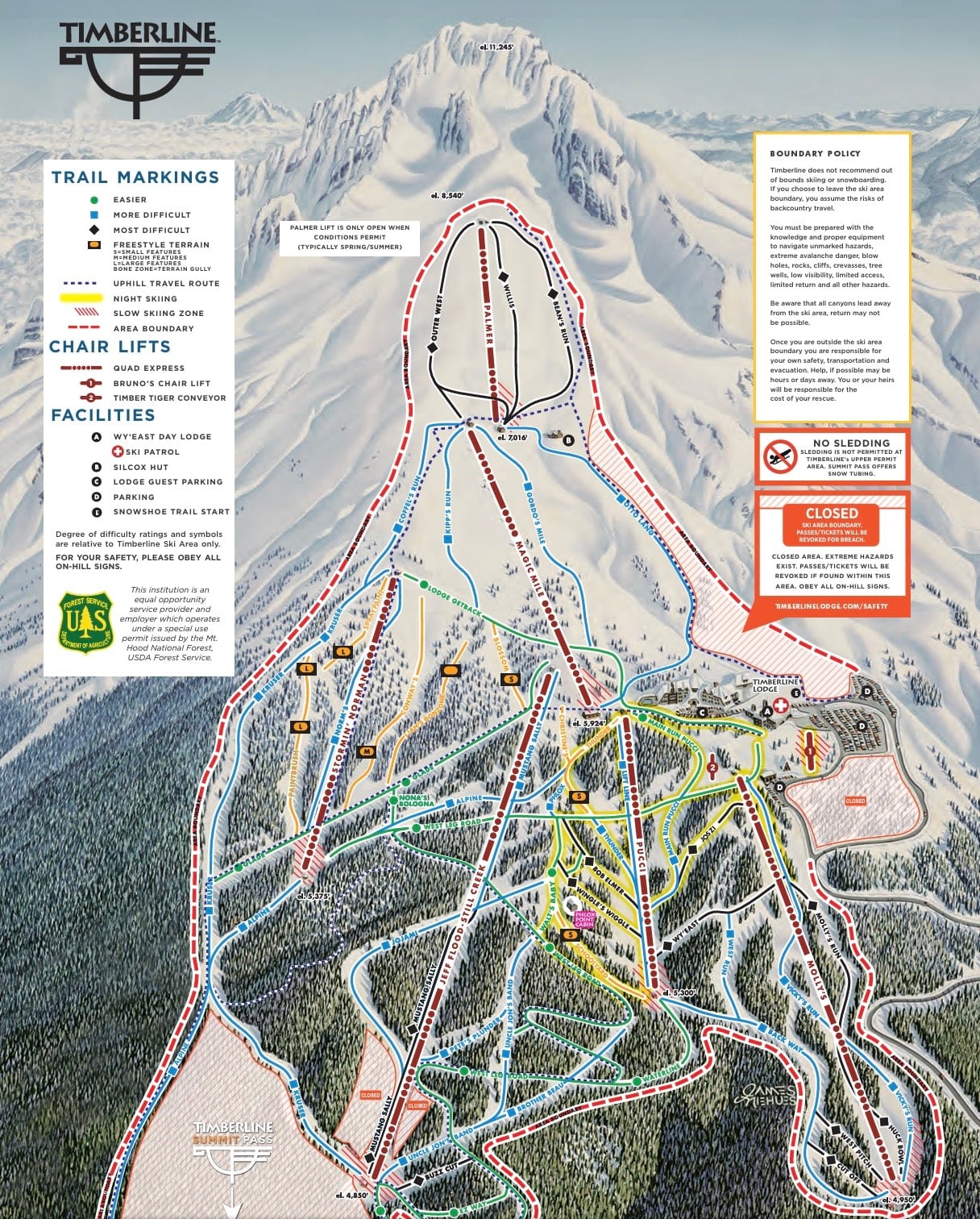
Timberline Lodge’s summer operations are a unique offering in the United States, providing a vital training ground for competitive skiers and snowboarders. The resort leverages its high-altitude location, utilizing the Magic Mile and Palmer chairlifts to access slopes that remain snow-covered long after lower-elevation resorts have closed. These summer programs cater to a diverse clientele, including ski racers, mogul skiers, and terrain park enthusiasts, who utilize the dedicated zones to hone their skills and prepare for the upcoming competitive seasons. The typical operating hours for summer skiing are from 7 a.m. to 1:30 p.m., a concentrated window designed to maximize training time on the available snowpack.
The projected July 19th closing date marks a significant departure from previous seasons. Historically, Timberline’s summer operations extend well into August, and in exceptionally snowy years, have even persisted into September. Last year, for instance, the resort concluded its summer season on August 17th, a date that already represented a shortening of operations compared to some prior years. An anticipated closure in July highlights the severity of the current season’s snow deficit, demonstrating that even a high-elevation resort like Timberline is susceptible to the vagaries of winter weather patterns.
The Impact on Summer Ski Camps
Mt. Hood Summer Ski Camps, a primary beneficiary and operator of programs at Timberline, has acknowledged the shortened season. The organization revealed the projected closing date, emphasizing that this will necessitate a reduction in the number of camps they can offer. This presents a logistical and financial challenge for the camps, which rely on the extended summer season to provide comprehensive training opportunities. For aspiring athletes, this could mean fewer available slots for specialized training and potentially increased competition for spots at other, potentially more distant, summer ski destinations.
While the current snow accumulation is below average, there remains a possibility of additional snowfall in the immediate days leading up to the projected closing date. Forecasters, however, have not indicated significant snow events that would substantially alter the trajectory of the season’s end. The reliance on potential late-season snow for extending operations underscores the precarious nature of managing a high-elevation ski resort in a changing climate.
Understanding the Snowpack Dynamics
The 297 inches of snow reported for the 2025-2026 season at Timberline Lodge can be placed in context by comparing it to historical data and averages, though precise year-over-year comparisons for average snowfall are not always readily available in public releases. However, industry professionals and long-time observers note that this season’s accumulation is demonstrably below the norm for a location that typically offers one of the longest ski seasons in North America.
The snowpack’s integrity at high altitudes is influenced by various factors, including temperature, precipitation type (rain versus snow), and wind patterns. Even with significant snowfall, warmer temperatures can lead to melting and sublimation, reducing the effective snow depth. Conversely, colder temperatures can help preserve the snowpack, allowing it to last longer. This season appears to have been characterized by a combination of insufficient snowfall and potentially less favorable temperature conditions for snow preservation.
Broader Implications for the Ski Industry
The early closure at Timberline Lodge serves as a microcosm of broader challenges facing the ski industry, particularly concerning climate change and its impact on winter sports. Resorts at all elevations are increasingly grappling with shorter seasons, reduced snow reliability, and the need for more robust snowmaking capabilities or alternative revenue streams.
For high-elevation resorts like Timberline, which have historically benefited from natural snow, the trend towards earlier closures prompts a re-evaluation of operational strategies. This could involve exploring new forms of summer recreation, enhancing existing amenities, or investing in technologies that mitigate the effects of warmer temperatures. The continued viability of summer ski programs, which are crucial for athlete development and a niche segment of the tourism market, is also a growing concern.
A Glimpse into Past Seasons
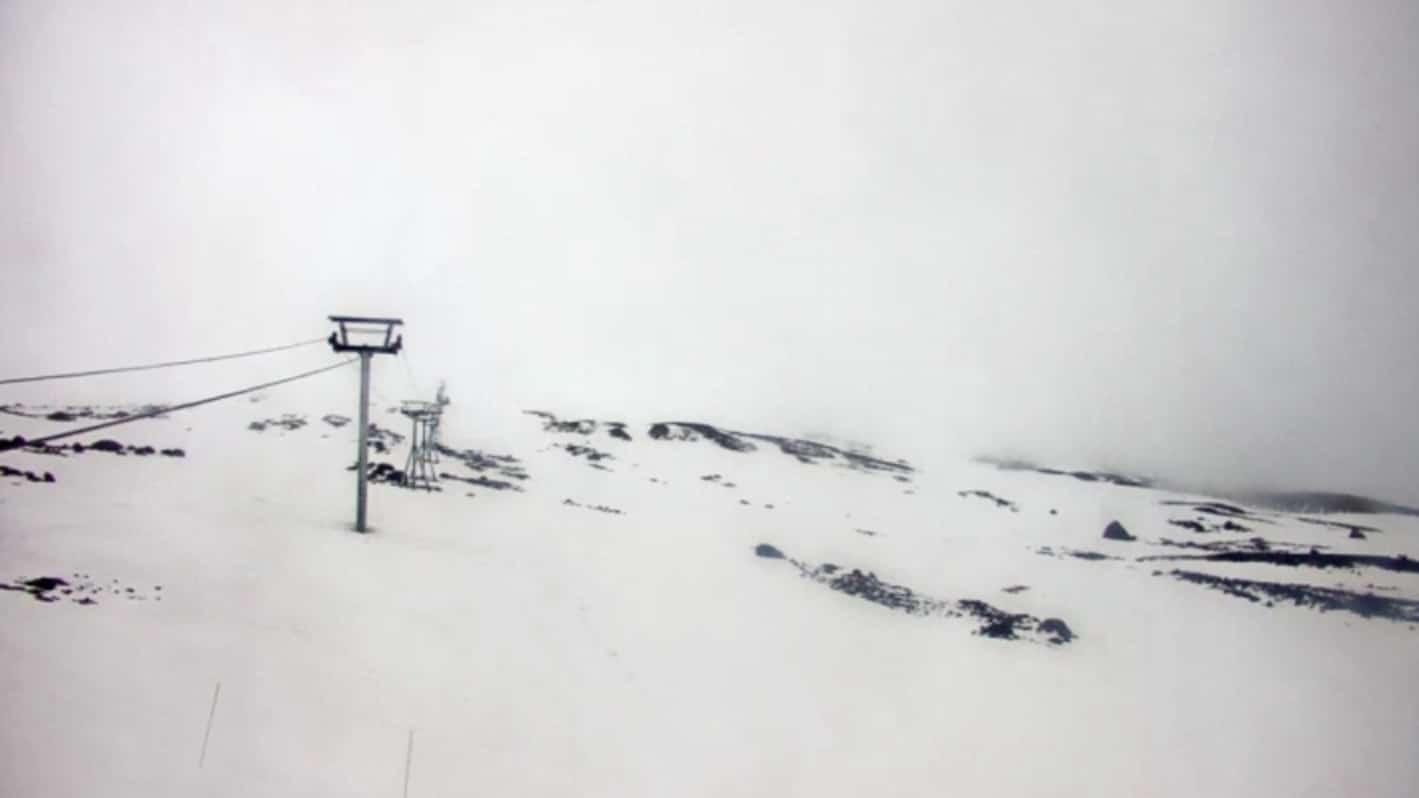
To further understand the significance of the current season, it is useful to look at Timberline’s operational history. In years with abundant snowfall, summer skiing has extended well beyond July. For instance, during seasons characterized by heavy winter storms and sustained cold, the Palmer snowfield has remained skiable into September. The fact that this season’s snow depth, even at this elevated altitude, is insufficient to sustain operations through the typical August timeframe indicates a significant deviation from historical norms. The image provided, showing a webcam view of Palmer from April 11, 2026, depicts snow cover that, while present, may not be indicative of the deep, lasting snowpack required for extended summer operations. The comparison to average snow depth also suggests a lean season.
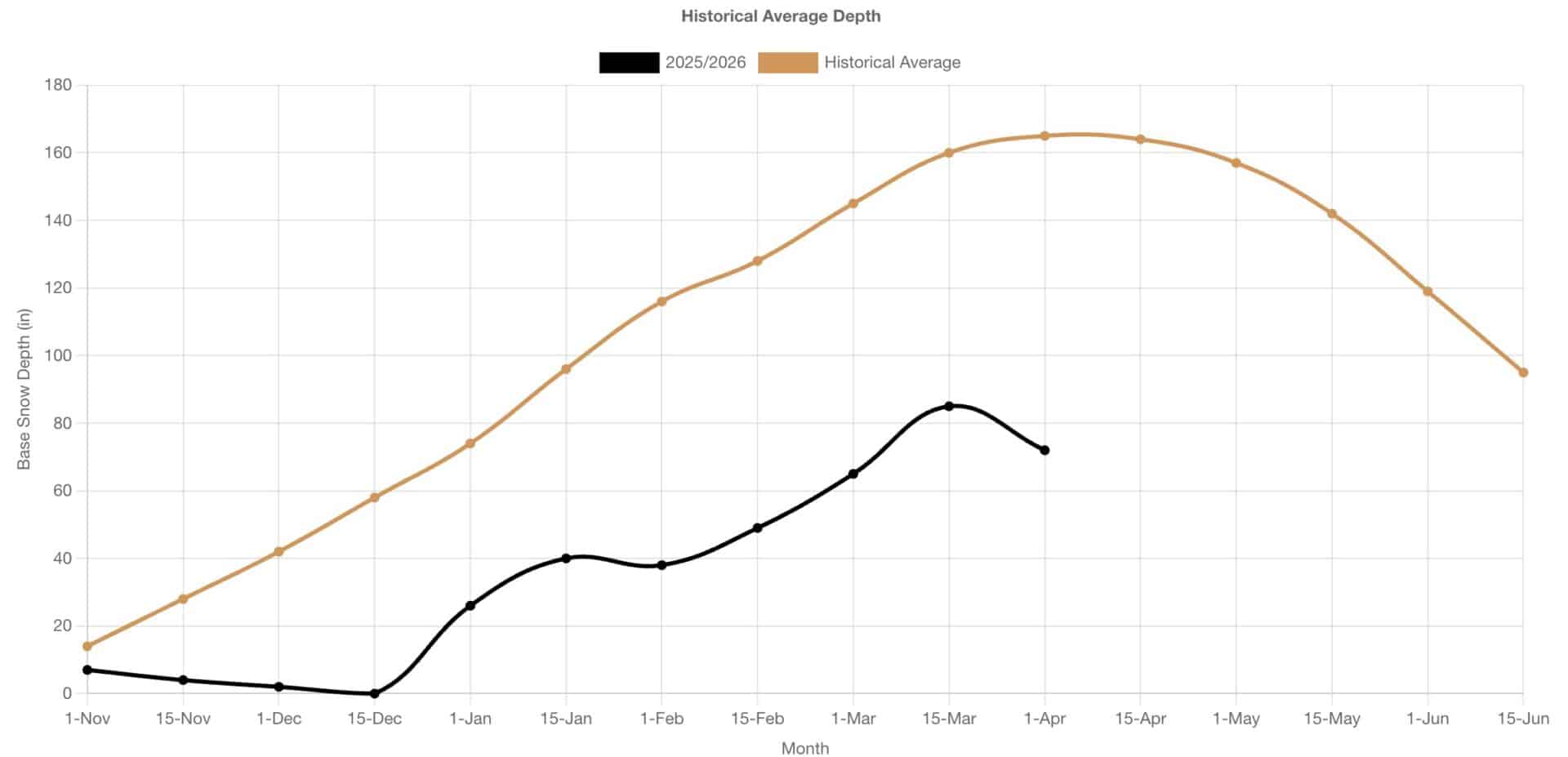
The data points, such as the 297 inches of snow, are crucial metrics for understanding the current situation. While this number alone doesn’t tell the entire story without precise historical averages for each specific year and month, it serves as a clear indicator of a deficit. The image comparing this season’s depth to the average, even if qualitative, visually reinforces the challenge.
Official Statements and Industry Response
While the initial announcement came from Mt. Hood Summer Ski Camps, official statements from Timberline Lodge regarding the projected closure date are expected to provide further details and context. These statements would likely address the specific snow conditions, the reasoning behind the decision, and any potential mitigation efforts or alternative offerings for the summer months.
The broader ski industry, including organizations like the National Ski Areas Association (NSAA), closely monitors such developments. Early closures at significant resorts can influence discussions about climate action, sustainable tourism practices, and the future of snow sports. The need for long-term strategies to adapt to changing weather patterns is a recurring theme in industry conferences and publications.
Looking Ahead: Adapting to a New Normal
The early closure at Timberline Lodge is not merely a logistical inconvenience; it represents a tangible consequence of a changing climate on a beloved institution of Pacific Northwest skiing. While the resort will continue to offer summer activities beyond skiing and snowboarding, the reduction in its signature summer ski program is a notable shift. The ability of such high-altitude locations to maintain their traditional operations is being tested, prompting a broader conversation about resilience and adaptation within the ski industry. The coming years will likely see increased focus on innovative solutions to preserve the winter sports season for both recreational enthusiasts and competitive athletes.
The information presented here is based on data available as of the reporting date, including projected closing dates and snow accumulation figures. Further updates may be provided by Timberline Lodge and related organizations as the season progresses.

