
In a rapid series of executive and departmental maneuvers, the federal government has initiated a sweeping realignment of United States energy and environmental policy. These actions, characterized by the halting of major renewable energy installations, the proposed dissolution of premier scientific institutions, and the aggressive expansion of fossil fuel extraction, represent a fundamental shift in the nation’s approach to climate mitigation and resource management. This report examines the technical details, economic implications, and administrative justifications for these developments, which collectively signal a departure from established transitions toward a low-carbon economy.
The Suspension of Atlantic Offshore Wind Operations
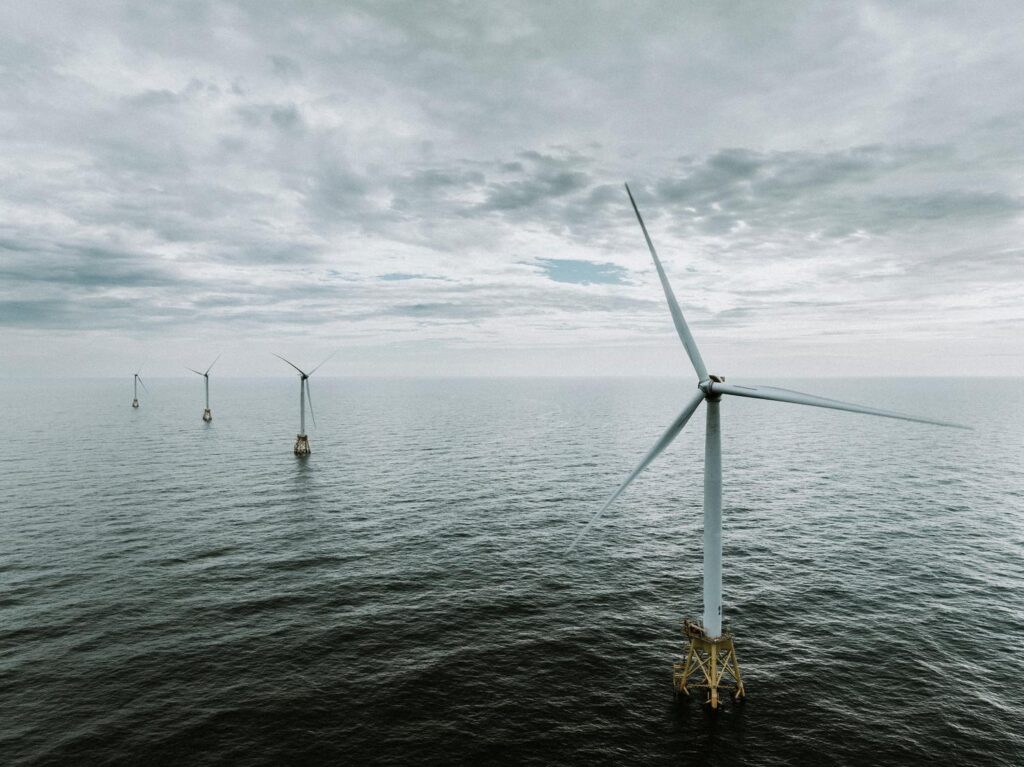
The Department of the Interior (DOI) recently issued orders to cease construction on five major offshore wind projects that had already secured full federal permits and commenced physical installation. The projects—Vineyard Wind (Massachusetts), Revolution Wind (Rhode Island/Connecticut), Coastal Virginia Offshore Wind (Virginia), Sunrise Wind (New York), and Empire Wind (New York)—represent the vanguard of the American offshore wind industry. Together, these installations were projected to provide several gigawatts of clean energy, enough to power millions of homes while supporting a burgeoning domestic supply chain.
The administration’s justification for these work stoppages rests on "national security" concerns. While specific details remain classified, officials have suggested that the physical presence of turbines and undersea cabling may interfere with naval operations or radar surveillance. However, industry analysts note that these projects underwent years of rigorous multi-agency review, including consultations with the Department of Defense (DoD), before receiving their Records of Decision (ROD).

The economic ramifications of these halts are immediate. The offshore wind sector represents a capital investment pipeline estimated at over $100 billion. By stopping projects mid-construction, the administration has introduced significant sovereign risk, potentially deterring future foreign and domestic investment in U.S. infrastructure. Furthermore, thousands of unionized jobs in specialized vessels, port facilities, and manufacturing are now in jeopardy. Legal experts suggest that using classified national security claims to bypass the standard judicial and administrative review process sets a new precedent for executive intervention in private-sector energy developments.
The Proposed Closure of the National Center for Atmospheric Research
In a move that has sent shockwaves through the global scientific community, the administration has proposed the complete shutdown of the National Center for Atmospheric Research (NCAR). Based in Boulder, Colorado, and managed by the University Corporation for Atmospheric Research (UCAR) under a cooperative agreement with the National Science Foundation (NSF), NCAR has served as a cornerstone of global climate and weather science since its founding in 1960.
NCAR’s contributions are not merely academic; they provide the technical foundation for essential public services. The institution manages the Community Earth System Model (CESM), one of the world’s most sophisticated tools for predicting long-term climate trends. It also plays a vital role in developing the Weather Research and Forecasting (WRF) model, which is used by the National Weather Service, the military, and private sector meteorologists to predict hurricanes, severe storms, and wildfire behavior.
The potential loss of NCAR’s supercomputing capabilities and its vast longitudinal datasets would create a "knowledge vacuum" in American atmospheric science. According to data from the National Oceanic and Atmospheric Administration (NOAA), extreme weather events cost the United States more than $150 billion annually. The dissolution of NCAR would likely degrade the accuracy of early warning systems, potentially increasing the economic and human costs of natural disasters. Furthermore, the move would affect hundreds of Ph.D.-level scientists and disrupt decades of international research collaborations, ceding American leadership in the geosciences to European and Asian counterparts.
Unprecedented Expansion of Offshore Oil and Gas Leasing
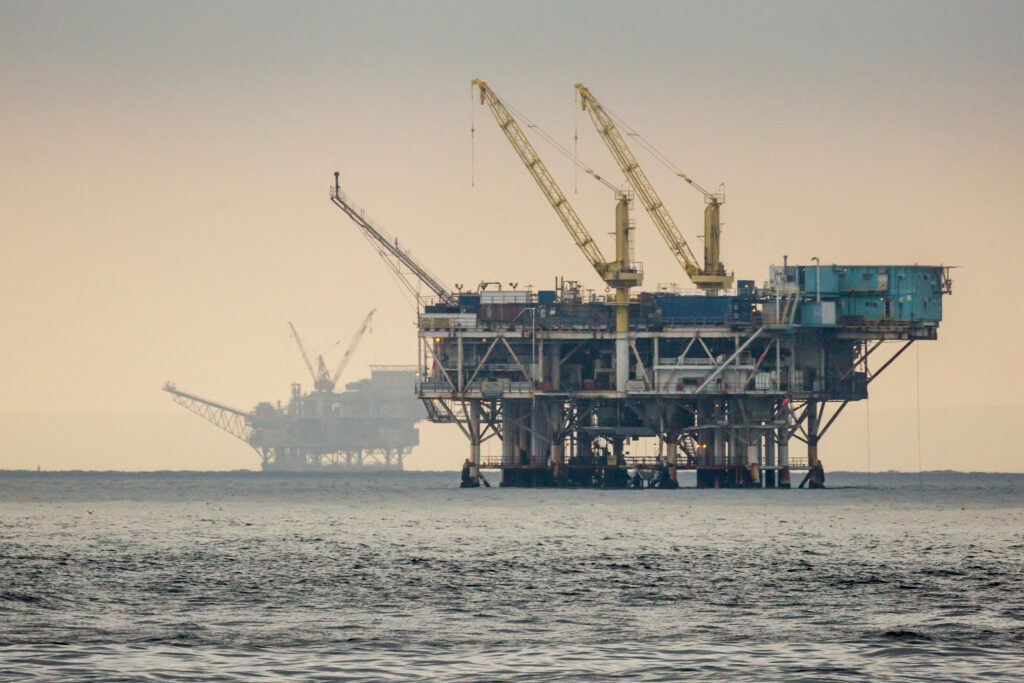
Parallel to the restrictions on renewable energy, the administration has unveiled a draft Five-Year Outer Continental Shelf (OCS) Oil and Gas Leasing Program that proposes opening 1.27 billion acres of U.S. waters to drilling. This proposal covers nearly the entirety of the U.S. Exclusive Economic Zone, including environmentally sensitive areas in the Arctic, the Atlantic and Pacific coasts, and the Eastern Gulf of Mexico.
This plan reverses a decade of policy aimed at limiting offshore extraction to the Central and Western Gulf of Mexico. The inclusion of California and Florida waters has already drawn bipartisan opposition from coastal governors who cite the potential for catastrophic oil spills and the negative impact on multi-billion dollar tourism and fishing industries.
From a climate perspective, the expansion is significant. Independent energy modeling suggests that fully developing these leases would lock in decades of greenhouse gas emissions, complicating efforts to meet international climate targets. Proponents of the plan argue that it is necessary for "energy dominance" and downward pressure on global energy prices. However, market analysts point out that the lead time for offshore deep-water projects is often seven to ten years, meaning this expansion would have little to no impact on immediate energy costs while fundamentally altering the ecological health of the nation’s marine sanctuaries.
Federal Intervention in Colorado’s Energy Transition
In a rare application of the Federal Power Act, the U.S. Department of Energy (DOE) has invoked emergency powers under Section 202(c) to force the continued operation of the Craig Generating Station Unit 1 in Colorado. The 427-megawatt coal-fired unit was scheduled for decommissioning on December 31, as part of a long-negotiated transition plan between the utility, Tri-State Generation and Transmission Association, and state regulators.

The DOE’s emergency order was issued despite the fact that the unit was already offline due to mechanical failures and that local grid operators had not declared a formal reliability crisis. The administration cited the need for "baseload stability" and "grid resilience" during the winter season as the primary motivation for the intervention.
The repercussions of this order are three-fold:
- Economic Burden: Maintaining an aging, inefficient coal plant is significantly more expensive than the renewable energy and storage projects intended to replace it. These costs are expected to be passed on to rural ratepayers.
- Regulatory Uncertainty: By overriding a state-approved decommissioning plan, the federal government has challenged the traditional authority of State Public Utility Commissions (PUCs) to manage their own energy portfolios.
- Environmental Impact: Craig Unit 1 is a significant source of nitrogen oxides, sulfur dioxide, and carbon dioxide. Its continued operation delays Colorado’s progress toward its Greenhouse Gas Pollution Reduction Roadmap, which aims for a 50% reduction in emissions by 2030.
Chronology of Policy Implementation
The rapid-fire nature of these announcements suggests a coordinated strategy to reshape the Department of the Interior and the Department of Energy’s core missions.
- Early December: The DOI begins an internal review of offshore wind permits, citing "unresolved technological conflicts" with defense systems.
- Mid-December: The DOE issues the emergency order for the Craig Generating Station, 24 hours before its scheduled retirement.
- Late December: The draft OCS leasing program is published in the Federal Register, initiating a 60-day public comment period.
- January: Formal proposals to defund NCAR are included in preliminary budget frameworks, citing the need for "scientific streamlining."
Broader Implications and Analysis
The shift in federal policy represents more than a change in energy preference; it signifies a move toward centralized executive control over energy markets and scientific inquiry. By utilizing "national security" and "emergency authority" as primary levers of policy, the administration is effectively insulating its decisions from the standard rigors of environmental impact statements (EIS) and public participation mandated by the National Environmental Policy Act (NEPA).
For the outdoor recreation economy—a sector the Bureau of Economic Analysis (BEA) values at over $1.1 trillion—these changes present a direct threat. The industry relies on stable climates, predictable snowpacks, and healthy coastal ecosystems. The combination of increased carbon emissions from coal and offshore drilling, coupled with the loss of predictive climate modeling from NCAR, creates a high-uncertainty environment for businesses ranging from ski resorts to coastal outfitters.
Furthermore, the "sovereign risk" created by halting permitted projects like Vineyard Wind may have long-lasting effects on American competitiveness. International energy firms, which operate on 20- to 30-year investment horizons, require regulatory certainty. The current volatility may drive capital toward more stable regulatory environments in Europe or South America, potentially slowing the domestic "green jobs" growth that has been a major driver of post-pandemic economic recovery.
As these policies move through the public comment and judicial challenge phases, the tension between state-level climate goals and federal energy mandates is expected to intensify. The outcome of these conflicts will likely define the trajectory of the American energy landscape and the integrity of its scientific institutions for the coming decade.

