
The federal government initiated the first of five mandated oil and gas lease sales in the western Arctic on March 18, marking a significant milestone in the century-long tension between resource extraction and environmental preservation. At the center of this development is the National Petroleum Reserve-Alaska (NPR-A), a 22.1-million-acre expanse of public land on Alaska’s North Slope. As the largest single block of public land in the United States, the NPR-A represents a critical intersection of national energy policy, indigenous subsistence rights, and global biodiversity. The recent move to open millions of acres to leasing—including the ecologically sensitive Teshekpuk Lake wetlands—highlights the enduring influence of administrative designations made a century ago and their impact on modern climate objectives.
Historical Foundations: From Naval Reserve No. 4 to the NPR-A
The administrative identity of the NPR-A was forged in 1923, when President Warren G. Harding signed an executive order designating the region as "Naval Petroleum Reserve No. 4." At the time, the United States Navy was transitioning its fleet from coal to oil, and the discovery of oil seeps along the Arctic coast suggested a strategic necessity for a domestic fuel stockpile. During this era, Alaska was largely viewed as a resource colony, and the North Slope was withdrawn from public entry to ensure the military’s future energy security.
The designation remained under naval jurisdiction for over half a century. However, the energy crises of the 1970s prompted a reevaluation of federal land management. In 1976, Congress passed the Naval Petroleum Reserves Production Act, which transferred management of the land to the Department of the Interior’s Bureau of Land Management (BLM). While the transfer shifted the land to civilian oversight, the legislature maintained its primary identity as a resource bank, renaming it the National Petroleum Reserve-Alaska.
The historical context of the reserve is also inextricably linked to the political scandals of the early 20th century. President Harding’s administration was famously marred by the Teapot Dome scandal, involving Interior Secretary Albert Bacon Fall, who accepted bribes to lease Navy Petroleum Reserve No. 3 in Wyoming to private oil companies. This legacy of controversy has shadowed the management of petroleum reserves for decades, as federal authorities balance the "expeditious program of competitive leasing" mandated by the 1976 Act with the growing necessity for environmental conservation.
The Geography of the Arctic: A Continental Ecosystem
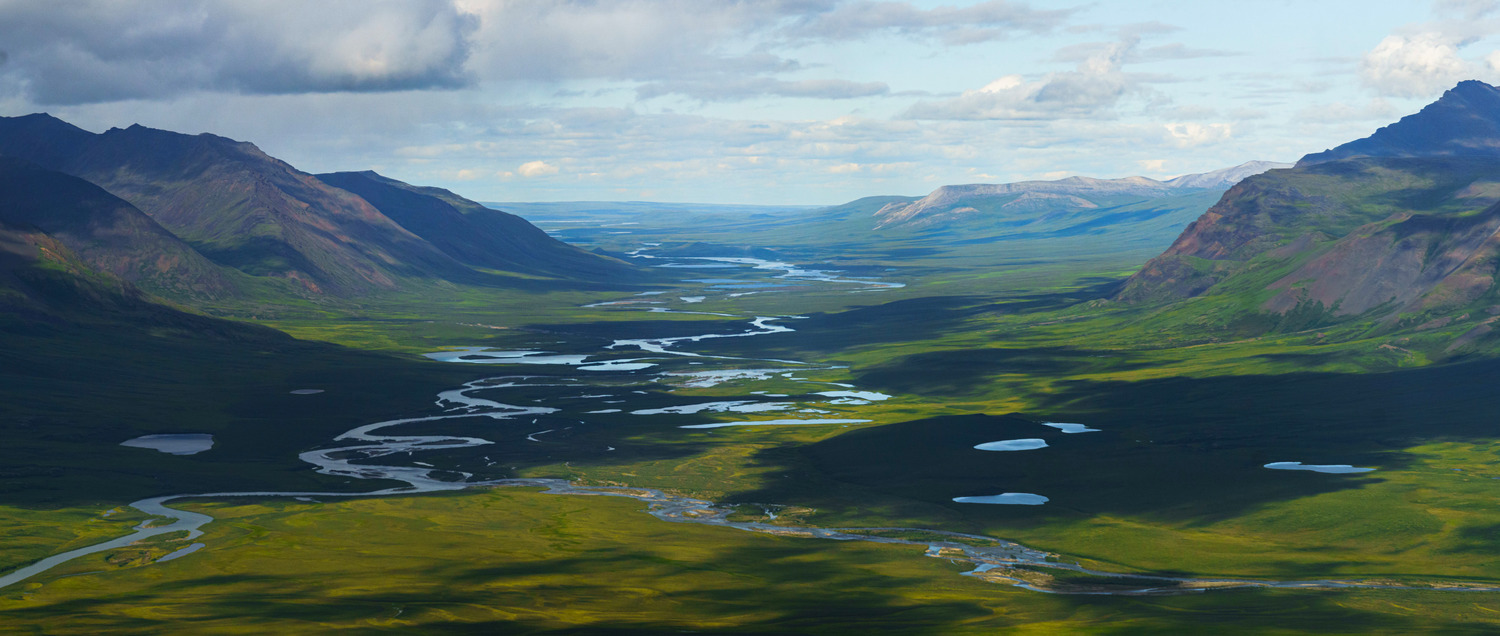
To understand the scale of the NPR-A, one must look at the broader geography of Arctic Alaska. The region is approximately the size of California, spanning from the Canadian border in the east to the Bering Sea in the west. Despite its vastness, the human footprint remains remarkably small. The population of this "Northern California" is roughly 10,000 people, primarily concentrated in isolated communities, while the caribou population exceeds 500,000.
The NPR-A is characterized by an "intact ecosystem" where mountains, valleys, and coastal plains remain largely untrammeled. Unlike the contiguous United States, where wilderness is often a fragmented exception to urban and agricultural development, wildness is the norm in the Arctic. The region’s connectivity is its primary ecological strength; it is one of the few remaining places on Earth where large-scale migrations of mammals and birds occur without the interference of fences, dams, or major road networks.
Ecological Significance and the Teshekpuk Lake Wetlands
While the name "Petroleum Reserve" suggests a singular industrial purpose, the region is a global epicenter for biodiversity. The NPR-A hosts an estimated 5.4 million aquatic birds each season, a density higher than any other Arctic wetland on the planet. These migratory birds represent a connection between the Arctic and six different continents, as species travel from as far as South America, Africa, and Oceania to nest in the Alaskan tundra.
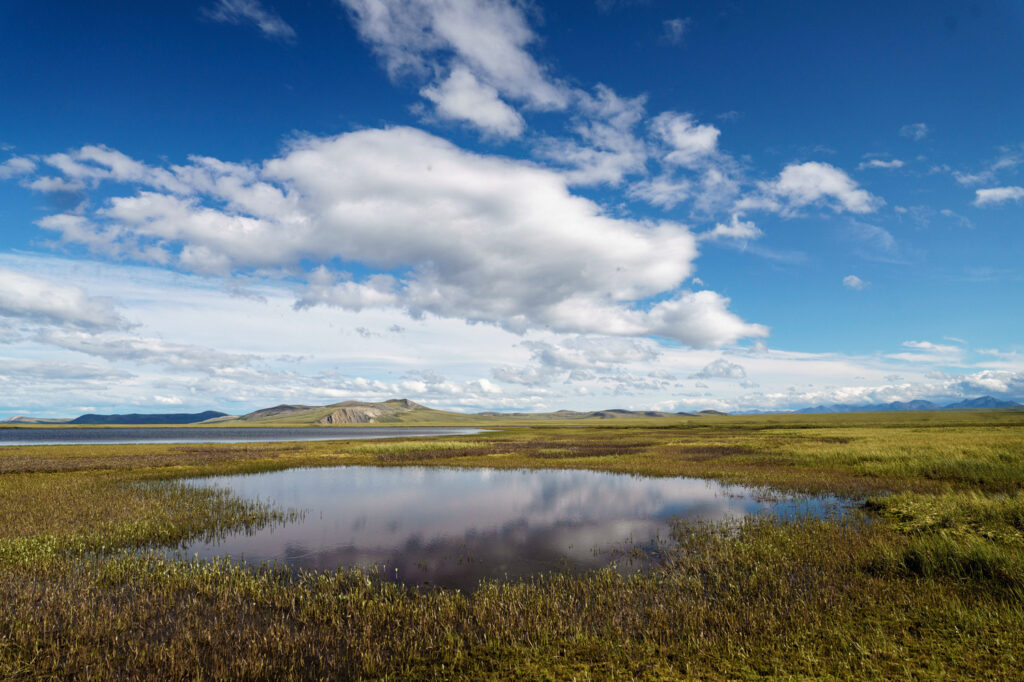
A focal point of recent conservation concern is the Teshekpuk Lake region. For decades, this area was protected from development due to its status as a "Special Area." It serves as the primary calving ground for the Teshekpuk Lake caribou herd and is the most important molting habitat in the Arctic for migratory waterfowl. However, recent administrative shifts have moved to open these wetlands to leasing. Environmental scientists argue that the "petroleum" designation fails to account for the contemporary value of the land as a carbon sink and a refuge for species already stressed by a rapidly changing climate.
Economic and Geological Data: The Cost of Extraction
The drive for development in the Western Arctic is fueled by significant geological estimates. According to data from the U.S. Geological Survey (USGS), the Northern Alaska region may contain nearly half of all undiscovered recoverable oil on federal lands in the United States. Specifically, the NPR-A is estimated to hold approximately 8.7 billion barrels of undiscovered, technically recoverable oil and 25 trillion cubic feet of natural gas.
Despite these reserves, the economics of Arctic drilling are complex. Extraction in the NPR-A is significantly more expensive than in the Permian Basin or other domestic shale plays. The harsh environment, lack of infrastructure, and the need for specialized technology drive up the "breakeven" price per barrel. Furthermore, projects like the Willow Oil Project—estimated to yield 750 million barrels over its lifetime—require decades of capital investment. Critics point out that these projects often rely on public subsidies and infrastructure support, such as the proposed 200-mile road to the Ambler Mining District and the Dalton Highway corridor, which further fragment the landscape.
Chronology of Modern Policy Shifts
The current state of leasing in the NPR-A is the result of a shifting regulatory landscape over the last decade:
- 2013: The Obama administration implemented an Integrated Activity Plan (IAP) that protected roughly 11 million acres, including the majority of the Teshekpuk Lake Special Area, from oil and gas leasing.
- 2017-2020: The Trump administration sought to maximize energy production, proposing a new IAP that opened 18.6 million acres (about 82% of the reserve) to development. This plan specifically targeted the Teshekpuk Lake region.
- 2021-2023: The Biden administration initially paused new oil and gas leases on federal lands. However, in 2023, the administration approved the Willow Project, a major ConocoPhillips development within the NPR-A, citing the legal rights held by the company.
- 2024: In a move to balance the Willow approval, the Department of the Interior finalized a rule in April 2024 to provide maximum protection for 13.3 million acres within the NPR-A’s Special Areas, effectively restricting new leasing in those zones while honoring existing valid rights.
- March 18 (Current Cycle): The commencement of the first of five mandated lease sales under the 1976 Act’s "expeditious program" requirements, highlighting the persistent legal momentum of the reserve’s original mandate.
Stakeholder Perspectives and Regional Impact
The debate over the NPR-A involves a diverse array of stakeholders with competing interests.
Industry and State Interests: Proponents of development, including the State of Alaska and various energy corporations, emphasize the importance of the NPR-A to the state’s economy. Alaska’s budget is heavily dependent on oil revenue, which has been in decline as production from the older Prudhoe Bay fields tapers off. They argue that Arctic development provides high-paying jobs and bolsters national energy security by reducing reliance on foreign oil.
Indigenous Communities: Perspectives among Alaska Native groups are nuanced. Some North Slope entities support development for the economic opportunities and tax revenue it brings to local schools and infrastructure. Conversely, other groups, such as the Gwich’in Stearing Committee, emphasize the threat to caribou herds, which are central to their diet, culture, and spiritual well-being.
Environmental Advocacy: Groups such as Protect Our Winters (POW) and the Sierra Club focus on the climate implications. The Arctic is warming three to five times faster than the global average. Scientists argue that the "carbon bomb" represented by Arctic oil reserves is incompatible with the goals of the Paris Agreement. They contend that the preservation of the "last whole place" is more valuable than a short-term increase in oil supply.
Broader Impact and Policy Implications
The ongoing lease sales in the Western Arctic represent more than just a local land-use conflict; they are a litmus test for national priorities in the age of the energy transition. The "legal scaffolding" provided by the 1976 Act demonstrates how difficult it is to pivot from a resource-extraction model to a conservation-focused model once industrial mandates are codified in law.
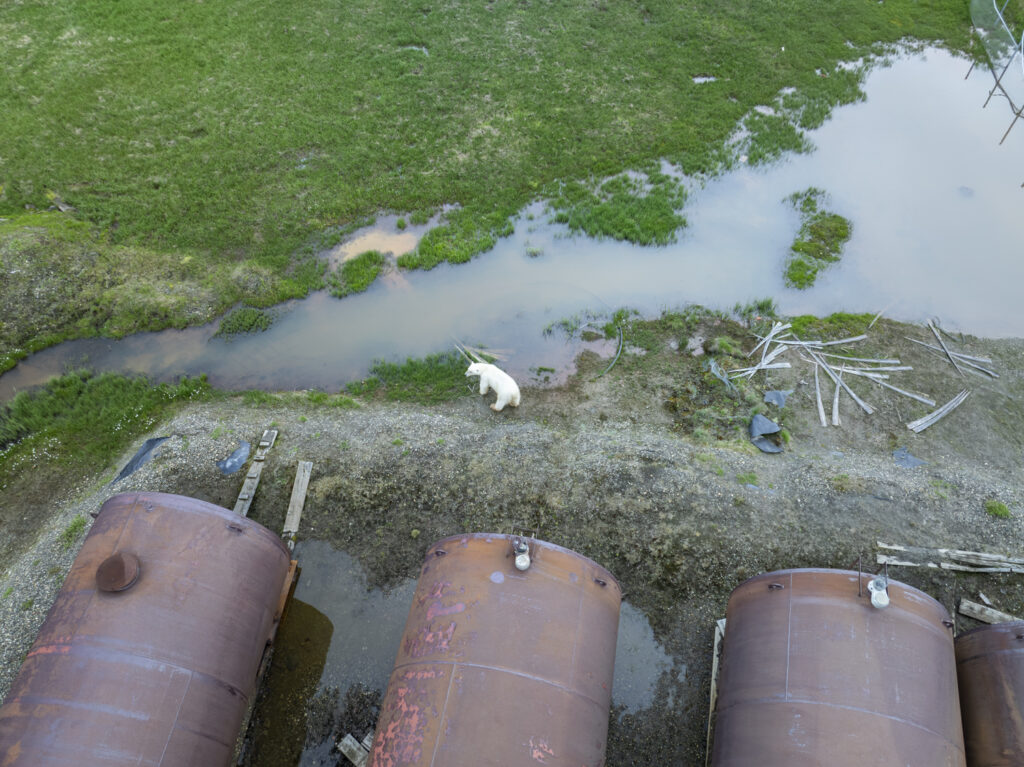
The infrastructure "creep" associated with these projects—roads, pipelines, and processing facilities—gradually transforms the wilderness into an industrial zone. While each project is often reviewed in isolation, their cumulative impact on migration routes and permafrost stability is profound. The decision to treat these lands as a "petroleum reserve" rather than a "biological preserve" is a political choice that reflects 1920s priorities in a 2020s world.
Ultimately, the management of the NPR-A will be determined by the intersection of political will, judicial interpretation, and market forces. As oil companies look toward thirty-year capital horizons, the uncertainty of future climate regulations becomes a significant factor in their investment decisions. For the public, the situation in the Arctic serves as a reminder that administrative names and map designations are not merely bureaucratic labels; they are powerful instruments that dictate the fate of the nation’s most pristine landscapes. The challenge for the coming decade will be whether the United States can redefine its relationship with the Arctic, moving beyond the 1923 mandate toward a framework that prioritizes ecological resilience and climate stability.

