
The Norwegian cross-country skiing community is grappling with a significant crisis of confidence as the national federation, Skiforbundet, continues to navigate a labyrinth of uncertainty regarding its elite program. With less than a month remaining before the crucial start of the new training season, athletes and coaches alike are left in the dark about fundamental aspects of the national team, including coaching appointments, the overall structure of the program, and the specific sport-specific development plans. This vacuum of information is creating considerable anxiety and forcing athletes to make critical career decisions without adequate guidance.
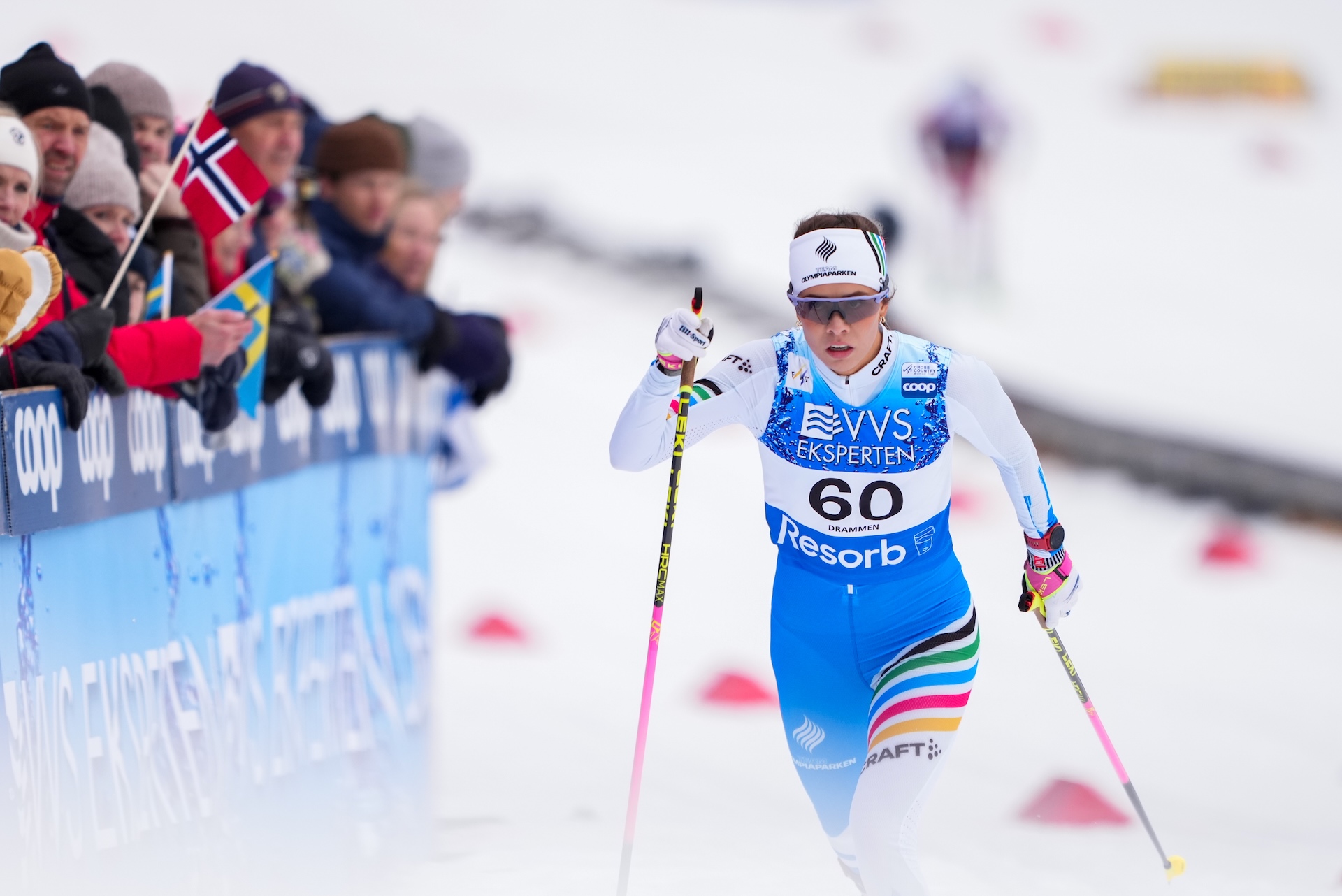
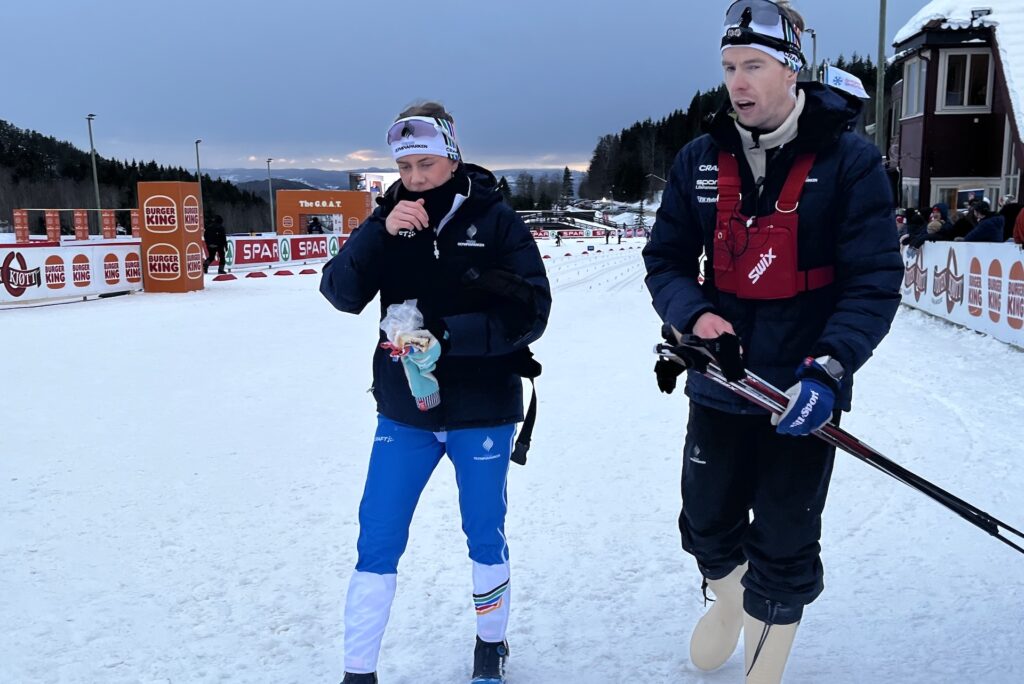
Stian Berg, a coach with Team Olympiaparken, one of Norway’s prominent private development teams, has voiced profound concern over the situation. Several of his athletes have demonstrated top-tier performance both domestically and internationally throughout the past season, earning them offers from the national federation. However, these promising athletes reportedly feel a deep sense of unease and are hesitant to commit to the national program due to the prevailing ambiguity.
"It becomes incredibly difficult for the athletes to make a well-considered choice," Berg stated in an interview with langrenn.com. "It’s equally challenging for us as coaches within a system where they have succeeded, to guide them effectively."
The Unraveling of the Coaching Staff: A Bombshell Departure
The immediate catalyst for much of the current disquiet was the Skiforbundet’s announcement last Wednesday that national team coach Arild Monsen would not have his contract renewed, a decision reportedly made against his wishes. This news sent shockwaves through the sport, particularly given Monsen’s significant contributions to the national team’s success.
While Berg was not entirely blindsided by Monsen’s exit, describing it as something that had been "in the air for a while," he expressed serious apprehension about its implications. "There has been a desire for a change, for new energy to shake things up a bit," Berg explained. "Cross-country skiing today is not what it used to be." He alluded to a perceived need for fresh perspectives and approaches within the national setup, acknowledging the evolving landscape of the sport.
Adding to the uncertainty, all remaining national team coaches are currently operating on expiring contracts. This collective contractual limbo exacerbates the sense of instability, leaving the future leadership and direction of the program in question.
A Shifting Landscape: Rumors of a New National Team Structure
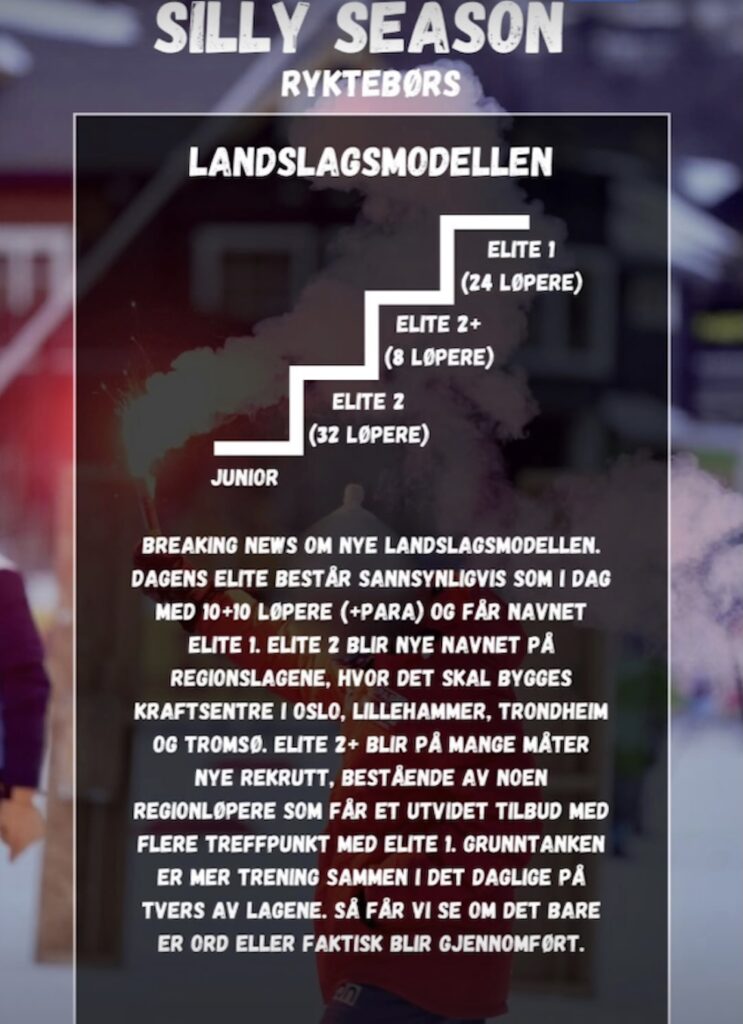
The Skiforbundet has indicated a review of the national team’s structure is underway, but concrete details remain elusive, even with the new season looming. Speculation is rife, with rumors suggesting a potential consolidation of the elite national team structure. The current model, which includes an elite national team and five regional teams, is reportedly being re-evaluated.
Whispers point towards a possible reduction in regional teams from five to four, with these new entities potentially being centered around key hubs: Oslo, Lillehammer, Trondheim, and Tromsø. These would reportedly be rebranded as "Elite 2" teams. Furthermore, there is talk of an "Elite 2+" offering, designed to bridge the gap between the regional teams and the main national squad, catering to athletes who narrowly miss out on national team selection.
"I think the idea has merit," Berg commented on the proposed structural changes, "but I fear they are waiting and have started too late." He emphasized that critical planning for both coaching appointments and the structural overhaul should have been initiated much earlier, especially with a new Olympic cycle underway and a World Championship on the horizon in less than a year.
Strategic Deficiencies and a Perceived Lack of Innovation
Berg further questioned the Skiforbundet’s strategic foresight in managing these ongoing processes. "There are many questions here," he stated. "Where will the new coaching team be recruited from? Nothing has been publicly advertised. If they intend to recruit internally, there will be a limited influx of new ideas."
The argument for bringing in "new impulses" was, ironically, one of the justifications cited for Monsen’s departure. Berg, however, views the current situation as a "desperate attempt to present radical changes without providing any answers about what they entail." He believes this approach makes the federation’s actions appear both desperate and ill-considered.
The timing of these proposed changes is a significant concern for Berg and many within the athlete community. He argues that these shifts are coming too late to be effective, potentially leading to a repeat, or even an exacerbation, of last year’s situation where a number of top talents opted out of the national team.
Berg suggested that the Skiforbundet is inadvertently undermining the very national team model it aims to uphold. "The national team should be the program that the best athletes most want to be a part of," he asserted. "But as it stands, the national team is not as attractive as it should be. This was clearly reflected in this past winter’s results, where the national team was consistently challenged by those competing in private setups, often with far smaller budgets."
He went as far as to suggest that successful national team athletes often achieve their results in spite of the national program, rather than because of it.
The Allure of Private Setups: Daily Training and Close Support
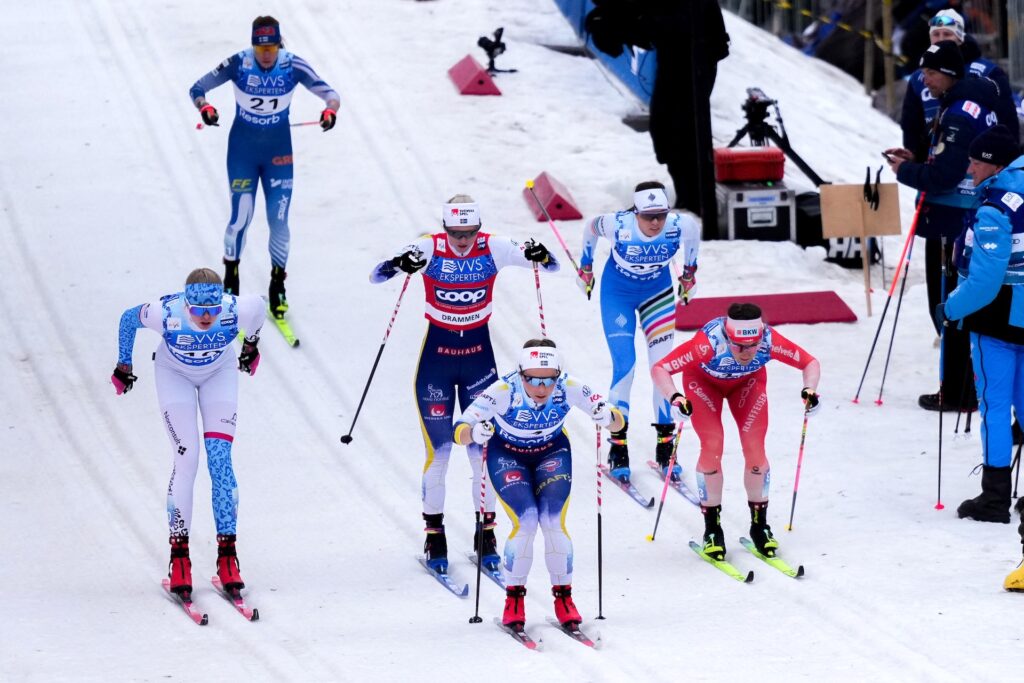
The success of private initiatives like Team Olympiaparken is attributed to their emphasis on daily, consistent training sessions and close, personalized athlete support. This contrasts sharply with the national team’s traditional model, which often relies on a more condensed schedule of monthly training camps during the preparatory season.
Berg highlighted the crucial role of daily contact, consistent presence, and proximity to athletes in fostering success at Team Olympiaparken. While acknowledging the financial incentives and the broader logistical support (like World Cup access and extensive support apparatus) that national team membership typically offers, he argued that the core sporting elements – training, coaching, and camp programming – are currently "too poor" within the national setup.
There are also emerging signals that the Skiforbundet might seek to restrict national team members’ autonomy in pursuing their own training regimes or affiliating with private environments. Berg strongly opposes this direction, asserting that the federation must first significantly improve its own offering.
The case of Astrid Øyre Slind serves as a potent example. After declining a national team spot last year, she faced a lengthy period of uncertainty regarding her eligibility for World Cup and championship events. Slind, who went on to win Olympic gold this past winter, has confirmed her continued commitment to the private Team Aker Dæhlie for the upcoming season, underscoring the appeal of established, high-performing private programs.
A Perceived Lack of Engagement and Enthusiasm
Beyond the structural and coaching uncertainties, Berg perceives a broader lack of engagement from the Skiforbundet towards athletes and environments operating outside their direct purview. He cited the example of Iselin Bjervig Drivenes, a junior who achieved a podium finish in the prologue and reached the final of the sprint at the Norwegian Championships. Despite this strong performance, Drivenes reportedly received no communication or acknowledgment from the national team setup.
"She heard nothing from the national team afterward," Berg recounted. "There was no pat on the shoulder, no signal that they had noticed her performance, no enthusiasm." This perceived indifference extends to coaches within private teams, with Berg expressing a desire for "more dialogue, curiosity, and humility, more interest in how work is being done in other environments."
A Wall of Silence from Federation Leadership
In an attempt to gain clarity, langrenn.com reached out to National Team Director Per Elias Kalfoss. When questioned about the forthcoming national team structure, the coaching uncertainties, and the growing trend of athletes prioritizing private setups, Kalfoss provided a brief and non-committal response: "We will present the coaching team and the national team. We will release this as soon as it is finalized. We are confident in delivering a very good program for the upcoming season and will return with more information soon."
Similarly, Cathrine Instebø, the CEO of Skiforbundet’s cross-country skiing division, reiterated previous statements to TV2 and other media outlets. "We are in the process of putting the pieces together," she stated. "We must return with more details regarding the public announcement of the coaching team."
This consistent response of "work in progress" from federation leadership, despite the approaching season and the palpable unease within the athlete community, has done little to alleviate concerns. The lack of transparency and concrete information fuels speculation and deepens the sense of uncertainty, leaving athletes in a precarious position as they plan their futures. The coming weeks will be critical in determining whether the Skiforbundet can effectively address these pressing issues and regain the trust of its elite athletes.

