
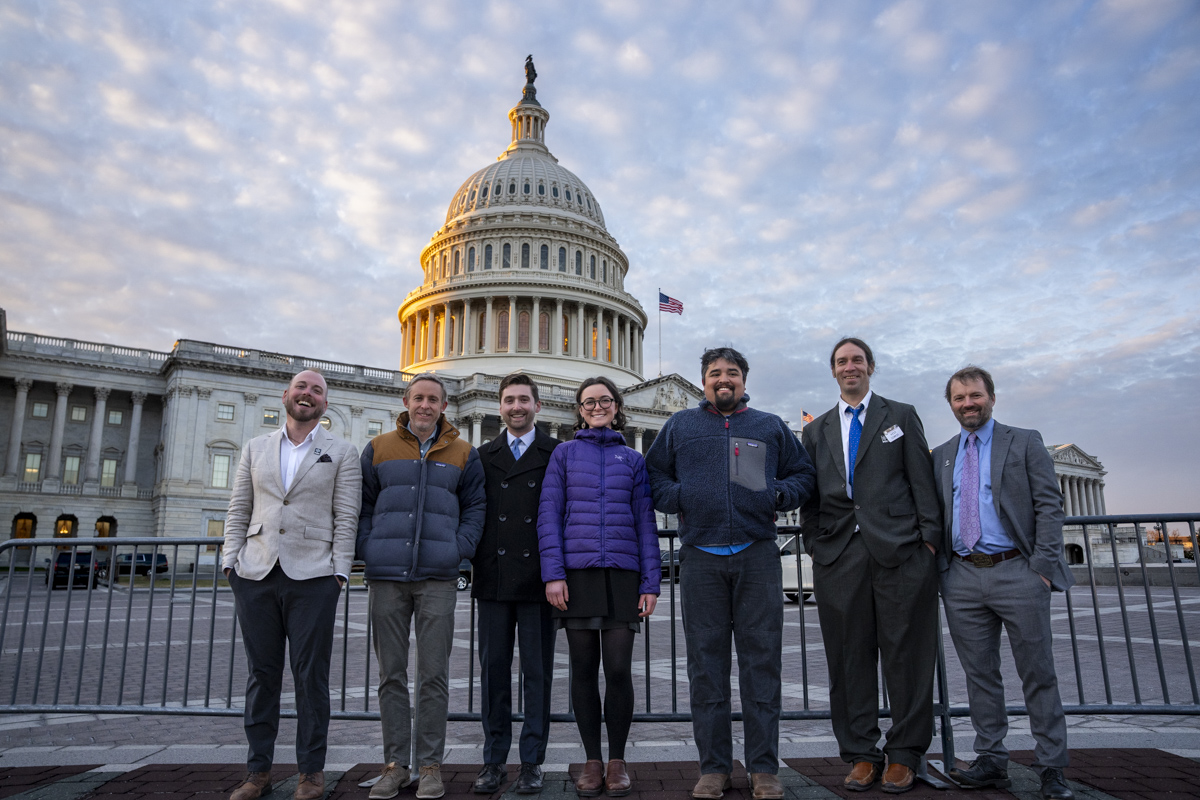
In a strategic mobilization aimed at countering the expansion of fossil fuel extraction in the American North, a coalition led by Protect Our Winters (POW) and the Alaskan Wilderness League (AWL) arrived on Capitol Hill last week to deliver a comprehensive 74-page petition to federal lawmakers. The document, which contained over 6,000 signatures from members of the "Outdoor State"—a demographic of outdoor enthusiasts, athletes, and business owners—demands permanent federal protections for the Arctic National Wildlife Refuge (ANWR) and the National Petroleum Reserve in Alaska (NPRA). This advocacy effort coincided with a significant shift in executive policy, as the Trump administration moved to finalize legislation designed to streamline oil and gas permitting in these ecologically sensitive regions.
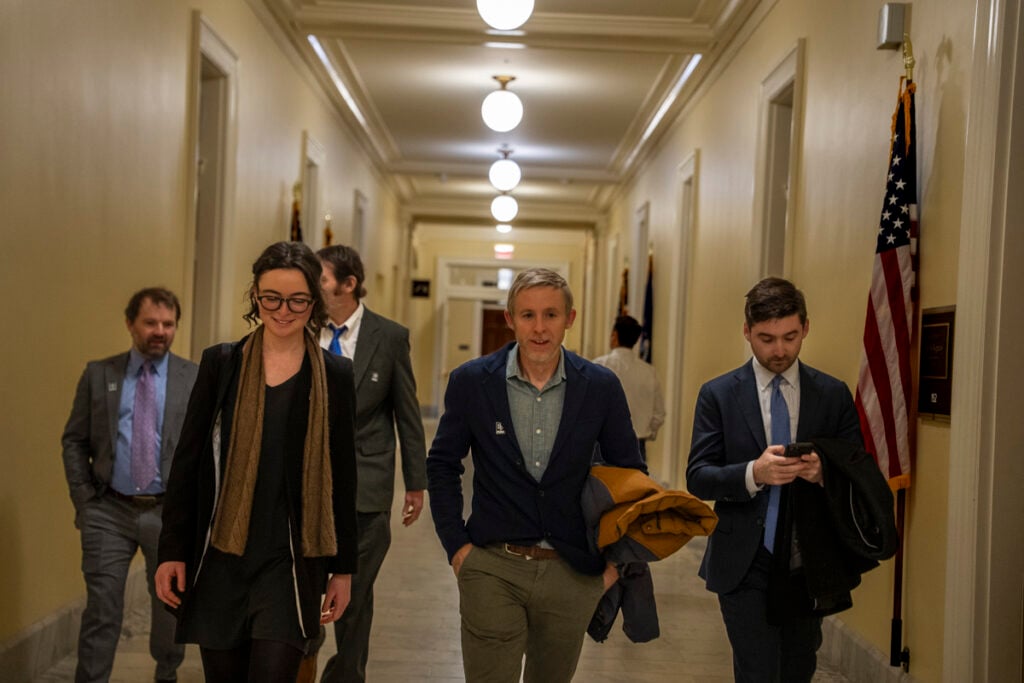
The two-day legislative "fly-in" brought together a diverse group of stakeholders, including professional athletes, climate scientists, filmmakers, and Indigenous representatives. The primary objective was to engage directly with members of Congress to present a multi-faceted argument against Arctic drilling, citing environmental risks, economic volatility, and the infringement upon Indigenous sovereignty. The delegation’s arrival in Washington D.C. highlights a growing tension between traditional energy development and a burgeoning movement prioritizing conservation and a transition to renewable energy infrastructure.
The Legislative Context and Recent Executive Action
The timing of the coalition’s visit was dictated by rapid developments within the executive branch. On the Friday following the group’s meetings, the Trump administration signed legislation aimed at easing the regulatory path for drilling and mining operations in Arctic Alaska. This move follows years of legal and political volatility regarding the 19.6-million-acre Arctic National Wildlife Refuge. While the 2017 Tax Cuts and Jobs Act mandated the Department of the Interior to conduct two lease sales in the refuge’s Coastal Plain by 2024, the process has faced numerous delays, administrative pauses, and litigation.
The current administration’s push to revitalize these lease sales is framed as a matter of national energy security and economic development for the state of Alaska. However, the POW and AWL coalition argues that such measures are out of sync with current global energy markets and national climate objectives. By hand-delivering the 74-page petition, the coalition sought to demonstrate that there is significant public opposition to these industrial expansions, particularly from the outdoor recreation sector, which contributes an estimated $1.1 trillion to the U.S. economy annually.
Chronology of the Advocacy Fly-In
The advocacy mission was structured as a series of high-level briefings and face-to-face meetings with key House and Senate offices.
Day One: Strategy and Initial Outreach
The first day focused on internal alignment and preliminary meetings with staff members of the House Natural Resources Committee and the Senate Energy and Natural Resources Committee. The coalition highlighted the "Outdoor State" perspective, emphasizing that the protection of public lands is not merely an environmental concern but an economic necessity for the recreation industry. Athletes such as Tommy Caldwell, a prominent member of the POW Climb Alliance, participated in these sessions to bridge the gap between technical policy and lived experience.
Day Two: Petition Delivery and Bipartisan Engagement
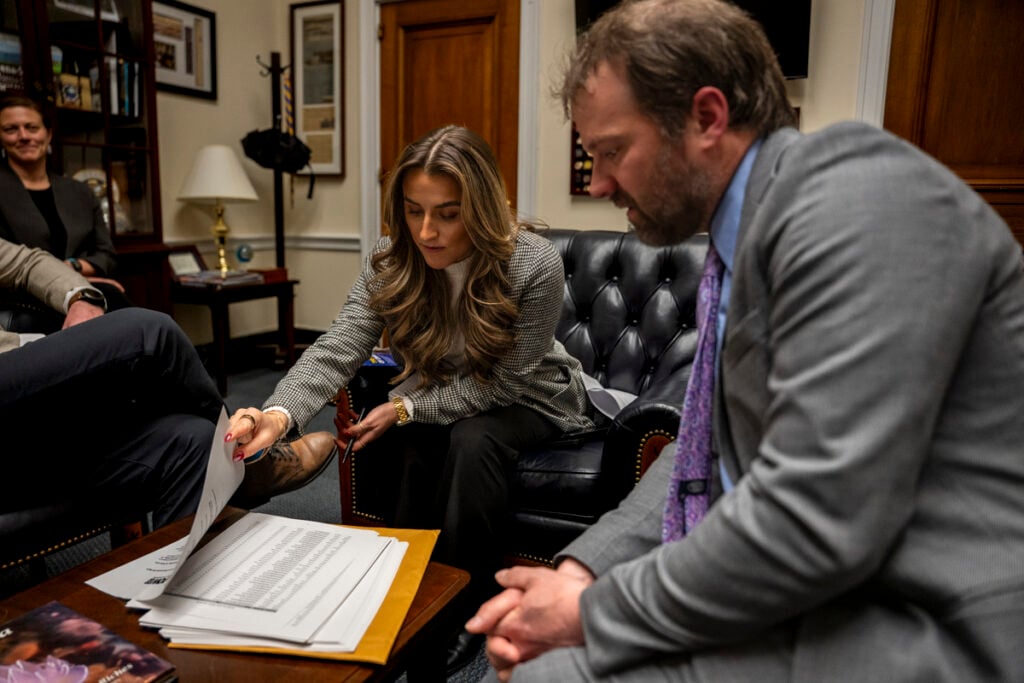
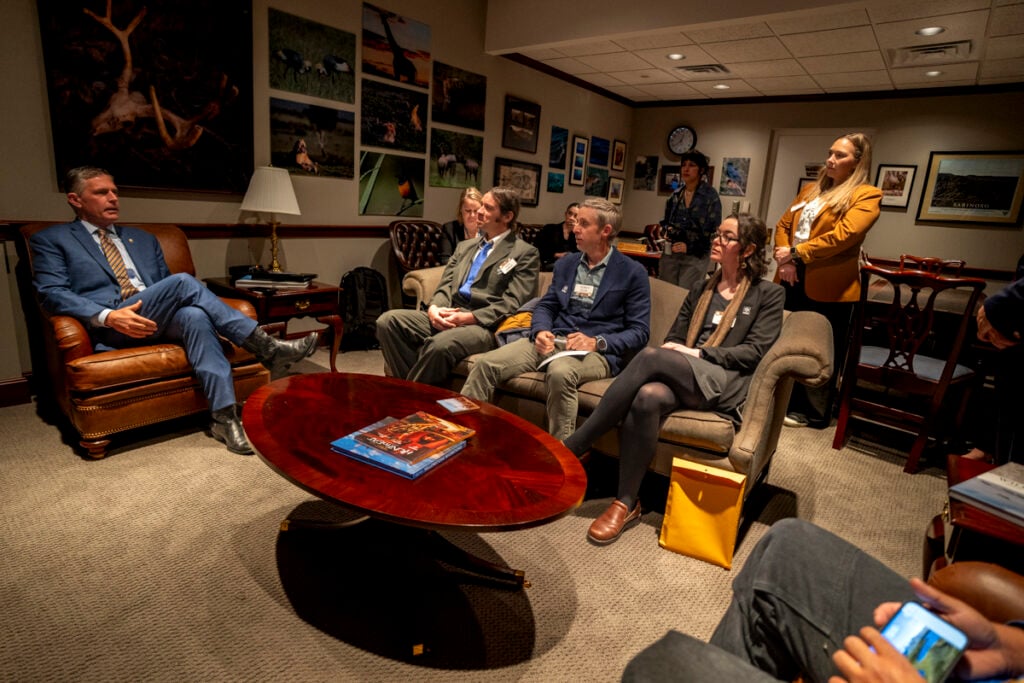
On the second day, the delegation moved to deliver the physical petition—6,000 signatures strong—directly to lawmakers’ desks. This physical representation of public sentiment was intended to provide "receipts" of the widespread demand for Arctic conservation. The coalition met with a range of representatives, including the office of Representative Jared Huffman and Senator Martin Heinrich. Notably, the group also sought meetings with offices that have traditionally supported oil and gas expansion, aiming to establish communication channels and present the economic risks associated with Arctic extraction.
Environmental and Economic Analysis of Arctic Drilling
A core component of the coalition’s message centered on the financial and ecological risks inherent in Arctic development. Data presented during the meetings underscored that the Arctic is warming at nearly four times the global average. The thawing of permafrost in the NPRA and ANWR poses a dual threat: it compromises the structural integrity of industrial infrastructure and releases massive amounts of sequestered carbon and methane into the atmosphere, further accelerating climate change.
From an economic perspective, the coalition argued that Arctic drilling is an increasingly "un-bankable" venture. In recent years, over two dozen major global banks—including the six largest U.S. banks—have announced policies to stop or strictly limit the financing of new oil and gas projects in the Arctic. These financial institutions cite the high reputational risk and the potential for "stranded assets" as the world transitions toward low-carbon energy. The petition delivered by POW emphasized that pursuing drilling in a region with such high overhead costs and environmental sensitivity is fiscally reckless in a shifting energy landscape.
Furthermore, the coalition highlighted the importance of the Porcupine Caribou herd, which relies on the Coastal Plain of the Arctic Refuge for calving. For the Gwich’in people, the protection of this herd is a matter of food security and cultural survival. The delegation included Indigenous voices to ensure that the human rights implications of land-use decisions were at the forefront of the legislative discussion.
The Energizing Our Communities Act (EOCA)
While much of the fly-in was defensive—pushing back against new leasing—the coalition also advanced a proactive legislative solution: the Energizing Our Communities Act (EOCA). This proposed legislation aims to facilitate the transition to clean energy by providing practical, bipartisan support for community-level energy resilience.
The EOCA is designed to address the "not in my backyard" (NIMBY) challenges that often stall renewable energy projects. It proposes a mechanism to ensure that local communities hosting new clean energy infrastructure, such as wind farms or high-voltage transmission lines, receive direct financial benefits and investments in local projects. By advocating for the EOCA, the coalition demonstrated that their platform is not solely focused on opposition to fossil fuels but also on the pragmatic implementation of a green energy grid. This dual approach resonated with several offices that are looking for ways to balance climate goals with economic benefits for their constituents.
Participant Perspectives and Official Statements
The impact of the fly-in was reflected in the statements of those who participated in the meetings. Tommy Caldwell noted the necessity of direct engagement, stating that policy is the primary lever for protecting public lands and addressing climate change. He emphasized that the trip provided a vital pathway for the outdoor community to exert influence in the rooms where legislative decisions are made.
Brennan Lagasse, a member of the POW Creative Alliance who has participated in multiple D.C. advocacy missions, observed that despite a challenging political climate, the presence of constituents hand-delivering petitions remains a powerful tool. He noted that even in a landscape characterized by momentum toward extraction, the coalition serves as a "vibrant counter-balance" that reminds lawmakers of their responsibility to protect shared national values and ecologically significant landscapes.
Ming Poon, another member of the Creative Alliance, highlighted the importance of establishing bipartisan communication. Poon noted that even in meetings with proponents of oil extraction, the coalition was able to establish common ground on certain economic realities and ensure that the voices of the 6,000 petition signers were acknowledged.
Broader Implications and the Path Toward 2026
The conclusion of the fly-in does not mark the end of the campaign but rather the transition into what POW describes as "Phase Two." With the Trump administration having signed the latest bills to facilitate Arctic drilling, the battle is expected to shift toward the judicial system and administrative oversight. Environmental organizations and Indigenous groups are likely to file legal challenges to any new lease sales, citing potential violations of environmental laws such as the National Environmental Policy Act (NEPA).
The coalition’s efforts in D.C. have laid the groundwork for sustained pressure throughout the 2025 and 2026 legislative sessions. By strengthening bipartisan relationships and clarifying the economic case for conservation, the advocates have positioned the "Outdoor State" as a permanent fixture in federal land-use debates.
The broader implication of this mobilization is the signal it sends to the private sector. By demonstrating a unified front of athletes, scientists, and citizens, the coalition reinforces the message to oil companies and financial institutions that Arctic development will continue to face intense public and legal scrutiny. As the global community moves closer to the 2030 climate benchmarks, the Arctic remains a symbolic and literal frontline in the struggle between industrial expansion and ecological preservation. The momentum generated by this D.C. visit is intended to carry through the upcoming year, ensuring that the protection of the Arctic Refuge remains a top-tier national priority.

