
Denver Water has announced an unprecedented move to transfer water from Antero Reservoir to Cheesman Reservoir as a critical drought response measure, aiming to conserve approximately 5,000 acre-feet of water that would otherwise be lost to evaporation. This strategic decision underscores the severity of the current drought conditions gripping Colorado, exacerbated by historically low snowpack and runoff levels observed across the state. The initiative highlights Denver Water’s proactive approach to water management in the face of an increasingly challenging climate.
The Strategic Imperative: Combating Evaporative Losses
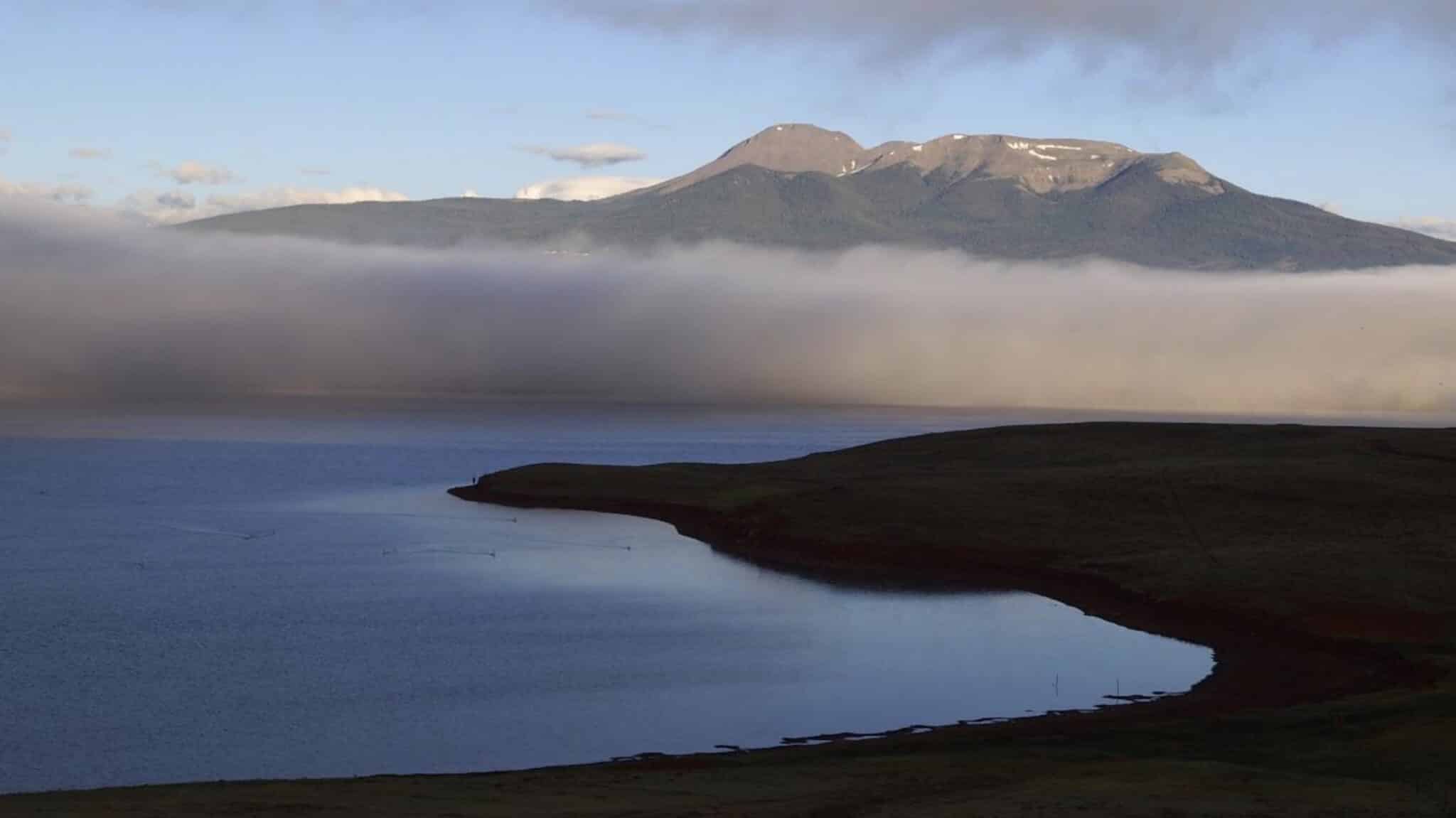
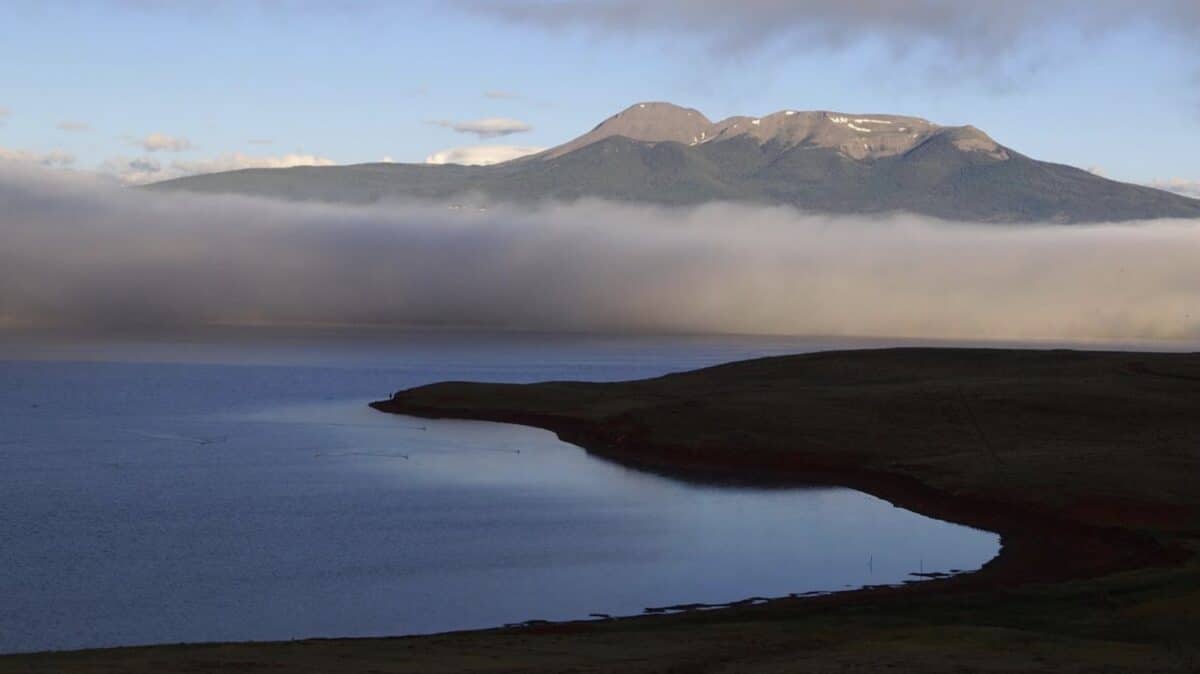
Antero Reservoir, a vital component of Denver Water’s extensive storage system, faces the highest evaporation-to-storage ratio among its facilities. This means that during prolonged dry periods, a disproportionately large amount of its stored water is lost to the atmosphere. In the context of a severe drought, where water is a precious and scarce resource, these evaporative losses become a significant concern. The decision to consolidate Antero’s water into Cheesman Reservoir is a calculated effort to mitigate these losses and maximize the utility of every available drop.
"A lot of forethought and planning went into our collection system and reservoirs," stated Nathan Elder, manager of water supply for Denver Water. "Antero is a drought reservoir, designed to provide water to our customers during a severe drought. Consolidating this water into Cheesman will help us make the most of the water we have." This sentiment from Elder emphasizes the reservoir’s specific role as a contingency during dry spells and the strategic value of this consolidation effort.
The 5,000 acre-feet slated for transfer represents roughly 25% of Antero Reservoir’s total storage capacity. To contextualize this figure, one acre-foot of water is sufficient to meet the annual water needs of three to four average households. Therefore, the amount of water being saved from evaporation is substantial, equivalent to the yearly water consumption of approximately 12,500 to 20,000 households. This conservation effort is crucial in ensuring a more resilient water supply for the Denver metropolitan area.
A Challenging Water Year: The Context of the Drought
The current water management strategy is a direct response to a critically poor water year for Colorado. The state experienced an abysmal snowpack accumulation during the preceding winter season, followed by a similarly disappointing runoff. This dual blow has left many of the state’s water sources operating at significantly below-normal levels. Unlike typical years where subsequent runoff seasons naturally replenish evaporative losses, the forecast for 2026 does not anticipate such recovery. This lack of replenishment amplifies the need for immediate conservation measures.
The South Platte River Basin, a primary source of water for Denver Water, is experiencing diminished flows. By transferring water from Antero to Cheesman, Denver Water gains greater flexibility to draw upon supplies within the South Platte Basin. This strategic shift helps alleviate pressure on water sources located west of the Continental Divide, which are also facing reduced availability. The interconnectedness of Colorado’s water infrastructure means that managing one system effectively can have positive ripple effects across others.
Timeline and Operational Changes
The transfer of water from Antero Reservoir is scheduled to commence in 2026. Prior to the reservoir being emptied, Denver Water is collaborating closely with Colorado Parks and Wildlife to undertake a comprehensive fish relocation effort. This ensures the ecological impact of draining the reservoir is minimized.
Following the fish relocation, the public will have a limited window to access Antero Reservoir for recreational purposes. Once this period concludes, the reservoir will be closed to all public access, including recreation and camping, for the remainder of 2026. The duration of this closure and the potential for Antero Reservoir to be refilled will be contingent upon future drought conditions and precipitation patterns.
Historical Precedents and Future Outlook
Antero Reservoir has a history of being managed under drought conditions. It was previously drained during the severe drought of 2002. More recently, it was emptied in 2015 for dam rehabilitation. In 2013, a planned drainage was narrowly averted due to the fortunate arrival of late-season snowstorms that provided much-needed relief to the water supply. These past events underscore the reservoir’s role as a flexible tool in Denver Water’s drought preparedness arsenal.
The decision to empty Antero in 2026 is a stark indicator of the persistent and intensifying drought challenges facing the region. The long-term viability of refilling Antero will depend on a sustained recovery of snowpack and runoff in subsequent years. This situation highlights the broader implications of climate change on water resource management and the increasing need for adaptive strategies.
Broader Implications for Water Management
This aggressive conservation measure by Denver Water serves as a case study for other water utilities operating in arid and semi-arid regions. The focus on minimizing evaporative losses from high-ratio reservoirs is a critical strategy in extending water supplies during prolonged dry periods. The initiative also underscores the importance of a diversified water portfolio, including a mix of surface water storage, groundwater, and water conservation programs.
The relocation of fish from Antero Reservoir before its drainage is a testament to the increasing awareness and integration of environmental considerations into water management practices. This collaborative effort with Colorado Parks and Wildlife demonstrates a commitment to mitigating the ecological footprint of essential water infrastructure operations.
The current situation also brings into sharper focus the need for ongoing investment in water infrastructure and the development of innovative water management techniques. As Colorado and other Western states grapple with increasing water scarcity, proactive measures like the one being undertaken by Denver Water will become increasingly commonplace. The ability to adapt and respond decisively to environmental challenges will be paramount in ensuring water security for future generations. The coming years will likely see a continued emphasis on water conservation, efficiency improvements, and the strategic reallocation of existing resources to meet the growing demands of a changing climate.

