
On March 18, the federal government officially opened the first of five mandated oil and gas lease sales in the National Petroleum Reserve-Alaska (NPR-A), a move that marks a significant milestone in the century-long history of the region. This auction, covering more than 5.5 million acres of the Western Arctic, represents a critical juncture in the ongoing debate over the use of public lands, the necessity of domestic energy production, and the preservation of one of the world’s last intact ecosystems. The sales are part of a broader federal mandate requiring periodic competitive leasing in the region, a policy that continues to spark intense legal and environmental scrutiny.
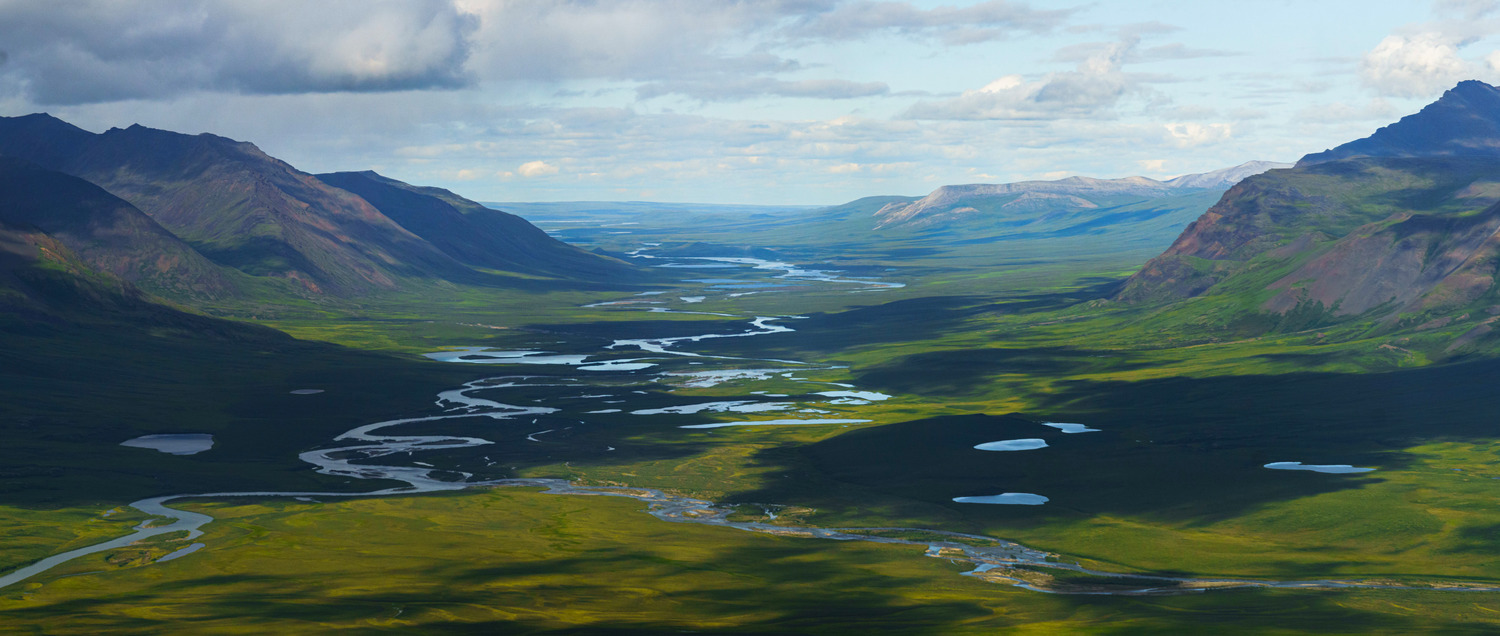
The NPR-A, located on Alaska’s North Slope, encompasses approximately 22.8 million acres, making it the largest single block of public land in the United States. Its current status as a focal point for energy development is rooted in early 20th-century military strategy, but its modern management is increasingly complicated by the accelerating effects of climate change and shifting national priorities regarding fossil fuel extraction.
Historical Context: From Naval Reserve to National Petroleum Reserve
The origins of the NPR-A date back to 1923, when President Warren G. Harding signed an executive order establishing "Naval Petroleum Reserve No. 4." At the time, the United States Navy was transitioning its fleet from coal to oil, and the discovery of oil seeps along the Arctic coast suggested a massive, untapped resource that could secure national interests. During this era, Alaska was viewed largely as a resource colony, and the North Slope was withdrawn from all other potential uses to ensure a dedicated military fuel supply.
The management of the land remained under the jurisdiction of the U.S. Navy for over five decades. However, in 1976, Congress passed the Naval Petroleum Reserves Production Act (NPRPA), which transferred administrative control to the Department of the Interior. While the act shifted the land to civilian oversight, it did not change the region’s fundamental identity as a resource reserve. The name was updated to the National Petroleum Reserve-Alaska (NPR-A), and the legislation specifically directed the Secretary of the Interior to conduct an "expeditious program of competitive leasing" for oil and gas.
This legislative history has created a "sticky" bureaucratic legacy. Because the land is legally designated as a petroleum reserve, proponents of development argue that the primary purpose of the territory is energy extraction. Conversely, conservationists point out that the 1976 Act also granted the Secretary the authority to protect "maximum environmental, fish and wildlife, and historical or scenic values" within the reserve, particularly in areas of "significant subsistence, recreational, fish and wildlife, or historical or scenic value."
The Scope of Current Development and Infrastructure
The recent opening of 5.5 million acres for leasing includes the Teshekpuk Lake wetlands, a region that has been at the center of conservation battles for decades. The current federal framework has mandated at least five such sales over a ten-year period, effectively locking in a long-term trajectory for industrial expansion in the Western Arctic.
Several major projects are currently converging on the North Slope, creating a cumulative impact that experts suggest will fundamentally alter the landscape:
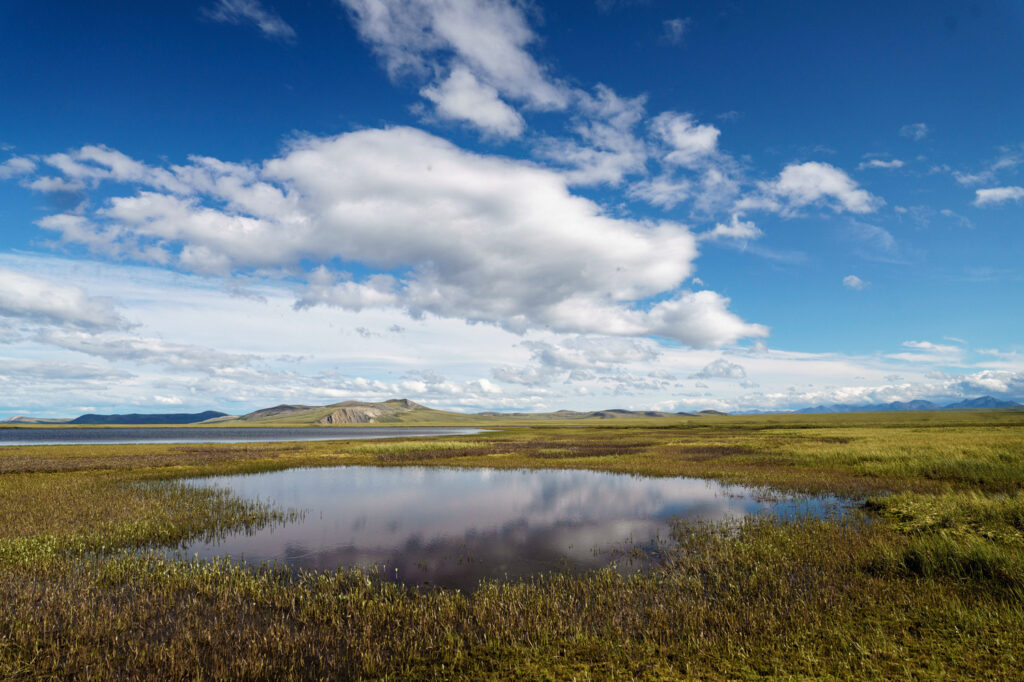
- The Willow Oil Project: Managed by ConocoPhillips, this $8 billion development is situated in the northeastern portion of the NPR-A. It is estimated to hold approximately 600 million to 750 million barrels of oil. At its peak, the project is expected to produce 180,000 barrels of oil per day, significantly boosting the throughput of the Trans-Alaska Pipeline System (TAPS).
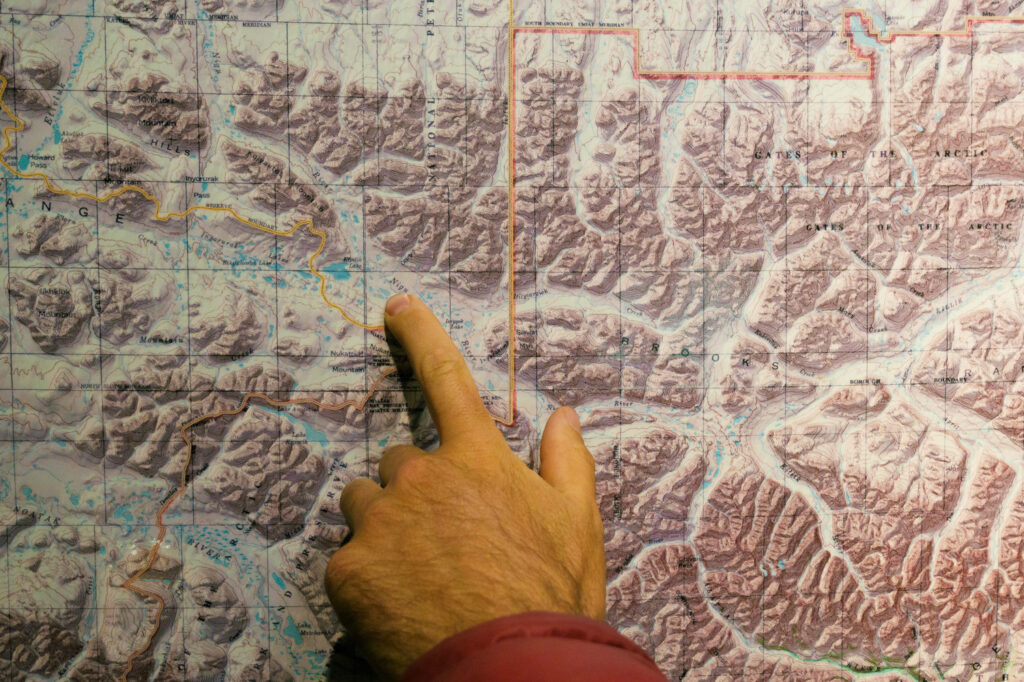
- The Ambler Road Project: This proposed 211-mile industrial access road would cut through the Brooks Range and the Gates of the Arctic National Park and Preserve to reach the Ambler Mining District. While primarily intended for mineral extraction, the road represents a major expansion of industrial infrastructure into previously roadless wilderness.
- State Land Sales: Concurrent with federal leasing, the State of Alaska is pursuing land sales along existing road corridors to address an anemic state budget that remains heavily dependent on oil revenues.
These projects are often evaluated in isolation by regulatory agencies, but collectively, they represent a massive shift toward the industrialization of the Arctic. The U.S. Geological Survey (USGS) estimates that the NPR-A may contain nearly 900 million barrels of technically recoverable conventional oil, representing a significant portion of the undiscovered oil remaining on federal lands.
Ecological Significance and Biodiversity Data
Despite its name, the NPR-A is recognized by biologists as one of the most productive and essential wetland ecosystems in the world. The region provides critical habitat for millions of migratory birds and several major caribou herds.
The Teshekpuk Lake area is the crown jewel of this ecosystem. It serves as the primary calving ground for the Teshekpuk Lake caribou herd, which consists of approximately 40,000 to 56,000 animals. For the Iñupiat people of the North Slope, this herd is a vital subsistence resource. Furthermore, the lake is the single most important molting habitat in the Arctic for migratory waterfowl.
Key biological data points include:
- Avian Migration: An estimated 5.4 million aquatic birds migrate to the NPR-A each season. These birds travel from six different continents and all 50 U.S. states to nest and breed in the tundra.
- Species Diversity: The reserve supports dozens of species, including the Yellow-billed Loon, Spectacled Eider, and Steller’s Eider, the latter two of which are listed as threatened under the Endangered Species Act.
- Intact Ecosystems: Unlike the contiguous United States, where wildness is often confined to fragmented parks, the Arctic remains a vast, connected landscape. The 22-million-acre block allows for large-scale migrations that are no longer possible in most other parts of the world.
Economic and Climate Implications
The push for Arctic drilling comes at a time when the region is warming at a rate three to five times faster than the global average. This rapid warming is melting permafrost, altering migration patterns, and threatening the stability of the very infrastructure required to extract oil.
From an economic perspective, Arctic oil is among the most expensive fossil fuels to produce. The harsh environment, lack of existing infrastructure, and the need for specialized technology drive up the "breakeven" price per barrel. Critics of the lease sales argue that Arctic development requires significant public subsidies and that a dollar of public money spent on guaranteeing the economics of Arctic drilling is a dollar diverted from the transition to renewable energy.
Furthermore, the long-term viability of these projects is subject to political and financial uncertainty. Oil companies typically operate on 30-year capital horizons. Changes in federal administration, evolving environmental regulations, and the global shift toward decarbonization create a volatile investment environment. Financial analysts suggest that the "uncertainty of a political future" is increasingly factored into the risk assessments of major energy firms considering Arctic ventures.
Reactions from Stakeholders
The reaction to the lease sales has been sharply divided along economic and environmental lines.
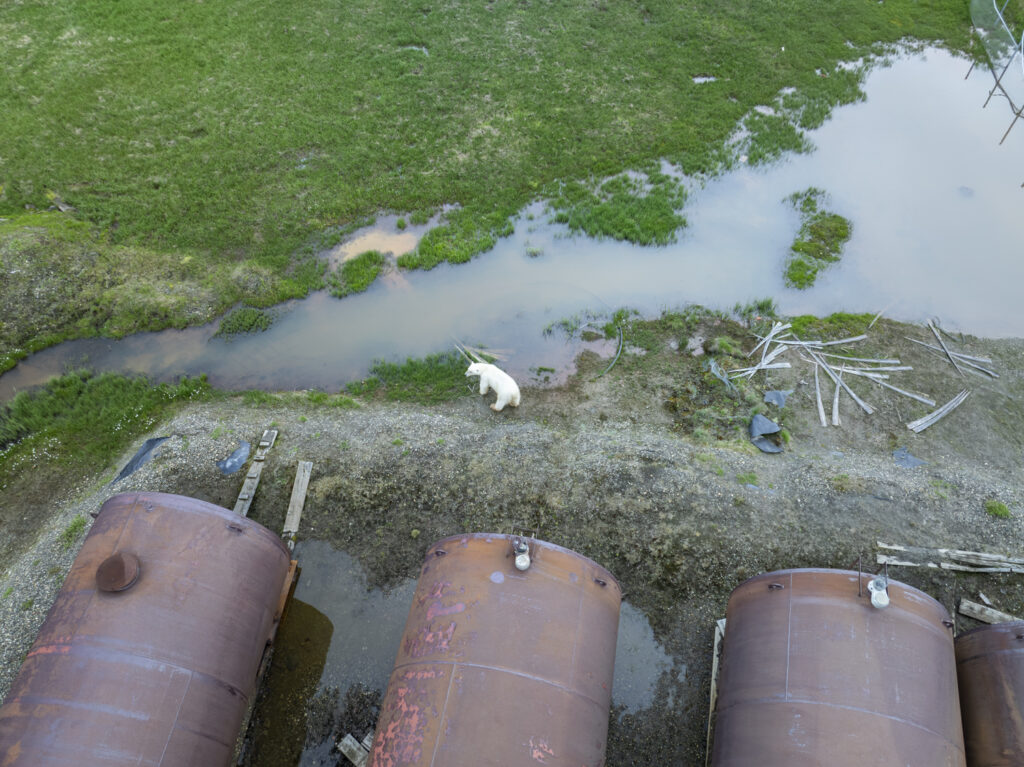
- State of Alaska and Industry Proponents: Alaska state officials generally support the expansion of leasing, citing the need to fill the Trans-Alaska Pipeline and generate revenue for state services. Pro-development groups argue that the NPR-A was specifically created for this purpose and that modern technology allows for "surgical" drilling that minimizes the surface footprint.
- Environmental and Conservation Groups: Organizations such as Protect Our Winters (POW) and the Sierra Club have condemned the sales, arguing that opening the Teshekpuk Lake wetlands is an ecological disaster. They emphasize that the "petroleum reserve" name is an antiquated military designation that fails to reflect the modern value of the land as a carbon sink and biodiversity stronghold.
- Indigenous Communities: Perspectives among Alaska Native communities are nuanced. Some North Slope leaders support development for the jobs and tax revenue it brings to local boroughs, which fund schools and infrastructure. Others, particularly subsistence hunters, express deep concern that increased industrial activity will deflect caribou migration routes and contaminate water sources.
Analysis: The Conflict of Naming and Policy
The central conflict of the NPR-A lies in the discrepancy between its legal name and its geographic reality. The "Petroleum Reserve" designation acts as a legal scaffolding that simplifies complex ecological decisions into a binary of "to drill or not to drill."
As the federal government proceeds with the mandated lease sales, the debate is moving beyond simple conservation. It has become a test case for whether a society can exercise restraint in the face of a "last chance" ecosystem. The resilience of the Arctic landscape depends on its wholeness; piece-by-piece development through road segments and lease blocks threatens to fragment the territory in a way that mirrors the development of the lower 48 states.
While the legal machinery for these five lease sales is currently set in federal law, the future of the Western Arctic remains a subject of intense public and political contestation. The outcome of these sales and the subsequent development phases will determine whether the NPR-A remains a "reserve" in the industrial sense or if its value as a global ecological sanctuary will eventually supersede its 1923 military designation. In the coming decade, the decisions made in the North Slope will serve as a definitive statement on the United States’ priorities regarding energy independence and the global climate crisis.

