
As the ski season draws to a close, the focus for dedicated winter sports enthusiasts shifts from immediate slope performance to long-term preparedness. The off-season presents a critical window for athletes to enhance their physical conditioning, with a particular emphasis on stability training. This proactive approach is crucial for injury prevention and optimizing on-slope performance for the following year. Recognizing this need, certified personal trainer and former ski racer Alecia Williams, founder of WILDR Fitness, has developed a targeted six-exercise regimen designed to fortify skiers against common mountain hazards and elevate their technical proficiency.
The program, detailed in a recent feature by Unofficial Networks, is not merely a collection of movements but a comprehensive strategy aimed at building the core strength, balance, and proprioception essential for navigating varied terrain and dynamic conditions. Williams’s expertise, stemming from both her athletic background and professional certification through the Canadian Society for Exercise Physiology, lends significant credibility to the recommended exercises. Her approach underscores the principle that consistent, focused training during the off-season directly translates to improved safety and enjoyment when the snow begins to fall again.
The WILDR Fitness Stability Program: A Deep Dive
Alecia Williams’s six-exercise protocol targets key areas of the body crucial for skiing. These exercises are designed to address imbalances, improve reactive strength, and enhance the body’s ability to absorb and dissipate forces encountered on the mountain.
- Wall Lean with Leg Lift: This exercise is foundational for developing hip stability and glute activation, muscles critical for maintaining balance and controlling leg movements during turns. By engaging the core and glutes while balancing on one leg against a wall for support, skiers can build the endurance and strength needed to support their weight through dynamic movements.
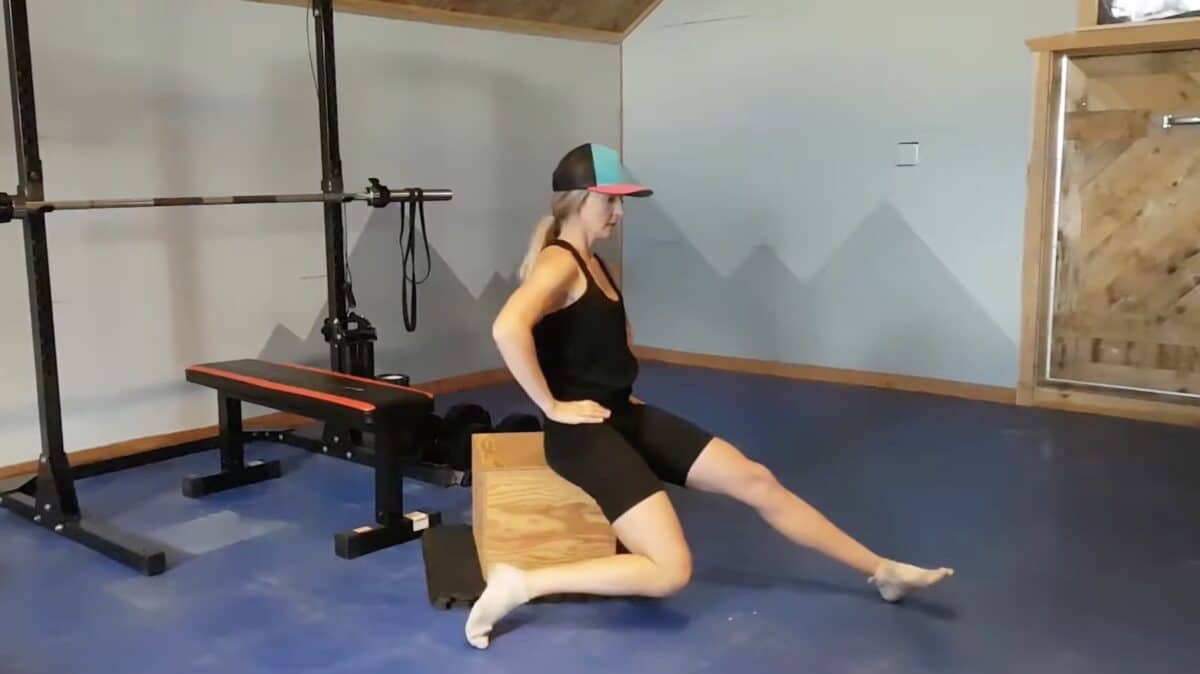
- Cossack Squat into Seated Internal Rotation: This compound movement addresses mobility and strength in the hips and ankles. The Cossack squat, a deep lateral lunge, improves range of motion and eccentric strength in the adductors and hamstrings, while the subsequent seated internal rotation challenges the hip joint’s ability to control rotation under load, mimicking the forces experienced during edge changes.
- Jump to Lateral Pause: This plyometric exercise enhances reactive strength and the ability to stabilize quickly after a dynamic motion. Athletes perform a vertical jump and then land softly in a controlled lateral stance, holding the position momentarily. This trains the neuromuscular system to respond rapidly to unexpected shifts in balance and absorb impact, a vital skill for maintaining control during moguls or uneven snow.
- Anti-rotational Walking Lunges: Lunges are a staple for lower body strength, but the anti-rotational component adds a significant core challenge. As the skier steps forward into a lunge, they must actively resist rotational forces through their torso, engaging the obliques and deep abdominal muscles. This directly translates to better control during powerful carving turns and helps prevent the torso from unwinding independently of the legs.
- Squat to Top Hold: This exercise focuses on building isometric strength and endurance in the squatting position, a fundamental posture in skiing. Performing a controlled squat and holding the bottom position for a specified duration strengthens the quadriceps, hamstrings, and glutes while also challenging the core to maintain stability under sustained load.
- Drop Landings: This advanced exercise simulates the impact of landing after small jumps or uneven terrain. Athletes step off a stable elevated surface and land softly in a controlled athletic stance, emphasizing shock absorption through the ankles, knees, and hips. This trains the body to manage high impact forces efficiently, a common occurrence in skiing.
Injury Prevention: A Crucial Component
A significant aspect of Williams’s program is its emphasis on injury prevention, particularly concerning the anterior cruciate ligament (ACL). The article notes that two of the six exercises have been specifically linked to a reduced risk of ACL injury, one of the most prevalent and debilitating injuries in skiing. ACL tears often occur during forceful, non-contact events, such as sudden stops, changes in direction, or landing awkwardly. Exercises that enhance knee stability, control rotational forces, and improve landing mechanics are therefore paramount in mitigating this risk.
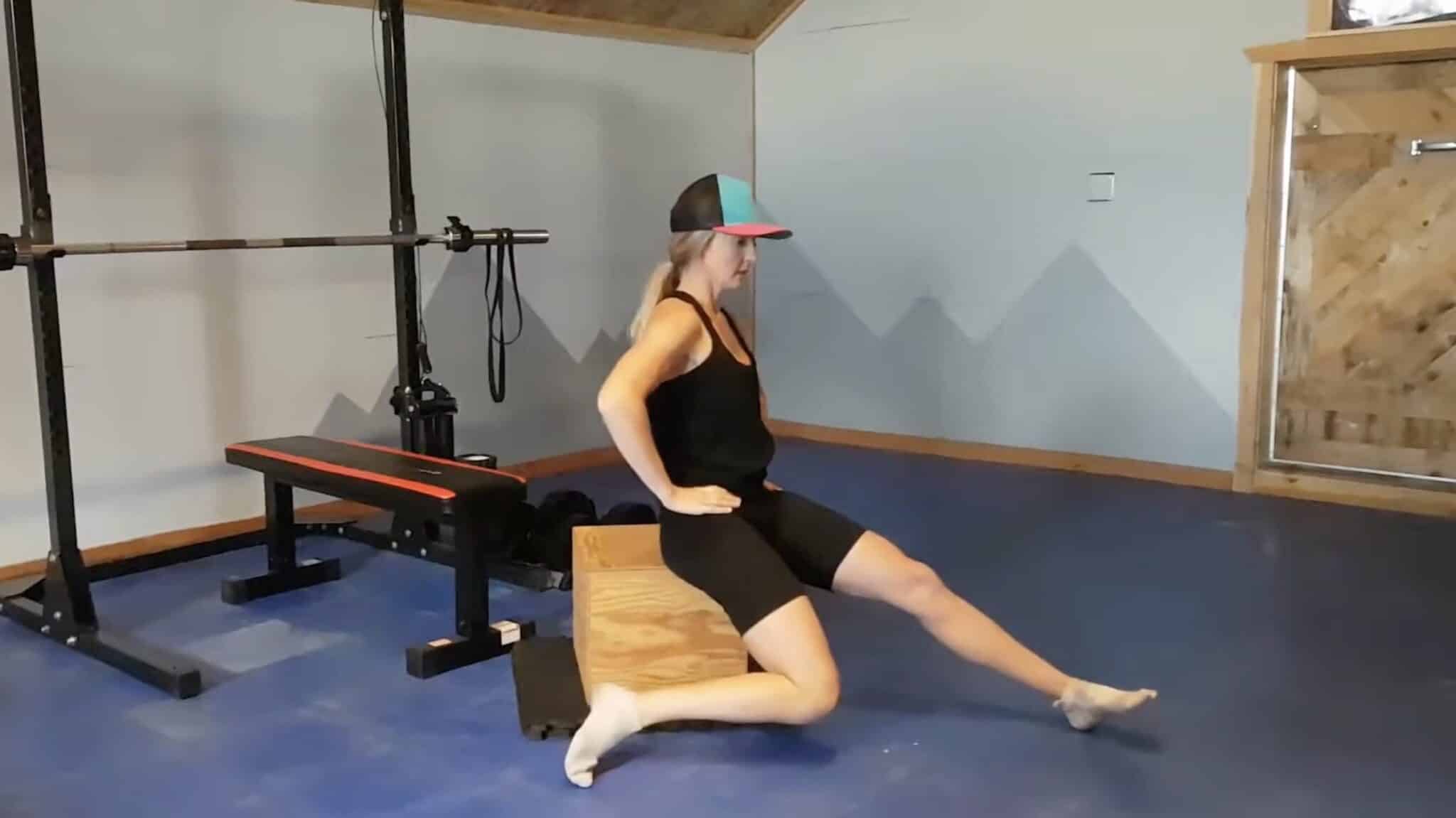
The inclusion of movements like the anti-rotational walking lunges and drop landings directly addresses the biomechanical factors contributing to ACL injuries. By training the body to resist unwanted rotation and absorb impact effectively, skiers can build resilience against the forces that often lead to this type of trauma. Data from sports medicine studies consistently highlights the effectiveness of targeted strength and stability training in reducing the incidence of knee injuries in athletes across various disciplines, including skiing. For example, research published in journals such as the American Journal of Sports Medicine has demonstrated that comprehensive neuromuscular training programs, incorporating balance, agility, and strength components, can significantly lower the risk of ACL tears in female athletes, a demographic often found to be at higher risk. While specific studies directly linking these exact six exercises to ACL reduction might be emerging, the principles they embody—rotational control, landing mechanics, and proprioception—are well-established protective measures.
Programming and Application
Williams recommends performing 10 or more repetitions per set, with a rest period that is equal to or shorter than the time taken to complete the set. This approach promotes muscular endurance and metabolic conditioning, further enhancing the functional preparedness of the skier. The flexibility of stability training is another key advantage. Unlike high-impact cardiovascular training or heavy strength lifting, which might be better suited for specific phases of the off-season, stability work can be integrated year-round. It serves not only as a standalone conditioning tool but also as an effective warm-up routine before a day on the slopes. This consistent engagement ensures that the neuromuscular pathways are continually reinforced, making them readily accessible when needed on the mountain.
The Broader Impact of Off-Season Training
The importance of dedicated off-season conditioning for skiers cannot be overstated. The physical demands of skiing are unique, requiring a combination of explosive power for bursts of speed, endurance for long descents, and exceptional stability to maintain control on unpredictable surfaces. Without proper preparation, skiers are more susceptible to fatigue, which can lead to decreased performance, increased risk of falls, and ultimately, injury.
Historically, many skiers relied on general fitness routines. However, the evolution of sports science has underscored the need for sport-specific training. Stability exercises, in particular, address the intricate balance and proprioceptive demands of skiing, where the body is constantly making micro-adjustments to maintain equilibrium. A stable core and strong, responsive lower body are the bedrock upon which advanced skiing techniques are built.
The availability of expert-led programs, such as the one developed by Alecia Williams, democratizes access to effective training methodologies. Previously, such specialized advice might have been exclusive to elite athletes. Now, with resources like online content and fitness platforms, recreational skiers can leverage the same principles to enhance their safety and enjoyment.
Future Implications and Recommendations
As the ski industry continues to grow, so too does the emphasis on athlete well-being and performance enhancement. Programs like WILDR Fitness’s stability routine are indicative of a trend towards more scientific and holistic approaches to ski training. For skiers looking to maximize their preparation for the next season, incorporating such targeted exercises is a strategic investment in their physical capital.
Further research could explore the long-term efficacy of this specific six-exercise program across diverse skiing populations, potentially yielding more precise data on injury reduction rates and performance improvements. However, based on established principles of biomechanics and sports conditioning, the foundational benefits of these exercises are clear. They offer a pathway to a more robust, resilient, and confident skiing experience, ensuring that the thrill of the mountain is matched by the skier’s ability to meet its challenges safely and effectively. The off-season, therefore, is not a period of rest but an opportunity for strategic growth, and stability training stands as a cornerstone of that preparation.

