
The 2025/2026 European ski season has entered its final phase, characterized by a stark contrast between the closure of lower-altitude traditional villages and the continued operation of high-altitude glacial hubs. Following a period of significant snowfall in early April, mountain conditions across the Alps are currently reported to be among the best for late-season skiing in recent history. While many iconic resorts officially ceased operations during the weekend of April 11–12, a select group of resilient destinations in France, Austria, Switzerland, and Norway are preparing to host skiers well into May, and in some cases, through the summer months.
The meteorological patterns observed during the latter half of the season provided a necessary boost to the snowpack at elevations above 2,000 meters. This late-season "fresh snow" has mitigated some of the concerns raised earlier in the year regarding erratic winter temperatures. However, the operational reality of the industry means that despite the abundance of snow, the majority of the Alpine lift network has begun its scheduled seasonal shutdown, marking the end of the primary winter tourism window.
The Mid-April Wave of Closures
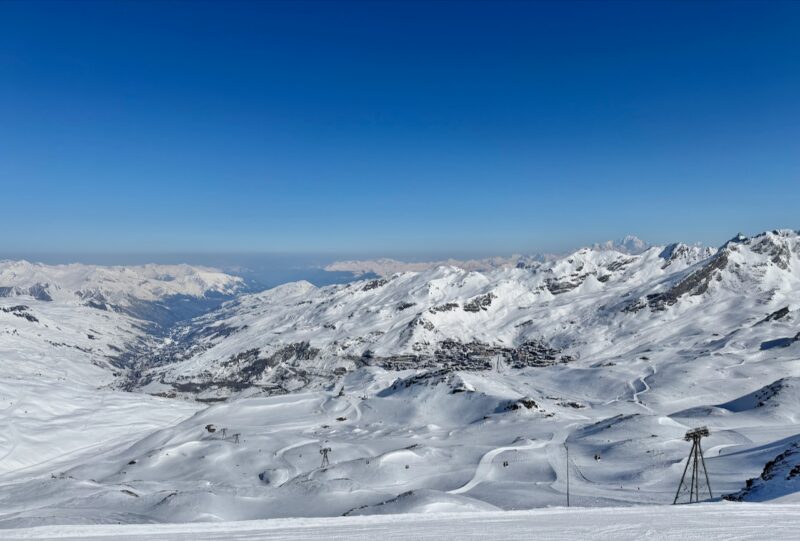
The weekend of April 11–12, 2026, served as a definitive turning point for the European ski industry. In France, the massive Les3Vallées domain—the largest interconnected ski area in the world—saw the majority of its sectors close. Resorts such as Courchevel, Méribel, and Les Menuires ended their winter operations, though the highest point of the network, Val Thorens, remains a notable exception. Elsewhere in the French Alps, the curtains fell on several major destinations including Alpe d’Huez, Avoriaz, Flaine, and Serre Chevalier. These closures are typically driven by pre-arranged labor contracts and local government regulations rather than a lack of skiable terrain, as many of these resorts currently report snow depths that would normally support several more weeks of activity.
In Austria, the Arlberg region saw the closure of its premier destinations, St Anton and Lech, alongside Gurgl in the Ötztal Valley. These resorts are often the first to close among the high-altitude Austrian centers to allow for maintenance and the transition to summer hiking and biking infrastructure. Switzerland followed a similar trajectory, with major lift systems in Saas-Fee, Arosa-Lenzerheide, and Andermatt-Sedrun halting service. In Italy, the Monterosa region saw significant reductions in capacity, with Champoluc being among the prominent resorts to conclude its seasonal run.
Extended Opportunities and Late-April Operations
For enthusiasts seeking to capitalize on the lingering snowpack, the window of opportunity remains open through the end of April. A secondary wave of closures is scheduled for Sunday, April 26. In the French Savoie region, the Paradiski area remains partially active, with Les Arcs and La Plagne maintaining operations for another week. In Switzerland, Verbier continues to offer access to its high-altitude terrain until the same date.
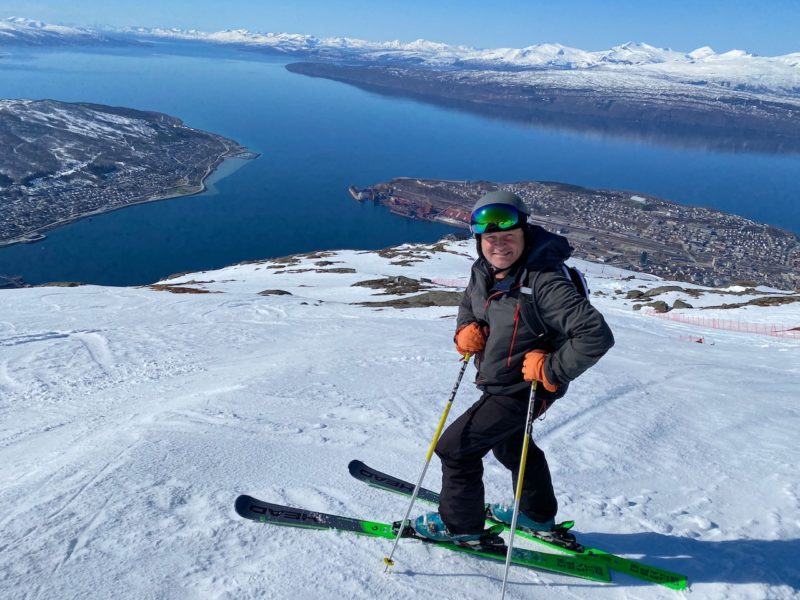
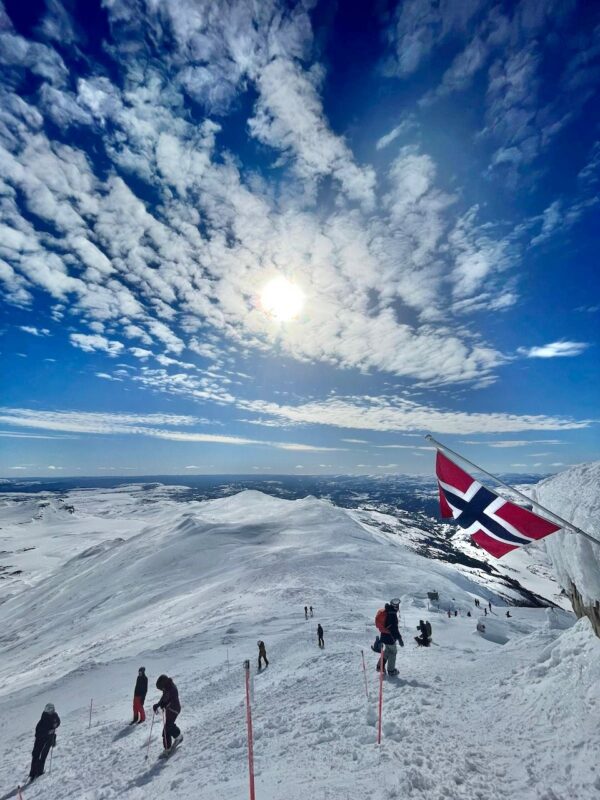
The Nordic region is also emerging as a primary destination for late-season skiing. Norway, which often benefits from a colder climate and longer-lasting daylight during the spring, remains a viable alternative to the melting slopes of Central Europe. Trysil and Narvik are both scheduled to maintain their lift operations until April 26. Recent reports from Gausta, Norway, indicate that the northern latitudes are enjoying stable snow conditions, attracting skiers who prefer the quieter, more scenic environment of the Scandinavian mountains over the bustling Alpine spring festivals.
The May Transition and Glacial Resilience
The first weekend of May traditionally marks the definitive end of the "main" European ski season. On Sunday, May 3, a significant number of high-altitude stalwarts will close their doors. This list includes Tignes and Argentière in France, Cervinia in Italy, Engelberg in Switzerland, and the Austrian powerhouses of Ischgl and Pitztal. Val Thorens, having outlasted its neighbors in the Three Valleys, will also conclude its winter operations on this date.
However, the conclusion of the winter season does not signal the end of skiing in the Alps. The focus instead shifts to glacier skiing, where elevation provides a natural defense against rising spring temperatures. Austria leads the way in this sector with several glacier resorts remaining open deep into the spring:
- Stubai Glacier: Scheduled to remain open until May 17.
- Kaunertal and Kitzsteinhorn: Both are slated to continue operations until May 25.
- Mölltal Glacier: Dates remain to be confirmed based on snow thickness and weather stability.
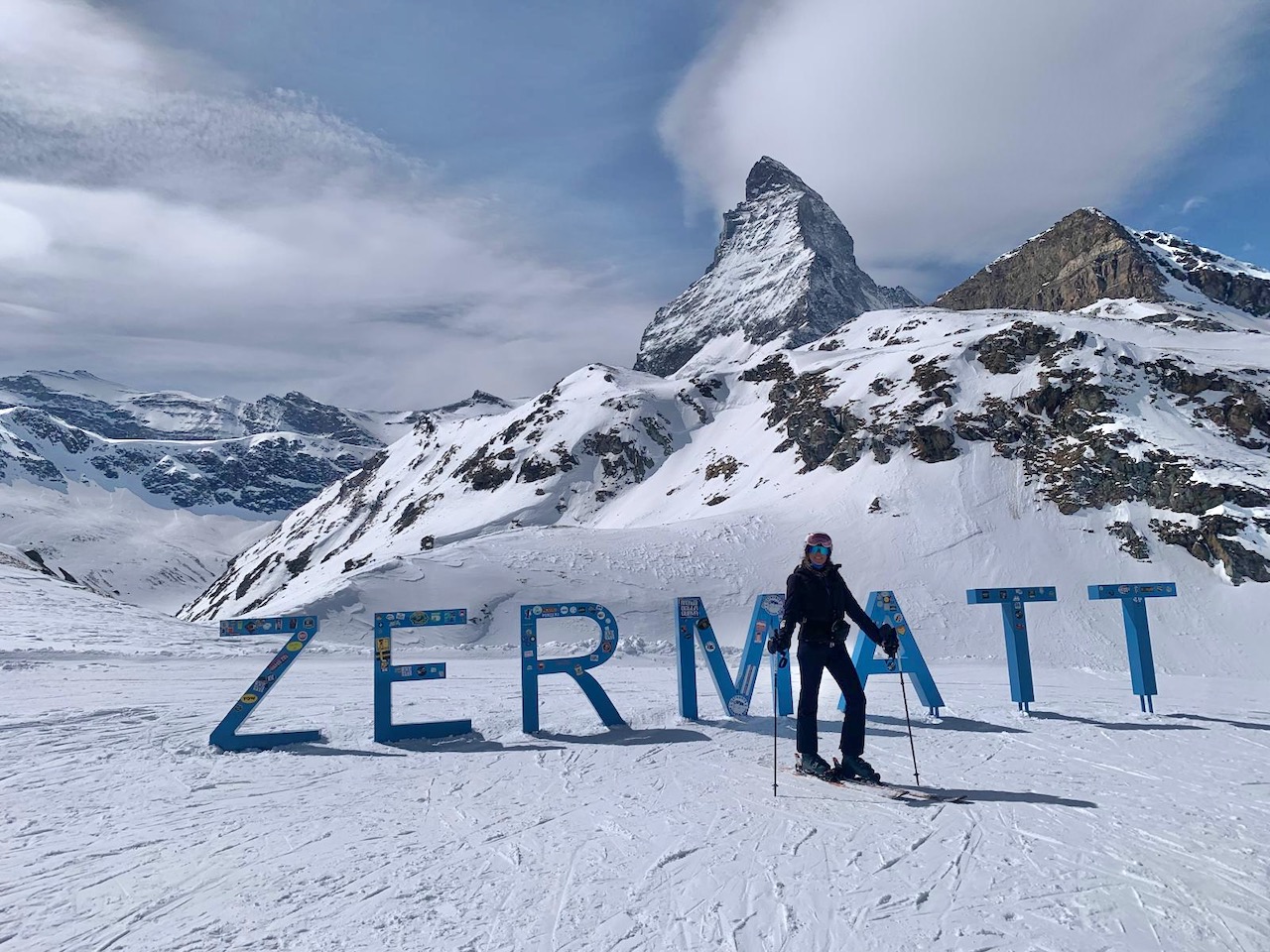
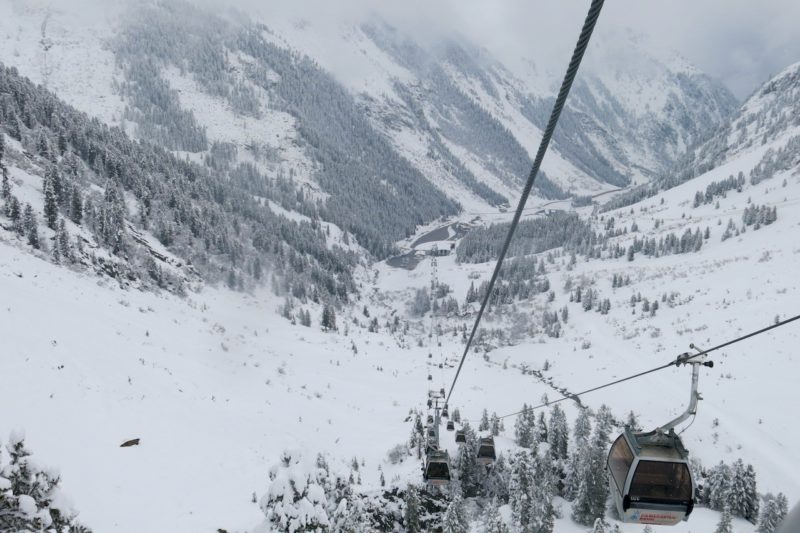
The Stubai Glacier, located near Innsbruck, has historically been a reliable site for late-May powder days. Its proximity to high peaks often results in localized weather systems that can drop fresh snow even when the valley floor is experiencing early summer conditions. Furthermore, Hintertux in Austria and Zermatt in Switzerland maintain their status as year-round destinations, offering skiing throughout the summer months, weather permitting.
The Evolution of the "Spring Season" in Les 2 Alpes
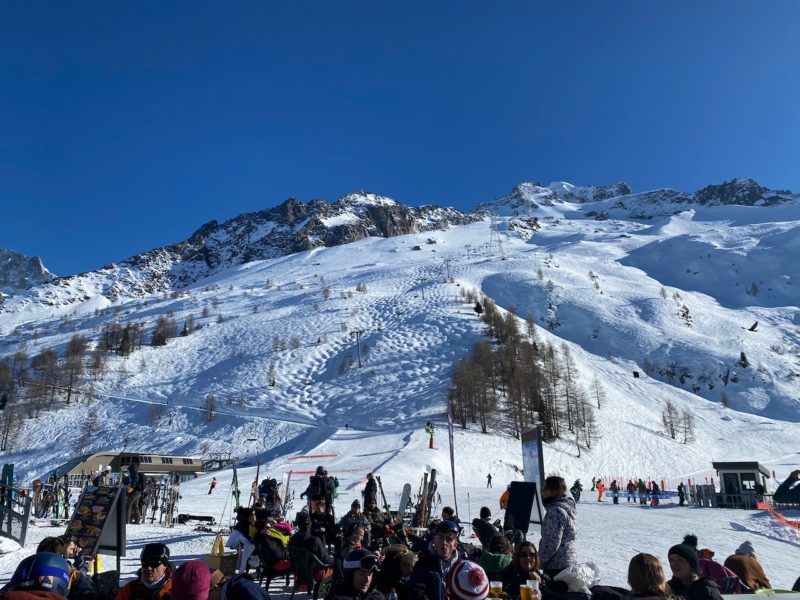
A notable shift in operational strategy has been observed at Les 2 Alpes in France. Historically a bastion of summer skiing, the resort has adjusted its calendar to better align with changing climate realities and tourist demand. The traditional winter season at Les 2 Alpes will conclude on May 3, but the resort will immediately pivot to its "Spring Season" on Monday, May 4. This period is designed to cater to freestyle skiers and race teams, utilizing the high-altitude glacier terrain until July 5. This model of splitting the season allows the resort to manage its snow assets more effectively, preserving the glacier ice during the hottest parts of the year while providing a high-quality product during the late spring.
Cultural Integration: The Tignes Unlimited Festival
To bolster tourism during the final weeks of the season, several resorts have integrated cultural and musical events into their calendars. The most prominent event of 2026 is the second edition of the Tignes Unlimited Festival, running from April 25 to May 3. As the winter season reaches its climax, Tignes is leveraging the appeal of electronic dance music (EDM) to attract a younger demographic.
The festival features stages distributed across the resort and on the slopes, including a high-altitude stage at Toviére, situated at 2,704 meters. The lineup for the 2026 edition includes internationally recognized artists such as Purple Disco Machine, Moblack, and Agents Of Time. By combining world-class skiing with open-air concerts and DJ sets, Tignes aims to create a "festival destination" atmosphere that offsets the natural decline in skier numbers typically seen in late April.
Analysis of the 2026 Season and Future Outlook
The 2025/2026 season highlights a growing trend in the ski industry: the polarization of resorts based on altitude. Destinations with significant terrain above 2,500 meters are increasingly seen as the only "safe" bets for late-season bookings. The economic implications are significant; while lower-altitude resorts face shorter seasons and higher costs for artificial snow production, high-altitude hubs like Val Thorens, Tignes, and Zermatt are able to extend their revenue-generating windows.

Industry analysts suggest that this trend will continue to dictate investment strategies. Resorts are increasingly focusing on fast, high-capacity lifts that can transport skiers to higher elevations quickly, as well as diversifying their offerings with events like the Tignes Unlimited Festival to ensure viability even if snow conditions are sub-optimal at the base level.
For travelers, the advice remains consistent: flexibility is paramount. While the 2026 season has ended with a strong snowpack, spring weather is notoriously volatile. Sudden warm spells can lead to rapid snowmelt, while late-season storms can create high avalanche risks. Prospective skiers are encouraged to monitor local resort reports daily and prioritize destinations with glacial access or north-facing slopes, which retain snow quality for longer periods.
As the industry moves toward the summer of 2026, the focus will turn to glacier conservation and the preparation of summer infrastructure. For now, the "best end to a ski season in years" remains a reality for those willing to travel to the highest peaks of Europe and the rugged landscapes of Norway. The 2026 season has proven that despite broader climate challenges, the combination of high-altitude geography and strategic seasonal management can still provide a robust winter sports experience well into the spring.

