
April 16th, 2026, Last Modified: April 20th, 2026
The winter of 2025-2026 has proven to be a stark disappointment for ski resorts across the US Rockies, with many forced to shutter their operations significantly earlier than usual due to an unprecedented lack of snowfall. While a recent influx of late-season snow has provided a welcome, albeit insufficient, boost to conditions, it has arrived too late to salvage the season for numerous destinations. This situation has led to a premature end for many, leaving skiers and resort operators alike reflecting on one of the poorest winters on record in the region.
Early Closures Signal a Season of Scarcity
The economic and recreational impact of the meager snowfall has been substantial. In Utah, the renowned luxury resort Deer Valley announced its closure three weeks ahead of its typical schedule, a move echoed by Snowbasin, which shut its lifts a full month earlier than anticipated. These decisions underscore the severity of the snow deficit, forcing operators to make difficult choices regarding operational viability. The research compiled by SnowBrains, a leading authority on ski resort data in the Western United States, highlights the widespread nature of these early closures. Their findings indicate that only a handful of resorts across the West managed to extend their seasons into late April or beyond.
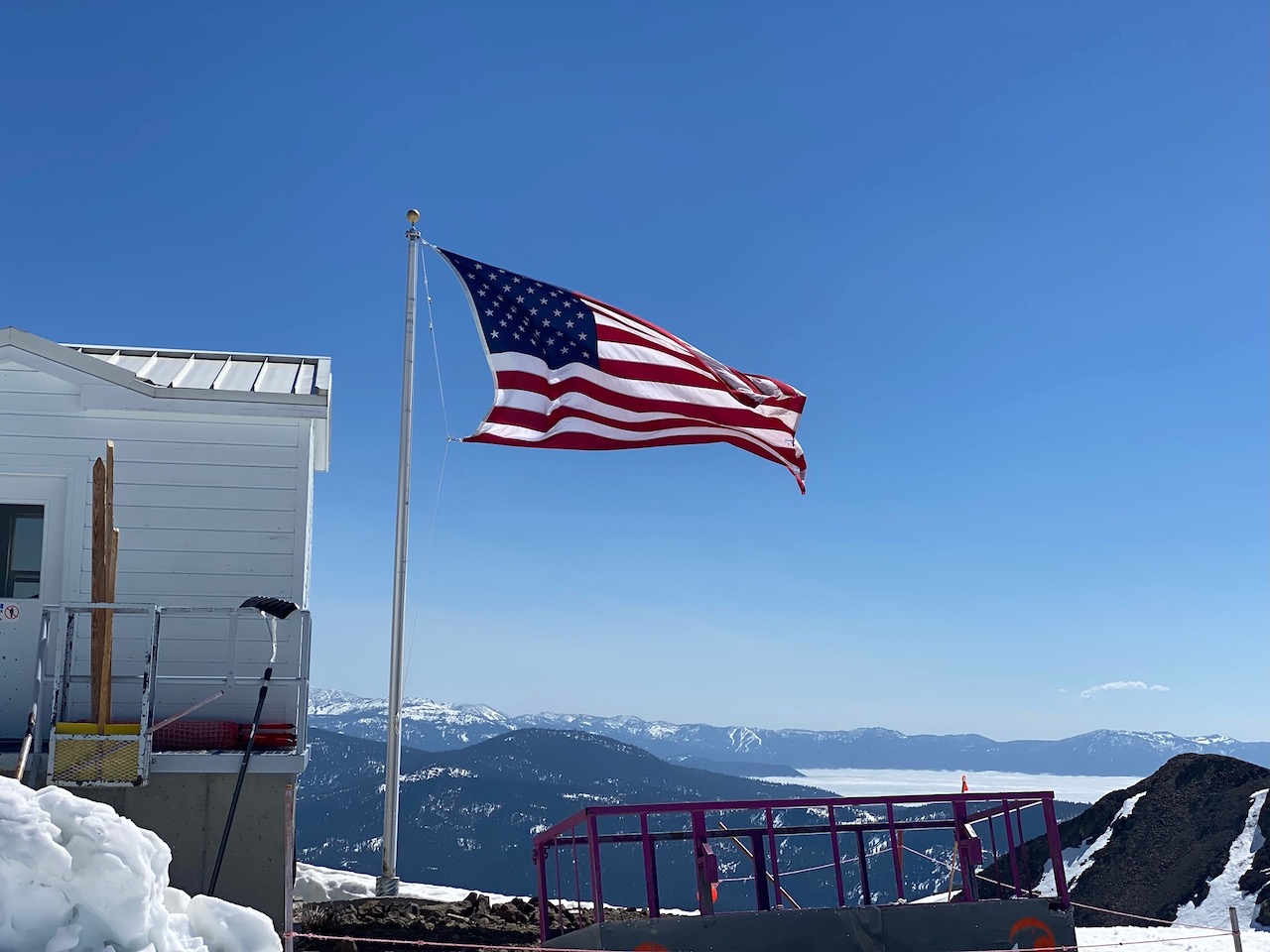
Colorado, a state synonymous with world-class skiing, has been particularly hard-hit. Aspen’s Buttermilk and Highlands resorts both experienced premature closures, much to the dismay of their clientele. The iconic Aspen ski area and Winter Park, another popular destination, ceased operations on April 19th, marking an early conclusion to their seasons. The Colorado Climate Center has officially declared this winter the "worst year for the Colorado snowpack in recorded history," a somber testament to the extreme conditions. This declaration is based on comprehensive analysis of snow depth measurements, water content in the snowpack ( conocido as Snow Water Equivalent or SWE), and historical snowfall records dating back decades. The implications of such a declaration extend far beyond the ski industry, as will be discussed later in this report.
Meteorologist Cory Reppenhagen of 9NEWS provided an in-depth report from Copper Mountain, Colorado, detailing how the resort managed to remain open despite facing its worst snow season in four decades. His analysis, captured in a recent broadcast, shed light on the operational strategies employed to extend the season, even with significantly reduced snow depths. While this particular season has been exceptionally poor, it is not entirely without precedent. Historical data reveals that Colorado ski areas have weathered challenging winters in the past, demonstrating a resilience that has allowed them to adapt and recover.
California Experiences a Late Flourish
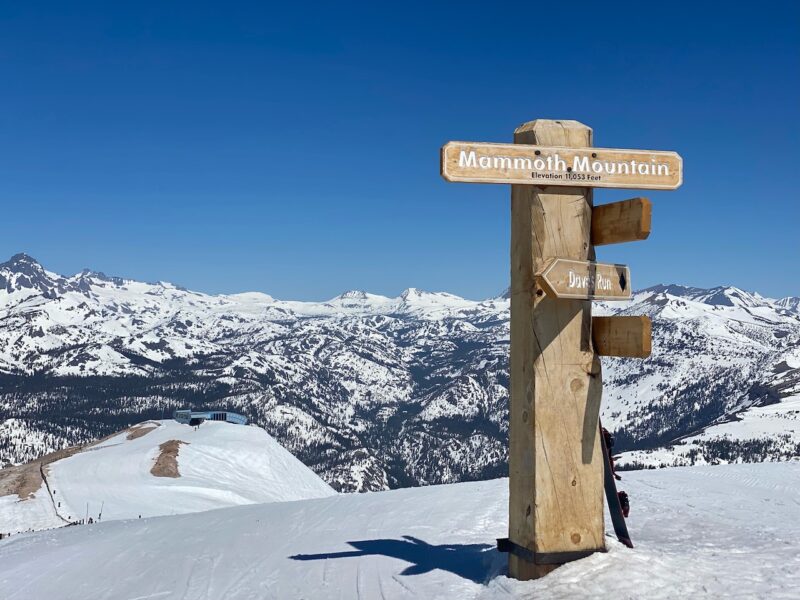
In stark contrast to the dire situation in the Rockies, California has experienced a more favorable turn of events in its late ski season. While the early part of the winter was also challenging, a recent surge in snowfall has significantly improved conditions. Kirkwood, a resort known for its challenging terrain and abundant snowfall, closed on April 19th, reportedly offering excellent snow conditions despite the preceding scarcity. Mt Rose is also concluding its season this weekend, while Palisades Tahoe is aiming to keep its lifts spinning until late April. Mammoth Mountain, a titan of California skiing, has announced its intention to remain open until at least Memorial Day, May 25th, a testament to the late-season snow bounty it has received. This extended season in California provides a much-needed positive narrative amidst the broader regional challenges.
The Broader Implications: Water Supply Concerns
Beyond the immediate impact on the ski industry, the severe lack of snowfall in the US Rockies has profound implications for the region’s vital water supply. The snowpack is a critical natural reservoir, storing precipitation throughout the winter and releasing it gradually during the spring and summer months through snowmelt. This meltwater is essential for agriculture, municipal water systems, and maintaining ecological health across vast arid and semi-arid regions.
Even the recent, modest late-season snowfall, while insufficient to salvage the ski season, provides some much-needed moisture. This additional precipitation, though unlikely to entirely erase the seasonal deficits, represents a positive step towards replenishing reservoirs and ensuring adequate water availability for the upcoming dry season. The states in the affected regions are closely monitoring the snowpack’s contribution to spring runoff, as it directly influences the filling of reservoirs that sustain communities and industries throughout the summer. The long-term effects of consecutive poor snow years on water resources are a growing concern, potentially leading to water restrictions and impacting agricultural yields.
Eastern Ski Areas Navigate a More Favorable Winter
In contrast to the struggles faced in the West, ski areas in the Eastern United States have generally experienced a much more robust winter season. Many eastern resorts typically conclude their operations by mid-April or early May. However, this year, a number of these areas have leveraged their snowmaking capabilities and extended operating hours on bonus weekends to capitalize on the available snow, offering skiers extended opportunities to enjoy the slopes. This resilience in the East highlights the varied climatic conditions across the country and the different challenges faced by regional ski economies.
Expert Analysis and Future Outlook
The confluence of a historically poor snow year in the Rockies and a more forgiving season in California offers a valuable case study in regional climate variability and its direct impact on the tourism and resource sectors. The Colorado Climate Center’s pronouncement of the worst snowpack in recorded history serves as a critical data point for understanding long-term climate trends. Such events, while potentially extreme, are consistent with projections from climate scientists who anticipate increased volatility in weather patterns, including more frequent and intense droughts and shifts in precipitation regimes.
The reliance of communities and economies on predictable snowfall patterns is a significant vulnerability. The early closures of resorts like Deer Valley and Snowbasin translate into lost revenue for local businesses, reduced employment opportunities, and diminished tax contributions. For the agricultural sector, the reduced snowpack can mean less irrigation water available during crucial growing seasons, potentially leading to crop failures and increased food prices.

Looking Ahead: Adaptation and Resilience
The challenges of the 2025-2026 winter season underscore the need for greater adaptation and resilience within the ski industry and the broader communities that depend on natural resources. Resorts are increasingly investing in snowmaking technology and exploring diversification strategies to mitigate the risks associated with unpredictable winters. Furthermore, a heightened awareness of climate change impacts is prompting discussions about sustainable tourism practices and the long-term management of water resources.
The late-season snow, while a temporary reprieve, serves as a potent reminder of the delicate balance of natural systems. As the industry and affected regions look towards future seasons, the lessons learned from this exceptionally poor winter will undoubtedly inform strategies for preparedness, resource management, and long-term sustainability in the face of a changing climate. The closing dates for ski areas are highly sensitive to prevailing snow conditions, and it is always advisable for enthusiasts to consult directly with individual resorts for the most up-to-date information regarding operational status. While efforts have been made to ensure accuracy, modifications to operating schedules are subject to change.
PlanetSKI remains dedicated to providing comprehensive and timely reporting on all aspects of the snowsports world, from resort updates and travel advisories to equipment news and deals. Our platform serves as a central hub for ski enthusiasts, offering a wealth of information across our website, social media channels, and more.

